MCP and Model Context Protocol
The Model Context Protocol, from the beginner explanation through to building and operating servers. These pages cover what MCP actually standardizes, how clients such as Claude Code, Cursor, and Cline connect, how to write and host a server, how to secure one, and which servers are worth adding to a working setup. Fast.io runs a remote MCP server, so client configuration here carries a URL rather than a command: https://mcp.fast.io/mcp/code for coding agents such as Claude Code, Cursor, and Cline, https://mcp.fast.io/mcp/tools for Claude and most other clients, and https://mcp.fast.io/mcp/operations for ChatGPT, with setup steps at https://mcp.fast.io/docs.
The material splits by intent. If you are working out what MCP is, start with the explainers. If you are adding servers to a setup that already works, start with the directories. If you are writing one, start with the build and security pages. All of them assume the client does the connecting, which is why configuration lives with the client rather than with the server.
232 guides in this topic.
Start here
Top 7 Open Source MCP Servers for AI Agents in 2026
Open source MCP servers give AI agents direct access to files, databases, and APIs without black-box proprietary integrations. This guide covers the top open source implementations on GitHub, evaluates their features and reliability, and shows you how to deploy them in secure workflows.

Best MCP Servers for LLM Workflows in 2026
Model Context Protocol servers give LLMs standardized access to tools, data, and services. With over 10,000 public servers now available, choosing the right ones for your workflow matters. This guide ranks the most useful MCP servers for developers building agent pipelines, from documentation retrieval to browser automation to persistent file storage.
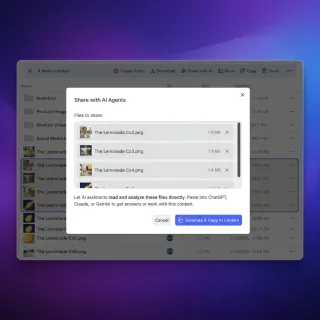
7 Best MCP Servers for Creative AI
MCP servers extend creative AI with file-aware tools. Top MCP servers for creative AI handle art generation, video editing, and design tasks. This guide lists top options. It focuses on ease of use for non-developers and creative integrations.
Best MCP Clients for Developers: 2026 Guide
MCP clients connect to MCP servers to add external tools and data to AI assistants. This guide compares 9 clients for developers, from desktop apps to IDE extensions and CLI tools.
How to Implement MCP Server Rate Limiting
MCP server rate limiting controls how often AI agents can invoke tools through a Model Context Protocol server. Without it, a single agent stuck in a retry loop can generate over 1,000 API calls per minute, driving up costs and slowing down every other connected agent. This guide covers the algorithms, implementation patterns, and monitoring strategies you need to ship rate limiting in production.
Best MCP Clients for 2026: Connect Your AI to Any Tool
MCP clients are AI interfaces like Claude Desktop, Cursor, or specialized IDEs that implement the Model Context Protocol to communicate with standardized tools and data sources. This guide evaluates the top options for developers.
All guides

10 Best MCP Servers for AI Agents in 2026
Model Context Protocol (MCP) servers connect AI models to real tools and data. They give agents access to file systems, databases, and APIs through a standard interface. We've tested and ranked the best MCP servers available today.
7 Best MCP Servers for 3D Artists (2026)
3D artists pick MCP servers that handle large EXR sequences, Houdini .hip files, Maya .mb scenes, and AI tools for teamwork. These servers let agents access assets, run renders, and support human-AI collaboration on large projects. Fastio provides hosted workspaces with a consolidated MCP toolset. Self-hosted options offer full control.
7 Best MCP Servers for Creative AI
MCP servers extend creative AI with file-aware tools. Top MCP servers for creative AI handle art generation, video editing, and design tasks. This guide lists top options. It focuses on ease of use for non-developers and creative integrations.
7 Best MCP Servers for Healthcare AI Agents in 2026
An MCP server for healthcare exposes clinical data sources, like EHRs, FHIR APIs, medical imaging archives, and lab systems, as tools that AI agents can call through the Model Context Protocol. This guide compares seven MCP servers purpose-built for healthcare use cases, from open-source FHIR connectors to enterprise-grade clinical platforms.
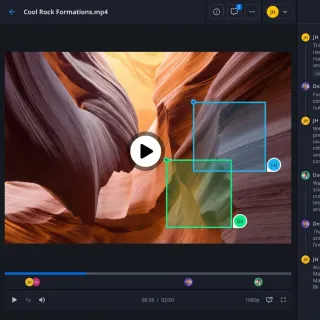
7 Best MCP Servers for Video Processing in 2026
MCP servers for video processing let AI agents transcode, analyze, edit, and stream video through Model Context Protocol interfaces. This guide reviews the top tools for automating video workflows, from FFmpeg wrappers to enterprise streaming platforms.

8 Best MCP Servers for Document Management in 2026
MCP servers for document management give AI agents structured access to document repositories with capabilities like full-text search, version control, metadata extraction, and RAG-powered Q&A. Most "file access" MCP servers just read and write bytes. True document management servers go further with indexing, search, and intelligence. We tested eight MCP servers across these dimensions and ranked them by how well they handle real document workflows.
A2A vs MCP Protocol Comparison: When to Use Each for AI Agent Systems
A2A (Agent-to-Agent) is Google's open protocol for agent-to-agent communication, while MCP (Model Context Protocol) is Anthropic's standard for connecting AI models to external tools and data sources. They solve different problems and are complementary rather than competing. This guide explains when to use each protocol and how to combine them in production multi-agent systems.

A2A vs MCP: How Google and Anthropic Protocols Compare
A2A handles communication between autonomous agents. MCP connects agents to external tools and data. Most production systems use both together rather than choosing one. This guide explains the differences, when to use each, and how storage layers bridge both protocols.
Best MCP Clients for 2026: Connect Your AI to Any Tool
MCP clients are AI interfaces like Claude Desktop, Cursor, or specialized IDEs that implement the Model Context Protocol to communicate with standardized tools and data sources. This guide evaluates the top options for developers.
Best MCP Clients for Developers: 2026 Guide
MCP clients connect to MCP servers to add external tools and data to AI assistants. This guide compares 9 clients for developers, from desktop apps to IDE extensions and CLI tools.
Best MCP Development Platforms in 2026
Best MCP development platforms make building stateful LLM tools and agents easier. They speed up creating clients and servers, testing, and deploying workflows. We reviewed top platforms for setup ease, tool count, free tiers, LLM support, and scalability. Fastio suits agent teams well, with a consolidated MCP toolset and persistent workspaces. This list helps you choose the right one.

Best MCP Hosting Platforms for AI Agent Tool Servers
Discover the best MCP hosting platforms for AI agent tool servers. The top platforms host MCP servers that AI agents connect to. Serverless options get you running in minutes instead of days. We rank platforms by price, setup ease, scaling, tools, and file handling for agents. Fastio offers a consolidated toolset and persistent RAG workspaces. Table below compares key specs. Details on agent fit next.
Best MCP Server Generator Tools for 2026
MCP server generator tools automatically scaffold Model Context Protocol servers from existing APIs, databases, or OpenAPI specifications, cutting development time from days to minutes. With the MCP ecosystem now indexing thousands of community servers, generator tools have become the fastest path from an existing API to a working MCP integration. This guide compares the seven best options available in 2026.

Best MCP Servers for Automation in 2026
MCP servers for automation let AI agents trigger workflows, schedule tasks, and coordinate actions across external systems. This guide ranks the best options, from no-code platforms like Zapier to developer tools like Temporal, so you can pick the right one for your stack.
Best MCP Servers for Cloud Infrastructure in 2026
MCP servers for cloud infrastructure let AI agents provision resources, query services, and manage deployments across AWS, GCP, and Azure without switching between consoles. This guide compares the most capable options available today, covering IaC tools like Terraform and Pulumi alongside provider-native servers and Kubernetes management.
Best MCP Servers for Communication in 2026
MCP servers for communication give AI agents the ability to send messages, manage threads, handle email, and interact across Slack, Discord, Teams, and other platforms. This guide ranks the best options and explains when to use each one.
Best MCP Servers for CRM Integration: Salesforce, HubSpot & Zendesk
CRM MCP servers let AI agents access and update customer records without complex API integration. This guide compares the top servers for connecting LLMs to Salesforce, HubSpot, and other CRM platforms, including security tips and setup guides.
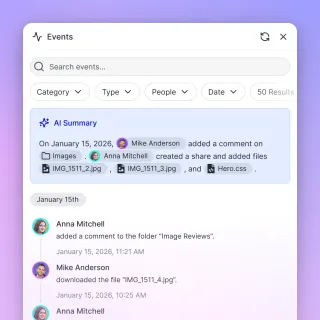
Best MCP Servers for Education and EdTech: Top 7 Tools for 2026
MCP servers in education enable AI tutors and admin agents to access learning management systems securely. By connecting AI models to tools like Canvas and Google Classroom via the Model Context Protocol, educators can automate grading, personalize tutoring, and simplify administrative workflows. This guide covers the top 7 MCP servers transforming EdTech in 2026, complete with installation tips and use cases.
Best MCP Servers for File Storage: Top 8 Tools for 2026
MCP (Model Context Protocol) servers for file storage give AI agents persistent, structured access to cloud storage through a standardized tool interface, replacing ad-hoc API integrations. This guide ranks the top MCP servers, comparing their capabilities for file upload, retrieval, and agentic workflows.
Best MCP Servers for Image Processing: Top 9 Tools for AI Agents
Image processing MCP servers give AI agents tools to read, analyze, edit, and generate images. This guide reviews 9 top servers, including Fal.ai, Cloudinary, and ImageMagick, that connect text-based LLMs to visual workflows.
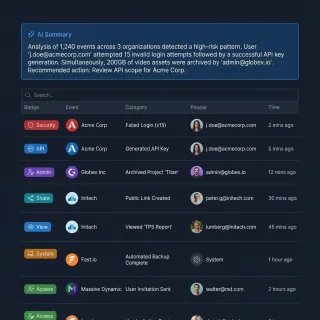
Best MCP Servers for Legal Teams
Law firms use MCP servers to give AI agents secure tool access for document review and contract analysis. They handle sensitive files with detailed permissions and audit logs. We ranked the top picks by security, compliance features, and fit for legal teams.
Best MCP Servers for LLM Workflows in 2026
Model Context Protocol servers give LLMs standardized access to tools, data, and services. With over 10,000 public servers now available, choosing the right ones for your workflow matters. This guide ranks the most useful MCP servers for developers building agent pipelines, from documentation retrieval to browser automation to persistent file storage.
Best MCP Servers for Manufacturing AI Agents
MCP servers connect manufacturing agents to PLCs and MES systems, enabling AI-driven automation on the factory floor. This guide evaluates the best Model Context Protocol servers for manufacturing, covering industrial IoT integration, predictive maintenance workflows, and agent-to-human ownership transfer. Find the right tools to build AI agents that work alongside your existing manufacturing infrastructure.
Best MCP Servers for Productivity and Workflow Automation in 2026
Productivity MCP servers connect your AI assistant to calendars, email, and task managers to automate daily workflows.

Best MCP Servers for Real-Time Data in 2026
Real-time MCP servers let AI agents consume live data feeds, from stock tickers and Kafka topics to infrastructure metrics, and act on events as they happen instead of querying stale snapshots. This guide compares nine MCP servers across market data, event streaming, observability, and analytics, with evaluation criteria and recommendations for each use case.
Best MCP Servers for Retail AI Agents: Top Tools for 2026
Retail AI agents need the right tools to drive sales and manage inventory. We rank the best MCP servers for retail, including payments, scraping, and persistent memory layers.
Best MCP Servers for Retail Operations (Inventory & POS)
MCP servers let AI agents access tools for retail jobs such as syncing inventory between stores or updating POS systems. Ops teams rely on them to handle stock checks, sales predictions, and supplier orders automatically. We list several solid options based on real-time sync, multi-agent support, and pricing.

Best MCP Servers for Sales Teams
MCP servers give AI agents secure access to sales data in agentic workflows. Sales teams use them to automate pipelines, query CRM exports, and manage leads without custom integrations. This guide compares the top MCP servers for sales, based on CRM compatibility, security, pricing, and ease of use. Includes a comparison table and detailed reviews.
Best MCP Servers for Search: Connecting AI Agents to Real-Time Data
Search MCP servers connect AI agents to real-time web data, which cuts down on hallucinations and helps agents retrieve current facts. This guide compares 10 search MCP servers across keyword search, semantic search, and academic research.
Best MCP Servers for Startups and Small Teams
Startups using AI agents are growing revenue faster than their peers. The secret weapon? Model Context Protocol (MCP) servers. These connectors bridge the gap between your LLMs and real-world tools, allowing agents to manage payments, ship code, and handle customer emails autonomously. We've tested and ranked the best MCP servers that offer free tiers, easy integration, and enterprise-grade reliability for small teams.

Best MCP Tools for AI Agent Development in 2026
MCP tools extend AI agent capabilities through the Model Context Protocol standard. This guide compares essential MCP tools across file storage, browser automation, API integrations, code execution, and web scraping to help you build production-ready agents.

Box MCP Server Setup and AI Agent Storage Integration
A Box MCP server allows AI agents to interact with Box enterprise files and folders using the standardized Model Context Protocol. While direct Box connectors require custom OAuth setup and sequential folder crawling, syncing Box repositories into Fast.io workspaces provides instant hybrid search. Agents retrieve targeted citations over remote MCP without token bloat, rate limit bottlenecks, or slow folder traversal.
Building a Fastio MCP Client in Rust: A Developer Guide
Building a Fastio MCP client in Rust allows high-performance backend systems to securely interact with agentic file storage. This developer guide covers the core dependencies, connection lifecycle, and asynchronous patterns needed to integrate Rust applications with Fastio's consolidated MCP toolset via Streamable HTTP. Learn how to construct resilient sessions and handle advanced agent workflows natively.

Building a Fastio MCP Client in TypeScript: A Step-by-Step Guide
Building a Fastio MCP client in TypeScript lets your Node.js agents discover and run Fastio workspace tools. Most existing documentation focuses on building servers, leaving developers unsure how to write the client code. This guide shows you how to configure the SDK and establish a Streamable HTTP connection so you can execute remote tools without writing custom integration wrappers.
Choosing a Filesystem MCP Server Alternative for Shared Agent Workspaces
Although Gartner predicts that 15% of day-to-day work decisions will be made autonomously through agentic AI by 2028, standardizing how these agents share file states remains a primary friction point. This comparison evaluates local filesystem MCP servers against cloud-persistent network alternatives that resolve state conflicts, support shared workspaces, and let agents and people work on the same files.
Company Brain MCP Server: A Reference for Tools, Transports, and Auth
Centralizing workspace context is essential to prevent token waste and keep AI agents aligned, but wiring it up correctly across a growing agent ecosystem requires knowing exactly what an MCP server exposes. This reference explains the Fast.io company brain MCP server's tool interface, transport options, and authentication model, and how to configure it across coding agents beyond a single editor, with a focus on governance and audit visibility.
Connecting AI Agents to QNAP NAS: MCP Server Setup Guide
Setting up a QNAP MCP server connects local AI clients directly to network attached storage for fast file access. While single-machine stdio connectors work for individual workstations, they isolate team agents and introduce network exposure risks. Pairing on-premises QNAP archives with intelligent cloud workspaces allows distributed multi-agent systems to query and edit files without opening incoming firewall ports.

Connecting LangGraph Multi-Agent Graphs to MCP Tool Rooms
LangGraph MCP integration connects stateful agent graphs to external Model Context Protocol servers for standardized tool execution. By moving beyond hardcoded local Python functions, multi-agent systems discover tools dynamically, isolate execution environments, and share persistent workspace storage. Learn how to configure a LangGraph MCP client, orchestrate specialized nodes, and prevent concurrency conflicts across parallel agents.

Dropbox MCP Architecture: Two-Way Workspace Sync vs Direct API Tool Calls
Connecting autonomous AI agents to cloud storage requires evaluating Dropbox MCP architecture tradeoffs between direct API tool calls and two-way workspace sync. Direct tool use often triggers dynamic rate limits, lock contention, and sync conflicts under multi-agent workloads. Decoupling agent operations through scheduled workspace sync provides pre-indexed hybrid search, advisory file leases, and version control while keeping Dropbox as the system of record.

Emacs MCP Guide: Connecting gptel to Cloud Storage Workspaces
GNU Emacs can query external cloud documents without freezing buffers by integrating the Model Context Protocol. By combining mcp.el and gptel with remote indexed workspaces, developers can search Dropbox, Box, and OneDrive archives directly from elisp buffers using lightweight semantic queries instead of heavy local file syncs.

FastAPI MCP: Exposing APIs as MCP Servers for AI Agent Teams
Building a FastAPI MCP server enables engineering teams to turn Python endpoints into Model Context Protocol tools for AI agent teams without duplicating code. Mounting Server-Sent Events transports alongside standard REST routes allows shared Pydantic validation models and authentication tokens across humans and autonomous agents. Paired with Fast.io workspaces, these dual-mode servers provide execution tools and persistent storage for agent teams.
Fastio MCP Server Docker Compose Setup Guide
Using Docker Compose to set up agent environments that connect to the remote Fastio MCP server provides a stable foundation for testing workflows and managing storage. This guide walks through configuring containerized agents with environment variables and connecting to Fastio over Streamable HTTP. You get access to a consolidated MCP toolset, persistent cloud workspaces, and built-in RAG without managing local storage infrastructure.

Fastio MCP Server Integration Guide for Developers
The Fastio MCP server is a remote server. Your client connects to it over a URL, which means there is no package to install and no process to spawn. This guide covers the three endpoints, how to choose between them, how scoped API keys and OAuth work, what the tool surface reaches, and how the same integration looks from Claude Code, Cursor, Cline, and a custom agent framework. Endpoints and behavior checked on October 5, 2026.
Function Calling vs MCP: Which Should Your AI Agent Use?
Function calling and the Model Context Protocol (MCP) are the two main ways to give AI agents access to external tools and data. Function calling gives models the raw ability to run code. MCP offers a standard way for agents to connect to the world. This guide compares them to help you pick the right stack for your project.

Google Drive MCP Server in Python: Building Custom Tools vs Remote Workspaces
A Google Drive Python MCP server exposes Google Drive files and directory search to AI agents as standardized Model Context Protocol tools using Python. While custom FastMCP tools provide quick local file access, high-frequency autonomous agent loops often hit strict API quotas and memory limits. Pairing existing cloud storage with remote indexed workspaces provides instant semantic search without streaming multi-megabyte binaries through local worker processes.
GPT Actions vs MCP: Which Integration Approach to Use?
Choosing between GPT Actions and the Model Context Protocol (MCP) comes down to one question: do you want to build for one platform or for everyone? GPT Actions work well with ChatGPT, but MCP is an open standard that connects to Claude, Cursor, and other AI tools. This guide looks at how they both work and which one fits your project best.
Handling MCP Rate Limits, 429 Errors, and Transport Timeouts
An mcp rate limit caps the number of requests, resources, and tool calls an agent can process across Model Context Protocol connections. High-concurrency agent workflows frequently trigger 429 Too Many Requests errors and dropped connections. Implementing exponential backoff with full jitter, client-side request queues, and migrating from legacy Server-Sent Events to Streamable HTTP keeps production agent tool calls reliable.
Hosted MCP Services: Cloud Infrastructure for Agents
Hosted MCP services keep AI agents running 24/7 without tying them to your laptop. Cloud-hosted Model Context Protocol (MCP) servers stay online even when your computer sleeps, giving agents continuous access to files, tools, and memory. This guide compares self-hosting methods with managed solutions like Fastio to help you choose the right infrastructure for your agent workforce.

Hosting Open Source MCP Servers in Multi-Agent Rooms
Hosting open source MCP servers within shared workspaces is essential for multi-agent coordination. This guide explains how to secure public or self-hosted implementations using Docker containerization and Server-Sent Events, creating a secure environment for agents and humans to collaborate without credential exposure.
How to Add Caching to Your MCP Server
MCP server caching stores and reuses tool call results, resource responses, and prompt outputs to reduce latency, lower API costs, and improve agent performance. This guide walks through three caching strategies, shows you how to implement each one, and covers the invalidation patterns that keep your cached data fresh.
How to Add OAuth Authentication to Your MCP Server
If you're running a remote MCP server over HTTP, OAuth authentication isn't optional. The MCP specification (revised 2025-03-26) mandates OAuth 2.1 for any production server exposed over the network. This guide walks through the full setup: configuring Protected Resource Metadata, handling the authorization code flow with PKCE, validating tokens on your server, and enforcing scopes on individual tools.
How to Automate Social Media with MCP Servers
Social media MCP servers connect AI agents to X, LinkedIn, and Instagram. Agents used to just write text. Now they read timelines, spot trends, and post directly. Top options for autonomous social media agents.
How to Automate Video Transcoding with MCP Server Workflows
Guide to video transcoding mcp server workflows: Using MCP for video transcoding lets AI agents read file metadata and run complex FFmpeg commands based on plain English instructions. By bringing agents into the media workflow, video teams can skip the command line and automate hours of manual export tasks.

How to Build a Custom Fastio MCP Tool
Building a custom Fastio MCP tool lets developers inject proprietary business logic directly into an agent's file workspace. This guide covers the three mandatory components of a tool definition, authentication patterns for autonomous agents, implementation in Python and TypeScript, and how to deploy your tool alongside Fastio's consolidated MCP toolset.

How to Build a Fastio MCP Client in C# .NET
Building a Fastio MCP client in C# .NET allows enterprise applications to securely consume intelligent file operations and agent workspaces. By connecting your strongly typed environment to Fastio's Model Context Protocol (MCP) server, developers can directly integrate advanced AI workflows, built-in RAG capabilities, and automated file sharing into existing enterprise systems.
How to Build a Fastio MCP Client in Elixir
Building a Fastio MCP client in Elixir uses OTP to maintain highly resilient, concurrent agent workspaces that self-heal on connection drops. By combining the Model Context Protocol with the Fastio server, developers can connect Elixir applications to multiple intelligent file management tools. This guide covers setting up a Streamable HTTP client, managing capability negotiation, using built-in workspace intelligence, and using OTP supervision trees for fault-tolerant agent execution.

How to Build a Fastio MCP Client in Golang
Guide to building fastio mcp client golang: A Fastio MCP client in Golang uses Go's native concurrency model to asynchronously consume Model Context Protocol events and file streams. With Fastio exposing multiple intelligent tools through Streamable HTTP, Go backend developers can securely manage workspaces, coordinate files, and trigger Built-in RAG natively. We'll walk through the connection lifecycle, authenticating your Go client, executing tool workflows, handling multi-agent file
How to Build a Fastio MCP Client in Python
Building a Fastio MCP client in Python enables seamless file management capabilities within Python-based AI agent frameworks. While many tutorials focus heavily on TypeScript, Python remains the leading language for AI agent development. This comprehensive guide shows how to connect Python agents to Fastio's multiple MCP tools, allowing your agents to natively search, read, and write to persistent workspaces.
How to Build a Fastio MCP Client in Swift
Building a Fastio MCP client in Swift requires establishing an SSE or HTTP connection to the Fastio MCP server to execute tools and read resources natively on Apple platforms. By adopting the swift model context protocol, developers can bypass generic middle layers and integrate multiple native tools directly into iOS, macOS, or visionOS applications. This allows applications to natively query workspaces, interact with AI agents, and retrieve files with high performance.
How to Build a Fastio MCP Integration with MemGPT
Integrating Fastio MCP with MemGPT allows agents to persist archival memory into secure, structured file workspaces. While MemGPT solves context window limits, the Model Context Protocol (MCP) provides standardized tool access for memory retrieval. This guide covers how to connect MemGPT's archival storage to a Fastio backend, overcoming the limitations of ephemeral session data and creating agents that remember interactions forever.
How to Build a Fastio MCP Server Custom Authorization Guide
Custom authorization for the Fastio MCP server keeps AI agents restricted to the files and resources they actually need. This guide shows developers how to set up granular access controls. If you are running multi-agent deployments or managing local workspaces, strict permissions keep your intelligent systems secure.

How to Build a GitHub MCP Integration for Autonomous Agents
Use a GitHub MCP integration to connect autonomous agents with your repositories. They can read code, open pull requests, and manage issues. Learn how to install and configure the official GitHub MCP server to automate development workflows.
How to Build a LangSmith MCP Adapter for Agent Observability
Blind spots in agent execution are dangerous. When your AI agent calls an external tool via the Model Context Protocol (MCP), that interaction often disappears into a black box. A LangSmith MCP adapter solves this by proxying tool calls for full observability. This guide shows you how to integrate LangSmith with MCP to trace, debug, and optimize every tool execution in your agent's workflow.
How to Build a Model Context Protocol (MCP) Server
Exposing databases, local filesystems, or custom APIs to AI agents usually requires custom integration code and manual schema validation. This guide explains how to build a Model Context Protocol (MCP) server using Python and TypeScript, configure the client JSON configuration file, and connect these tools to a shared team workspace.
How to Build a Shared Filesystem MCP Server for AI Agent Rooms
Most modern coding agents use MCP for local tool calling, but isolating these tools to single developer machines limits team collaboration. Deploying a hosted filesystem MCP server coordinates multi-agent swarms in a shared environment and cuts context synchronization delays. This guide covers how to configure secure server backends, map directory permissions, and coordinate human-agent development workflows.
How to Build Agent Swarms with MCP Servers
Multi-agent swarms are transforming how engineering teams automate complex workflows. However, orchestrating multiple AI agents introduces massive coordination challenges. Without a shared protocol, agents often overwrite each other's work, lose critical context, and fail to complete multi-step tasks. MCP servers enable agent swarms to share tools and state via a standardized protocol, dramatically improving reliability.
How to Build an MCP Server for AWS Cognito
Building an MCP server for AWS Cognito allows AI agents to securely manage user identities, handle sign-ups, and verify credentials. This guide walks you through creating a TypeScript-based MCP server that bridges the Model Context Protocol with AWS authentication services, enabling automated user management workflows directly from your AI assistant.
How to Build an MCP Server for Dropbox Integration
Building an MCP server for Dropbox enables AI agents to access, manage, and analyze files stored in Dropbox directly through the Model Context Protocol. This guide walks through the architecture, implementation steps, and practical workflows for connecting agents to Dropbox storage with Fastio's MCP server.
How to Build an MCP Server in Go
Go is a strong fit for MCP servers thanks to its compiled performance, lightweight goroutines, and simple deployment as a single binary. This guide walks through the available Go SDKs, builds a working MCP server from scratch, and covers transport options, concurrency patterns, and production deployment.
How to Build an MCP Server in PHP
PHP MCP servers integrate legacy enterprise systems with AI agents. This guide walks you through building an MCP server in PHP using Laravel for queue management and validation. You'll create a production-ready server handling authentication, tool routing, and async tasks. PHP powers most websites whose server-side language is known, making it ideal for bridging agents to PHP backends. Follow these steps to set up routes, queues, and security for your MCP implementation.

How to Build an MCP Server in Python
Building an MCP server in Python means using the MCP SDK to define 'tools', 'resources', and 'prompts' that an AI agent can consume over a standard protocol. This guide walks you through creating a server that makes a cloud storage bucket browsable for AI agents.
How to Build an MCP Server in Rust
An MCP server built in Rust provides memory-safe, high-performance tool serving for AI models. It works well for deployments that need low latency or run on limited hardware. Python works for rapid prototyping, but Rust offers better throughput and reliability for production servers.
How to Build an MCP Server with FastAPI and Python
Guide to mcp server fastapi python: You can use FastAPI to turn Python code into standardized tools for AI agents like Claude. This guide shows you how to use the Model Context Protocol with Python's most popular web framework. You'll also learn how to connect your agents to Fastio workspaces with a consolidated MCP toolset.
How to Build an MCP Server with Java Spring Boot
Building an MCP server with Java Spring Boot lets you use the Model Context Protocol within the Spring ecosystem. Enterprise Java teams can use a familiar framework to give AI models access to tools and data. With Spring AI, you can turn standard Java methods into AI tools with simple annotations, connecting older enterprise systems to modern LLMs.
How to Build Fastio MCP Integration with Smolagents
Integrating Fastio MCP with Smolagents lets lightweight Hugging Face agents read and write files during execution. Most agent tutorials focus on web search or text generation, but production systems need real file handling. This guide shows how to connect the Fastio Model Context Protocol (MCP) server to your Smolagents projects for secure access to standard file operations.
How to Build Interactive MCP Apps for AI Agents
MCP apps transform how humans work with AI agents by replacing text-only chat with interactive visual interfaces. When non-technical users get access to dashboards and forms, agent adoption increases . This guide shows you how to build these interfaces using the Model Context Protocol.
How to Build MCP Servers with .NET: A C# Developer's Guide
Building MCP servers in .NET allows enterprise developers to expose existing business logic and data layers to AI agents using familiar C# patterns. With the new Model Context Protocol SDK for .NET, you can turn any ASP.NET Core application or console app into an intelligent agent tool. This guide covers installation, tool definition, and transport configuration.
How to Build MCP Servers with Deno
Building MCP servers with Deno provides a secure way to expose tools for AI agents. The Model Context Protocol (MCP) allows streamable tool calls over HTTP or SSE. Deno's permission system handles untrusted agents safely. This tutorial shows how to set up a server, implement core endpoints, add security, integrate Fresh, and deploy.
How to Build MCP Servers with Python: Best Practices
The Model Context Protocol (MCP) gives AI agents a standard way to connect to external data and tools. This guide walks through building MCP servers with the Python SDK, covering async patterns, error handling, and production setup.
How to Build MCP Servers with TypeScript: A Developer's Guide
The MCP TypeScript SDK lets web and Node.js developers build servers that follow the Model Context Protocol, connecting cloud data to AI agents. This guide covers setup, tool creation, and serverless deployment strategies.

How to Build Stateful MCP Servers for Long-Running Agents
Most Model Context Protocol (MCP) servers are stateless, causing agents to forget everything between sessions. This guide shows you how to build stateful MCP servers that maintain context, user preferences, and project history across long-running interactions.

How to Choose Fastio MCP Transports: Streamable HTTP vs SSE
Choosing between Server-Sent Events (SSE) and Streamable HTTP for Fastio MCP depends on your infrastructure. SSE works natively with most edge platforms and legacy load balancers. Streamable HTTP handles bidirectional communication over a single endpoint, making state recovery easier. This guide covers the performance tradeoffs, infrastructure requirements, and configuration steps for both Model Context Protocol transports.
How to Choose the Best MCP Servers for Coding and Git Integration
Coding MCP servers give AI agents direct access to repositories, allowing them to read code, create branches, and push commits. This guide compares the best Model Context Protocol servers for software development, including GitHub, GitLab, and local filesystem tools.
How to Choose the Best MCP Servers for Data Analysis
Data analysis MCP servers allow LLMs to directly query databases and execute analysis scripts securely. By connecting tools like SQLite, DuckDB, and Python to your AI agent, you transform simple chatbots into capable data analysts. This guide compares the best MCP servers for handling structured data, running SQL queries, and managing analysis workflows.
How to Choose the Best MCP Servers for Developers
Building AI agents requires reliable tools to bridge the gap between LLMs and real-world data. The Model Context Protocol (MCP) solves this by providing a standardized way to connect agents to files, databases, and APIs. In this guide, we rank the best MCP servers for developers, helping you choose the right infrastructure for your coding assistants.
How to Choose the Best MCP Servers for Logistics and Supply Chain
Logistics MCP servers give AI agents direct access to supply chain data, inventory files, and shipping documents. By connecting tools like Fastio, PostgreSQL, and filesystem servers to your AI, you can automate order processing, track shipments, and manage warehouse documents at scale. This guide compares the best MCP servers for logistics and supply chain operations, with practical examples for each use case.
How to Choose the Best MCP Servers for Sales Teams
Sales teams today juggle an average of 10 different tools to close deals, creating data silos that slow down outreach. MCP servers bridge this gap by letting AI agents securely access your CRM, email, and files to automate workflows. This guide covers the top MCP servers that unify your sales stack for better efficiency.
How to Choose the Best MCP Servers for Sales Teams and Agents
MCP servers link AI agents to sales tools like CRMs, file storage, and messaging. Top picks give secure file access, CRM links, and workflow help to close deals quicker. This guide reviews multiple options for sales teams.
How to Choose the Best Serverless MCP Servers for Effortless Deployment
Running your own Model Context Protocol (MCP) servers gives your AI agents custom capabilities, but managing infrastructure is a headache. Serverless MCP servers run tool endpoints without managing infrastructure, scaling automatically to zero when idle. This guide compares the top serverless platforms for deploying MCP servers, focusing on ease of use, cost, and agent integration.
How to Configure Autogen MCP Integration for Multi-Agent Systems
Autogen MCP integration standardizes how multi-agent systems access external tools, replacing custom connectors with a universal protocol. For teams building on Autogen, this integration is critical for scaling agent capabilities. Learn how to connect your agents to MCP tools in minutes.

How to Configure the Box MCP Server for AI Agents
Setting up the Box Model Context Protocol (MCP) server enables AI agents to securely interact with enterprise content. This guide covers how to authorize the integration through the Box Admin Console, configure OAuth credentials, and connect clients like Claude Code or Cursor without running a local server node. Learn how to combine Box storage with Fastio's collaboration features.

How to Connect AI Agents to Azure Blob Storage via MCP
An Azure Blob Storage MCP server exposes cloud containers and object storage to AI agents using standard Model Context Protocol tools. Connecting autonomous agents directly to object storage allows models to inspect files, manage datasets, and write artifacts, but raw blob downloads risk context window bloat and slow prefix traversal. Deploying a pre-indexed workspace layer lets agents execute hybrid search across stored blobs without streaming massive raw payloads into prompt context.
How to Connect AI Agents to Google Analytics with MCP
The Google Analytics MCP server connects AI agents to GA4 properties through the Model Context Protocol, giving them read access to traffic reports, funnel analysis, and real-time data. This guide covers the official server setup, community alternatives, practical agent workflows, and how to store analytics output where your whole team can access it.

How to Connect AI Agents to Google Docs with MCP
An MCP server for Google Docs exposes document read, write, and search capabilities to AI agents through the Model Context Protocol standard. This guide covers the available server options, OAuth configuration, document operations, and practical multi-agent workflows that combine Google Docs with persistent storage.

How to Connect AI Agents to Google Workspace with MCP
Connecting AI agents to Google Workspace gives autonomous models direct access to Google Drive, Docs, and Sheets through the standardized Model Context Protocol. Native remote servers and local community connectors offer tool access, but recursive directory walking rapidly drains context windows and triggers rate limits. Pre-indexing Workspace files into a shared intelligent workspace allows agents to query exact excerpts without downloading entire documents.

How to Connect AI Agents to Make.com with an MCP Server
Make.com offers a cloud-hosted MCP server that turns your automation scenarios into tools AI agents can call directly. This guide covers how to generate an MCP token, connect agents like Claude or ChatGPT to Make, build scenarios that work as agent-callable tools, and handle the outputs that come back.

How to Connect AI Agents to Salesforce via MCP Server
Exposing Salesforce CRM data to AI agents requires bridging proprietary endpoints with agentic tool calls. Building a Salesforce MCP server exposes accounts, contacts, and opportunities as standardized tools. Using TypeScript and OAuth authentication, developers can establish secure, direct access channels for agents while coordinating work in persistent Fast.io workspaces.

How to Connect AI Agents to Twilio Segment with MCP
Segment MCP servers give AI agents direct access to your customer data platform, from firing track calls and identifying users to auditing sources and reviewing tracking plans. This guide covers the available Segment MCP servers, what each one can do, and how to pair them with a persistent workspace so your agents can store and share the data they pull from Segment.
How to Connect AI Agents to Web Analytics (Best MCP Servers)
Web analytics MCP servers let AI agents query traffic data and find insights on their own. Instead of manually checking dashboards, you can connect tools like Google Analytics 4 and Plausible directly to your agent. This automates reporting and SEO audits. This guide covers key MCP servers for web analytics and shows you how to automate your reporting.

How to Connect Azure Container Apps to the Fastio MCP Server
Connecting agent runtimes on Azure Container Apps to the Fastio remote MCP server provides a secure, serverless environment for enterprise AI file operations. Fastio hosts a remote MCP server at `https://mcp.fast.io/mcp/tools`, allowing agents on Azure to connect via URL. This guide covers configuring Azure Container Apps to interact securely with Fastio.
How to Connect Cloudflare R2 to AI Agents via MCP Server
A Cloudflare R2 MCP server connects AI agents directly to Cloudflare S3-compatible R2 object storage for reading, listing, and querying files without egress fees. While zero egress costs make R2 ideal for storing unstructured documents, direct bucket traversal can exhaust agent context windows through unindexed file downloads. Deploying an intelligent workspace layer enables hybrid semantic search across bucket contents, retrieving targeted excerpts instead of streaming raw files.
How to Connect DocuSign to AI Agents with the MCP Server
DocuSign's official MCP server lets AI agents send envelopes, check signing status, query agreements through Navigator, and trigger Maestro workflows using the Model Context Protocol. This guide covers setup for both developer and production accounts, walks through authentication, and shows how to pair DocuSign MCP with persistent file storage for end-to-end agreement automation.

How to Connect Fastio MCP Server to AutoGen Agents
AutoGen agents lose their work when sessions end. By connecting Fastio's MCP server to AutoGen via the autogen-ext MCP adapter, your multi-agent teams get persistent cloud workspaces, built-in semantic search, and a clean handoff path to human collaborators. This guide walks through the full Python setup with working code.

How to Connect Fastio MCP to Dify Workflows for AI
Connecting Fastio MCP with Dify lets your visual AI workflows read, write, and manage files in secure agentic workspaces. This guide shows you how to add the Fastio Model Context Protocol (MCP) server to your Dify setup. With this integration, your Dify apps get persistent storage and full file management without custom code.

How to Connect Fastio MCP to Flowise
The Fastio Model Context Protocol (MCP) server lets Flowise agents read and write files directly in your workspace. You can drag and drop file management tools right into your chatflows. This setup gives your no-code AI workflows a persistent storage layer without the need to build custom APIs. You get a consolidated MCP toolset available to your agents out of the box.

How to Connect Fastio MCP with Griptape AI Agents
Connecting Fastio's Model Context Protocol (MCP) server with the Griptape framework gives enterprise AI agents secure, persistent file storage. Developers can build applications where agents process organizational data. This guide covers the setup process, Python implementation examples, and tips for managing agent memory at scale.
How to Connect Gemini to Dropbox via MCP
Connecting Gemini to Dropbox via MCP allows Google Gemini models and agents to interact with Dropbox storage through structured Model Context Protocol endpoints. Rather than exporting local zip archives or building brittle custom API scripts, teams synchronize Dropbox folders into an indexed Fast.io workspace. Gemini agents and Gemini Code Assist then query targeted document passages and structured metadata over remote Streamable HTTP.

How to Connect Gemini to SharePoint via MCP
Connecting Gemini to SharePoint via MCP bridges Google AI ecosystem to Microsoft enterprise storage through standard Model Context Protocol queries. Rather than wrestling with Azure app registrations or flooding model context with raw document binaries, teams sync SharePoint libraries into Fast.io workspaces and query pre-indexed passages over remote Streamable HTTP.

How to Connect Gemini to Storage via MCP Server
Connecting Google Gemini to persistent storage through a Model Context Protocol server replaces clumsy context-window file dumping with targeted semantic retrieval. Instead of streaming entire folders into prompt tokens, Gemini queries a remote MCP endpoint that indexes workspace files and syncs with existing cloud drives. This setup reduces query latency, controls inference costs, and keeps agents grounded in accurate document context.
How to Connect Google Gemini to Box via MCP
A Gemini Box MCP integration exposes Box enterprise folder hierarchies and file contents to Google Gemini agents through standardized Model Context Protocol tool endpoints. Rather than subjecting production agents to recursive folder crawling and Box API rate limits, teams synchronize Box folders into an indexed Fast.io workspace. Google Gemini models and Gemini Code Assist query indexed document passages and structured metadata over remote Streamable HTTP without context bloat.

How to Connect Google Gemini to Microsoft OneDrive via MCP
Gemini OneDrive MCP is a configuration that bridges Google Gemini AI models with Microsoft OneDrive storage via the Model Context Protocol. Rather than routing complex Azure enterprise application consents or flooding context windows with full file downloads, teams sync OneDrive folders into an intelligent workspace. Gemini then retrieves pre-indexed passages over remote Streamable HTTP, reducing token latency while preserving enterprise data custody.

How to Connect Legacy FTP Servers to AI Agents via MCP
An FTP MCP server translates Model Context Protocol tool calls into FTP and SFTP commands for AI agents. Direct socket bridges struggle with timeouts, full-file downloads, and unindexed archives. Learn how to configure a headless FTP MCP server and when to mirror legacy directories into an intelligent workspace.
How to Connect MinIO S3 Storage to AI Agents via MCP Server
Connecting local or self-hosted MinIO object storage to AI agents gives coding assistants and autonomous workers structured access to enterprise buckets. The Model Context Protocol provides tools to inspect bucket contents and read objects without consuming context windows on raw downloads. Here is how to configure containerized MinIO MCP servers, manage credentials, and structure multi-agent storage workflows.

How to Connect n8n AI Agents to Google Drive via MCP
Connecting n8n AI agents to Google Drive via MCP provides workflow automations with semantic document search capabilities without exceeding Google Cloud API request quotas. Standard n8n workflows that loop file downloads across Drive folders quickly trigger rate limits and exhaust server memory. Importing Google Drive folders into an indexed Fast.io workspace lets n8n AI agents run hybrid semantic queries through a remote MCP server, retrieving exact citations in a single tool call.

How to Connect Synology NAS to AI Agents via MCP Server
Connecting local network attached storage like Synology DiskStation to AI agents gives coding assistants structured access to private files without manual uploads. The Model Context Protocol provides tools to discover, inspect, and retrieve local files while respecting DSM access controls. Here is how to configure containerized Synology MCP servers, bridge agent clients, and coordinate local NAS assets with indexed cloud workspaces.
How to Connect Wasabi Hot Cloud Storage to AI Agents via MCP Server
Connecting to a Wasabi MCP server gives AI agents structured tool access to cloud storage buckets without exposing static API keys. By pairing Wasabi hot storage with Fast.io workspaces, teams eliminate the token waste of raw bucket dumps and add fast semantic search across large document archives.
How to Create an MCP Server with Node.js and TypeScript
The Node.js SDK for MCP enables JavaScript and TypeScript developers to build tools and resources that works alongside Claude and other LLMs. This guide walks you through setting up a project, creating your first tool, and testing your server.
How to Debug MCP Server Issues
Model Context Protocol server debugging involves diagnosing connection failures, tool execution errors, and transport mismatches.
How to Deploy a Fastio MCP Server on Render
Deploying a Fastio MCP server on Render requires configuring environment variables and web services to expose tools. Render simplifies PaaS deployments, making it an excellent platform for hosting Model Context Protocol servers that need secure external exposure. This guide provides the specific environment configs missing from most generic tutorials.
How to Deploy a Kubernetes MCP Server for AI Platform DevOps
Running AI agents with full admin access to Kubernetes clusters introduces significant security risks. By deploying a Model Context Protocol (MCP) server, DevOps teams can create a secure, read-only diagnostic bridge. This guide provides a step-by-step walkthrough of configuring read-only Role-Based Access Control (RBAC), setting up ServiceAccount tokens, and integrating AI clients like Claude Desktop or remote workspaces. These steps ensure secure, auditable DevOps automation.

How to Deploy an MCP Server on Cloudflare Workers
Deploying an MCP server on Cloudflare Workers lets you run AI tools at the edge without managing infrastructure.
How to Deploy an MCP Server to Production
Deploying an MCP server to production means running the Model Context Protocol in a reliable place where AI clients can reach it. Local development uses simple input/output (stdio), but production needs HTTP servers with Server-Sent Events (SSE).
How to Deploy and Host an MCP Server
Moving an MCP server from localhost to a production environment gives remote access to AI agents across your organization.
How to Deploy Containerized MCP Servers
Containerized MCP servers package tools for scalable, portable AI agent integrations. This guide walks through Docker deployment, Kubernetes orchestration, and scaling for multi-agent systems. According to the CNCF Annual Survey 2023, 92% of organizations use containers in production or evaluation, making Docker and Kubernetes the standard for MCP servers.

How to Deploy Fastio MCP Server on AWS Lambda
Connecting serverless agents on AWS Lambda to the Fastio remote MCP server gives your AI workflows persistent file storage without idle server costs. Fastio hosts a remote MCP server at https://mcp.fast.io/mcp/tools, so clients connect directly via URL. This guide covers configuring Lambda functions to connect securely to Fastio.

How to Deploy Fastio MCP Server on Railway: Developer Guide
Deploying an agent service on Railway allows developers to host cloud-based AI systems that connect directly to Fastio's remote MCP server. Moving to a platform like Railway gives agents an accessible cloud endpoint while Fastio manages file workspaces and tool execution. This guide covers setup, environment variables, and agent integration.
How to Deploy Fastio MCP Server on Vercel
Deploying the Fastio MCP server on Vercel enables scalable, serverless access to your agent's file tools without managing infrastructure. While most documentation focuses heavily on Docker or local deployment for the Model Context Protocol, this guide specifically targets modern full-stack workflows.
How to Deploy MCP Server on Render
Learn how to deploy MCP servers on Render with git-based updates and zero downtime. This guide covers Docker setup, environment variables, autoscaling for agents, and cron jobs.
How to Deploy MCP Server to Fly.io
Deploying an MCP server to Fly.io positions your agent tools close to users worldwide. Fly.io Machines launch in seconds across regions worldwide, with persistent volumes for state and secrets for secure configs. This guide walks through Dockerizing your MCP server, deploying with flyctl, adding volumes, and scaling for production loads.

How to Deploy the Fastio MCP Server on Fly.io
Deploying the Fastio MCP server on Fly.io gives your AI agents faster access to their file workspaces. Moving your Model Context Protocol server closer to your agents cuts down on response times. This guide shows you how to containerize the server, set up your Fly.io environment, and manage the deployment.

How to Deploy Your Agent on Kubernetes with Fastio MCP
Fastio hosts and operates its MCP server, so Kubernetes runs your agent rather than the Fastio server. This guide shows how to package your agent, configure its MCP client with the hosted Streamable HTTP URL, protect a scoped key with Kubernetes Secrets, control outbound network access, and use Helm for repeatable agent releases.
How to Get Started with the MCP Python SDK for AI Agents
The MCP Python SDK is the official library for building Model Context Protocol servers and clients, enabling standardized data access for AI agents. Whether you're connecting Claude to a local database or building a multi-agent file system, this SDK provides the building blocks. This guide covers installation, a "Hello World" server example, and how to integrate external tools like Fastio.
How to Give Agents Direct File Access with MCP Filesystem
The MCP Filesystem server provides a standardized way for AI agents to read, write, and list files within allowed directories on a host machine. This guide covers how to install, configure, and secure the filesystem server for use with Claude Desktop and other MCP clients.
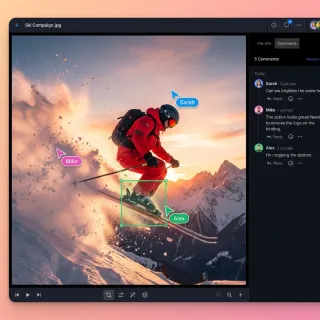
How to Implement Collaborative MCP Server Management for DevOps Teams
Collaborative MCP management brings DevOps principles to AI agent infrastructure. As teams move from local scripts to production workflows, they need a central way to keep servers secure and reliable. This guide explains how to treat MCP servers like production infrastructure using automation and shared workspaces.

How to Implement Fastio MCP with LangGraph
Integrating Fastio's MCP server with LangGraph lets your stateful agent workflows read, write, and share files across nodes. This guide shows how to configure the Model Context Protocol to give your LangGraph agents persistent storage and shared workspaces.

How to Implement Fastio SSE Streaming for MCP Tools
SSE (Server-Sent Events) streaming over MCP allows Fastio to push real-time file updates, extraction progress, and tool execution states directly to connected AI agents. While most documentation focuses on basic stdio transport, implementing an HTTP transport is required for production cloud deployments. This guide explains how to configure the Streamable HTTP transport layer, handle the client-server handshake, and build reactive agent workflows without the performance penalty of constant API polling.
How to Implement Long-Term Storage for MCP Servers
This guide explains requirements, cost-optimized patterns competitors miss, step-by-step Fastio setup with a consolidated MCP toolset, multi-agent coordination, and optimization tips for production.

How to Implement MCP File Access Control
MCP file access control enforces RBAC on agent tools and data in Fastio workspaces. Permissions cascade from organization to workspace, folder, and file levels, with overrides for granular control. Agents get roles like owner, admin, member, guest, or view, restricting read, write, delete, and share actions. Full file version history adds concurrent safety, while the detailed activity log supports debugging and compliance.
How to Implement MCP Server Backup Strategies
Ensuring your AI agents maintain their state requires effective MCP server backup strategies. Without proper agent server persistence, you risk losing context, tool configurations, and critical workflow data. This comprehensive guide covers how to backup MCP tools effectively, prevent catastrophic data loss, and maintain highly reliable multi-agent systems for production environments. By implementing these practices, you secure your autonomous workflows against infrastructure failures.
How to Implement MCP Server Rate Limiting
MCP server rate limiting controls how often AI agents can invoke tools through a Model Context Protocol server. Without it, a single agent stuck in a retry loop can generate over 1,000 API calls per minute, driving up costs and slowing down every other connected agent. This guide covers the algorithms, implementation patterns, and monitoring strategies you need to ship rate limiting in production.

How to Implement OpenTelemetry Tracing for Fastio MCP Servers
Learn how to implement OpenTelemetry tracing for Fastio MCP servers to see how your AI agents actually work. This guide covers distributed tracing setup, custom spans for MCP tool calls, and performance monitoring. Industry-standard observability helps you find latency bottlenecks and track error rates across multiple specialized tools.
How to Implement Robust MCP Server Health Checks
Reliable agents need reliable tools. Learn how to implement robust health checks for your MCP servers to ensure uptime and prevent failed tool calls. We cover standard HTTP patterns, JSON-RPC pings, readiness probes, and advanced sidecar monitoring strategies.
How to Integrate Fastio MCP Server With Agent Workspaces
How to integrate Fastio MCP server with agent workflows starts with understanding its role as a bridge between AI agents and intelligent workspaces. The server exposes a consolidated MCP toolset for file management, RAG queries, sharing, and collaboration via Model Context Protocol. Agents connect to `https://mcp.fast.io/mcp/tools` over Streamable HTTP. This guide covers setup, authentication, configuration for frameworks like LangChain and CrewAI, and production workflows.

How to Integrate Fastio MCP with DSPy
Guide to fastio mcp integration dspy: Integrating Fastio MCP with DSPy allows the framework's optimizers to use real-world files and dynamic workspace memory to improve program prompts. This guide explains how to connect DSPy's declarative programming model with Fastio's standard MCP tools, giving your language models persistent storage, built-in RAG, and multi-agent coordination capabilities.
How to Integrate Fastio MCP With MetaGPT
Integrating Fastio MCP with MetaGPT gives your multi-agent teams persistent, shared file workspaces. They can store and access code, requirements, and design documents together. This guide shows you how to set up the Fastio Model Context Protocol (MCP) server in your MetaGPT environment. Your specialized agents will connect to a central enterprise file system instead of saving files on a local drive. You will learn how to move from local file writing to cloud workspaces.

How to Integrate Fastio MCP with OpenAI Swarm
Fastio MCP integration provides OpenAI Swarm agents with a unified, persistent workspace to share context, lock files during editing, and hand off deliverables to human users. By using the Model Context Protocol (MCP), you can eliminate custom API wrapper logic and instantly equip your Swarm agents with a consolidated MCP toolset. This guide shows you exactly how to connect Fastio to OpenAI Swarm for smooth multi-agent collaboration.
How to Integrate Fastio MCP with Phidata for Agent Memory
Using Fastio MCP with Phidata equips agents with a persistent workspace for document storage, retrieval, and long-term memory. This integration solves the challenge of giving AI agents reliable access to enterprise files and historical context across sessions. By replacing generic database storage with a dedicated file system, developers can build agents that collaborate with human teams and improve performance on complex workflows.
How to Integrate Fastio MCP with Pydantic AI Workflows
Integrating Fastio MCP with Pydantic AI enables type-safe file operations for agentic workflows. By connecting to Fastio's Model Context Protocol (MCP) server over Streamable HTTP, Python developers can equip their agents with a consolidated MCP toolset for file management and collaboration. This guide covers setup, code examples, and best practices for building real-world integrations.
How to Integrate Linear with AI Agents via MCP
A Linear MCP integration allows agents to read, create, and update issues directly within the Linear project management environment. By connecting Linear to your AI agents via the Model Context Protocol, you can automate triage, track issues faster, and reduce project management work. This guide walks you through the setup process.
How to Load Balance MCP Servers for Production Scale
Scaling Model Context Protocol (MCP) servers isn't as simple as adding more instances. When you move from a few users to thousands of concurrent agent requests, you have to manage session states and connection persistence. This guide breaks down the architecture patterns you need for a reliable, high-availability MCP setup.
How to Load Test MCP Servers
Load testing an MCP server shows how it handles many agents connecting at once.
How to Manage MCP Server Memory
Model Context Protocol servers hold tool state across calls, so memory builds up as sessions increase. This comprehensive guide shows how to monitor allocations, reduce memory usage, fix persistent leaks, and deploy reliably to avoid crashes in production.

How to Master MCP Server Composition Patterns
MCP server composition patterns help developers combine multiple Model Context Protocol servers into connected toolsets for AI agents. Instead of building one giant server for every tool and data source, you connect specialized servers for storage, compute, and APIs. This modular setup reduces integration time .
How to Master MCP Server Configuration Management
MCP server configuration management ensures reliable, secure, and reproducible agent environments across development and production stages. By mastering environment variables, secret injection, and containerized settings, developers can prevent sensitive data leaks and ensure their AI agents operate consistently.
How to Migrate from AutoGPT Plugins to MCP Servers
While AutoGPT plugins pioneered autonomous agent capabilities, the Model Context Protocol (MCP) has emerged as the universal standard for connecting AI models to systems. This guide compares their architectures and maps out a clear migration path for developers building the next generation of interoperable agents.

How to Mock MCP Servers for Agent Testing
Mocking MCP servers allows developers to simulate tool outputs and errors to reliably test agent logic. By decoupling tests from live backends, you can validate agent behavior faster and cheaper. This guide covers how to build mock MCP transports, simulate edge cases, and integrate mocks into your CI/CD pipeline.

How to Optimize MCP Server Cold Starts
Guide to mcp server cold start optimization: This guide covers six techniques that reduce cold-path latency, from transport selection to connection pooling, with notes on what changes between serverless and always-on hosting.
How to Orchestrate MCP Agents in a Workspace
MCP workspace agent orchestration is the architectural pattern of coordinating multiple AI agents within a shared Fastio workspace using the Model Context Protocol (MCP). By connecting agents to a centralized environment with persistent storage and intelligence, teams can build complex, stateful workflows that far exceed the capabilities of isolated scripts. In this model, agents act as autonomous workers that share the same files, folders, and search indexes as their human counterparts.
How to Run AI Agents on Google Cloud Run with Fastio
Google Cloud Run is a good home for an agent that runs on demand and then gets out of the way. This guide covers the deployment that actually applies: you containerize your own agent, and it connects out to the Fastio MCP server, which Fastio hosts. You will set up least-privilege IAM, keep the Fastio API key in Secret Manager, tune timeouts and concurrency for long agent turns, and decide what to do about cold starts.

How to Run Filesystem MCP in Docker and Connect Agents to Cloud Storage
Running the filesystem Model Context Protocol (MCP) server inside Docker provides containerized AI agents with sandboxed file access. While local Docker volume mounts work for static host files, connecting agents to corporate drives like Google Drive, Dropbox, and OneDrive creates sync latency and token exhaustion. This guide covers deploying the filesystem MCP Docker container, configuring permissions, and using remote indexed workspaces to query cloud storage without local daemons.
How to Run MCP Servers in Docker: A Deployment Guide
Putting your MCP servers in Docker containers keeps environments consistent and makes deployment straightforward across different agent runtimes. This guide walks through the full workflow for Dockerizing Python-based MCP servers, from writing the Dockerfile to connecting via stdio and SSE.
How to Scale MCP Servers for Production Workloads
Moving an MCP server from a laptop to production requires more than just a public URL. You have to handle many agents at once, keep them from breaking each other's sessions, and make sure the whole system stays fast. This guide walks through the steps to move from a single-user setup to a scalable architecture.

How to Secure Fastio MCP Tools: Authentication Guide
Securing Fastio MCP tools requires proper API key management and token-based authentication. This setup makes sure your agents only access authorized workspaces. By enforcing access controls with standard Bearer token patterns, you can safely integrate Model Context Protocol features into your production applications. The authentication layer protects your data from unauthorized access in multi-tenant LLM environments.

How to Secure MCP File Access for AI Agents
Secure MCP file access enforces role-based permissions on tool calls and file reads so AI agents only touch what they should. This guide covers the real security risks of unrestricted MCP access, how to lock down agent permissions at every level, and practical patterns for concurrency control, audit trails, and scoped authentication in production agent workflows.

How to Set Up a Gmail MCP Server for Email Automation
Running multiple email automation agents without a shared environment leads to conflicting drafts and duplicate replies. Setting up a Gmail MCP server translates Gmail API functions into structured tools for searching, reading, and composing emails. By routing these tools through a shared workspace, teams can securely coordinate agent actions under human supervision.

How to Set Up a MySQL MCP Server for SQL Query Agents
Exposing relational databases to large language models allows AI agents to inspect schemas and run queries on demand. Connecting agents to database ports carries security risks, including unindexed queries that exhaust CPU and malicious injections. This guide details how to deploy a MySQL MCP server with restricted credentials and middleware guardrails, ensuring safe database operations in shared team workspaces.

How to Set Up a OneDrive for Business MCP Server for AI Agents
Setting up a onedrive business mcp server requires navigating organizational Entra ID tenant consent, enterprise endpoint controls, and Microsoft Graph rate limits. Unlike personal OneDrive accounts, enterprise Microsoft 365 environments enforce strict administrative boundaries. Syncing corporate folders to a remote workspace lets AI agents search indexed files without running fragile local stdio processes on managed devices.
How to Set Up a Remote MCP Server for AI Agents
A remote MCP server allows AI agents running locally to securely access tools and datasets hosted on a different machine or cloud environment. This guide walks through the architecture behind remote MCP connections, compares transport options like Streamable HTTP and SSE, and covers the security steps you need before exposing any MCP server to the internet.
How to Set Up an MCP Client
An MCP client connects your AI application to external data sources. This guide shows you how to set up MCP clients in Claude Desktop, Cursor, and Windsurf, so your AI agents can safely access files, databases, and APIs.
How to Set Up an MCP Gateway for Multi-Agent Systems
Guide to mcp gateway setup: An MCP gateway centralizes requests from AI agents to multiple servers. This guide shows you how to set up a proxy layer that handles tool discovery, authentication, and load balancing for production-grade agentic workflows.
How to Set Up an MCP Server for Calendly
Calendly's official MCP server lets AI agents check availability, book meetings, and manage scheduling links through the Model Context Protocol. This guide walks through authentication, tool configuration, and practical workflows for connecting Claude, ChatGPT, or custom agents to Calendly's scheduling API.
How to Set Up an MCP Server for GitHub Actions
Most GitHub MCP guides stop at repo management. This guide covers the Actions-specific surface: connecting an MCP server that lets AI agents trigger workflow dispatches, poll run status, pull job logs, download artifacts, and manage secrets. You will set up both the official GitHub MCP server and a dedicated Actions-focused alternative, then wire them into a CI/CD workflow that agents can operate end to end.
How to Set Up an MCP Server for Hugging Face
An MCP server for Hugging Face lets AI agents interact with Hugging Face Hub through the Model Context Protocol, enabling model discovery, dataset access, inference API calls, and Space management from any MCP-compatible client. This guide covers setting up the official Hugging Face MCP server, configuring it for different clients, extending it with community Spaces, and connecting it to persistent storage for production agent workflows.
How to Set Up an MCP Server for LinkedIn
An MCP server for LinkedIn lets AI agents read profiles, search jobs, send messages, and publish posts through the Model Context Protocol. This guide compares the main open-source and managed implementations, walks through setup for each approach, and covers the LinkedIn API compliance constraints that most guides skip.
How to Set Up an MCP Server for n8n Workflow Automation
The Model Context Protocol turns n8n into an AI-accessible automation platform. This guide walks through setting up n8n as an MCP server so AI agents can create and trigger workflows through natural language, then covers the reverse: configuring n8n to consume external MCP servers as tools within its own automation flows.

How to Set Up an MCP Server for Neon Postgres
Neon provides an official MCP server that lets AI agents create projects, manage branches, run SQL queries, and handle schema migrations on serverless Postgres through natural language. This guide walks through setup for Claude Desktop, Claude Code, Cursor, and VS Code, then covers practical workflows like branch-based migrations and query tuning that make the Neon MCP server useful beyond simple SQL execution.

How to Set Up an MCP Server for Reddit
A Reddit MCP server gives AI agents tools for browsing subreddits, searching posts, reading comment threads, and (with credentials) posting replies through the Model Context Protocol. This guide compares three open-source implementations, walks through setup from zero credentials to full authentication, and shows how to pair Reddit MCP tools with persistent file storage for research workflows.
How to Set Up an MCP Server for YouTube Transcript Extraction
An MCP server for YouTube lets AI agents search videos, pull transcripts, and analyze channel data through the Model Context Protocol. This guide compares the top YouTube MCP servers, walks through setup for Claude Desktop and Claude Code, and shows how to persist extracted transcripts in a shared workspace for team access.

How to Set Up an MCP Server Proxy for Production AI Agents
MCP servers work fine over localhost during development, but production deployments need TLS termination, authentication, and connection management that a reverse proxy provides. This guide walks through proxy architectures for MCP servers, with concrete Nginx and Caddy configurations for Streamable HTTP and SSE transports.
How to Set Up MCP Server Authentication
MCP server authentication is the process of verifying the identity of AI agents and applications connecting to a Model Context Protocol server, typically using API keys, OAuth tokens, or PKCE browser-based login flows. This guide walks through each authentication method with practical code examples, explains when to use which approach, and covers production hardening techniques like token rotation and scoped permissions.
How to Set Up MCP Server for Marketing Automation
An MCP server for marketing automation lets AI agents access tools through standard protocols in shared workspaces. Fastio's mcp.fast.io server provides a consolidated MCP toolset to manage campaign assets, performance analysis, and stakeholder distribution. This guide covers setup steps, marketing workflows, and integrations. Marketing teams work faster with persistent storage, semantic search, and human-agent collaboration.
How to Set Up MCP Server for Milvus Vector Database
Set up an MCP server for Milvus. AI agents then access vector DB operations through Model Context Protocol. It handles text search, vector similarity, hybrid queries, and collection management on clusters with billions of vectors. Agents keep state across calls for RAG apps. No custom code required. This guide covers deployment, Claude Desktop or Cursor connections, and agent workflows.

How to Set Up MCP Server Secure Memory Storage for AI Agents
MCP servers provide secure memory storage via standardized tool interfaces, enabling AI agents to maintain stateful conversations and persist data across sessions. This guide walks through setting up secure memory storage with Fastio's consolidated MCP toolset, covering authentication, data encryption, workspace organization, and best practices for agent memory management.
How to Set Up MCP Server Storage for AI Agents
MCP server storage is a file storage backend that works alongside the Model Context Protocol, giving AI assistants like Claude the ability to read, write, and organize files through its tool interface. This guide covers why agents need persistent storage, how to evaluate different MCP storage backends, and how to connect a cloud-native file system to your agent in minutes.

How to Set Up the ClickHouse MCP Server for AI Agents
Running analytical queries with AI agents requires strict safety controls to prevent performance issues. This guide covers how to set up the official ClickHouse MCP server using uv, configure secure read-only permissions, and integrate the server with Cursor, Claude Desktop, and Fast.io workspaces.
How to Set Up the Confluence MCP Server for AI Knowledge Retrieval
Integrating the Confluence MCP server with your development workspace allows AI agents to retrieve documentation, search spaces, and update pages in real time. This configuration guide provides the complete JSON schema for connecting Cursor, Cline, and other clients via Atlassian Rovo. Learn how to manage permission scopes and coordinate multi-agent teams using persistent Fast.io workspaces.

How to Set Up the GitLab MCP Server for AI Devops Agents
Setting up a GitLab MCP server connects your AI coding assistants directly to your repositories, issues, and pipelines. This guide explains how to install the server, authorize access with personal access tokens, and configure settings for both GitLab.com and self-hosted instances.

How to Set Up the MongoDB MCP Server for AI Database Agents
Connecting LLMs to document databases requires translating complex data structures and managing polymorphic schemas. This guide covers how to set up the official MongoDB MCP Server, configure connection string settings, and manage BSON-to-JSON type conversions. We also detail how to integrate these agents with persistent, versioned workspaces to keep database reports secure.
How to Setup an MCP Server for Multi-Agent Systems
MCP server multi-agent setup connects tools across agent fleets securely. By standardizing how agents access resources, you can scale from one bot to a coordinated swarm without rewriting integration code. This guide covers the architecture, configuration, and security patterns needed to orchestrate effective multi-agent systems.
How to Share Context Between MCP Servers: A Developer's Guide
Context sharing allows Model Context Protocol (MCP) servers to exchange state, resources, and data. This gives AI agents coordinated capabilities. Without effective sharing, agents act as manual data bridges, which increases latency and token costs.
How to Test Fastio MCP Server Tools with Playwright
Testing Fastio MCP server tools with Playwright lets developers verify AI agent integrations in a browser environment. Playwright handles authentication and network mocking. It interacts just like a real user or agent client. This approach catches issues in SSE streams and tool responses early. Expect step-by-step setup plus mocking examples and complete tests.
How to Test Fastio MCP Tools with MCP Inspector
Testing Fastio MCP tools with MCP Inspector lets developers validate and debug their agent integrations before deployment. This guide covers connecting to the Fastio MCP server, testing tool calls in the visual interface, and troubleshooting common issues like authentication failures and workspace access problems.

How to Troubleshoot the Fastio MCP Server: A Complete Guide
The Fastio MCP server gives AI agents file system access, but connection and tool errors can disrupt your workflow. This Fastio MCP server troubleshooting guide covers the most common problems developers face when using the Model Context Protocol with Fastio workspaces. We explain how to fix transport failures and authenticate correctly. You will also learn how to debug specific tool execution errors so your agents can get back to work.

How to Use an MCP Server for Figma Design-to-Code Workflows
An MCP server for Figma gives AI coding agents direct access to design files, component metadata, and layout context. This guide covers how to set up Figma's official MCP server, connect it to your editor, use Code Connect for design system alignment, and persist extracted assets in a shared workspace for team handoff.

How to Use and Deploy MCP Servers for Cloudflare
Cloudflare now offers MCP servers that let AI agents manage Workers, KV, R2, DNS, and over a dozen other services through natural language. This guide covers both directions: using Cloudflare's own MCP servers to manage your infrastructure, and deploying your own custom MCP server on Cloudflare Workers for global edge distribution.

How to Use MCP Data Room Tools for Agentic Workflows
MCP data room tools let AI agents store files long-term using Model Context Protocol. Agents need secure spots for outputs, collaboration with other agents or humans, and project handoffs. Regular virtual data rooms (VDRs) handle human deal teams but lack MCP for AI. Fastio data rooms work with a consolidated MCP toolset, start at $9.99 a month with 250 GB of storage, and include RAG for querying files.
How to Use MCP for Agent Workflows
MCP (Model Context Protocol) standardizes tool calls in multi-agent systems. This guide covers how to use MCP for agent workflows on Fastio, including setup, examples, and comparisons. Fastio MCP server offers a consolidated toolset via Streamable HTTP for stateful file access in workspaces.
How to Use MCP Streamable HTTP Transport
Streamable HTTP is the new standard transport protocol for the Model Context Protocol (MCP), replacing the older SSE method. It offers a more reliable, firewall-friendly way to connect remote AI agents to tools and data sources using standard HTTP patterns.
How to Use the Best MCP Servers for Journalists
Journalism is evolving faster than ever, and newsrooms are under pressure to deliver deeper insights in less time. The best MCP servers for journalists enable AI agents to perform deep research, scrape data, and verify facts in seconds rather than hours. This guide covers the top tools to supercharge your investigative reporting.

How to Use the Google Cloud Storage MCP Server with AI Agents
Connecting autonomous AI agents to Google Cloud Storage buckets allows language models to inspect and retrieve enterprise files across cloud environments. While the official Google Cloud Storage MCP server provides tools for listing and reading bucket objects, querying raw object stores directly leads to context bloat and repetitive tool calls. Integrating cloud buckets with an intelligent workspace enables agents to search document contents semantically while keeping token consumption low.

How to Validate MCP Tool Inputs: Best Practices for Reliable Agents
Guide to validating mcp tool inputs: Input validation prevents AI agents from crashing or performing unsafe actions. This guide covers how to implement strict schema validation for MCP tools using Zod and JSON Schema, ensuring your agents operate securely and reliably.
MCP Context Window Management: Handling Tool Payloads and Bloat
The Model Context Protocol connects LLM agents to external tools, but loading uncurated tool manifests and returning oversized execution payloads can rapidly saturate model context windows. This technical guide explains the architectural drivers of MCP context bloat and provides concrete mitigation patterns, including schema pruning, code-mode execution, and indexed cloud workspace search.

MCP Resources vs Tools: When to Use Each in the Model Context Protocol
Understanding the difference between resources and tools is essential for building efficient MCP servers. Resources provide read-only data for context while tools enable models to perform actions. Proper separation between these primitives can improve token efficiency and agent reliability.
MCP Server Architecture: How Model Context Protocol Servers Work
The Model Context Protocol defines a three-layer architecture where hosts, clients, and servers communicate over JSON-RPC 2.0. This guide breaks down each component, explains how transports like stdio and Streamable HTTP connect them, and covers the session lifecycle, capability negotiation, and design patterns you need for production deployments.
MCP Server Comparison: How to Choose the Right Server for Your AI Agent
Model Context Protocol servers connect AI agents to external data and tools. With 50+ servers available, choosing the right one depends on your use case, required features, and technical stack. This guide compares MCP servers across critical dimensions to help you make an informed decision.
MCP Server Examples: Practical Implementations for AI Agents
The Model Context Protocol ecosystem has grown past 1,000 public servers, but finding the right implementation for your use case still takes work. This guide walks through ten practical MCP server examples grouped by category, explains how each one works under the hood, and shows how to wire them into your AI agent stack.
MCP Server Marketplace: Where to Find and Install MCP Servers
An MCP server marketplace is a directory or registry where developers can discover, compare, and install Model Context Protocol servers that add capabilities like file storage, search, or database access to AI agents. This guide covers the best MCP server marketplaces, breaks down servers by category, and shows you how to pick and install the right ones for your stack.
MCP Server Middleware: Add Auth, Logging, and Transforms to MCP Servers
MCP server middleware is a software layer that sits between MCP clients and servers. It lets you add authentication, logging, rate limiting, and request changes without touching the original server code. These patterns help reduce boilerplate by 40-60% and are key for production setups.

MCP Server Security: Hardening Model Context Protocol Workspaces for AI Agents
Securing Model Context Protocol deployments requires isolation and strict access boundaries. Running AI agents with raw filesystem access exposes host directories to prompt injection and unauthorized execution. Hardening these workspaces involves sandboxing, credential scoping, and audit logging to ensure safe agent operations.
MCP Server Tutorial: Build a File Storage Server Step-by-Step
Building an MCP server gives AI assistants like Claude and Cursor access to your files and tools. This tutorial walks you through creating a file storage MCP server from scratch: project setup, tool definitions, storage integration, and testing with Claude Desktop.

MCP Token Limits: Managing Tool Payloads and Context Window Overflow
An MCP token limit is the maximum payload size, measured in tokens, that an MCP host permits a tool to return before truncating the response or returning a context overflow error. While the protocol specification sets no payload ceiling, hosts like Claude Desktop, Claude Code, and Cursor enforce strict limits. Managing large datasets requires pagination or offloading to an indexed workspace.
MCP Tool Limits: Maximum Tool Counts, Schema Sizes, and Workarounds
An MCP tool limit is the operational threshold on the number and schema complexity of tools that an MCP client host can register without suffering degraded tool-selection accuracy or context starvation. While the protocol specification sets no hard numerical ceiling, client hosts like Claude Desktop and Cursor face strict practical limits. Addressing tool saturation requires architectural workarounds such as meta-tool routing, lazy schema loading, and consolidated code-mode designs.
MCP vs Function Calling: How They Compare
Function calling lets LLMs run code. The Model Context Protocol (MCP) connects them to data and tools through a standard format. This guide explains the differences and how they work together for AI agents.
Microsoft 365 MCP Server: Connecting Agents to OneDrive and SharePoint
A Microsoft 365 MCP server connects AI coding assistants to OneDrive and SharePoint repositories via the Model Context Protocol. Direct Microsoft Graph calls allow agents to read cloud documents, but deep directory traversal triggers rate limits and tool-call explosions. By syncing Microsoft 365 folders into an indexed Fastio workspace, agents execute sub-second hybrid search with citations without walking raw folder trees.
Model Context Protocol (MCP): What It Is and How to Use It
Model Context Protocol (MCP) is an open standard that lets AI models connect to external data sources and tools through a unified interface. This guide explains how MCP works, how it differs from function calling, and how to implement it for your AI applications.

Neovim MCP Setup: Integrating Model Context Protocol in Neovim
Neovim MCP integrates the Model Context Protocol into Neovim using client plugins like mcphub.nvim, letting in-editor AI assistants query external tools, databases, and persistent document workspaces. By offloading resource indexing to remote servers, developers retain a fast editor runtime without managing heavy local embedding pipelines. Here is how to configure client plugins, manage server definitions, and bridge Neovim to cloud storage.
Nextcloud MCP Server: Connect AI Agents to Self-Hosted Storage
A Nextcloud MCP server bridges autonomous AI agents with self-hosted Nextcloud instances using the Model Context Protocol. While local WebDAV connections allow single-file access, agentic workflows across large directories suffer from recursive directory crawling and firewall tunneling risks. Pairing self-hosted storage with an indexed workspace lets agents run hybrid search across files with fewer tool calls and lower token overhead.
OneDrive MCP Integration: Graph API Limitations and Remote Workspace Sync
Deploying an onedrive mcp integration reveals severe operational constraints across local sync folders and direct Graph API endpoints. Local filesystem servers stall on dehydrated Files-On-Demand stubs, while direct Graph calls hit concurrency caps and tenant throttling. Syncing folders to remote workspaces decouples agent queries from Microsoft 365 rate limits.
OneDrive MCP Server: How to Connect Microsoft OneDrive to AI Agents
No official Microsoft MCP server exists for OneDrive, leaving teams to bridge the gap between their enterprise files and AI agents. This guide details how to use Fastio as an intelligent workspace bridge. Learn how to import OneDrive data via OAuth and expose it to LLM agents like Claude and Cursor through a unified Model Context Protocol interface.

Open WebUI MCP Setup: Adding Model Context Protocol Tools to Self-Hosted AI
Open WebUI supports the Model Context Protocol natively through Streamable HTTP connections, allowing self-hosted language models to access external tools and data stores. This setup guide details how administrators configure remote MCP servers, bridge legacy stdio utilities using the MCPO proxy, and connect models to persistent, intelligent workspaces.

Roo Code MCP Setup: Connecting Coding Agents to Cloud Workspaces
Roo Code MCP connects the Roo Code autonomous coding extension in VS Code to local tools and remote Model Context Protocol servers. Configuring remote cloud workspaces over Streamable HTTP gives agents direct access to versioned team documentation and project files without cluttering local disk storage or causing context bloat. Here is how to configure settings files, connect cloud storage, and manage workspace context.
Setting Up MCP Filesystem on Windows: Overcoming Path and Cloud Sync Issues
MCP filesystem on Windows enables AI agents running on Windows to interact with local files, overcoming Windows-specific path formatting and cloud storage placeholder constraints. Local stdio servers like @modelcontextprotocol/server-filesystem often fail due to shell execution differences, backslash escaping in JSON configuration files, and OneDrive Files On-Demand hydration delays.

Top 10 MCP Servers for Production AI Agents
MCP servers help production AI agents call tools securely via the Model Context Protocol. They use streamable HTTP or SSE for tool calls from clients like Claude Desktop or Cursor. We ranked these top 10 MCP servers by production readiness. Main factors: agent persistence for stateful work, multi-tenancy for teams, simple deployment, and scalability. Open-source picks lead GitHub and Reddit chats, but many overlook production basics like persistence and team support.
Top 5 Best MCP Servers for Architecture Firms
Best MCP servers for architecture let AI agents access massive BIM and Revit models without full downloads. Architecture firms work with models reaching hundreds of GB or more. MCP servers deliver context fast for agent queries on designs, materials, and compliance. Fastio leads for team workflows.
Top 7 MCP Servers for Databases: Connecting Agents to Data (2026)
MCP servers for databases connect AI agents to structured data storage. This guide ranks the top 7 servers for connecting agents to PostgreSQL, MongoDB, SQLite, and unstructured file data, which helps you build more capable AI systems.
Top 7 MCP Servers for GitOps Workflows
MCP servers let AI agents use GitOps tools like Argo CD and Flux through one protocol. We rank the top 7 by Argo/Flux support, deployment options, cost, and agent fit. Each has pros, cons, and use cases. More teams use GitOps for declarative deployments. MCP servers make tools agent-ready and cut integration time.
Top 7 Open Source MCP Servers for AI Agents in 2026
Open source MCP servers give AI agents direct access to files, databases, and APIs without black-box proprietary integrations. This guide covers the top open source implementations on GitHub, evaluates their features and reliability, and shows you how to deploy them in secure workflows.
Top MCP Servers for Data Analysis and SQL (2026 Guide)
MCP servers for data analysis let LLMs safely query databases and visualize data without exposing credentials. They provide a standard connection between AI agents and data sources, enabling "text-to-SQL" workflows and automated reporting.
Top MCP Servers for E-commerce Operations: Automate Your Store
E-commerce MCP servers let AI agents handle tasks like inventory management and order processing automatically. Connecting directly to platform APIs via the Model Context Protocol, headless agents sync stock, tag orders, and handle returns faster than people can. This guide covers the best MCP servers for Shopify, WooCommerce, and logistics, along with setup guides for autonomous operations.
Top MCP Workspaces for Agents
MCP workspaces enable agents to access shared tools and files via the Model Context Protocol. This guide reviews the top environments where agents can live, work, and collaborate with humans, highlighting key features like persistent storage and tool integration.

What Is Model Context Protocol (MCP)?
Model Context Protocol (MCP) is an open standard that lets AI agents connect to external data sources and tools through a unified interface. Released by Anthropic in late 2024, it eliminates the need for custom integrations by providing a universal connection layer for databases, file systems, and business software.

Zed MCP Setup: Configuring Context Servers in the Zed Editor
Configuring a zed mcp environment connects the Zed editor AI assistant to local and remote context servers for codebase indexing and external tool execution. Standard local configurations run over standard input and output streams, isolating agent context on an individual developer workstation. This guide explains how to configure context_servers in settings.json, establish remote network transports, and coordinate multi-agent workflows inside shared workspaces.