How to Build an MCP Server in PHP
PHP MCP servers integrate legacy enterprise systems with AI agents. This guide walks you through building an MCP server in PHP using Laravel for queue management and validation. You'll create a production-ready server handling authentication, tool routing, and async tasks. PHP powers most websites whose server-side language is known, making it ideal for bridging agents to PHP backends. Follow these steps to set up routes, queues, and security for your MCP implementation.

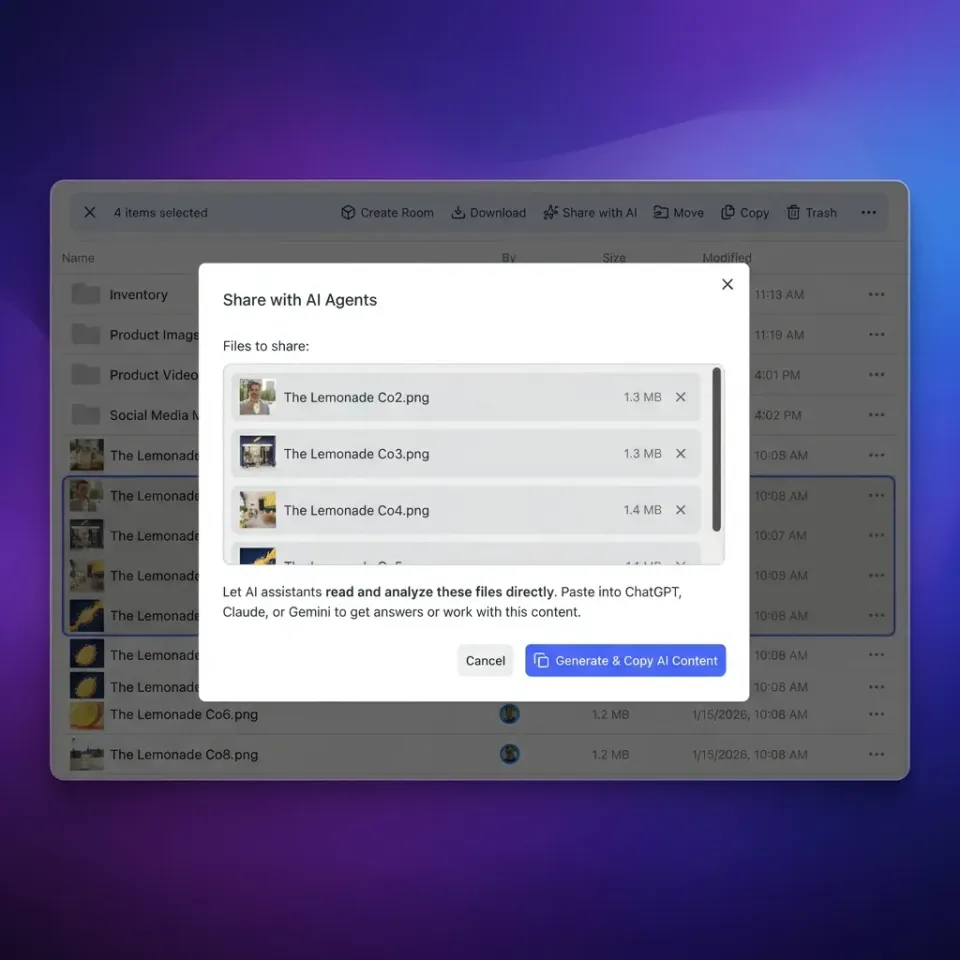
What is an MCP Server?
An MCP server implements the Model Context Protocol, allowing AI agents to call tools via Streamable HTTP or SSE transports. Fastio's MCP server at https://mcp.fast.io/mcp/tools exposes multiple tools for file management, AI chat, and collaboration.
PHP MCP servers extend this to legacy systems, like ERP or CRM databases. Agents POST JSON payloads to /mcp, the server routes to handlers, and returns results.
Key components:
- Session management: Durable state for auth tokens.
- Tool routing: Dispatch based on action.
- Async processing: Laravel queues for long tasks.
No Composer packages exist yet, so we build from scratch.
Helpful references: Fastio Workspaces, Fastio Collaboration, and Fastio AI.
Related guides
- How to Build an MCP Server in GoGo is a strong fit for MCP servers thanks to its compiled performance, lightweight goroutines, and simple deployment as...
- How to Build an MCP Server with FastAPI and PythonGuide to mcp server fastapi python: You can use FastAPI to turn Python code into standardized tools for AI agents like...
- How to Build an MCP Server with Java Spring BootBuilding an MCP server with Java Spring Boot lets you use the Model Context Protocol within the Spring ecosystem....
- MCP Server Tutorial: Build a File Storage Server Step-by-StepBuilding an MCP server gives AI assistants like Claude and Cursor access to your files and tools. This tutorial walks...
- How to Build MCP Servers with Python: Best PracticesThe Model Context Protocol (MCP) gives AI agents a standard way to connect to external data and tools. This guide walks...
- How to Build an MCP Server for AWS CognitoBuilding an MCP server for AWS Cognito allows AI agents to securely manage user identities, handle sign-ups, and verify...
More on this subject: MCP and Model Context Protocol (244 guides)
Why PHP and Laravel for MCP Servers?
PHP runs 72.0% of websites. Laravel adds queues, validation, and middleware for secure routing.
Benefits:
- Queues: Handle agent tasks asynchronously.
- Validation: Laravel rules for MCP payloads.
- Deployment: Easy on Apache/Nginx with Supervisor for queues.
Laravel queues process jobs reliably, perfect for agent workflows like file processing.

PHP Market Share
PHP's dominance ensures compatibility with existing infra.
Project Setup
Install Laravel:
composer create-project laravel/laravel mcp-server-php
cd mcp-server-php
Add queue driver (Redis recommended):
composer require predis/predis
Configure .env:
QUEUE_CONNECTION=redis
MCP_SESSION_SECRET=your-secret-key
Create MCP controller:
php artisan make:controller McpController
php artisan make:job ProcessAgentTask
Implementing the MCP Router
Define /mcp route in routes/api.php:
Route::post('/mcp', [McpController::class, 'handle']);
In McpController:
public function handle(Request $request)
{
  $payload = $request->validate([
    'jsonrpc' => 'required|string',
    'method' => 'required|string',
    'params' => 'array',
    'id' => 'string',
  ]);

$sessionId = $request->header('Mcp-Session-Id');

// Route to handler
  $response = $this->routeMethod($payload['method'], $payload['params'], $sessionId);

return response()->json($response);
}
Implement routeMethod to dispatch actions like 'auth/signin', 'storage/list'.
Use session storage for auth tokens.


Give Your AI Agents Persistent Storage
Fastio provides hosted MCP with a consolidated MCP toolset, generous storage for agents, and built-in RAG. Built for mcp server php workflows.
Laravel Queues for Agent Tasks
Offload heavy work to queues.
In controller:
ProcessAgentTask::dispatch($taskData)->onQueue('mcp');
return ['status' => 'queued', 'job_id' => $uuid];
ProcessAgentTask job:
public function handle()
{
  // Process task, e.g. query legacy DB
  $result = $this->legacySystem->process($this->data);
  // Store result in session or DB
}
Run queues:
php artisan queue:work --queue=mcp
Supervisor for production.
Validation and Security
Laravel validators for MCP payloads.
Example for auth/signin:
'method' => 'required|in:auth/signin',
'params.email' => 'required|email',
'params.password' => 'required|min:8',
Middleware for rate limiting:
RateLimiter::for('mcp', function (Request $request) {
  return Limit::perMinute(60)->by($request->header('Mcp-Session-Id'));
});
Encrypt sessions, validate origins.
Document access rules, audit trails, and retention policies before rollout so staging results are repeatable in production. This avoids late surprises and helps teams debug issues with confidence.
Deployment and Testing
Deploy to Forge/Vapor or VPS.
Nginx config for /mcp:
location /mcp {
  proxy_pass http://localhost:8000;
  proxy_set_header Mcp-Session-Id $http_mcp_session_id;
}
Test with curl:
curl -X POST http://your-server/mcp \\
  -H "Content-Type: application/json" \\
  -H "Mcp-Session-Id: test-session" \\
  -d '{"jsonrpc":"2.0","method":"auth/signin","params":{"email":"test@example.com","password":"pass"},"id":"1"}'
Sources
Frequently Asked Questions
What is a PHP MCP router?
The MCP router in PHP handles incoming JSON-RPC requests at /mcp, parses method/params, validates, and dispatches to handlers or queues. Laravel routes make it simple.
How does Laravel MCP validation work?
Use Laravel's FormRequest classes for payload validation. Define rules for method, params, and session. Reject invalid requests with validation errors.
Can I use Redis with Laravel queues for MCP?
Yes, Redis is recommended for MCP queues. It handles job serialization, retries, and durability for agent tasks.
Is there a Composer package for MCP in PHP?
No official packages yet. This guide provides full boilerplate to implement from scratch.
How to secure an MCP server?
Use rate limiting, session encryption, validate origins, HTTPS only, and API keys for production.
Related Resources

Give Your AI Agents Persistent Storage
Fastio provides hosted MCP with a consolidated MCP toolset, generous storage for agents, and built-in RAG. Built for mcp server php workflows.