How to Choose the Best MCP Servers for Sales Teams
Sales teams today juggle an average of 10 different tools to close deals, creating data silos that slow down outreach. MCP servers bridge this gap by letting AI agents securely access your CRM, email, and files to automate workflows. This guide covers the top MCP servers that unify your sales stack for better efficiency.

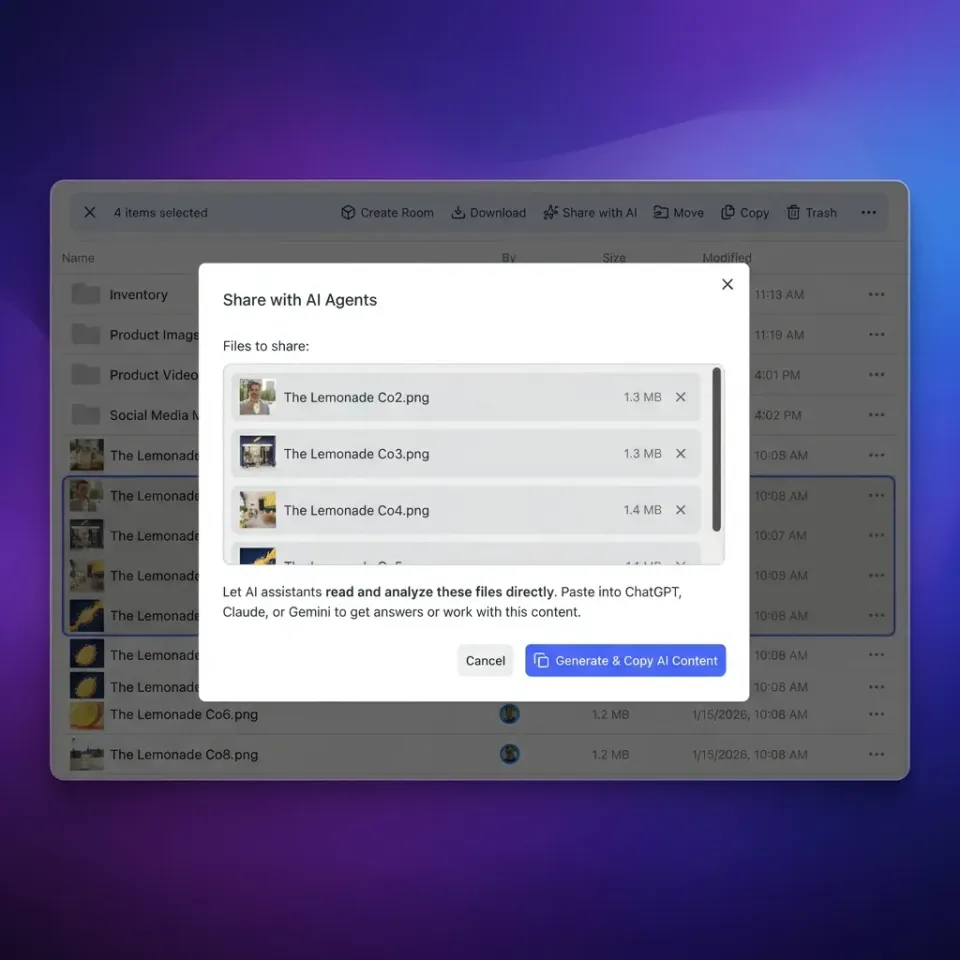
What Are MCP Servers for Sales?
MCP servers connect sales agents to CRMs and files for automated outreach. They act as the standardized bridge between your AI models (like Claude or GPT models) and your business data. Without an MCP (Model Context Protocol) server, your AI agent is just a chatbot, it can write an email, but it can't check your inventory, look up a lead in Salesforce, or save a contract to your shared drive. With an MCP server, that same agent becomes a functional employee that can read, write, and take action across your entire tech stack. For sales specifically, this means agents can autonomously:
- Enrich leads by pulling data from ZoomInfo or Lusha.
- Update deal stages in HubSpot or Salesforce after a call.
- Draft and send contracts by accessing legal templates in file storage.
- Answer technical questions by searching through product documentation. The result is a sales process with less administrative friction, allowing humans to focus on negotiation and relationship building. Sales representatives can spend less time on data entry and more time talking to prospects.
Helpful references: Fastio Workspaces, Fastio Collaboration, and Fastio AI.
Related guides
- How to Choose the Best Serverless MCP Servers for Effortless DeploymentRunning your own Model Context Protocol (MCP) servers gives your AI agents custom capabilities, but managing...
- Best MCP Servers for Automation in 2026MCP servers for automation let AI agents trigger workflows, schedule tasks, and coordinate actions across external...
- How to Automate Social Media with MCP ServersSocial media MCP servers connect AI agents to X, LinkedIn, and Instagram. Agents used to just write text. Now they read...
- Top MCP Servers for E-commerce Operations: Automate Your StoreE-commerce MCP servers let AI agents handle tasks like inventory management and order processing automatically....
- Best MCP Servers for CRM Integration: Salesforce, HubSpot & ZendeskCRM MCP servers let AI agents access and update customer records without complex API integration. This guide compares...
- How to Implement Collaborative MCP Server Management for DevOps TeamsCollaborative MCP management brings DevOps principles to AI agent infrastructure. As teams move from local scripts to...
More on this subject: MCP and Model Context Protocol (238 guides)
Why Sales Teams Need Dedicated MCP Infrastructure
The modern sales stack is fragmented. According to Glyphic AI, sales teams typically use an average of 10 tools to facilitate closing deals. This fragmentation forces reps to spend hours manually copying data between their inbox, CRM, prospecting tools, and internal drives.
MCP servers solve this by giving AI agents a unified interface to interact with all these tools. Instead of building a custom integration for every single app, you install an MCP server that exposes the tool's capabilities to your agent.
However, connecting an agent to your live sales data carries risk. You cannot give an LLM full admin access to your CRM. This is where dedicated MCP infrastructure becomes critical. You need a layer that handles:
- Authentication: Ensuring the agent logs in with restricted permissions, not as a super-admin.
- Rate Limiting: Preventing an agent from burning through your API quotas by checking multiple leads in a minute.
- Context Management: ensuring the agent only sees relevant data, not the entire company database.
- Audit Logs: Tracking exactly what data the agent accessed and what changes it made.
The right MCP setup turns a chaotic collection of APIs into a secure, managed workspace for your digital workforce.


Give Your Sales Agents a Brain
Stop letting your agents hallucinate. Give them secure access to your sales decks, contracts, and pricing sheets with Fastio's MCP server. Built for mcp servers sales teams workflows.
Top 5 MCP Servers for Sales Teams
To build a fully automated sales workflow, you need a mix of servers that handle data, communication, and storage. Here are the essential MCP servers to consider for a complete sales agent stack.
1. HubSpot / Salesforce MCP Server
Best for: Core CRM Management
The foundation of any sales agent is the CRM connector. Official and community-built MCP servers for HubSpot and Salesforce allow agents to perform CRUD (Create, Read, Update, Delete) operations on records. These servers essentially turn your CRM into a database that your agent can query naturally.
- Key Capability: "Find all leads in 'Negotiation' stage inactive for 14 days and draft a follow-up."
- Why you need it: It eliminates manual data entry and keeps your pipeline pristine.
- Pros: Direct access to the source of truth; enables complex logic based on deal value or stage.
- Cons: Requires careful permission scoping to prevent accidental data deletion; can be slow with large datasets.
2. Fastio MCP Server
Best for: File Storage, Search, and RAG
Sales isn't just rows in a database; it's also PDFs, slide decks, contracts, and case studies. Fastio provides a dedicated MCP server that gives agents secure access to your file system. Unlike standard cloud storage, Fastio is built for agents.
- Intelligence Mode: Fastio automatically indexes uploaded files once Intelligence is enabled for the workspace. Your agent can perform semantic searches across documents without needing a separate vector database.
- Tool Set: Includes tools for listing files, reading content, searching by meaning, and even collecting files from clients via public portals.
- Pros: Native RAG support; handles large files (up to 100 GB per file on the Enterprise plan); zero-config indexing.
- Cons: Primarily for file-based data, not structured database rows (use the CRM server for that).
3. Smartlead / Outreach MCP Server
Best for: Cold Email Automation
For top-of-funnel activity, agents need to control your outreach sequences. These servers allow agents to add prospects to campaigns, pause sequences based on replies, and analyze sentiment. This moves beyond simple "mail merge" to intelligent, reactive campaigning.
- Key Capability: "If the prospect asks for a case study, pause the sequence, find the relevant PDF in Fastio, and email it to them."
- Why it matters: It prevents embarrassing automated follow-ups after a prospect has already replied or booked a meeting.
- Pros: High-volume handling; detailed analytics access.
- Cons: Managing email deliverability and warming domains is still a manual setup task.
4. Slack MCP Server
Best for: Internal Alerts and Deal Rooms
Sales is a team sport. The Slack MCP server allows your agent to notify the team when big deals move, ask engineers technical questions in channel, or summarize daily activity. It bridges the gap between the silent work of the agent and the human team.
- Key Capability: "Post a summary of the 'Acme Corp' call to the #sales-wins channel and tag the solutions engineer."
- Workflow: Agents can monitor channels for questions they can answer, or push notifications when they complete a task.
- Pros: Real-time visibility; keeps the team in the loop.
- Cons: Can become noisy if not configured with strict thresholds for notifications.
5. Brave Search / Google Search MCP Server
Best for: Prospect Research
Before a call, a good rep researches the prospect. An agent with a search MCP server can visit the prospect's company news page, read their latest press releases, and generate a briefing document. This turns a generic pitch into a tailored solution.
- Key Capability: "Find recent news about 'TechCorp' and summarize potential pain points related to compliance."
- Impact: Reduces pre-call prep time from minutes to seconds.
- Pros: Access to live web data; important for personalization.
- Cons: Search results can be inconsistent; requires filtering for relevance.
The Missing Link: Security and Quota Management
Most teams overlook the operational side of running agents. When you connect an agent to your CRM, you are effectively giving an automated user a seat.
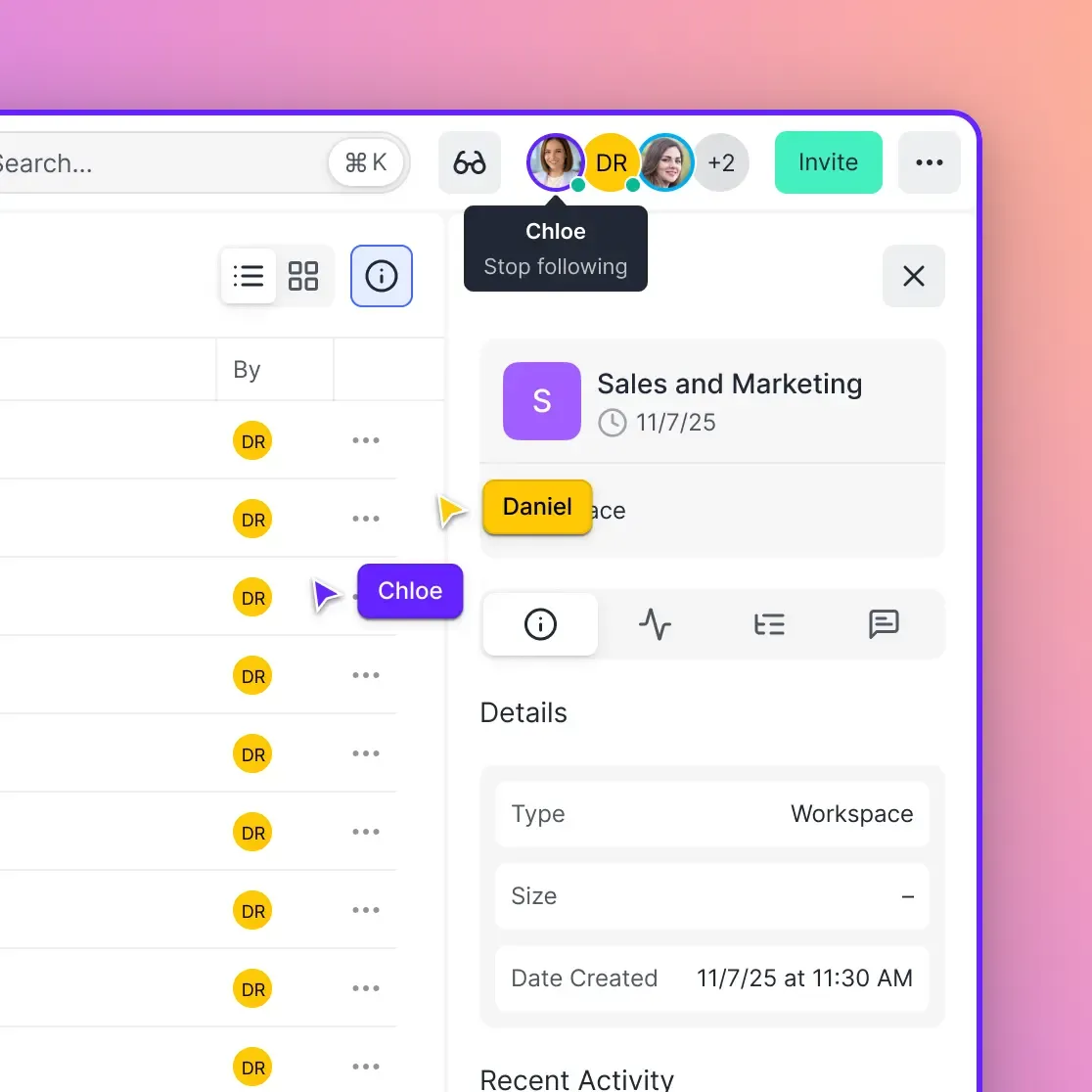
Security is paramount. A general-purpose LLM can hallucinate or be tricked. You need an MCP gateway that enforces "least privilege." For example, the agent should have permission to read all deals but only update deals owned by its assigned human rep. Fastio's workspace model supports this by allowing you to create specific workspaces for agents with limited file access.
Quota Management is the other silent killer. API calls cost money and have limits. If your agent decides to "check every contact" every 5 minutes, you will hit your Salesforce API limit by noon. Your MCP infrastructure needs to support caching and rate limiting. Fastio handles this for file operations by caching reads and using efficient search indexes, reducing the need to raw-read thousands of files.
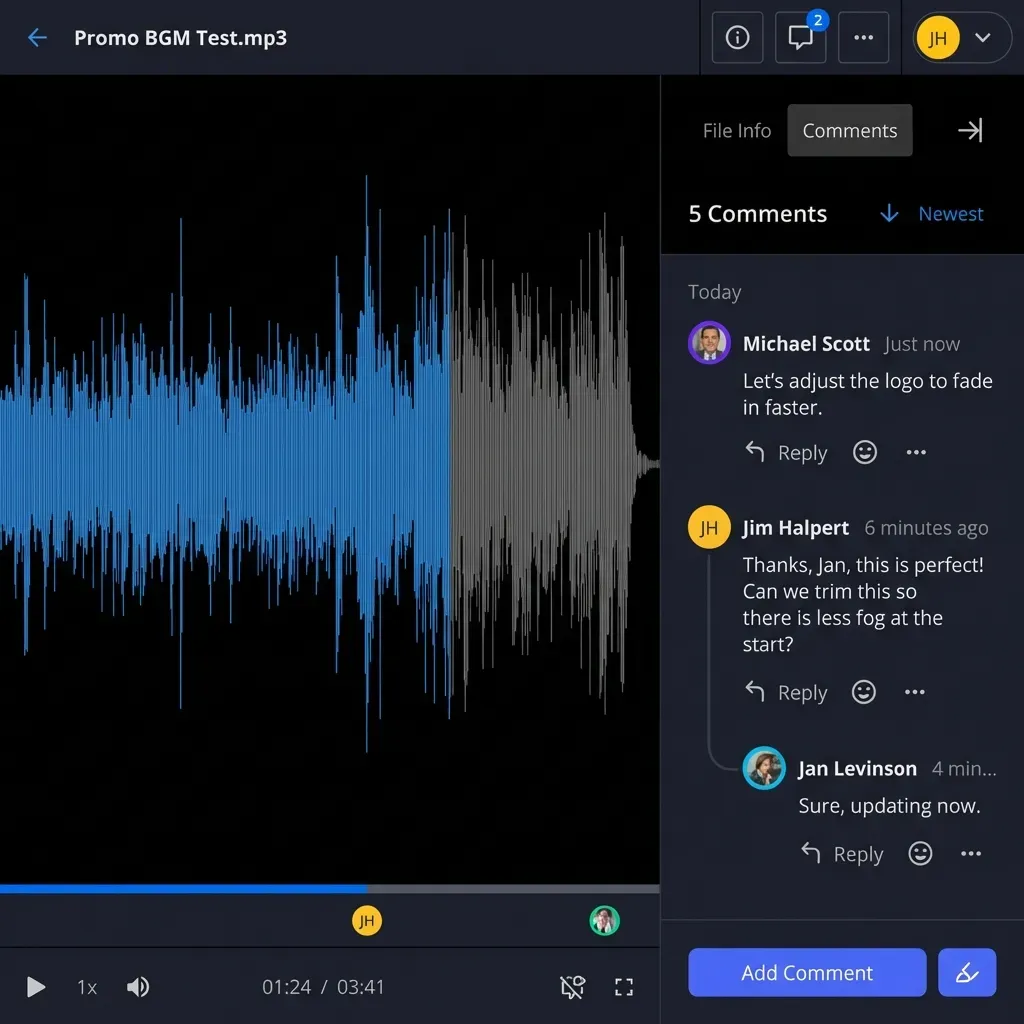
Human Review Controls: For sensitive actions, like sending a contract or deleting a deal, keep the final action inside the CRM's own permission controls. The agent can prepare a draft while a human verifies it in the source system. Fastio's version history and activity log keep the supporting files and a record of changes.
How to Set Up Your First Sales Agent
Ready to deploy? Here is a simple path to getting your first sales agent running with MCP.
Step 1: Choose Your Host Pick a client that supports MCP, such as Claude Desktop, Cursor, or a custom MCP client. Claude Desktop is excellent for individual testing, while a managed client deployment is better for team-wide use.
Step 2: Connect Core Servers
Start with Fastio's hosted MCP server for memory and knowledge. In Claude Desktop, open Customize, then Connectors, and add https://mcp.fast.io/mcp/tools as a custom connector. In a client configured with JSON, add the address to its remote-server configuration (coding agents such as Cursor use https://mcp.fast.io/mcp/code) and sign in to Fastio in the browser when prompted:
{
  "mcpServers": {
    "fastio": {
      "url": "https://mcp.fast.io/mcp/tools"
    }
  }
}
This gives your agent long-term memory and access to your sales collateral without installing or running a local Fastio package.
Step 3: Connect Your CRM Add the HubSpot or Salesforce MCP server. Be sure to generate an API key with scoped permissions (e.g., "deals.read", "contacts.write") rather than full admin rights. Test the connection by asking the agent to "count the number of open deals" to verify read access.
Step 4: Define the Workflow Don't just say "do sales." Give a specific prompt: "Check the 'New Leads' folder in Fastio every morning at 8 AM. For each CSV found, parse the contacts and check if they exist in HubSpot. If not, create them." Being specific about triggers and actions prevents the agent from getting stuck.
Step 5: Monitor and Iterate Watch the audit logs. See where the agent gets stuck or where it uses too many tokens. Refine the tools and prompts until the process is smooth. If the agent struggles to find files, ensure your Fastio workspace is organized with clear naming conventions.
Sources
References used to verify factual claims in this guide.
-
Sales teams typically utilize an average of 10 tools to facilitate closing deals.
Frequently Asked Questions
What is the best MCP server for sales teams?
The best setup is a combination of specialized servers: HubSpot or Salesforce for CRM data, Fastio for file storage and knowledge retrieval, and a separate communication service. No single server does everything, so a modular approach works best.
How do MCP servers improve CRM adoption?
MCP servers allow agents to handle the manual data entry that reps hate. By automating the logging of calls, emails, and notes, the CRM stays up-to-date without the rep having to spend hours on admin work.
Is Fastio free for sales agents?
Creating a user account is free, but real work needs an organization on a paid subscription. Monthly plans start with a trial of up to 14 days (credit card required); annual plans have no trial. Plans are Starter at $9.99/mo, Business at $49.99/mo, and Enterprise at $199.99/mo.
Can sales agents close deals autonomously?
Not typically. Agents are best at lead enrichment, initial outreach, and follow-up. Closing usually requires human empathy and negotiation. Think of agents as SDRs (Sales Development Reps), not AEs (Account Executives).
Do I need coding skills to use MCP servers?
Not necessarily. Using clients like Claude Desktop requires simple configuration (editing a JSON file), but no complex programming. However, building custom workflows or servers does require developer skills.
Related Resources

Give Your Sales Agents a Brain
Stop letting your agents hallucinate. Give them secure access to your sales decks, contracts, and pricing sheets with Fastio's MCP server. Built for mcp servers sales teams workflows.