How to Integrate Fastio MCP With MetaGPT
Integrating Fastio MCP with MetaGPT gives your multi-agent teams persistent, shared file workspaces. They can store and access code, requirements, and design documents together. This guide shows you how to set up the Fastio Model Context Protocol (MCP) server in your MetaGPT environment. Your specialized agents will connect to a central enterprise file system instead of saving files on a local drive. You will learn how to move from local file writing to cloud workspaces.

Why Integrate Fastio MCP With MetaGPT?
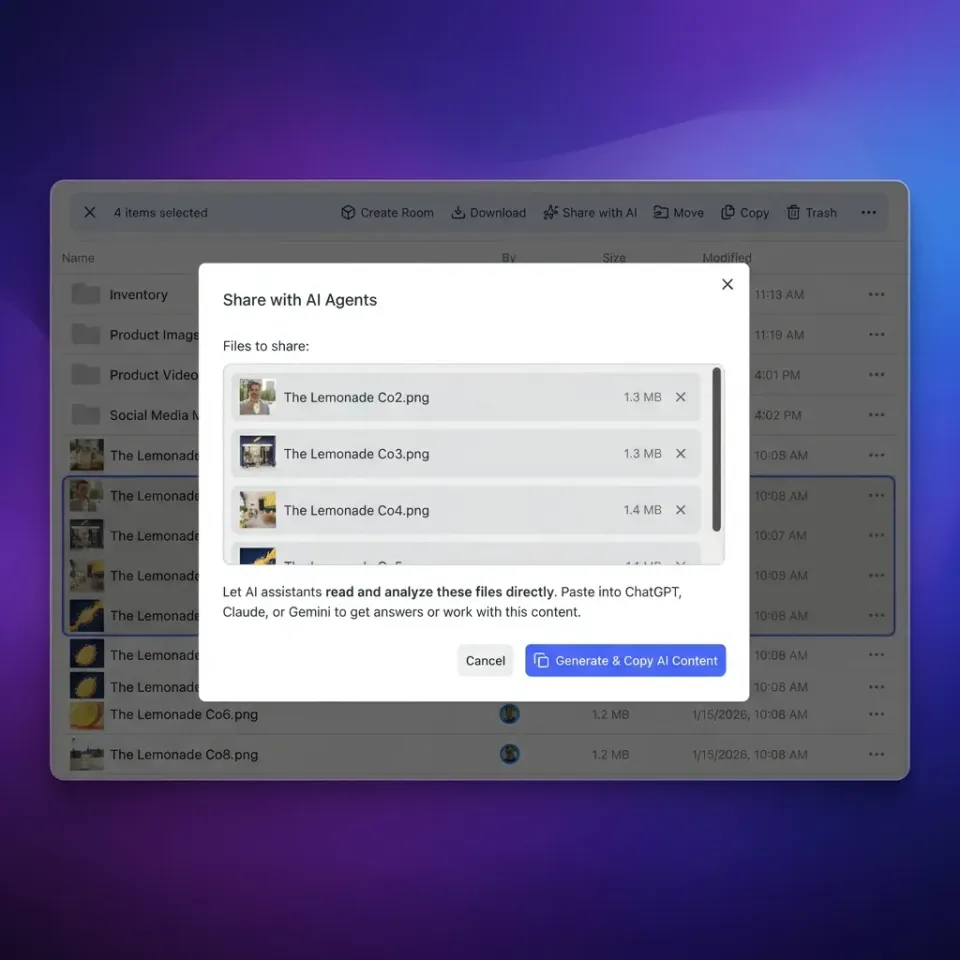
Multi-agent frameworks need shared storage to keep context during long development cycles. MetaGPT simulates a software company with specialized agents like architects, engineers, and product managers. These agents generate code, sequence diagrams, and product requirement documents. Without a shared workspace, these files sit in local folders. This makes it hard for humans to review work or for agents to keep context across sessions.
Integrating Fastio MCP with MetaGPT solves this problem. The Model Context Protocol (MCP) connects MetaGPT agents to enterprise file systems. Fastio acts as a smart workspace instead of just a basic drive. The platform indexes files once Intelligence is enabled for the workspace, making them searchable and queryable through chat. Human developers and automated agents work in the exact same workspaces. While humans use the visual interface, agents rely on a consolidated MCP toolset provided by Fastio to read, write, and organize project files.
Helpful references: Fastio Workspaces, Fastio Collaboration, and Fastio AI.
Related guides
- How to Connect Fastio MCP with Griptape AI AgentsConnecting Fastio's Model Context Protocol (MCP) server with the Griptape framework gives enterprise AI agents secure,...
- GPT Actions vs MCP: Which Integration Approach to Use?Choosing between GPT Actions and the Model Context Protocol (MCP) comes down to one question: do you want to build for...
- Best MCP Servers for Search: Connecting AI Agents to Real-Time DataSearch MCP servers connect AI agents to real-time web data, which cuts down on hallucinations and helps agents retrieve...
- Top MCP Workspaces for AgentsMCP workspaces enable agents to access shared tools and files via the Model Context Protocol. This guide reviews the...
- How to Implement Collaborative MCP Server Management for DevOps TeamsCollaborative MCP management brings DevOps principles to AI agent infrastructure. As teams move from local scripts to...
- How to Use an MCP Server for Figma Design-to-Code WorkflowsAn MCP server for Figma gives AI coding agents direct access to design files, component metadata, and layout context....
More on this subject: MCP and Model Context Protocol (238 guides)
The Evolution of MetaGPT and Agent Collaboration
Looking at how multi-agent frameworks started helps explain why the Model Context Protocol matters. Early language models worked alone. Human operators had to copy their outputs and paste them into the next tool. MetaGPT changed this by adding specialized agents that follow Standard Operating Procedures (SOPs). According to the MetaGPT repository, the framework can take a single-line requirement and generate a complete software solution. It has earned widespread adoption, as MetaGPT has garnered over 64,400 stars on GitHub.
Even with this progress, early MetaGPT setups struggled with saving files. Agents wrote their work directly to a local hard drive. This made team collaboration hard without a human stepping in to move files. Adding the Fastio MCP integration changes these agents from local scripts into software developers capable of working with cloud-based files. They can now read documents, edit code, and audit changes across the team.
The Challenge of Local Storage in Multi-Agent Systems
When you run MetaGPT on a developer machine, agents save outputs straight to your hard drive. This works for quick tests but fails in production. Managing the files these agents create turns into a mess fast.
You might need to move a project to a new server or share it with a client. You might also want a QA agent to check the code later. With local drives, you have to move these files by hand. Local folders lack version control, access logs, and protections against simultaneous edits. Fastio adds advisory file locks and version history for multi-agent setups. An engineer agent can acquire a file lock before writing, heartbeat it while working, and release it when done. If a reviewer agent tries to lock the same file, it gets an HTTP 409 and can wait or read, while version history preserves every write. The 14-day Fastio Business Trial (credit card required) provides a great starting point for scaling your multi-agent teams; see /pricing/.
How Fastio Connects With MetaGPT Workflows
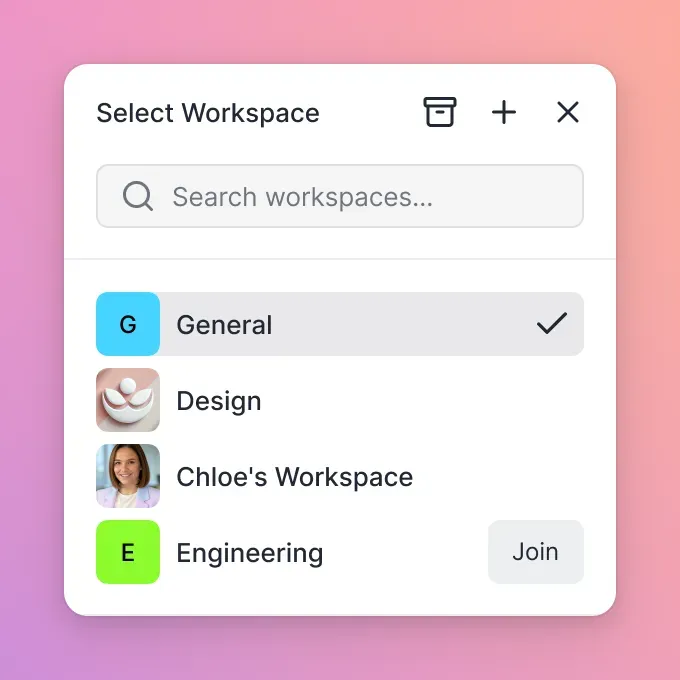
Fastio includes an MCP server that exposes a consolidated MCP toolset via Streamable HTTP. Any action available in the Fastio visual interface has a matching agent tool available over MCP. When MetaGPT agents need to share files, they call the Fastio MCP server. This lets them upload code, download requirements, and run semantic searches across workspaces.
This integration supports ownership transfer. A MetaGPT product manager agent can create an organization, build workspaces, and generate a software project. It can then transfer ownership of that workspace directly to a human client. The agent keeps administrative access to push updates or fix bugs. With URL Import capabilities, your agents can also pull files from Google Drive, OneDrive, Box, and Dropbox via OAuth. A requirement gathering agent can read a specification document from a client's Google Drive without any local file operations. It can then pass those specifications directly to the development agent.


Give Your AI Agents Persistent Storage
Connect MetaGPT to the Fastio remote MCP server today. Access persistent cloud storage, granular permissions, and a consolidated MCP toolset for your agent workflows.
Connect to the Fastio MCP Server
To give your MetaGPT agents cloud file access, you connect to the remote Fastio MCP server at https://mcp.fast.io/mcp/tools (Streamable HTTP). Clients connect with a URL; nobody needs to install, run, or containerize the server locally.
Start by generating an API key from your Fastio developer dashboard. You need this key to authenticate your connection. Add your Fastio credentials to your MetaGPT environment variables and send the key as an Authorization: Bearer header on the connection. This method authenticates your agents without risking hardcoded tokens in their system prompts. After authentication, the MCP server connects to Fastio's backend to maintain session context during agent operations.
Update Your MetaGPT Configuration
Next, register the new MCP server in your MetaGPT configuration files. MetaGPT uses Standard Operating Procedures (SOPs). The framework lets you define custom tools for these SOPs to use. Add the Fastio MCP tool endpoints to your agent tool registry.
You need to pick a connection protocol during setup. Use Streamable HTTP, the transport Fastio's current addresses serve. For most MetaGPT deployments, it provides a stable, long-lived connection. This works well for continuous multi-agent collaboration and streaming responses. Set the server URL and add the headers with your API key. Once registered, your agents will discover the file management tools and know how to call them.
Modify Agent SOPs for Workspace Storage
With the consolidated MCP toolset registered, update your MetaGPT agent instructions to use Fastio instead of local file writing. When the Product Manager agent writes a Product Requirements Document (PRD), instruct it to use MCP file write tools to save the document in a Fastio workspace.
When the Engineer agent writes application code, its SOP should tell it to query the workspace for the PRD. The agent reads the requirements and saves its source files to the shared folder. Fastio includes built-in Retrieval Augmented Generation (RAG) once Intelligence is enabled for the workspace. A QA agent can ask the workspace, 'Does the generated code meet the security requirements defined in the PRD?' It gets an answer with exact citations, removing the need to download and read the whole document.

Troubleshooting Common MCP Integration Issues
The Model Context Protocol makes tool integration easier, but you might run into sync issues when connecting MetaGPT to cloud workspaces. The most common error is a bad API header. This stops MetaGPT agents from authenticating with Fastio endpoints. Check that your API keys are valid and formatted correctly in your environment variables.
Rate limiting is another common issue. If an automated script or a MetaGPT agent sends hundreds of file queries in a second, the MCP server might throttle the requests. Adding exponential backoff to your agent's error-handling logic fixes this. If an agent complains about missing context, make sure the workspace folder exists. Also check that the specific agent has permission to read those files.
Comparing Fastio to Legacy Storage Solutions for Agents
File storage solutions like Amazon S3 or Google Drive were built for humans or hardcoded scripts. They were not made for AI agents. When a MetaGPT agent tries to read an S3 bucket, it needs SDK configurations and boilerplate code just to list a directory.
Fastio is built for agentic workflows. It provides a dedicated MCP server, reducing the integration work. Fastio's Intelligence Mode indexes uploaded files right away. This removes the need to run a separate vector database. When a QA agent needs to run a semantic search on the codebase, it queries Fastio directly. This approach makes Fastio a better fit than standard storage for multi-agent systems.
Evidence and Benchmarks: The Value of Persistent Context
Deploying a cloud workspace changes how multi-agent systems scale. By moving file management to Fastio, MetaGPT agents use fewer local compute resources. They also avoid filling up their context windows. Instead of sending long documents back and forth in prompts, agents can pass Fastio file references.
This architecture helps you scale. Fastio workspaces support large files, datasets, and multimedia assets. Agents can manage large repositories and data files that might crash local operations. Real-time activity feeds and WebSocket events also help coordinate workflows. When the engineer agent finishes writing a file, the activity feed alerts the QA agent to review it without requiring manual checks.
Best Practices for MetaGPT and Fastio
To get the most from your Fastio MCP integration with MetaGPT, follow a few best practices. First, set up a clear folder structure in your cloud workspaces. Make separate folders for requirements, source code, tests, and deployment scripts. Second, use Fastio's permission system. Give the architect agent full read/write access to the project. Restrict the testing agent to read-only access for source code, and give it write access only for the test results folder.
Fastio supports both humans and AI agents. While MetaGPT agents generate the software architecture, human team members can log into the Fastio interface. They can review files, leave comments, and upload reference documents. The agents will see and index these new files right away. Sharing the same workspace makes multi-agent systems work better for production projects.
Sources
References used to verify factual claims in this guide.
-
MetaGPT has garnered over 64,400 stars on GitHub
Frequently Asked Questions
How do MetaGPT agents share files?
MetaGPT agents often share files by writing to a local folder. For production setups, connecting to external storage via MCP works better. Fastio MCP lets MetaGPT agents share files in cloud workspaces that include advisory file locks, automatic file version history, granular permissions, and audit logs.
Can I use Fastio MCP with MetaGPT?
Yes, you can connect MetaGPT to Fastio MCP. Configure the remote endpoint URL (https://mcp.fast.io/mcp/tools) and your API key in your agent environment. This setup gives your agents read and write access across Fastio workspaces.
Does Fastio support large files generated by AI?
Yes, Fastio supports large file storage and streaming across its plans. This works well for storing large datasets, architectural diagrams, and legacy codebases analyzed by MetaGPT agents.
How do I secure files shared by MetaGPT agents?
You can secure files shared by MetaGPT agents using Fastio's access controls. You can restrict read and write permissions on workspaces and use audit logs to track which agent accessed or changed a file.
Do I need a separate vector database when using Fastio?
No, you do not need a separate vector database. Fastio indexes files for semantic search and built-in RAG once Intelligence is enabled for the workspace. This lets your MetaGPT agents run semantic searches and built-in RAG queries directly against the workspace.
Related Resources

Give Your AI Agents Persistent Storage
Connect MetaGPT to the Fastio remote MCP server today. Access persistent cloud storage, granular permissions, and a consolidated MCP toolset for your agent workflows.