7 Best MCP Servers for 3D Artists (2026)
3D artists pick MCP servers that handle large EXR sequences, Houdini .hip files, Maya .mb scenes, and AI tools for teamwork. These servers let agents access assets, run renders, and support human-AI collaboration on large projects. Fastio provides hosted workspaces with a consolidated MCP toolset. Self-hosted options offer full control.

What Is an MCP Server?
MCP stands for Model Context Protocol. Servers use Streamable HTTP or SSE to give AI agents access to tools. For 3D artists, they handle big files like EXR sequences from renders, Houdini .hip and .hda files, Maya .mb and .ma scenes, OBJ models, and texture packs.
Agents read and write assets, start renders, or check scene metadata. No custom APIs needed. 3D workflows run faster when agents connect via MCP.
Define clear tool contracts and fallback behavior so agents fail safely when dependencies are unavailable. This improves reliability in production workflows.

Related guides
- Top 7 Open Source MCP Servers for AI Agents in 2026Open source MCP servers give AI agents direct access to files, databases, and APIs without black-box proprietary...
- Best MCP Servers for LLM Workflows in 2026Model Context Protocol servers give LLMs standardized access to tools, data, and services. With over 10,000 public...
- Best MCP Servers for Search: Connecting AI Agents to Real-Time DataSearch MCP servers connect AI agents to real-time web data, which cuts down on hallucinations and helps agents retrieve...
- 8 Best MCP Servers for Video Processing in 2026MCP servers for video processing let AI agents transcode, analyze, edit, and stream video through Model Context...
- 8 Best MCP Servers for Document Management in 2026MCP servers for document management give AI agents structured access to document repositories with capabilities like...
- Best MCP Servers for File Storage: Top 8 Tools for 2026MCP (Model Context Protocol) servers for file storage give AI agents persistent, structured access to cloud storage...
More on this subject: MCP and Model Context Protocol (244 guides)
Why 3D Artists Use MCP Servers
3D projects involve huge files. A single Houdini simulation produces gigabytes of EXR frames. Maya scenes packed with textures can reach several gigabytes. Standard storage struggles with sequences. MCP servers connect to reliable storage so agents can access files.
Agents handle routine tasks: checking assets, creating LODs, baking textures. Human and agent teams rely on shared workspaces. Most lists ignore EXR support and CAD previews. MCP servers cover those needs.
Define clear tool contracts and fallback behavior so agents fail safely when dependencies are unavailable. This improves reliability in production workflows.
3D-Specific Challenges
EXR sequences: high-res 4K frames at 32-bit floating-point precision. Houdini: Procedural .hip files reference external geometry caches. Maya: Binary .mb files embed heavy node graphs. Browser previews needed for GLTF and USD files.
How We Evaluated MCP Servers
We evaluated MCP servers using these criteria for 3D workflows:
Core 3D Support:
- Large file handling (gigabyte .hip/.ma scenes)
- Sequence storage for EXR, alembic, USD
- Previews for glTF, USD, texture atlases
Agent Capabilities:
- Number of MCP tools (file ops, previews, RAG)
- Performance on asset-heavy pipelines
Practical Factors:
- Free tier generosity for indie artists
- Setup time (minutes vs hours)
- Scaling for studio teams
- Human-AI collab features like permissions, versioning, and transfers
We tested each with a Houdini fluid simulation with large EXR sequences, detailed Maya character scenes, and USD assemblies. We prioritized servers supporting folder sequences and browser previews without custom code.


Give Your AI Agents Persistent Storage
Fastio MCP offers 3D artists persistent workspaces, a consolidated toolset, EXR previews, and Houdini and Maya asset support.
MCP Servers Comparison Table
Fastio MCP Server
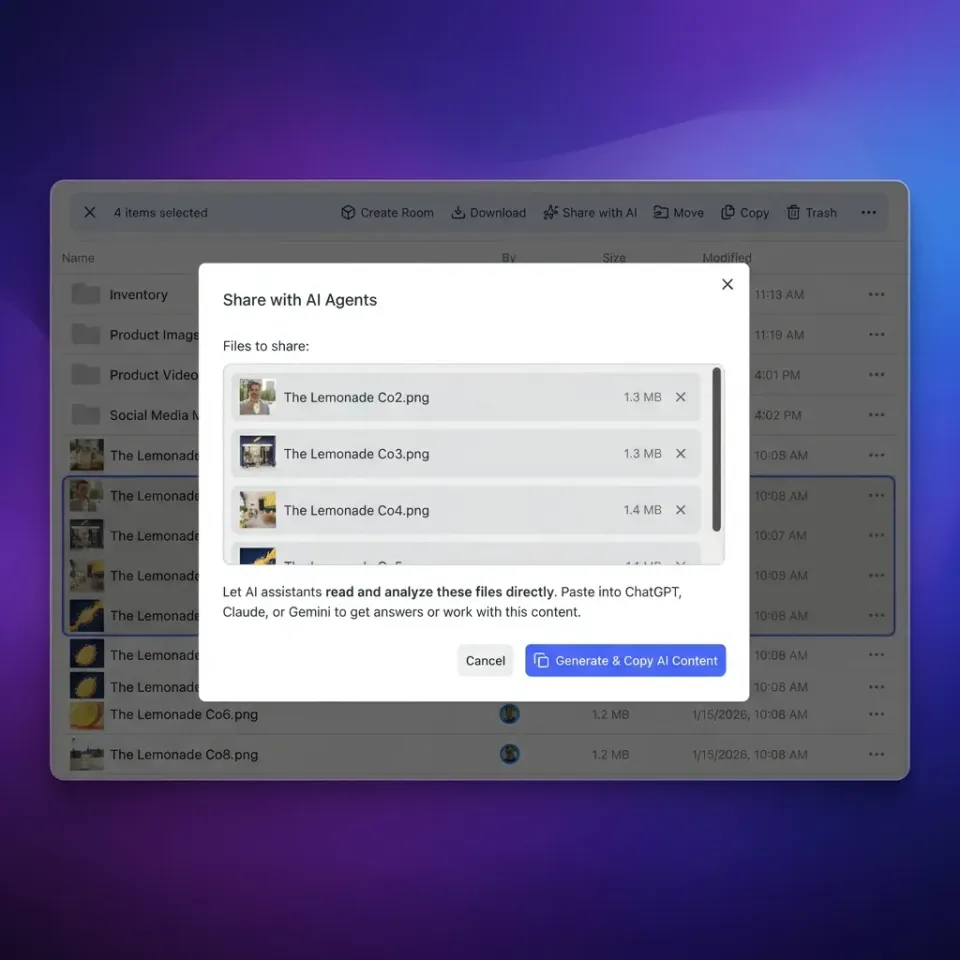
Fastio's remote MCP server combines persistent storage with a consolidated toolset over Streamable HTTP (see MCP docs). Agents access uploads, list directories, generate previews for EXR sequences, query RAG once Intelligence is enabled, and manage workspaces.
3D Workflow Example:
Upload a Maya scene folder, agent uses the storage tool (action=list) to inventory assets, storage preview URLs for textures, then ai_manage action=ask to summarize sim notes in .hip files.
To run that inventory step, point your MCP client at https://mcp.fast.io/mcp/tools (sign in to Fastio when prompted, or send an API key as a Bearer header from a headless agent) and call the storage tool with action=list and profile_type=workspace.
Strengths:
- Business Trial: 14-day Business Trial with workspace and media preview capabilities
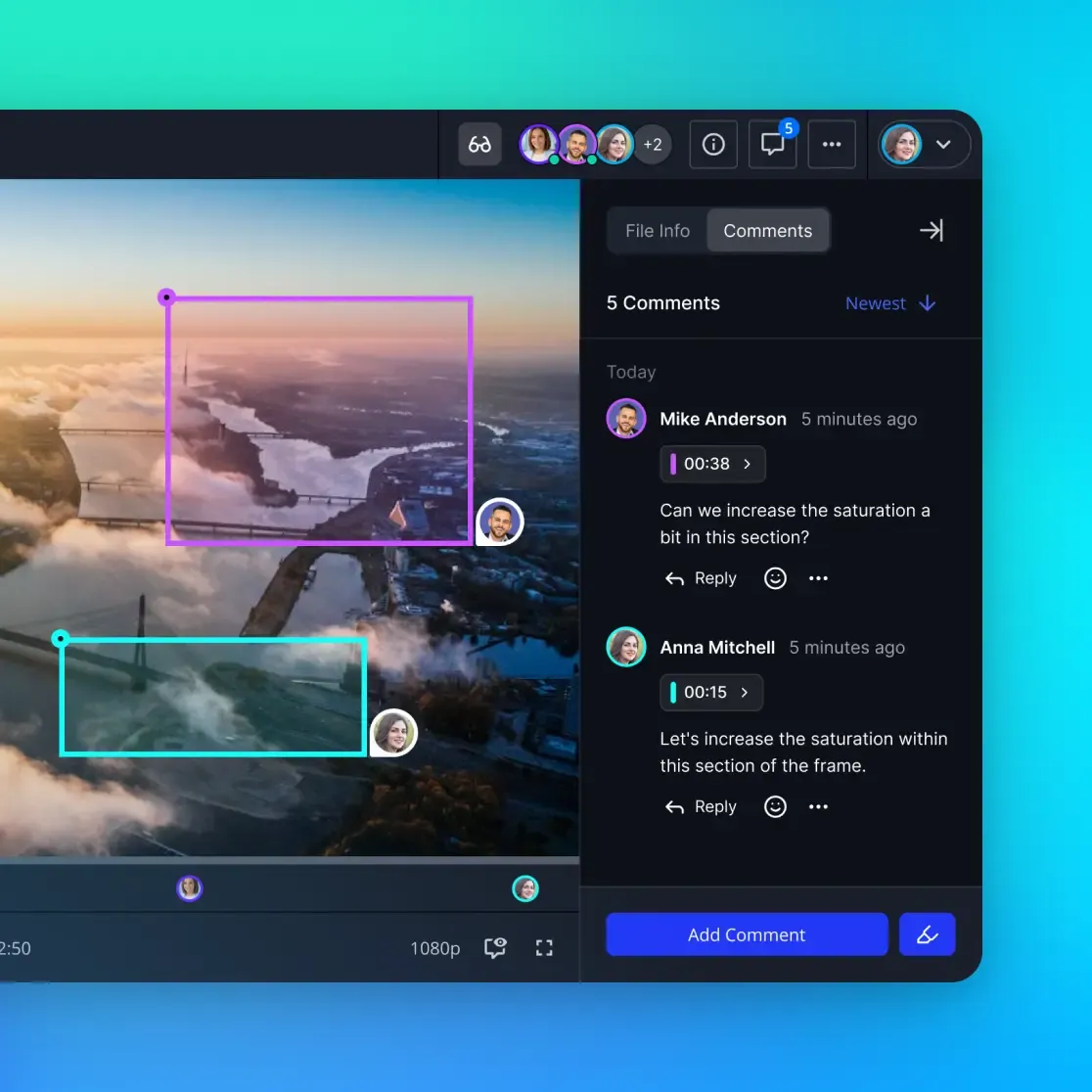
- Universal Previews: EXR stacks, USD assemblies, glTF models in browser
- Team Workspaces: Human-agent collab with advisory file locks, version history, notes, and presence
- Ownership Transfer: Agent builds pipeline, hands to artist
- Built-in RAG: Query 3D docs by meaning, with citations
Limitations:
- File size limits vary by plan tier
- AI features consume usage-based credits across plans
Best for: Houdini/Maya studios integrating AI for asset management, LOD gen, texture baking.
Pricing: 14-day Business Trial on monthly plans; Starter ($9.99/mo), Business ($49.99/mo), Enterprise ($199.99/mo). See pricing.
2. Golang MCP Server (Self-Hosted)
Open-source Golang implementation. Handles high-throughput asset transfers quickly.
Strengths:
- Low latency for large EXR transfers
- Custom tools for Houdini API
- Deploy anywhere
Limitations:
- Handle your own storage (S3 costs)
- No built-in previews or RAG
Best for: Performance-critical renders.
Pricing: Free (plus infra costs).
Define clear tool contracts and fallback behavior so agents fail safely when dependencies are unavailable. This improves reliability in production workflows.
3. Node.js MCP Server
JavaScript-based, simple for web developers. Works with npm 3D libraries.
Strengths:
- JS ecosystem for Maya scripts
- Quick to prototype
Limitations:
- Higher memory use for big files
- Harder to scale
Best for: JS-focused teams.
Pricing: Free OSS.
Define clear tool contracts and fallback behavior so agents fail safely when dependencies are unavailable. This improves reliability in production workflows.
4. Python MCP Server
Python version, matches Houdini's native language.
Strengths:
- Houdini .hip parsing libraries
- Pandas for metadata handling
Limitations:
- Slower than Golang
Best for: Houdini automation.
Pricing: Free.
Define clear tool contracts and fallback behavior so agents fail safely when dependencies are unavailable. This improves reliability in production workflows.
5. Dockerized MCP Server
Runs in containers for easy deployment.
Strengths:
- Portable across cloud providers
- Works with Kubernetes
Limitations:
- Extra overhead for single servers
Best for: Teams with their own infrastructure.
Pricing: Free.
Define clear tool contracts and fallback behavior so agents fail safely when dependencies are unavailable. This improves reliability in production workflows.
6. Cloudflare Workers MCP
Runs on the edge using Cloudflare serverless compute.
Strengths:
- Low latency worldwide for teams
- KV and D1 storage
Limitations:
- Possible 1MB payload limits
Best for: Distributed teams.
Pricing: Free tier available.
Define clear tool contracts and fallback behavior so agents fail safely when dependencies are unavailable. This improves reliability in production workflows.
7. Vercel Edge MCP Server
Serverless on Vercel's edge network.
Strengths:
- Works with frontend frameworks like Next.js
- Scales automatically
Limitations:
- Limits from edge runtime
Best for: Frontend 3D viewers.
Pricing: Free hobby plan.
Define clear tool contracts and fallback behavior so agents fail safely when dependencies are unavailable. This improves reliability in production workflows.
Which MCP Server Should You Choose?
Go with Fastio for hosted storage and previews. Use Golang or Python self-hosted for custom control. Try the Fastio Business Trial at /storage-for-agents/
Define clear tool contracts and fallback behavior so agents fail safely when dependencies are unavailable. This improves reliability in production workflows.
Sources
References used to verify factual claims in this guide.
-
Fastio offers a 14-day Business Trial for 3D workspaces Fastio plans support generous file size limits usage-based credits across Fastio plans Fastio offers 250 GB to 25 TB storage plans Fastio provides scalable storage for 3D assets Fastio's remote MCP server combines persistent storage with a consolidated toolset.
-
Fastio MCP Server provides a consolidated toolset Fastio provides hosted workspaces with a consolidated MCP toolset.
-
OpenEXR supports high-resolution 4K frames at 32-bit floating-point precision for VFX workflows.
-
Vercel offers pay-per-use pricing for Pro plans with additional usage beyond included credit.
Frequently Asked Questions
What MCP servers work with Houdini?
Fastio handles .hip files and EXR caches. Python MCP suits Houdini scripting. Both enable agent automation.
Best MCP for Maya collaboration?
Fastio provides workspaces for human-agent Maya reviews. Node.js MCP works for web Maya tools.
Do MCP servers support EXR sequences?
Yes. Pick ones with chunked uploads and folder support. Fastio stores sequences as folders with previews.
Are there trial or free MCP servers for 3D?
Fastio provides a 14-day Business Trial on monthly plans for evaluating cloud storage, while self-hosted open-source options are free to run on your own infrastructure.
Related Resources

Give Your AI Agents Persistent Storage
Fastio MCP offers 3D artists persistent workspaces, a consolidated toolset, EXR previews, and Houdini and Maya asset support.