How to Implement Collaborative MCP Server Management for DevOps Teams
Collaborative MCP management brings DevOps principles to AI agent infrastructure. As teams move from local scripts to production workflows, they need a central way to keep servers secure and reliable. This guide explains how to treat MCP servers like production infrastructure using automation and shared workspaces.

How to implement collaborative mcp server environment management for devops reliably
The Model Context Protocol (MCP) is becoming the standard for AI integration. It acts as a universal connector, letting different tools talk to each other without custom code. While early use cases were mostly local scripts on developer machines, companies now need a more structured approach. Shifting to collaborative MCP management turns these experimental tools into reliable operations that teams can depend on.
Since the introduction of the Model Context Protocol, the ecosystem has seen explosive growth, with over 4,000 MCP servers available by May 2025. This is a massive jump from just a year ago. This growth adds more work for DevOps teams who have to keep every tool and data source secure. Managing these servers in isolation often leads to security gaps and broken workflows for the agents that need them. When multiple agents try to access the same resource without coordination, the results get messy and hard to debug.
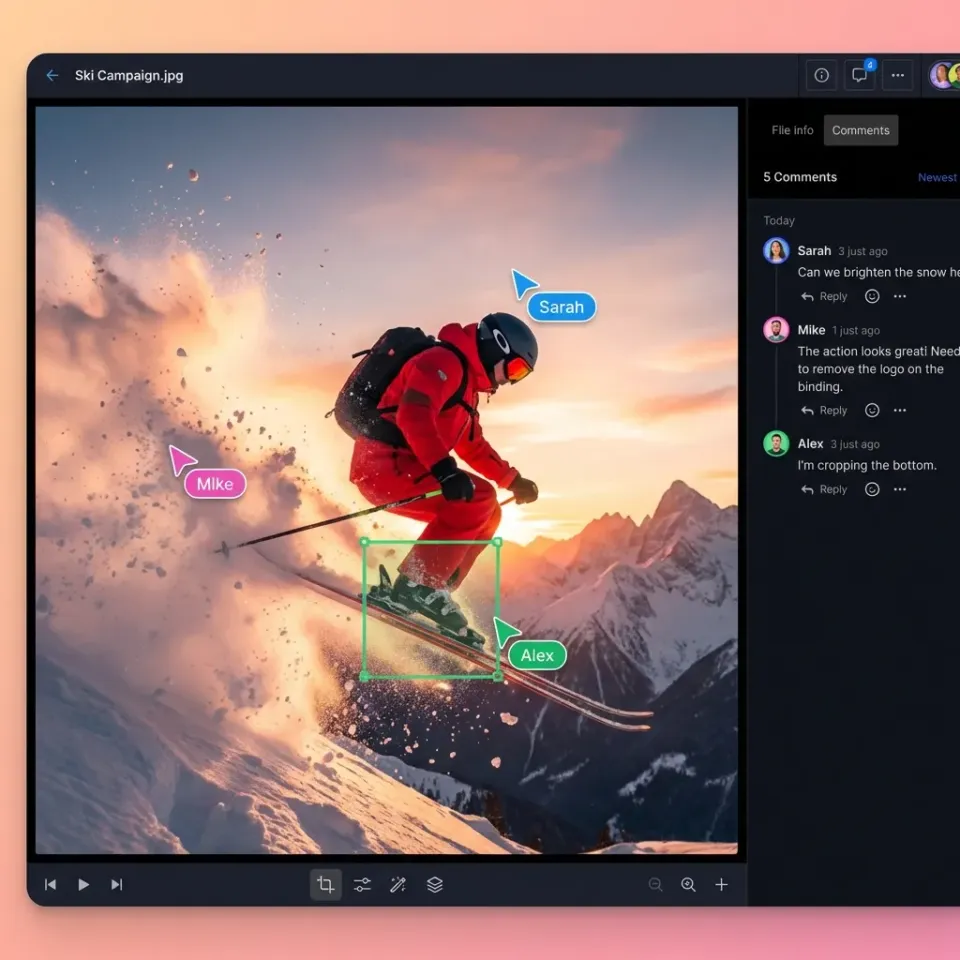
Centralizing MCP management helps organizations close security gaps and gives agents a consistent place to find what they need. This shift turns MCP from a local utility into a shared resource that scales with the business. When agents and humans work in the same space, projects move faster because the underlying setup is standardized. This collaborative layer makes sure that an agent working on a deployment sees the same context as the DevOps engineer overseeing it.
Helpful references: Fastio Workspaces, Fastio Collaboration, and Fastio AI.
Related guides
- How to Set Up the GitLab MCP Server for AI Devops AgentsSetting up a GitLab MCP server connects your AI coding assistants directly to your repositories, issues, and pipelines....
- How to Deploy a Kubernetes MCP Server for AI Platform DevOpsRunning AI agents with full admin access to Kubernetes clusters introduces significant security risks. By deploying a...
- How to Set Up an MCP Server for GitHub ActionsMost GitHub MCP guides stop at repo management. This guide covers the Actions-specific surface: connecting an MCP...
- How to Set Up an MCP Server for LinkedInAn MCP server for LinkedIn lets AI agents read profiles, search jobs, send messages, and publish posts through the...
- How to Deploy and Host an MCP ServerMoving an MCP server from localhost to a production environment gives remote access to AI agents across your...
- How to Set Up an MCP Server for CalendlyCalendly's official MCP server lets AI agents check availability, book meetings, and manage scheduling links through...
More on this subject: MCP and Model Context Protocol (238 guides)
What to check before scaling collaborative mcp server environment management for devops
Treating MCP servers as infrastructure instead of small scripts is the first step toward scaling agentic workflows. DevOps teams can use the patterns they already know to keep these environments stable and easy to replicate across different staging areas.
Infrastructure as Code (IaC) for MCP Every MCP server configuration should be versioned and managed through code. Using tools like Terraform or Pulumi lets teams deploy MCP servers across multiple environments reliably. For example, a configuration might define read-only tools for a development workspace while enabling write access in production only after a human approves it. This makes sure a dev agent uses the same tool definitions as a production agent, stopping the configuration drift that often breaks complex AI systems.
Continuous Integration and Deployment (CI/CD) Updates to MCP servers must pass through automated testing. These tests check tool definitions, ensure schema compatibility, and make sure APIs respond correctly within speed targets. By 2024, approximately 31% of DevOps teams had already partially or fully integrated AI into their delivery pipelines. Automated deployment pushes new tool versions to shared workspaces without manual steps, which keeps errors low when switching between versions.
Observability and Monitoring Centralized MCP management needs deep visibility into how tools are used. Teams need to know which agents call which tools, how long calls take, and how often they fail. Monitoring lets DevOps engineers find bottlenecks in the agentic stack before they slow down the business. Checking success rates and token efficiency shows exactly how well agents are using the system.


Collaborate on Files with Your Team
Connect agents to Fastio's consolidated MCP toolset for collaborative DevOps work. Monthly plans start with a trial of up to 14 days (credit card required); annual plans have no trial.
Shared Environment Management and Governance
A common challenge in collaborative MCP management is keeping environments consistent across different teams. Fragmented setups lead to errors where an agent looks for a tool or data schema that isn't in its current workspace. This often results in agents "hallucinating" capabilities that existed in an old session but weren't moved to production.
Shared environment management for MCP involves creating spaces where specific groups of agents and humans can work together. This is where a central coordination layer is useful. Instead of each developer keeping their own local config files, the company provides managed servers that are automatically added to the agent runtime. This ensures that every team member, human or AI, uses the same tools and permissions.
Governance is a major part of this process. Enterprise teams must make sure agents only have access to the tools they need for their specific tasks. Centralized governance lowers the risk of unauthorized data access and provides a clear audit trail for every action an agent takes. In a regulated environment, proving that an agent only touched specific files during an audit is a major advantage.

Scaling MCP Servers for Enterprise Teams
Moving from local tools to a larger system requires containerization and orchestration. Running MCP servers in a Kubernetes-style setup allows for better scaling as the number of agents grows.
Containerization and Portability Packaging each MCP server as a container keeps the environment consistent across every deployment. This stops the "works on my machine" problem where tools fail in the cloud due to missing dependencies. Since each service is isolated, you can update individual tools without breaking the entire system.
Service Discovery and Registry In large environments with dozens of specialized agents, finding the right tool can be a challenge. A central registry acts as a source of truth, letting agents search for tools based on their goals or specific tags. This dynamic discovery is the basis for complex orchestration where agents can find other tools on the fly to solve multi-step problems.
Load Balancing and Resilience High-traffic AI applications can strain MCP servers, especially when they connect to slow external APIs. Using load balancers and circuit breakers keeps the stack reliable under heavy use. This prevents one slow tool from causing a total system failure. Resilience also means handling retries smoothly, ensuring that a quick network glitch doesn't stop an agent's long-running task.
Detailed DevOps Best Practices for MCP Management
To manage MCP servers at an enterprise level, teams should follow structured best practices that align with modern platform engineering.
- Standardize Schema Definitions: Ensure all custom MCP tools use strict JSON Schema. This stops agents from passing bad data to your backend systems.
- Use Semantic Versioning: Treat tool updates like API updates. Use versioning so agents and developers know when a change is a minor update or a major structural shift.
- Centralize Secret Management: Never store API keys in MCP config files. Use a managed vault to provide credentials at runtime.
- Automate Tool Validation: Create integration tests that run every time an MCP server is deployed. These should verify that tools return the right data formats for a given input.
- Monitor Tool Latency: AI models are sensitive to response times. If a tool takes too long, the model's context window might time out. Set alerts for any tool call taking more than a few seconds.
- Use Granular Scoping: Don't build one massive MCP server for everything. Break tools into logical groups, like a "GitHub Server" or a "Database Server."
- Establish Audit Logging: Log every tool call, including the prompt that triggered it and the data returned. This is necessary for debugging and meeting compliance rules.
- Require Human Approval for Write Actions: For tools that can change data or delete resources, use a manual approval step where a person must confirm the action before it runs.
- Check Token Usage: Design tools to return summarized data rather than huge raw dumps. This keeps the agent's context window clean and lowers costs.
- Write Clear Descriptions for Agents: The description field in your MCP server is how an agent knows when to use a tool. Use clear language that explains exactly what the tool does and what its limits are.
Comparing Local vs. Collaborative MCP Management
As teams grow, the limits of local MCP management become clear. This comparison shows why a collaborative, DevOps-oriented approach is better for production.
Best For: Individual developers and quick prototypes work well with local management, while team-based production and enterprise automation need a collaborative DevOps approach.
The Fastio Advantage for Collaborative MCP
Fastio acts as a central layer where DevOps principles meet agentic productivity. It provides the infrastructure and generous storage needed to manage MCP servers at scale without building a custom platform from scratch.
Integrated MCP Server and a Consolidated Toolset Fastio provides a consolidated MCP toolset covering files, shares, metadata, and activity via Streamable HTTP and legacy SSE. This managed setup means DevOps teams do not have to maintain their own servers for common file and workspace tasks. For connection details, including key authentication and the remote Streamable HTTP endpoint, see Fastio's MCP server integration guide for developers.
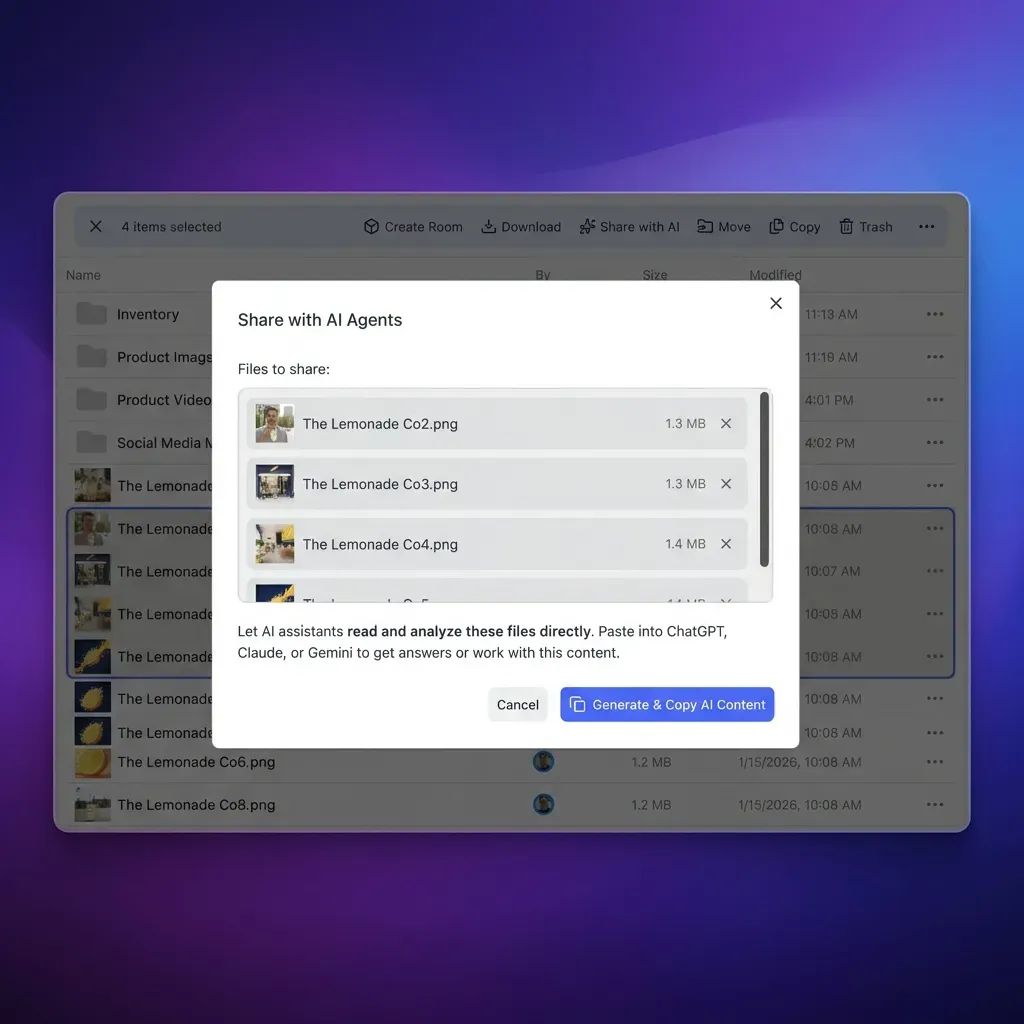
Intelligence Mode and Native RAG Built-in RAG capabilities let agents work with data immediately. When Intelligence Mode is on, files are indexed once Intelligence is enabled for the workspace for search. This removes the work of managing separate vector databases, allowing DevOps teams to focus on orchestration instead of data plumbing.
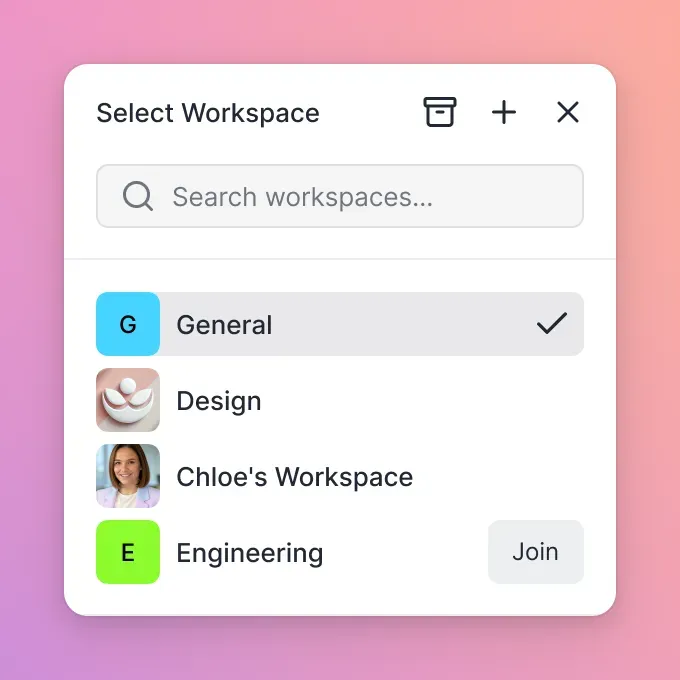
Ownership Transfer and Human Collaboration Fastio allows agents to build entire workspaces and data structures, then transfer ownership to people. Agents can act as technical setup experts who build the environment, which the organization then takes over. Shared workspaces ensure everyone sees the same source of truth, whether they use the UI or agent tools.
Connecting OpenClaw
Using OpenClaw, teams connect it as an MCP client. Point the client at https://mcp.fast.io/mcp/tools, signing in with OAuth in the browser or sending an Authorization: Bearer <api key> header on the connection when using a scoped API key. This simple approach allows for fast expansion of agentic capabilities while keeping a managed environment that works with any LLM, from Claude to local models.
Evidence and Metrics for Agentic DevOps
Using DevOps for MCP management makes teams more efficient. Recent reports show that central management is the only way to move from simple experiments to production.
The AI orchestration market is expected to reach over 18.38 billion dollars by 2026, driven by the need for stable infrastructure. Coordinated MCP management reduces security gaps in tool calling by providing one place to manage access policies. This stops agents from failing due to inconsistent settings between different machines.
Teams using managed MCP infrastructure like Fastio report much less operational overhead. By offloading the maintenance of common tools and storage, DevOps engineers can spend more time on custom tool development and orchestration strategy. The move to agentic AI is clear. Gartner predicts that by 2028, agentic AI systems will handle 15% of daily work decisions on their own.
Moving Ahead with Agentic Ops
As the protocol spreads, the line between software and agent tools will continue to fade. Organizations that invest in collaborative MCP management today will be better prepared to use AI agents in the future. The goal is a reliable environment where agent intelligence is supported by strong infrastructure.
Practically, this means moving toward "Agentic Ops," where the life of an AI agent is managed with the same rigor as a microservice. From versioning prompts to monitoring MCP tool calls, every part of the stack must be observable and repeatable. This shift is not just about technology but about a cultural change in how we build and trust automated systems.
Sources
References used to verify factual claims in this guide.
-
The AI orchestration market is expected to reach over 18.38 billion dollars by 2026
-
over 4,000 MCP servers available by May 2025
-
By 2024, approximately 31% of DevOps teams had already partially or fully integrated AI into their delivery pipelines
-
Gartner predicts that by 2028, agentic AI systems will handle 15% of daily work decisions on their own
-
generous storage
Frequently Asked Questions
What is the primary benefit of collaborative MCP management?
The main benefit is a central coordination layer that keeps agentic workflows secure and reliable. It prevents configuration errors, reduces security risks through central management, and ensures that agents and humans share the same context in a workspace.
How do you deploy MCP servers at scale for a large team?
Scaling MCP servers involves using DevOps tools like Docker and Kubernetes for containerization and orchestration. This allows you to run multiple instances of a tool server, handle load balancing, and ensure high availability for your agentic workflows.
Can I use my existing CI/CD tools for MCP management?
Yes, traditional CI/CD pipelines are perfect for testing and deploying MCP servers. You can automate the validation of tool definitions, run integration tests against mock APIs, and ensure updates are rolled out safely without breaking existing agent tasks.
Why is persistent storage important for MCP agents in a DevOps context?
Agents need a place to store their work, logs, and context that persists across sessions and different agent instances. Persistent storage allows for "stateful" agents that can pick up where they left off and collaborate with other team members over long durations.
Does Fastio support custom MCP servers alongside its consolidated toolset?
Fastio provides a reliable managed MCP server with a consolidated MCP toolset out of the box. It also works in larger setups where you can connect your own custom servers and agents using standard protocols like HTTP and SSE, allowing you to blend managed and custom capabilities.
How does MCP governance reduce security vulnerabilities?
Centralized governance allows DevOps teams to enforce strict access controls on which agents can call which tools. By using a central vault for secrets and logging every interaction, organizations can detect and prevent unauthorized tool usage or data access.
Related Resources

Collaborate on Files with Your Team
Connect agents to Fastio's consolidated MCP toolset for collaborative DevOps work. Monthly plans start with a trial of up to 14 days (credit card required); annual plans have no trial.