How to Use the Best MCP Servers for Journalists
Journalism is evolving faster than ever, and newsrooms are under pressure to deliver deeper insights in less time. The best MCP servers for journalists enable AI agents to perform deep research, scrape data, and verify facts in seconds rather than hours. This guide covers the top tools to supercharge your investigative reporting.

What Are MCP Servers for Journalists?
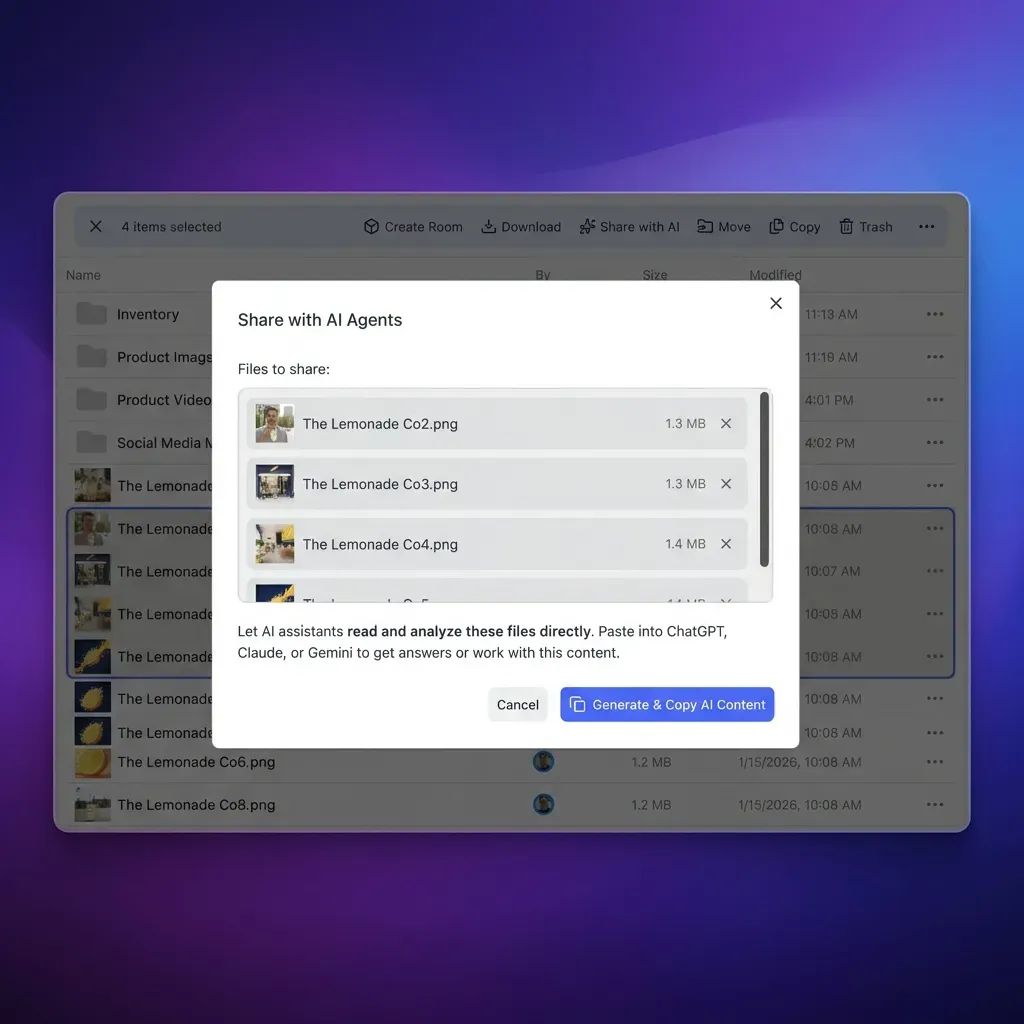
Journalism has always been about gathering information, verifying it, and telling a story. But the volume of information available today is overwhelming. This is where AI agents equipped with Model Context Protocol (MCP) servers come in. MCP servers are the bridge between your AI agent (like Claude or a custom LLM) and the real world. Without them, an AI is just a chatbot trapped in a text box. With them, it becomes a digital research assistant that can "use" software, searching the web, querying databases, or managing files, rather than just chatting about them.
MCP servers enable journalists' AI agents for rapid research and verification. Instead of manually visiting dozens of sites, you can instruct an agent to "Find all mentions of Project X in public records from 2023," and the agent uses MCP tools to execute that search, scrape the results, and summarize them. According to the Associated Press, nearly 70% of newsroom staffers are already using generative AI to simplify their workflows. However, most are using it for simple summarization or drafting. The next step is moving from simple chat to autonomous agents that can handle complex investigative tasks. This shift is critical because newsrooms using automation have reported faster turnaround times for routine updates, freeing up journalists for deep-dive reporting.
Helpful references: Fastio Workspaces, Fastio Collaboration, and Fastio AI.
Related guides
- 10 Best MCP Servers for AI Agents in 2026Model Context Protocol (MCP) servers connect AI models to real tools and data. They give agents access to file systems,...
- How to Choose the Best MCP Servers for DevelopersBuilding AI agents requires reliable tools to bridge the gap between LLMs and real-world data. The Model Context...
- Top 7 Open Source MCP Servers for AI Agents in 2026Open source MCP servers give AI agents direct access to files, databases, and APIs without black-box proprietary...
- Best MCP Servers for LLM Workflows in 2026Model Context Protocol servers give LLMs standardized access to tools, data, and services. With over 10,000 public...
- Best MCP Servers for Education and EdTech: Top 7 Tools for 2026MCP servers in education enable AI tutors and admin agents to access learning management systems securely. By...
- Best MCP Servers for Search: Connecting AI Agents to Real-Time DataSearch MCP servers connect AI agents to real-time web data, which cuts down on hallucinations and helps agents retrieve...
More on this subject: MCP and Model Context Protocol (244 guides)
Top MCP Servers for Research and Investigation
Research is the backbone of journalism, but it's often the most time-consuming part. Digging through government archives, finding the right contact, or verifying a timeline can take days. These MCP servers give your agents superpowers for finding and verifying information instantly.
Exa (formerly Metaphor)
Exa is a search engine designed specifically for AI. Unlike Google, which optimizes for clicks and SEO-spam, Exa optimizes for semantic meaning and document retrieval. It understands the "content" of a page, not just the keywords.
- Best For: Finding specific documents, white papers, or "needle in a haystack" information that is buried deep in Google's results.
- Journalist Use Case: "Find all pdf reports about water quality in Flint, Michigan published between 2014 and 2016."
- Why it matters: It cuts through the noise of SEO-optimized content farms to find primary sources.
Brave Search
The Brave
Search MCP server allows your agent to perform privacy-focused web searches. For investigative journalists working on sensitive topics, privacy is paramount.
- Best For: General background research and finding recent news articles without tracking pixels following your every move.
- Journalist Use Case: "Summarize the latest breaking news coverage on the new zoning laws in the last 24 hours."
- Why it matters: It provides a clean, unbiased view of the web without the personalization bubbles that can skew research.
Wayback Machine
Essential for verification, this server lets agents check archived versions of webpages. In an era where politicians and corporations can silently edit their statements, this is your audit trail.
- Best For: Verifying if a source changed their story, deleted a post, or altered a policy page after a controversy.
- Journalist Use Case: "Check if the 'About Us' page on this company website has changed since January 1st and list the differences."
- Why it matters: It automates digital forensics, allowing you to track the evolution of a narrative over time.


Equip Your Newsroom with AI Agents
Give your agents a secure, shared workspace to collaborate on stories. generous storage. Built for mcp servers journalists workflows.
Best MCP Servers for Data Analysis
Modern investigative reporting often involves heavy data lifting. Leaks come in the form of gigabytes of CSVs, and government portals are often hostile to users. These servers turn your agent into a data analyst that works 24/7.
Firecrawl
Firecrawl turns websites into clean, structured data (Markdown or JSON). It handles complex crawling tasks that would usually require a developer to write a custom script.
- Best For: Scraping public records, pricing tables, or rosters from government websites that don't offer an API.
- Journalist Use Case: "Crawl this city council meeting minutes archive and extract every vote count into a table."
- Pro Tip: Use Firecrawl to monitor changes on a specific page by scheduling your agent to crawl it daily and report diffs.
SQLite
This server gives your agent the ability to interact with a SQL database directly. Instead of trying to open a massive CSV in Excel and watching your computer freeze, you can let the agent query it efficiently.
- Best For: Analyzing large datasets, leaks, or structured government data dumps (like campaign finance records).
- Journalist Use Case: "Query this database of campaign finance records to find donors who contributed to both candidates."
- Why it matters: It democratizes data journalism. You don't need to know SQL; you just need to know what question to ask.
Sequential Thinking
While not a data tool per se, this server forces the agent to "think" in structured steps before answering. This is crucial for complex investigations where jumping to conclusions can lead to retraction.
- Best For: Analyzing complex relationships in a story, building timelines, or checking for logical fallacies in an argument.
- Journalist Use Case: "Analyze the timeline of events in this scandal and identify any logical inconsistencies or gaps in the record."
- Why it matters: It acts as a digital editor, forcing the model to show its work and logic before presenting a conclusion.
How to Build a Multi-Agent Newsroom
The real power of MCP comes when you combine these tools. However, a major gap in the current market is the lack of multi-agent story collaboration. Most tools are single-player, meaning one agent does one task, and then forgets everything.
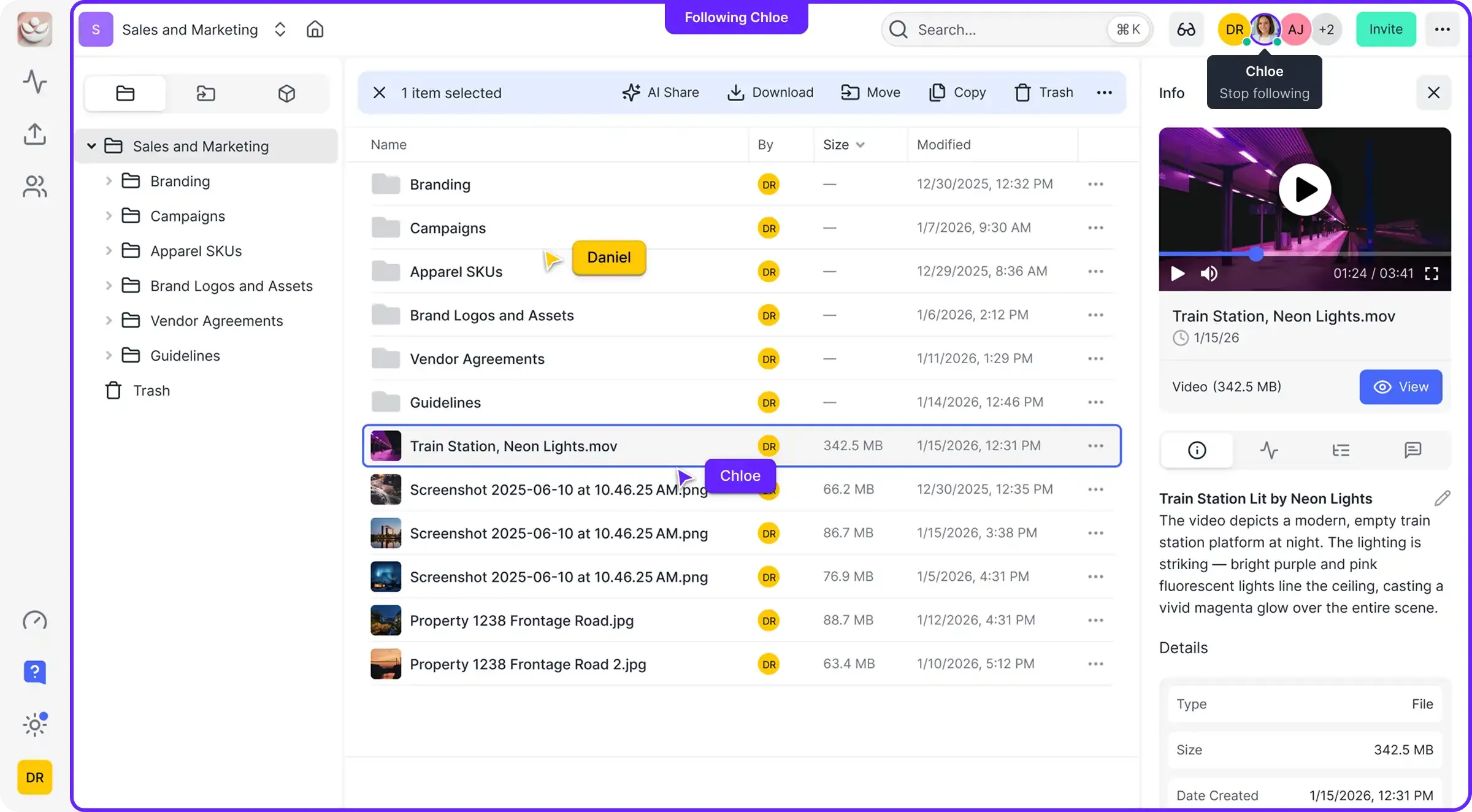
Fastio fills this gap by providing a shared filesystem for your agents. You can have a "Researcher Agent" using Exa to find data, saving it to a shared Fastio workspace. A second "Analyst Agent" picks up those files, uses SQLite to crunch the numbers, and saves a chart. Finally, a "Writer Agent" drafts the story based on those outputs.
Why this matters:
- Persistent Memory: Agents don't "forget" the research; it's saved as files (PDFs, CSVs, MD) in a real filesystem.
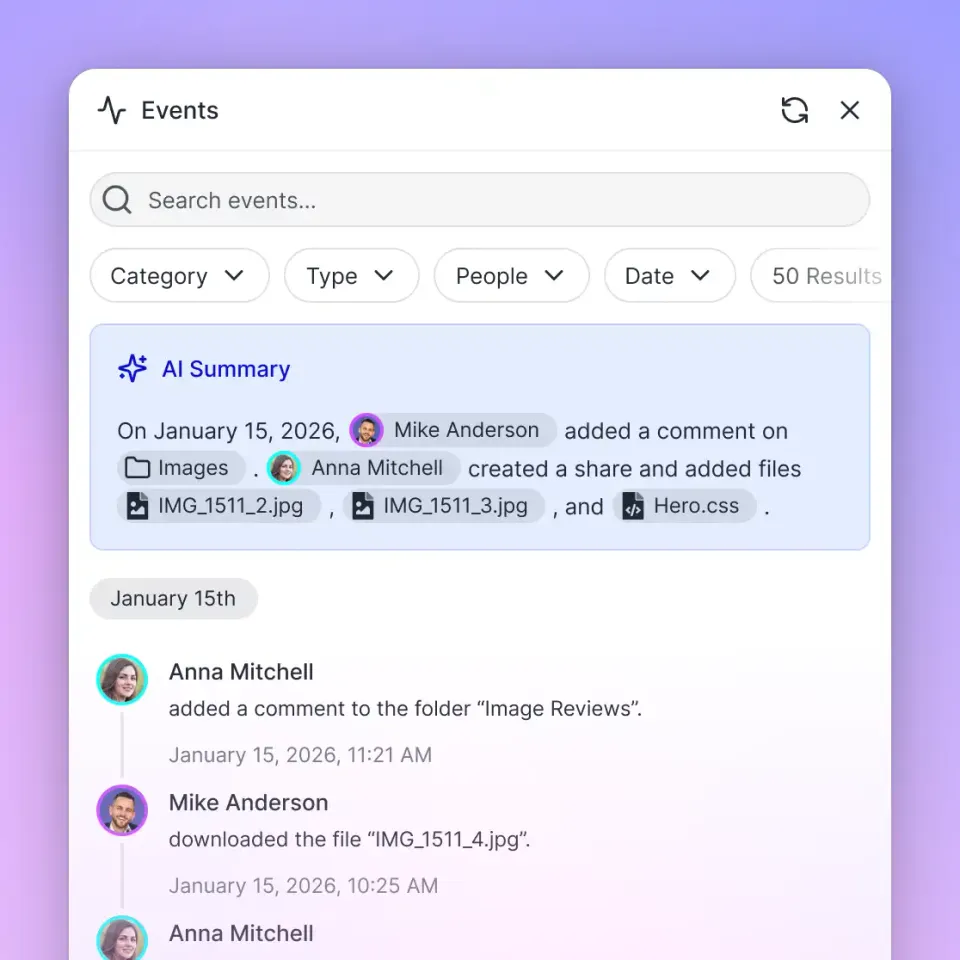
- Collaboration: Humans can view, edit, and add to the same files the agents are working on. You can drop a PDF into the folder, and the agent can read it immediately.
- Security: Fastio encrypts files at rest and in transit, and its terms say it does not train AI models on your content.
With Fastio's MCP server, your agents get direct access to this shared storage, enabling a true AI-powered newsroom workflow.
Ethical Considerations for AI in Journalism
With great power comes great responsibility. Using MCP servers to automate research brings ethical challenges that every newsroom must address.
Verification is Non-Negotiable AI agents can hallucinate. Even when using tools like Brave Search or Exa, the agent might misinterpret a summary. Always verify the primary source. If an agent says "The report claims X," click the link and read the report yourself.
Data Privacy and Source Protection When using cloud-based agents, be mindful of where the data goes. Avoid uploading unredacted sensitive documents (like whistleblower leaks) to public LLMs. Use local models or enterprise-grade privacy settings where possible. Fastio supports secure storage that keeps your files under your control.
Disclosure and Transparency Readers deserve to know how a story was produced. If AI was used to analyze a massive dataset, disclose it: "Data analysis assisted by AI tools." Transparency builds trust.
Getting Started with Your AI Newsroom
Adopting these tools doesn't require a computer science degree. Here is a simple path to get started:
- Choose a Host: Use a platform like Claude Desktop or a terminal-based client to run your agents. These act as the "operating system" for your MCP servers.
- Install Core Servers: Start with Brave Search for research and Filesystem (or Fastio) for storage. These are the essentials.
- Run a Pilot: Pick one time-consuming story and try to use an agent for the initial research phase. Don't use it for the final writing yet.
- Review and Verify: AI is a tool, not a replacement. Always verify the agent's findings against the primary sources it cites.
By automating the grunt work, you free up time for the human work: interviewing sources, building relationships, and crafting the narrative. The goal isn't to replace journalists; it's to give every journalist a team of tireless research assistants.
Sources
References used to verify factual claims in this guide.
-
Nearly 70% of newsroom staffers surveyed by the Associated Press use generative AI
Frequently Asked Questions
What is an MCP server for journalists?
An MCP server is a tool that connects AI agents to external data and services useful for reporting. It allows an AI to perform tasks like searching the web (Exa, Brave), scraping data (Firecrawl), or analyzing databases (SQLite) autonomously, acting as a research assistant.
What are the best tools for news AI?
The best tools combine research and analysis capabilities. Top choices include Exa for deep semantic search, Firecrawl for turning websites into data, and Fastio for managing the files and collaboration between multiple agents and human reporters.
Do I need to know how to code to use MCP?
No, you don't need to be a coder. Many modern AI clients (like Claude Desktop) allow you to install and use MCP servers through simple configuration files. Once set up, you interact with them using natural language commands.
Is using AI agents for journalism ethical?
Yes, when used responsibly for research and data processing. The key is transparency and verification. AI should assist in gathering facts, but a human journalist must always verify accuracy and make the final editorial decisions.
How much time can these tools save?
Newsrooms using automation tools report faster turnaround times for routine tasks. By automating research and data gathering, journalists can save hours each week, focusing their time on interviews and narrative building.
Related Resources

Equip Your Newsroom with AI Agents
Give your agents a secure, shared workspace to collaborate on stories. generous storage. Built for mcp servers journalists workflows.