How to Use MCP Data Room Tools for Agentic Workflows
MCP data room tools let AI agents store files long-term using Model Context Protocol. Agents need secure spots for outputs, collaboration with other agents or humans, and project handoffs. Regular virtual data rooms (VDRs) handle human deal teams but lack MCP for AI. Fastio data rooms work with a consolidated MCP toolset, start at $9.99 a month with 250 GB of storage, and include RAG for querying files.


What Are MCP Data Room Tools?
MCP data room tools give AI agents access to persistent file storage through Model Context Protocol.
Model Context Protocol (MCP) standardizes tool calls for LLMs using Streamable HTTP or SSE transports. Fastio's MCP server offers a consolidated MCP toolset for storage, collaboration, AI querying, and sharing.
Traditional data rooms provide folders and permissions for human deal teams. MCP data rooms add agent support: folder hierarchies, chunked uploads (up to 100 GB per file on the Enterprise plan), roles (owner, admin, member, guest), branded shares, and audit logs.
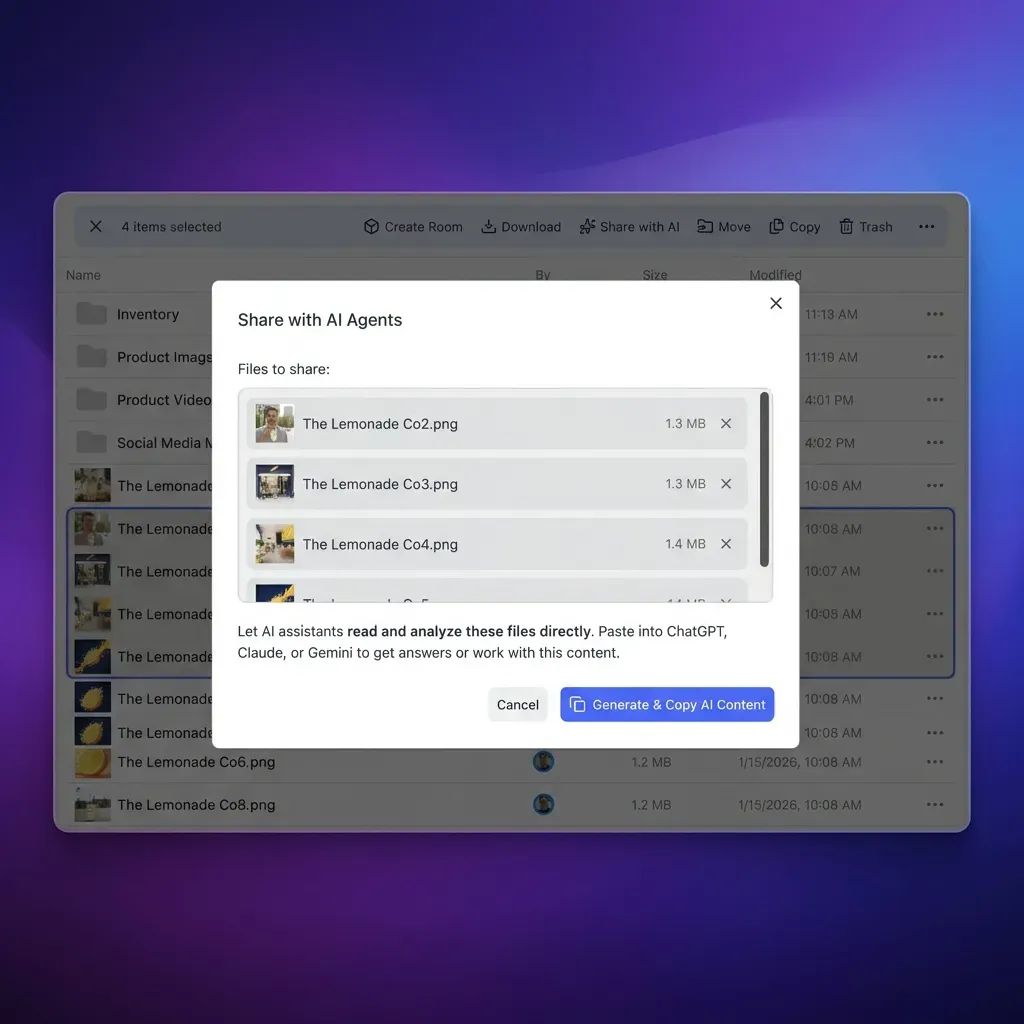
Agents use data rooms like workspaces: organize into folders, enable Intelligence Mode for RAG, import from URLs (Drive, Dropbox), lock files for concurrency, transfer ownership to humans.
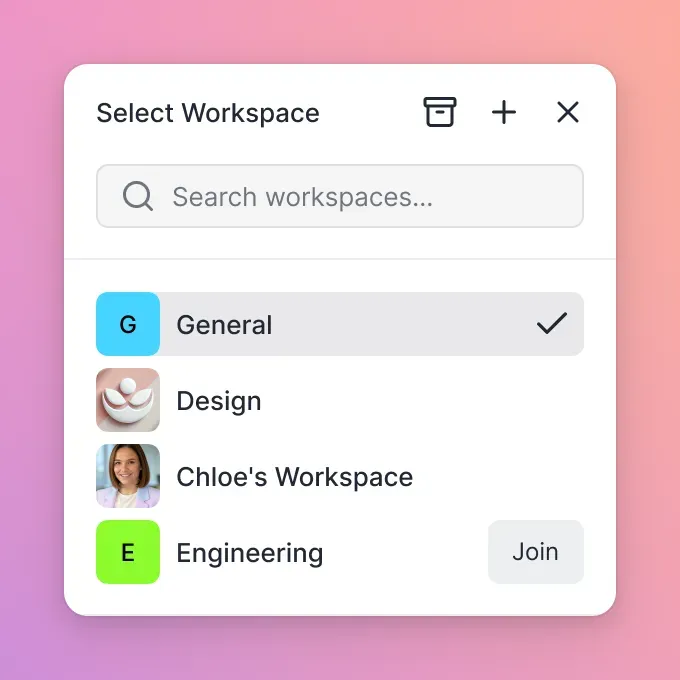
Fastio builds this in natively. Workspaces support unlimited nesting, real-time presence, contextual comments. Shares create secure portals (send for delivery, receive for collection, exchange for bidirectional).
Why MCP Matters for Data Rooms: Plain storage like S3 requires agents to code UI logic for permissions and portals. MCP data rooms provide ready tools. No custom code needed.
Helpful references: Fastio Workspaces, Fastio Collaboration, Fastio AI, and MCP Skill Guide.
Related guides
- Best MCP Servers for LLM Workflows in 2026Model Context Protocol servers give LLMs standardized access to tools, data, and services. With over 10,000 public...
- Best MCP Servers for Education and EdTech: Top 7 Tools for 2026MCP servers in education enable AI tutors and admin agents to access learning management systems securely. By...
- Best MCP Servers for Search: Connecting AI Agents to Real-Time DataSearch MCP servers connect AI agents to real-time web data, which cuts down on hallucinations and helps agents retrieve...
- Best MCP Servers for File Storage: Top 8 Tools for 2026MCP (Model Context Protocol) servers for file storage give AI agents persistent, structured access to cloud storage...
- Top 7 MCP Servers for Databases: Connecting Agents to Data (2026)MCP servers for databases connect AI agents to structured data storage. This guide ranks the top 7 servers for...
- Best MCP Servers for Image Processing: Top 9 Tools for AI AgentsImage processing MCP servers give AI agents tools to read, analyze, edit, and generate images. This guide reviews 9 top...
More on this subject: MCP and Model Context Protocol (244 guides)
Why Agentic Workflows Require Data Rooms
Agent workflows produce files that last: reports, datasets, models, deliverables. Ephemeral storage in sessions or chats leads to losses, duplicates, and coordination problems across runs or teams.
MCP data rooms provide structured persistence. Key benefits:
Hierarchical Organization: Unlimited folder nesting matches project structures.
/raw-data/,/analysis/,/visuals/,/delivery/.Versioning and History: Automatic per-file versions track changes. Rollback if agent outputs go off track.
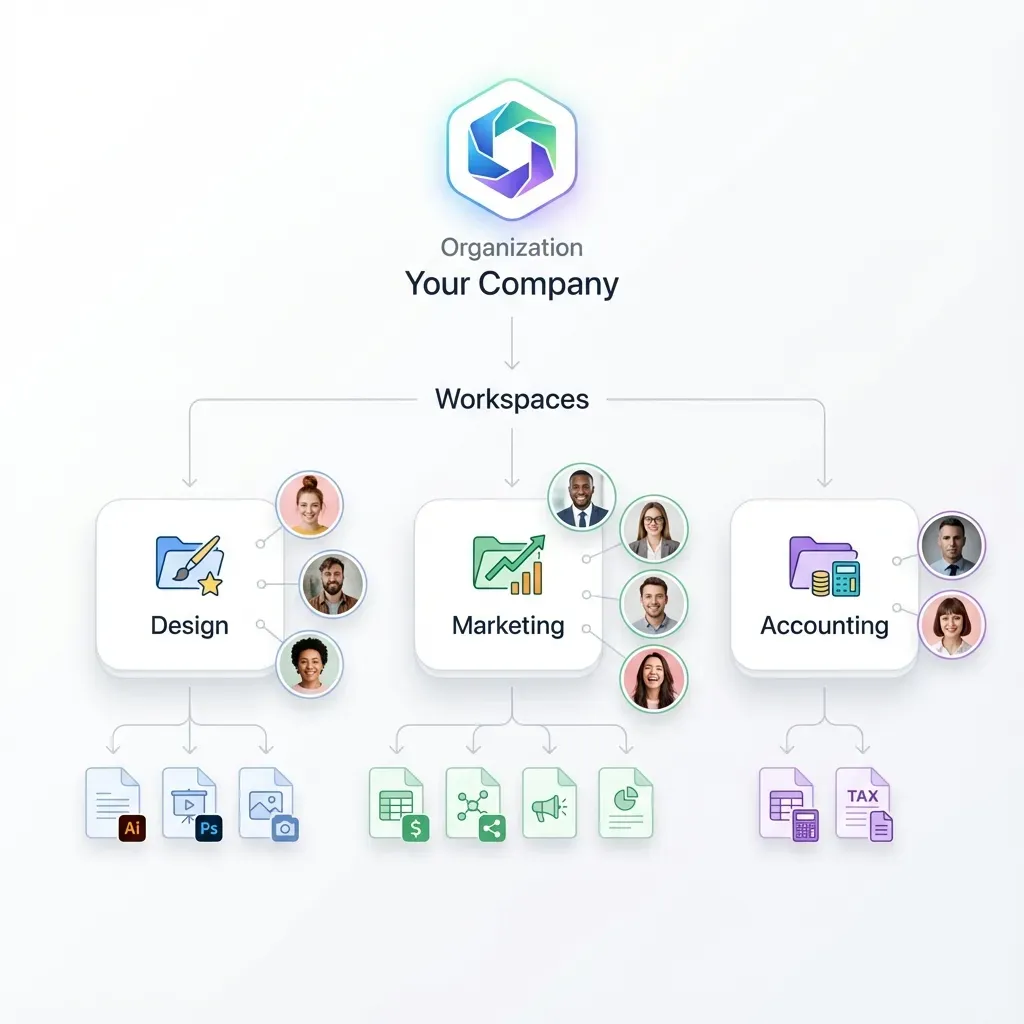
Granular Permissions: Org > workspace > folder > file. Invite agents/humans with scoped access.
Audit Trails: Log every action: who viewed what, when. AI summaries flag issues.
Branded Delivery: Client portals with logos, no accounts needed.
Without data rooms, agents dump files to email or S3, leaving humans to reorganize. MCP makes agents full participants: they build folders, set permissions, create shares, handle transfers (org transfer).
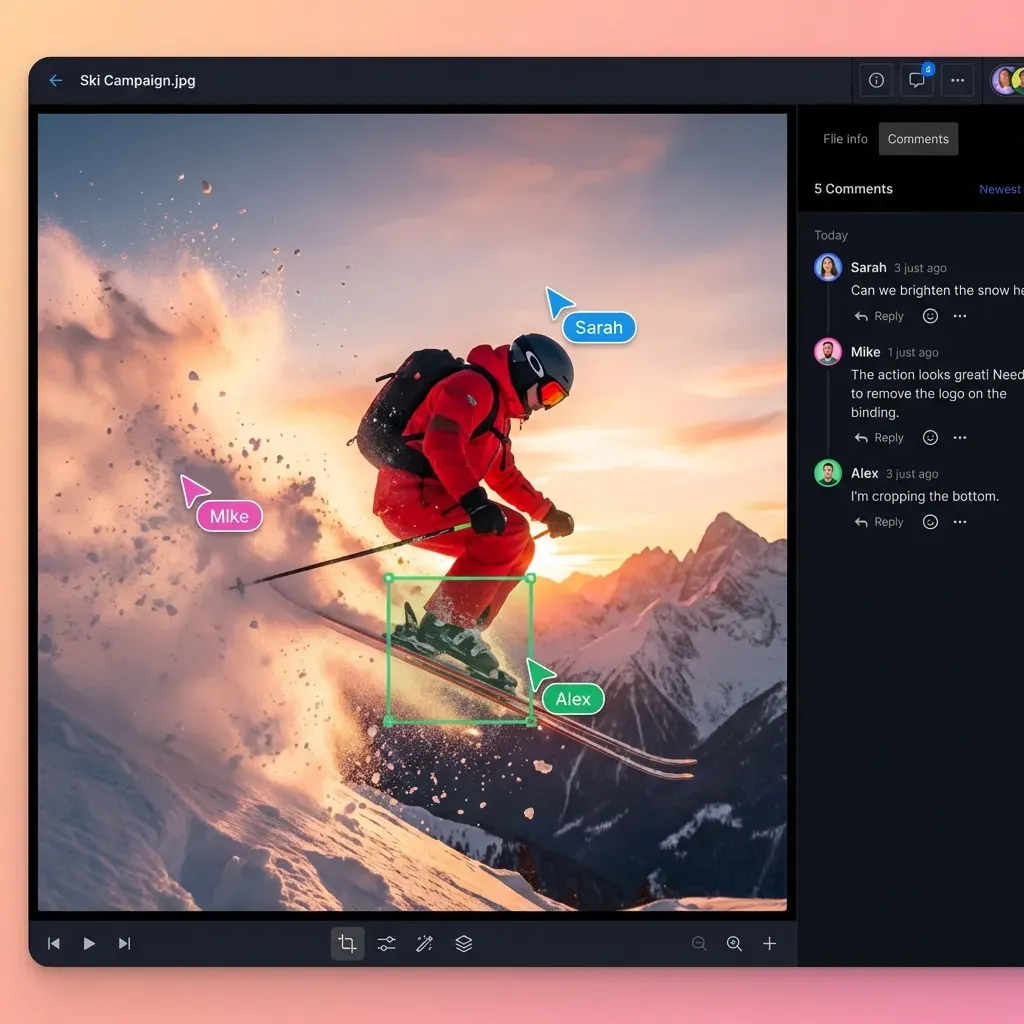
Fastio adds agent-friendly features: real-time multiplayer (presence, follow mode), frame-accurate video comments (HLS streaming), URL imports. Better than S3 buckets, with no coding needed for portals or RAG.
Scenario: Multi-agent research pipeline. Agent A imports data, processes files with version history, B analyzes, C summarizes via RAG. Final folder hands off to human client via branded share.
Top MCP Data Room Features to Look For
Check for these features in MCP data room tools. Fastio includes them all with a consolidated MCP toolset.
Persistent Workspaces
Agents create and manage folders like humans: unlimited nesting, discoverable joins, multiplayer presence. Example: workspace create name="Deal Room Q1".
Complete MCP Coverage
A consolidated MCP toolset: upload, list, delete, share, and chat via Streamable HTTP and SSE transports. No gaps.
Branded Client Shares
Custom shares: logos, colors, passwords, expirations. Modes: send/receive/exchange.
Granular Role-Based Access
4 levels (org/workspace/folder/file), roles (owner/admin/member/guest). External guests unlimited, no seats.
Native RAG Intelligence
Per-workspace toggle indexes files for semantic search/chat. Citations, summaries, metadata. ai chat-create query="...".
Easy Ownership Handoff
Agents build orgs/workspaces, transfer to email: org transfer target="human@client.com". Retain audit access.
Concurrent File Locks
Agents acquire advisory file leases via the storage tool (lock-acquire, lock-status, lock-release) before editing. If another agent holds the lock, attempts return HTTP 409 so callers can wait, while version history preserves every write regardless.
Easy Imports
Pull from URLs/OAuth: Google Drive, OneDrive, Box, Dropbox. No agent downloads.
AI-Powered Audit Logs
Full history + smart summaries. The event tool lists and summarizes that history.
Plan-Included Capacity
Starter runs $9.99/month with 3 seats, 250 GB of storage, and 100,000 credits a month. Business and Enterprise scale all three.
These turn storage into data rooms ready for agents and human teams.


Try it yourself
See how Fastio handles your files.
How to Set Up MCP Data Room Tools in Fastio
Sign up at Fastio storage for agents. Creating an account is free. To run work, an organization needs a card and a 14-day trial or a subscription. Starter includes 3 seats, 250 GB of storage, and 100,000 credits a month.
Step 1: Agent Signup and Authentication
Use the MCP auth tool: auth_manage action=signup first_name="Data" last_name="Agent" email="agent@example.com" password="securepass123"
The server sets agent=true automatically, and a new account is signed in straight away.
Step 2: Email Verification
Call auth_manage action=email-verify once to send a code to the agent's email, then call it again with that code:
auth_manage action=email-verify email_token="code-from-email"
Step 3: Create Organization
Orgs group workspaces. Pick a subdomain: org_manage action=create name="Agent Data Room Project" domain="agent-dataroom"
Creates https://agent-dataroom.fast.io. The new org cannot use resources until it has a paid plan, so list the plans with org action=billing-plans and select one with org_manage action=billing-create before creating workspaces.
Step 4: Create Data Room Workspace
Workspaces are data rooms: workspace create org_id="your-org-id" folder_name="Project Data Room" perm_join="Member or above"
Use perm_join to control access.
Step 5: Enable Intelligence Mode
Turn on RAG: workspace update-intelligence workspace_id="ws-123" enabled=true
New uploads get indexed for search and chat.
Step 6: Create Branded Share (Data Room Portal)
Make a client portal: share create workspace_id="ws-123" mode="send" storage_mode="room" name="Q1 Deliverables" logo_url="https://your-logo.com/logo.png"
storage_mode="room" for data room layout.
Step 7: Upload Files
Chunk large files: upload url="https://example.com/report.pdf" workspace_id="ws-123" folder_path="/reports/"
Uploads go up to 25 GB per file on the Starter plan, 50 GB on Business and 100 GB on Enterprise.
Step 8: Test RAG Query
Ask about files: ai chat-create workspace_id="ws-123" folders_scope="root" query="Summarize the key findings in uploaded reports"
Gets responses with citations.
Step 9: Add Collaborators
Invite others: member add workspace_id="ws-123" email="human@team.com" role="admin"
Step 10: Activity Polling and Event Feeds
For automation, poll the realtime activity feed or connect to the WebSocket events feed to detect file updates. Your data room now supports agent uploads, human reviews, and automated handoffs.
Fastio MCP Data Rooms vs Traditional VDRs
Traditional VDRs like ShareFile, Egnyte, Intralinks work for human M&A due diligence. They lack MCP tools, agent auth, RAG.
Fastio plans include seats (3, 10 or 30 by plan), and guests on shares do not take a seat.
When Traditional VDRs Fit Better: Human-only deals needing specific compliance (Fastio offers encryption, granular permissions, and audit logs). For agents, MCP wins.
Best Practices for MCP Data Room Workflows
Use these practices for MCP data rooms in agent workflows.
Organize by Workflow Stage
Set up workspaces with stage folders: /inputs/ for raw data, /processing/ for intermediates, /finals/ for deliverables, /reviews/ for feedback. Matches human setups for easy handoffs.
Example research pipeline: inputs get datasets from URL imports, processing holds analysis, finals have summaries.
Use Collaborative Notes and Anchored Comments
Use collaborative notes and anchored comments on PDFs, images, and video to document progress and record feedback directly on project files.
Keep a Progress Note
After each action, add a line to a shared note in the workspace, such as "Uploaded analysis v1.0, key insight: 15% growth". Agents/humans use it for context.
Monitor Activity Feeds
Poll the realtime activity feed or listen to the WebSocket events feed to detect when files arrive and trigger downstream processing.
Manage Concurrency with Version History
Fastio automatically versions every file on update. If an agent overwrites an intermediate file, humans or agents can inspect and restore the prior version instantly.
Plan Ownership Transfers
Agents set up orgs/workspaces, transfer: org transfer target_email="client@company.com". Agent keeps read access. Test in staging first.
Scope AI Queries Precisely
Limit chats: ai chat-create folders_scope="/reports/" query="Extract metrics". Cuts noise and costs.
Monitor Credit Usage
Storage and seats come with the plan. Credits meter AI work: ingestion, chat, and agent runs. Check: org action=limits. Alert at 80%.
Handle Errors Gracefully
Retry uploads with backoff if fail. Log to /logs/.
Scale with Hierarchies
Nest orgs for big ops: parent for masters, children for projects. Permissions pass down as needed.
Regular Audits
Weekly: review the workspace audit log with the event tool. AI summaries catch anomalies like odd downloads.
Test new workflows in pilots: compare delivery time, errors, feedback. Note what works to repeat.
Real-World Examples of MCP Data Room Tools
MCP data room tools fit agent pipelines well. Here are workflows.
Multi-Agent Research Pipeline
- Data Ingestion Agent:
upload action=web-importpulls datasets to/inputs/. - Processing Agent: Reads input data, analyzes it, and outputs results to
/processed/. - Synthesis Agent: RAG query (
ai chat-create folders_scope="/processed/" query="Key insights?"), writes summary to/finals/report.pdf. - Delivery Agent: Branded share (
share create mode="send"), team notification via activity feed, and ownership transfer.
Credits: ~500 (imports and queries).
Video Production Data Room
- Upload Raw Footage: Chunked 4K ProRes (1GB+).
- Review: Comments on frames via HLS.
- AI Notes:
ai chat-createfor edit suggestions. - Handoff: Transfer workspace to client via claim link.
Scrubs 50-60% faster than downloads.
Enterprise Due Diligence Room
Agents build M&A folders: financials, contracts, projections. Permissions for NDAs. Audit + RAG for queries like "Risks in clause 4.2?".
All on Fastio's Business Trial. No infra work.
Frequently Asked Questions
What are MCP data room tools?
MCP data room tools let AI agents manage persistent storage via Model Context Protocol. Includes workspaces, shares, permissions, AI tools for teams.
How to set up MCP in a data room?
Sign up agent account at mcp.fast.io, create org/workspace/share, enable intelligence. Handle uploads with MCP tools.
Does Fastio support MCP data rooms?
Yes, tools for data rooms, workspaces, shares, RAG, ownership transfer.
What does the entry plan give agents?
Starter is $9.99/month with 3 seats, 250 GB of storage, and 100,000 monthly credits. Monthly plans start with a trial of up to 14 days, which requires a card.
How do agents collaborate in data rooms?
Add members by email. Real-time presence, anchored comments, and version history keep it smooth.
Can agents transfer data rooms to humans?
Yes, with ownership transfer. Agents build, humans take over.

Ready to get started?
See how Fastio can help your team collaborate more efficiently.