Best MCP Servers for Retail AI Agents: Top Tools for 2026
Retail AI agents need the right tools to drive sales and manage inventory. We rank the best MCP servers for retail, including payments, scraping, and persistent memory layers.

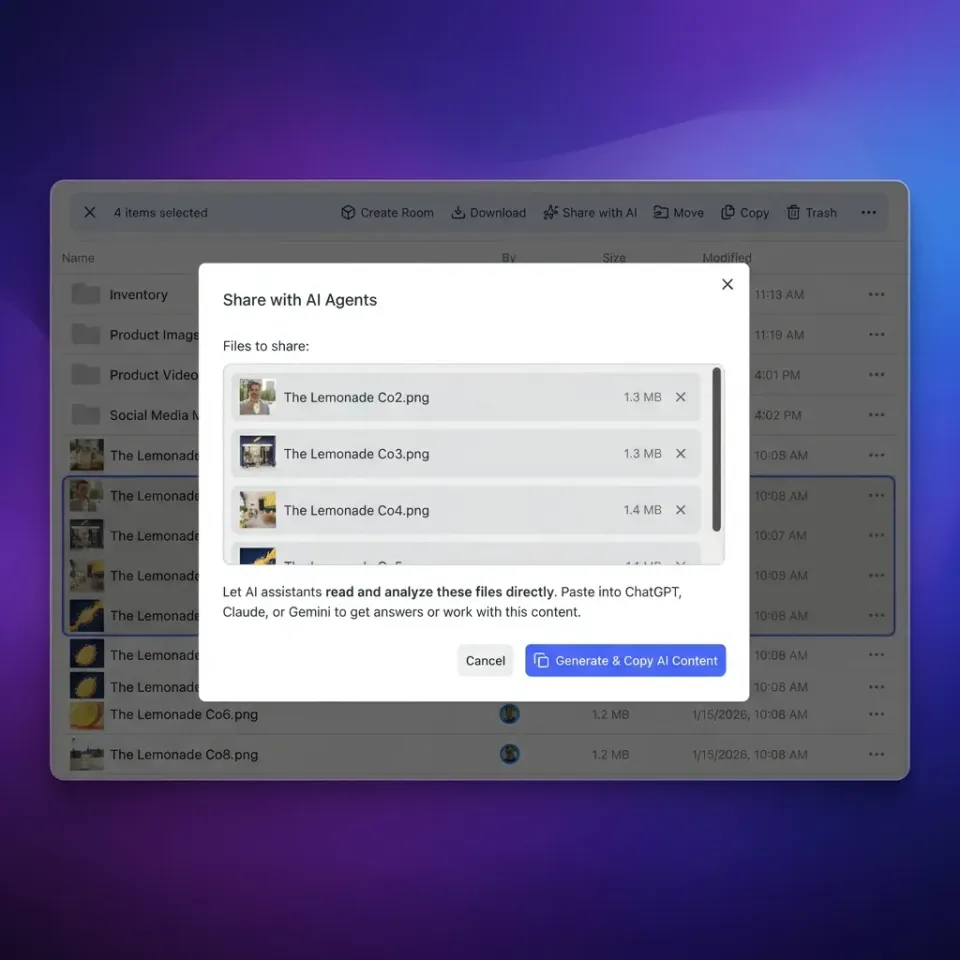
How to implement best mcp servers for retail reliably
Retail is undergoing a fundamental shift. We are moving from "e-commerce", where humans browse static catalogs, to "agent-commerce," where intelligent agents actively work on behalf of both the business and the customer. These agents don't just answer FAQs; they negotiate prices, manage complex inventory across warehouses, and curate personalized collections in real-time. To function effectively, these agents need more than just a large language model (LLM). They need tools. They need to be able to "see" the market, "remember" customer preferences, and "act" on transactions. This is where the Model Context Protocol (MCP) becomes the critical infrastructure for modern retail.
Retail MCP servers enable real-time agent personalization. By connecting LLMs to external systems via MCP, developers can equip agents with the specific capabilities required to run a retail operation: handling payments, checking stock levels, and analyzing competitor data. The business case for this transition is already clear. According to Nationwide Group, retailers who have adopted AI solutions have reported faster sales growth compared to non-adopters. The efficiency gains are equally impressive, but the real value lies in personalization. Companies that excel in AI-driven personalization can generate more revenue than their competitors, according to Bluestone PIM. Also, HelloRep reports that returning customers who engage with AI chat features tend to spend 25% more than those who don't. However, building these agents requires a strong stack of MCP servers. Below, we break down the essential tools that define the best-in-class retail agent architecture for 2026.
Helpful references: Fastio Workspaces, Fastio Collaboration, and Fastio AI.
Related guides
- Best MCP Servers for Retail Operations (Inventory & POS)MCP servers let AI agents access tools for retail jobs such as syncing inventory between stores or updating POS...
- Best MCP Servers for File Storage: Top 8 Tools for 2026MCP (Model Context Protocol) servers for file storage give AI agents persistent, structured access to cloud storage...
- Top 7 Open Source MCP Servers for AI Agents in 2026Open source MCP servers give AI agents direct access to files, databases, and APIs without black-box proprietary...
- Best MCP Servers for LLM Workflows in 2026Model Context Protocol servers give LLMs standardized access to tools, data, and services. With over 10,000 public...
- Best MCP Servers for Search: Connecting AI Agents to Real-Time DataSearch MCP servers connect AI agents to real-time web data, which cuts down on hallucinations and helps agents retrieve...
- 8 Best MCP Servers for Video Processing in 2026MCP servers for video processing let AI agents transcode, analyze, edit, and stream video through Model Context...
More on this subject: MCP and Model Context Protocol (244 guides)
What to check before scaling best mcp servers for retail
Every effective retail agent starts with a strong memory. Without a reliable place to store and retrieve information, an agent is prone to hallucinations and cannot maintain context over long customer relationships. Fastio provides the persistent storage and memory layer that serves as the "brain" for your retail operations. While other tools might handle a single transaction, Fastio manages the entire lifecycle of retail data. It stores the product catalogs, the high-resolution assets, the customer interaction logs, and the generated reports. More importantly, it makes all this data accessible to agents via a standard MCP interface.
Key Capabilities for Retail: * Consolidated MCP Toolset: Fastio offers a comprehensive toolset for file operations. Agents can create folders for new product lines, upload generated marketing assets, and organize customer data without human help.
- Intelligence Mode: This is the killer feature for retail. When you upload a PDF catalog, a supplier contract, or a technical spec sheet, Fastio automatically indexes it. Your agents can then use Semantic Search to answer specific questions like, "Does the supplier contract allow for dropshipping?" or "What is the warranty period for the Model X?" This built-in RAG (Retrieval-Augmented Generation) eliminates the need for setting up a separate vector database.
- HLS Streaming: Retail is visual. Fastio's media engine automatically transcodes video assets into HLS streams. This means your agents can serve high-quality product demos and "shoppable video" content directly to customers without buffering, regardless of their device.
- Ownership Transfer: For high-touch retail (like luxury goods or real estate), an agent can build a "Personalized Showroom", a dedicated workspace filled with curated items for a specific client. Once ready, the agent can transfer full ownership of that workspace to the client, creating a premium, white-glove digital experience. In terms of performance, Fastio MCP tops latency benchmarks, which is crucial when an agent is interacting with a customer in real-time. A delay of even a few seconds can lose a sale.



Give your retail agents a home
Start with generous storage, a consolidated MCP toolset, and built-in intelligence. Built for mcp servers retail workflows.
2. Stripe Agent Toolkit (The Payment Layer)
A retail agent that cannot process payments is effectively just a sophisticated search bar. To close the loop and drive revenue, agents need the ability to handle transactions securely. The Stripe Agent Toolkit is the industry standard for giving AI agents financial capabilities via MCP.
How It Works: The Stripe MCP server exposes API endpoints that allow agents to generate payment links, check invoice statuses, and manage subscriptions. It abstracts the complexity of financial compliance, allowing the agent to focus on the customer interaction.
Primary Use Cases:
- In-Chat Checkout: Instead of sending a customer to a generic checkout page, the agent can generate a secure, pre-filled Stripe payment link and present it directly within the chat interface. This reduces friction and abandonment rates.
- Subscription Management: For subscription-box services or loyalty programs, agents can upgrade, downgrade, or pause subscriptions based on natural language requests from customers.
- Refunds and Disputes: Agents can autonomously handle routine refund requests within set policy limits, checking the transaction history and issuing the refund instantly, which lowers support costs.
3. Shopify Dev MCP (The E-commerce Layer)
For the millions of merchants built on Shopify, the Shopify Dev MCP server is the essential bridge between the storefront and the AI workforce. It connects the agent directly to the store's backend, giving it read/write access to products, customers, and orders.
Operational Capabilities:
- Real-Time Inventory Checks: When a customer asks, "Do you have the red sneaker in size 10?", the agent queries the Shopify MCP server to get an exact, real-time stock count. It prevents the frustration of ordering out-of-stock items.
- Order Tracking: "Where is my order?" is the most common support query. The agent can look up the tracking number and status instantly, providing a detailed update without human intervention.
- Dynamic Product Updates: Marketing agents can monitor search trends and automatically update product descriptions, tags, and SEO metadata on Shopify to capture new traffic. For example, if "sustainable summer wear" starts trending, the agent can tag relevant items accordingly.
4. Firecrawl / Oxylabs (The Market Intelligence Layer)
Retail is a zero-sum game often fought on pricing and availability. To win, you need to know what your competitors are doing the moment they do it. Firecrawl and Oxylabs provide powerful MCP servers that give agents the ability to scrape and analyze external web data.
Strategic Advantages:
- Competitor Price Monitoring: An agent can be tasked to check the prices of key SKUs across five major competitor sites every hour. If a competitor drops their price, the agent can alert the pricing manager or, if authorized, automatically adjust your store's pricing within defined margins.
- Trend Spotting: By scraping fashion blogs, social media influencers, and industry news, agents can identify emerging trends before they hit the mainstream. This data can inform inventory purchasing decisions.
- Stock Alerts: Knowing when a competitor is out of stock on a popular item is a golden opportunity. Agents can monitor competitor inventory and trigger ad campaigns for those specific products when rivals run dry.
5. ShopSavvy (The Product Data Layer)
Data quality is a massive challenge in retail. Often, you might have a product ID or a barcode but lack the rich descriptions, images, and specs that sell the product. ShopSavvy's MCP server solves this by allowing agents to query a massive global database of product information.
Data Enrichment:
- Catalog Completion: An agent can scan your database for products with missing descriptions or low-res images. It can then query ShopSavvy using the UPC/EAN to retrieve standardized metadata and high-quality assets to fill the gaps.
- Price Comparison Context: Agents can provide customers with "peace of mind" data, showing how your current offer compares to historical pricing or major retailer benchmarks, building trust and confirming value.
Building the Ultimate Retail Agent Stack
The true power of these tools emerges when they are combined into a cohesive stack. A high-performing retail agent doesn't just use one tool; it orchestrates a workflow across several.
The "Personal Shopper" Workflow: Imagine a customer asks, "I need an outfit for a beach wedding, on a tight budget." 1. Understanding (Fastio): The agent first queries its Fastio memory to see if this customer has past preferences, sizes, favorite colors, or return history. 2. Discovery (Shopify + ShopSavvy): It searches the Shopify store for items matching "beach wedding" and filters for in-stock items. It might cross-reference with ShopSavvy data to ensure the materials are suitable for hot weather. 3. Pricing (Firecrawl): Before recommending an item, it quickly checks if the same item is cheaper elsewhere to ensure the price is competitive. 4. Transaction (Stripe): Once the customer selects the items, the agent uses the Stripe MCP to generate a single payment link for the bundle. 5. Fulfillment (Fastio): After the sale, the agent saves the invoice and the chat log to a dedicated customer folder in Fastio for future reference. This is not a futuristic concept; it is a workflow you can build today using these MCP servers.
Comparison: Fastio vs. Traditional Storage
Why is a specialized memory layer like Fastio necessary? Why not just use S3 or a vector database?
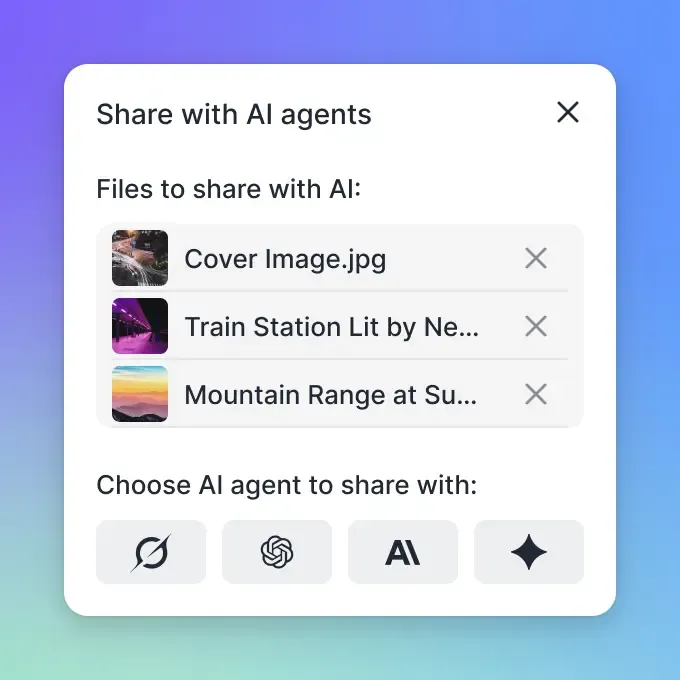
Fastio is unique because it is designed for collaboration. It is the one of the few solutions where a human marketing manager can drop a PDF into a folder, and the AI agent can immediately read, index, and use it. This shared workspace model bridges the gap between biological and artificial employees.
Sources
References used to verify factual claims in this guide.
-
Returning customers who interact with AI-powered conversations spend 25% more on average
Frequently Asked Questions
What is the best MCP server for retail?
For infrastructure and memory, Fastio is the top choice due to its persistent storage and RAG capabilities. For payments, Stripe's Agent Toolkit is essential. For platform management, the Shopify Dev MCP is the standard.
Can retail AI agents process payments?
Yes. Using the Stripe Agent Toolkit or PayPal Agent Toolkit via MCP, agents can securely generate invoices, process credit cards, and manage subscriptions without human intervention.
How does Fastio help retail agents?
Fastio acts as the long-term memory for agents. It stores product catalogs, customer interaction logs, and media assets. Its Intelligence Mode allows agents to 'read' and search these files to answer customer questions accurately.
Do I need a separate vector database for my catalog?
Not with Fastio. When you upload your product catalogs (PDFs, spreadsheets) to a Fastio workspace with Intelligence Mode enabled, they are automatically indexed for semantic search, eliminating the need for a separate vector DB.
Is it safe to let agents handle customer data?
Yes, if you use the right tools. Fastio offers organization-owned storage, meaning data belongs to the company, not the individual agent. Combined with granular permissions and audit logs, this ensures compliance and security.
Related Resources

Give your retail agents a home
Start with generous storage, a consolidated MCP toolset, and built-in intelligence. Built for mcp servers retail workflows.