How to Do Product Roadmap Collaborative Planning
Product roadmap collaborative planning brings product managers, engineers, designers, and stakeholders together to align on priorities using shared visuals and documents. This method reduces misalignment and accelerates delivery by incorporating diverse input early. Learn the steps, tools like Fastio shared workspaces with real-time presence and comments, and practices for success.

What Is Product Roadmap Collaborative Planning?
Product roadmap collaborative planning is the practice of creating and refining product roadmaps with input from multiple teams using shared digital tools.
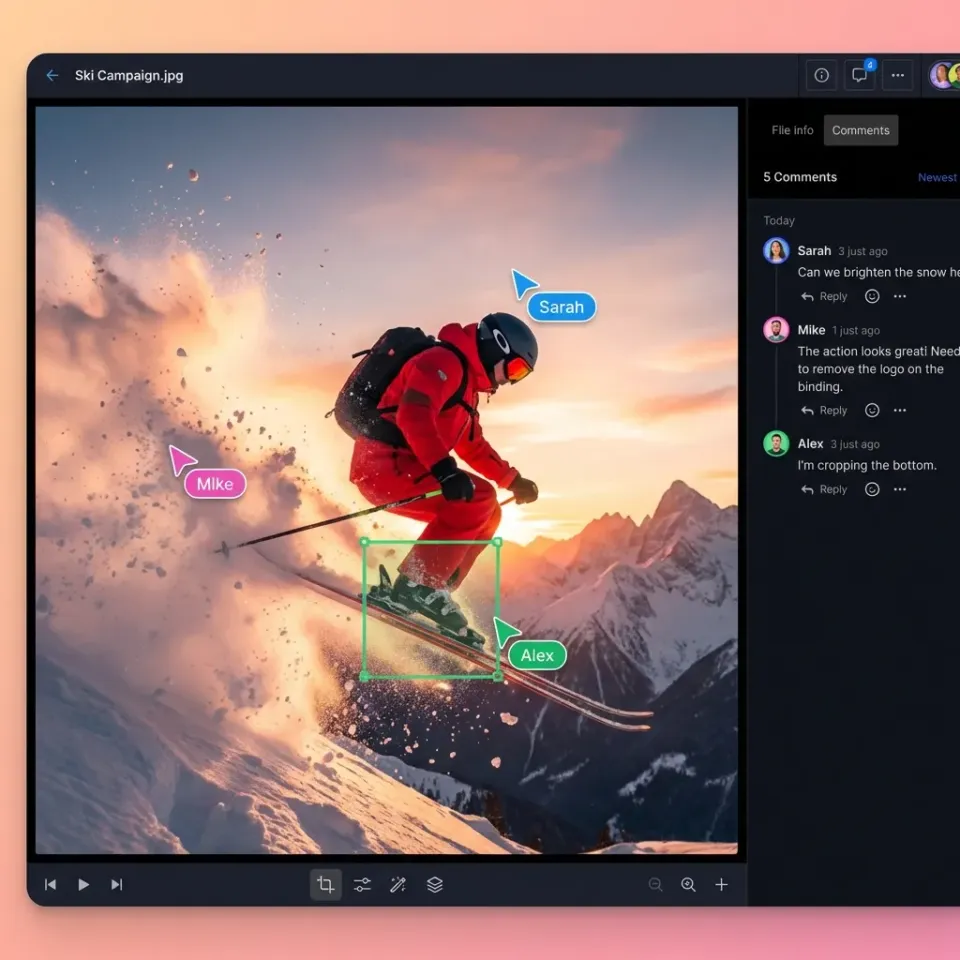
Roadmaps outline features, timelines, and priorities. Collaborative planning makes this a team effort, not a solo PM task. Teams upload documents, images, and spreadsheets to a central space. They add comments, track changes, and see who is viewing files live.
This approach works because it builds commitment. Engineers flag feasibility issues early. Designers ensure UX alignment. Stakeholders provide market insights. The result is a roadmap everyone owns.
Evolution from Static to Dynamic Roadmaps
Older roadmaps were PDF exports emailed around. Feedback came via email threads. Today, tools support live editing and presence. Fastio workspaces let teams follow each other's views and comment on specific image regions or doc pages. This turns planning into an interactive process.
Related guides
- 8 Best Video Review Platforms for Collaborative FeedbackA video review platform is software that enables stakeholders to watch, annotate, and approve video content through a...
- Implementing Collaborative Prompt Versioning for Shared Agent EnvironmentsTeams working on AI agents need a way to track changes to their instructions. When multiple people edit the same...
- Simplify Global Video Production with Collaborative AI LocalizationGlobal video teams often struggle when translating content for different languages and cultures. Collaborative AI...
- How to Set Up a Collaborative GeoJSON Review for AI Mapping AgentsValidating GeoJSON data is one of the most expensive parts of building autonomous systems. When mapping agents and...
- How to Build a Collaborative Human-AI Medical Image Labeling WorkflowCollaborative human-AI medical image labeling is a specialized workflow where physicians and AI agents work together to...
- How to Set Up a Collaborative Video Editing WorkflowCollaborative video editing enables multiple team members to contribute to a video project simultaneously or...
More on this subject: Team Collaboration (125 guides)
Why Collaborative Planning Matters for Product Success
Teams without collaboration face constant rework. Product builds features no one wants. Engineering spends weeks on low-priority items.
Planning together surfaces risks. A shared workspace shows effort estimates next to business value. Real-time discussions resolve debates fast.
Platforms with activity tracking log who viewed what. This transparency builds trust. Managers see engagement levels without meetings.
Essential Team Roadmap Tools and Features
Effective tools offer more than whiteboards. Look for file support, comments, and presence.
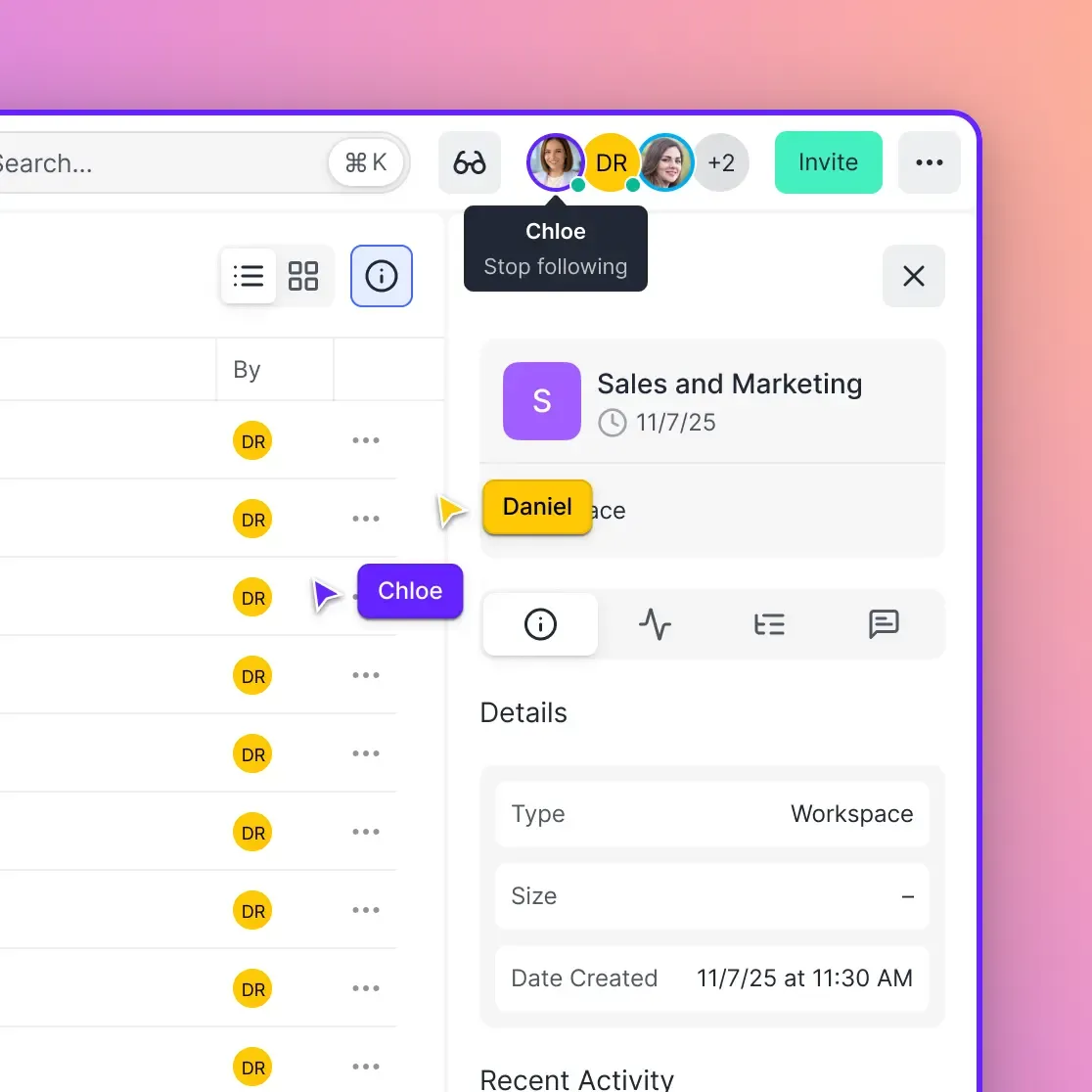
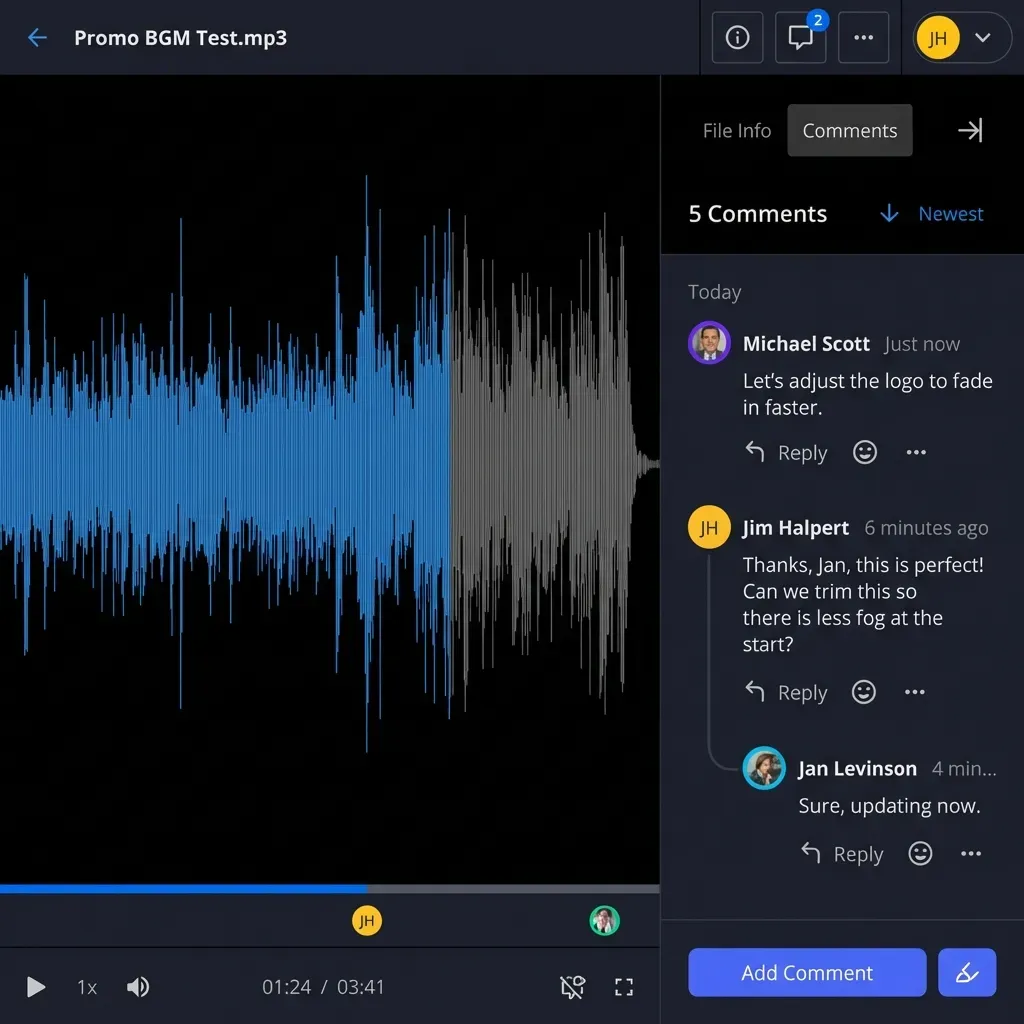
Fastio stands out for product teams. Create shared workspaces. Upload roadmap PDFs, timelines, and feature specs. Multiplayer presence shows avatars of active users. Follow mode syncs views for walkthroughs. Contextual comments pin feedback to exact locations—frame in a video demo or paragraph in a spec.
Compare to static tools like Google Docs or Miro. They lack integrated file previews and audit logs. Fastio handles large files without compression, streams media smoothly.
Other options: Aha! for strategy, Jira for tracking. Use them alongside file collab platforms.
What Makes Fastio Ideal for Roadmaps
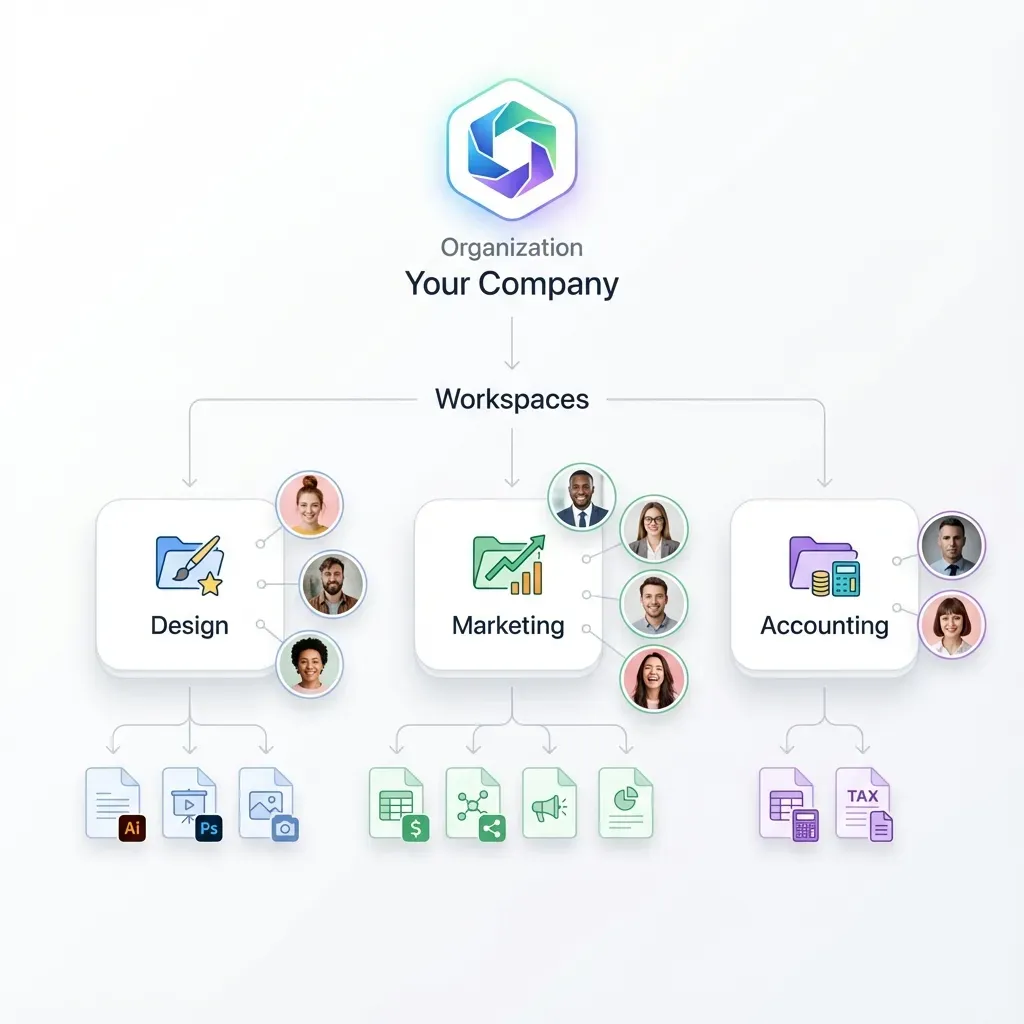
Unlimited workspaces organize by quarter or theme. Invite external stakeholders as guests—no seats needed. Granular permissions control edits vs views.
Activity feeds track uploads and comments. Export roadmaps anytime. No sync issues since cloud-native.


Ready for Better Roadmap Alignment?
Fastio shared workspaces make collaborative planning simple with real-time presence, comments, and unlimited guests. Start aligning your team today.
Step-by-Step Guide to Collaborative Roadmap Planning
Follow this template to plan collaboratively.
1. Define Objectives and Gather Input. Start with OKRs. Survey teams on priorities. Use forms or initial workspace posts.
2. Set Up Shared Workspace. In Fastio, create a "Q2 Roadmap" workspace. Upload templates: timeline spreadsheet, feature matrix image.
3. Prioritize Features. Share scoring sheet. Teams vote asynchronously. PM tallies and publishes ranked list.
4. Build Visual Roadmap. Use tools like Lucidchart, export PNG/PDF to workspace. Add timeline bars.
5. Live Review Sessions. Schedule walkthrough. Use follow mode to guide. Collect comments live.
6. Iterate and Approve. Address feedback. Version files automatically. Get sign-off in comments.
7. Link to Execution. Connect to Jira/Trello. Track progress in workspace activity.
Best Practices for Collaborative Product Planning
Keep sessions focused. Assign roles: PM facilitates, engineers estimate.
Use async first. Comments replace email chains.
Templates speed starts. Customize for your process.
Review quarterly. Adjust based on velocity data.
Measure success: fewer surprises in sprint planning, higher on-time delivery.
Integrating with Development Tools
Embed Jira tickets in docs. Link specs to epics. Activity logs feed retrospectives.
Solving Common Challenges in Roadmap Collaboration
Overload of Feedback. Time-box comments to 48 hours.
Access Issues. Granular permissions prevent over-sharing.
Lost Context. Threaded comments and pinned notes preserve discussions.
Scalability. Workspaces scale to large teams with folders.
Frequently Asked Questions
What are product roadmap tools?
Tools like Fastio, Aha!, Roadmunk, and Productboard help visualize and share roadmaps. Fastio excels in file collaboration with real-time features.
What are collaborative planning best practices?
Involve stakeholders early, use async tools for feedback, prioritize transparently, and review regularly.
How do you create a collaborative product roadmap?
Set up a shared space, upload visuals, invite team, review live, iterate on feedback.
What features make roadmap tools collaborative?
Real-time presence, contextual comments, activity tracking, and unlimited guest access.
How does Fastio support product roadmaps?
Through shared workspaces with live collaboration, comments on files, and presence indicators for aligned planning.
Why use visuals in roadmap planning?
Visuals communicate timelines and dependencies faster than text, aiding quick alignment.
Related Resources

Ready for Better Roadmap Alignment?
Fastio shared workspaces make collaborative planning simple with real-time presence, comments, and unlimited guests. Start aligning your team today.