Simplify Global Video Production with Collaborative AI Localization
Global video teams often struggle when translating content for different languages and cultures. Collaborative AI localization fixes this by bringing distributed teams and automated agents together to translate, dub, and adapt media in one shared workspace. This guide shows how these tools can cut production time while keeping you in control of your shared assets.

The Move to AI-Native Video Localization
Traditional video localization is often messy. Usually, you send huge raw files to different dubbing studios, wait for translations to come back, and then manually re-sync audio tracks in post-production. It is slow, expensive, and it is easy to lose track of which version is which. If the script changes in the main language, you have to manually update every single global asset.
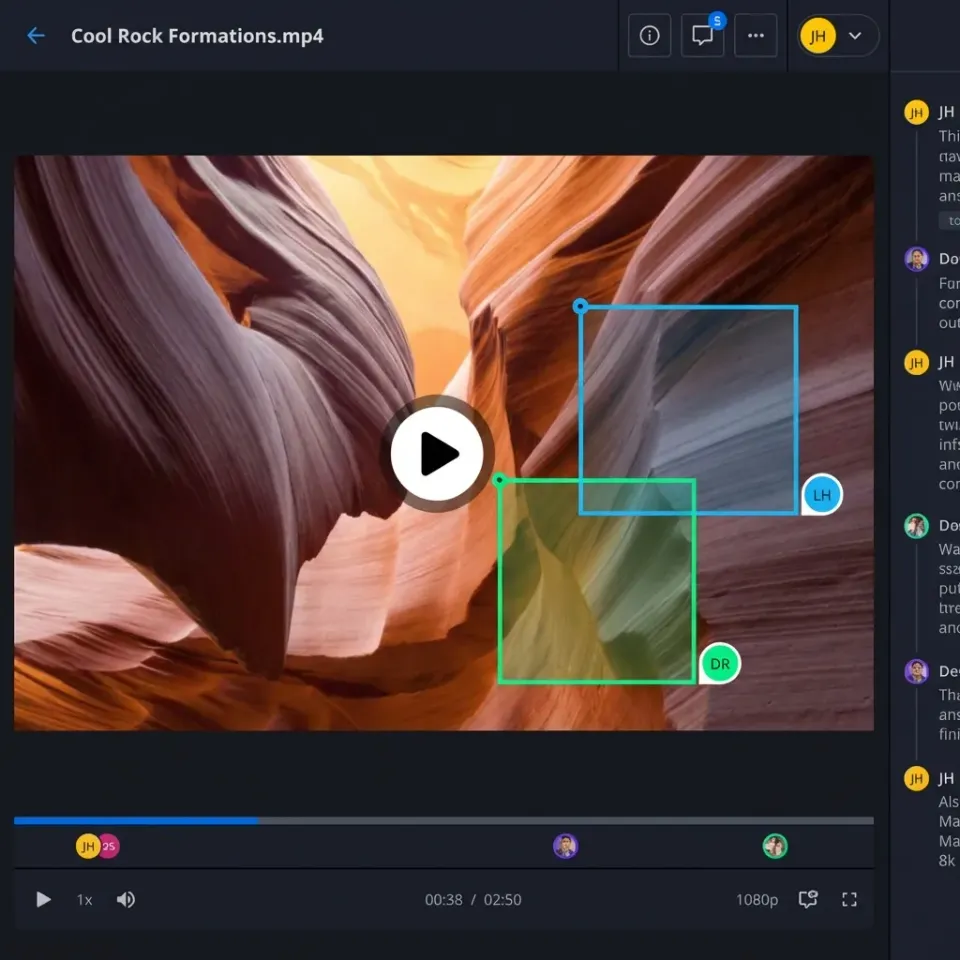
Modern media teams are taking a different approach. Instead of making localization a final, separate step, they build AI translation and dubbing right into the production workspace. By working in a shared environment, teams can manage original footage, translated scripts, and AI voiceovers in one place. This lets localization start the moment the first edit is finished.
The main benefit is speed. When teams use AI workflows, adapting a video for ten different markets takes days instead of weeks. This speed is important for news, social trends, and corporate updates that lose their value if they get stuck in a long translation queue.
Helpful references: Fastio Workspaces, Fastio Collaboration, and Fastio AI.
Related guides
- Video Localization: How to Share Files for Translation and DubbingVideo localization is the process of adapting video content for different languages and regions, including translation,...
- How to Build a Remote Video Editing Workflow That Actually WorksA remote video editing workflow is a structured process that enables video editors, producers, and clients to...
- How to Choose the Best Creative Cloud Storage for Your TeamCreative cloud storage goes beyond simple file hosting. For design teams and video editors, it means visual previews,...
- 7 Best InVideo Alternatives for 2026 (Free & Paid)InVideo has 7M+ users worldwide, but it's not the only option. Whether you need better AI avatars, advanced editing...
- 8 Best Video Review Platforms for Collaborative FeedbackA video review platform is software that enables stakeholders to watch, annotate, and approve video content through a...
- Wiredrive Alternatives: Best Options for Video Production TeamsA Wiredrive alternative is a media sharing platform that provides video review, client presentation, and asset...
More on this subject: Team Collaboration (125 guides)
What is Collaborative AI Localization?
Collaborative AI localization is how teams and AI agents work together to translate and dub video for global markets in a shared workspace. Unlike standard translation tools that only handle text, this approach manages the whole media lifecycle, including high-res video files, audio stems, and cultural metadata.
In this setup, human editors handle the creative direction and quality checks while AI agents do the repetitive work like transcription, time-stamping, and voice synthesis. For instance, an AI agent can create a Spanish dub that matches the tone of the original English audio. A human reviewer then checks for cultural accuracy before the final export. This mix ensures global content feels real while still moving fast.
Key parts of this system include:
- Auto Transcription: Turning speech into time-coded text layers.
- Context-Aware Translation: Using LLMs to translate scripts while keeping technical terms accurate.
- AI Voice Synthesis: Creating dubs that sound like the original speaker.
- Shared Asset Management: Keeping all versions and languages in one folder structure to avoid confusion.
Managing Shared Localization Assets
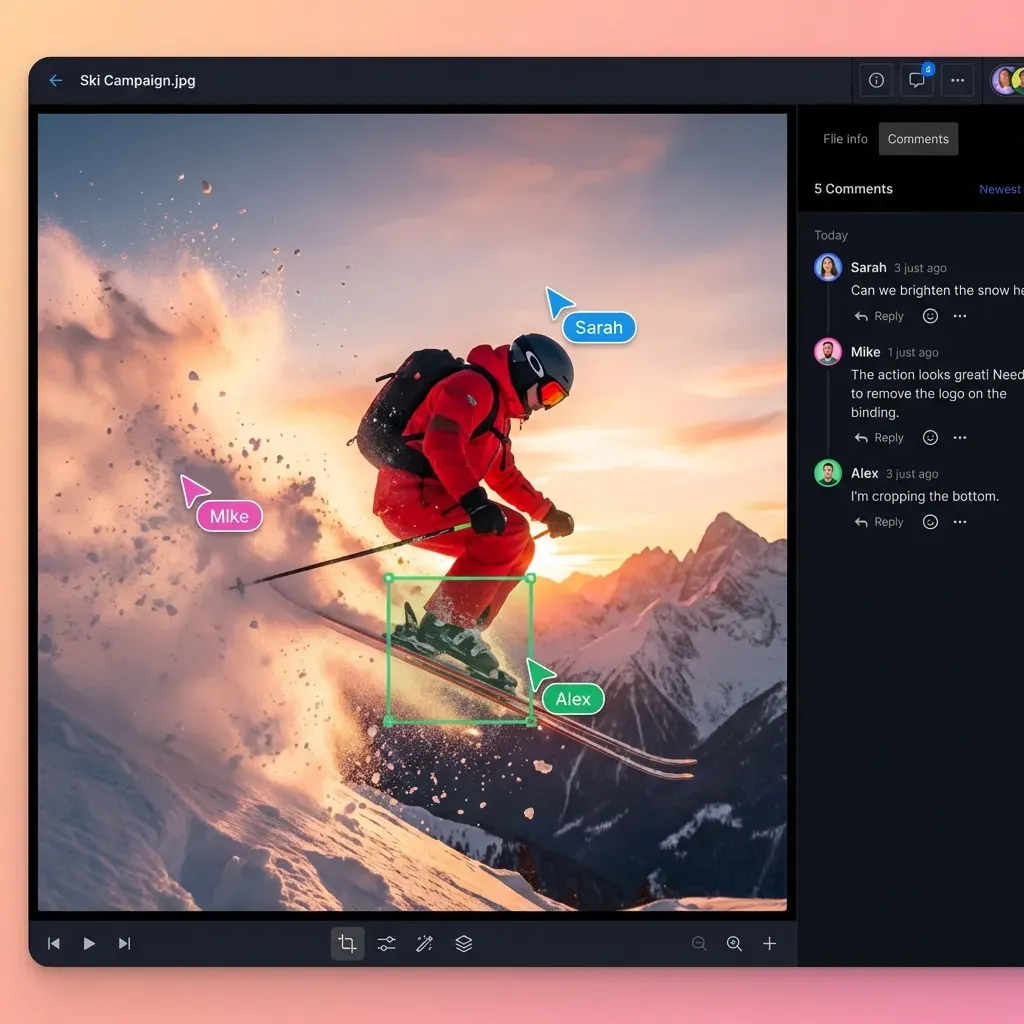
File management is one of the biggest challenges in global production. A single ten-minute video can create hundreds of extra files: subtitles, audio dubs, and localized graphics. In a basic folder setup, trying to find the right Spanish dub for a specific video version is difficult. This often leads to sending the wrong files to streaming platforms, which can be a costly mistake.
Shared asset management solves this by creating one place where everything lives. When a team uses a workspace like Fastio, every localized file is tied to the main project. You don't have to deal with files named "final-v2-spanish-fixed." Instead, everything is organized by language and version in a secure, searchable space.
Good asset management also fixes the "download/upload" problem. Editors used to have to download massive files from one cloud service just to upload them to a translation tool. With URL Import, teams can pull assets directly from Google Drive, OneDrive, or Box into their workspace without downloading them locally. This saves hours of time and keeps files from getting corrupted during transit.
Important features for media teams include:
- File Locking: Making sure two editors don't try to change the same subtitle file at once.
- Fast Search: Finding clips based on what is in them, like a specific scene or a line of dialogue, instead of just the filename.
- Smart Permissions: Letting the French dubbing team see only their folders while the master edit stays locked.


Collaborate on Files with Your Team
Stop wasting weeks on manual work. Join thousands of teams using Fastio to manage shared media and speed up their AI workflows. Get generous storage today. Built for collaborative localization video production teams workflows.
Using AI Agents for Better Lip-Sync
Getting translated audio to match an actor's lip movements is one of the hardest parts of video production. Historically, this meant hiring actors to carefully time their speech to the original footage. It's a specialized skill that costs a lot and takes a long time.
AI agents are changing this with new visual techniques. Modern localization tools can adjust an actor's mouth movements in the video to match the sounds of the translated audio. This "visual dubbing" makes for a much better experience for global audiences. It stops that awkward feeling when the sound and the picture don't quite line up.
To do this well, you need a workspace that can handle heavy processing. AI agents need to access the high-res master file and the audio data at the same time. By using a workspace with built-in file locks, these agents can work in the background without getting in the way of editors who are still finishing the final mix or color grade.
A Better Workflow for AI Dubbing Teams
To build a fast dubbing workflow, you need clear steps for both people and AI. Here is how to keep things moving:
- Prepare Source Assets: Upload the master edit and separate audio tracks. Keeping dialogue separate from music and effects makes AI processing much cleaner. Use high-quality formats like ProRes to avoid blurry artifacts.
- Auto Transcription: Use an AI agent to create a master transcript. This is the base for all your translations. Make sure it includes time-codes for every line to keep things in sync.
- Review the Script: A lead editor checks the transcript for errors. This is when you fix brand names or technical terms the AI might have missed.
- Translate and Adapt: Translate the script into your target languages. AI tools can now adjust the length of translated sentences to fit the original timing. Since German is often longer than English, the agent finds shorter ways to say things so they fit the same time slot.
- Generate Voices and Mix: Create the AI dubs using voice clones. Mix these back with the original background music. Watch your sample rates to make sure the pitch stays correct.
- Native Speaker Check: Have a native speaker watch the final video. They check if the tone matches the acting and if the local phrasing sounds natural.
This process works in loops. Because everything is in a shared workspace, the reviewer can leave feedback right on the file, and the AI agent can fix specific parts in minutes.
Security for Global Media Assets
When video assets move through a global team, security is a major concern. Unreleased films, internal training, and news footage have to be protected from leaks. A collaborative workspace gives you the tools to manage these risks.
Audit logs are a key part of this. Every time someone (or an AI agent) opens, downloads, or changes a file, it's recorded. This lets managers track an asset through its whole life and make sure it stays in the right hands. If a leak happens, you can see exactly which account was involved.
Access control matters too. When you have freelancers in different time zones, you can give them access to only the specific language folders they need for a set amount of time. This "limited access" approach keeps your main files safe. Also, using Single Sign-On (SSO) means you can remove a team member's access across all tools the moment their contract is over.
How AI Agents Help Distributed Teams
AI agents are changing how video teams work with their files. Instead of manually moving data between storage and translation services, you can let agents do it for you. Using the Model Context Protocol (MCP), agents can use hundreds of different tools to manage the media process.
For example, an agent can watch a "raw footage" folder. When a file arrives, the agent automatically starts the transcription, sends it to a translation agent, and then uses a dubbing tool to create three different language versions. It then puts the finished clips in the right folders and pings the team. This cuts out the manual work that usually adds days to a project.
This works because modern workspaces are smart. Once a video is uploaded, it is indexed for search. A team member can just ask the chat interface, "Which German videos still need a review?" and get a list with links. This takes the boring admin work off the plate of creative teams so they can focus on the story.
The True Value of Collaborative AI
Moving to a collaborative AI workflow is more than just a technical change. It changes the math of video production. To see the real value, you have to look past the per-minute cost of AI and look at the whole project.
In the old model, localization costs were linear. If you wanted ten languages, it cost ten times as much. You paid for ten studios, ten sets of actors, and ten engineers. With collaborative AI, it's much easier to scale. The setup for managing the files is shared across every language. Once you have the master transcript and voice profiles, adding more languages is fast and cheap.
You save the most in post-production. A manual dubbing session involves an engineer spending hours fixing lines and adjusting the mix. An AI agent can do this across many languages at once. For a company making many hours of video a year, this saves a massive amount in labor costs.
Also, getting to market faster is a huge advantage. In digital marketing, being the first to launch a localized campaign can be the difference between success and being ignored. By cutting production time, brands can jump on global trends while they are still happening.
Why Teams are Moving to AI-Native Platforms
The switch to AI localization is happening because the results are easy to see. Data from OneSky shows that these workflows cut the time it takes to get content to global markets. This speed lets brands hit trends while they still matter. One electronics retailer used these tools to launch a campaign in multiple countries at once, something that used to take them six weeks to coordinate. The cost savings are just as big. Industry data shows that AI dubbing and translation can cut total costs compared to old studio methods. You spend less on studio rentals, manual editing hours, and shipping hard drives around the world. Teams also see fewer mistakes. Shared asset management with file locking cuts down on the file conflicts that usually slow down distributed teams. For a major media house, that stability is just as important as the money saved. When you are managing millions of dollars in video, knowing your files are safe and organized is a huge relief.
Frequently Asked Questions
How does AI dubbing handle cultural differences?
AI dubbing uses Large Language Models to understand context, but it works best when people are involved too. AI handles the translation and timing, while native speakers check the final version to make sure the humor and cultural references land correctly. This makes sure the message feels right, not just like a direct translation.
Is AI localization safe for unreleased videos?
Yes, if you use a secure workspace. Professional platforms use encryption, audit logs, and strict access controls. This makes sure only authorized people and agents can see the files, which prevents leaks of sensitive content. Every action is tracked, so you always know who has touched a file.
What is the best way to manage localization files?
Use a centralized workspace that tracks file versions and indexes everything automatically. Don't rely on personal cloud folders or email. Instead, set up a clear folder structure where each language has its own space tied to the main project. Use file locking so team members don't accidentally save over each other's work.
Can AI agents automate the whole process?
Agents can handle much of the work, like transcribing and initial dubbing, but you still need people for the final check. Humans are better at catching creative tone and cultural nuance that AI might miss. Think of AI as the engine that does the hard work and humans as the ones who make sure the final result is perfect.
What is a collaborative dubbing workflow?
It is a system where team members and AI agents work in the same digital space at the same time. Tasks like editing scripts, creating voices, and mixing audio happen together rather than one after the other. This removes the delays that usually slow down traditional production.
How do I handle updates to the video after localization starts?
In a shared workspace, this is done through versioning. When the main video changes, AI agents can spot exactly what was updated and only re-localize those specific parts. This saves a lot of time because you don't have to start the whole project over from scratch.
What file formats work best for AI localization?
For the best results, use high-quality formats like ProRes. For audio, provide separate tracks for dialogue, music, and effects in WAV format. This lets the AI agents process the speech without background noise getting in the way.
How long does it take to set up an AI localization pipeline?
You can do a basic setup in a few hours by linking your storage to a smart workspace. Once it's connected, you can start automating tasks right away. Fully integrating custom voice profiles and specialized tools usually takes a few days of testing to get everything perfect.
Related Resources

Collaborate on Files with Your Team
Stop wasting weeks on manual work. Join thousands of teams using Fastio to manage shared media and speed up their AI workflows. Get generous storage today. Built for collaborative localization video production teams workflows.