How to Share Educational Resource Libraries Securely
Educational resource library sharing enables teachers, schools, and districts to organize and distribute lesson plans, worksheets, videos, and other teaching materials securely. Resource libraries organize and share teaching materials across districts. They save preparation time and support consistent quality instruction.

What Is Educational Resource Library Sharing?
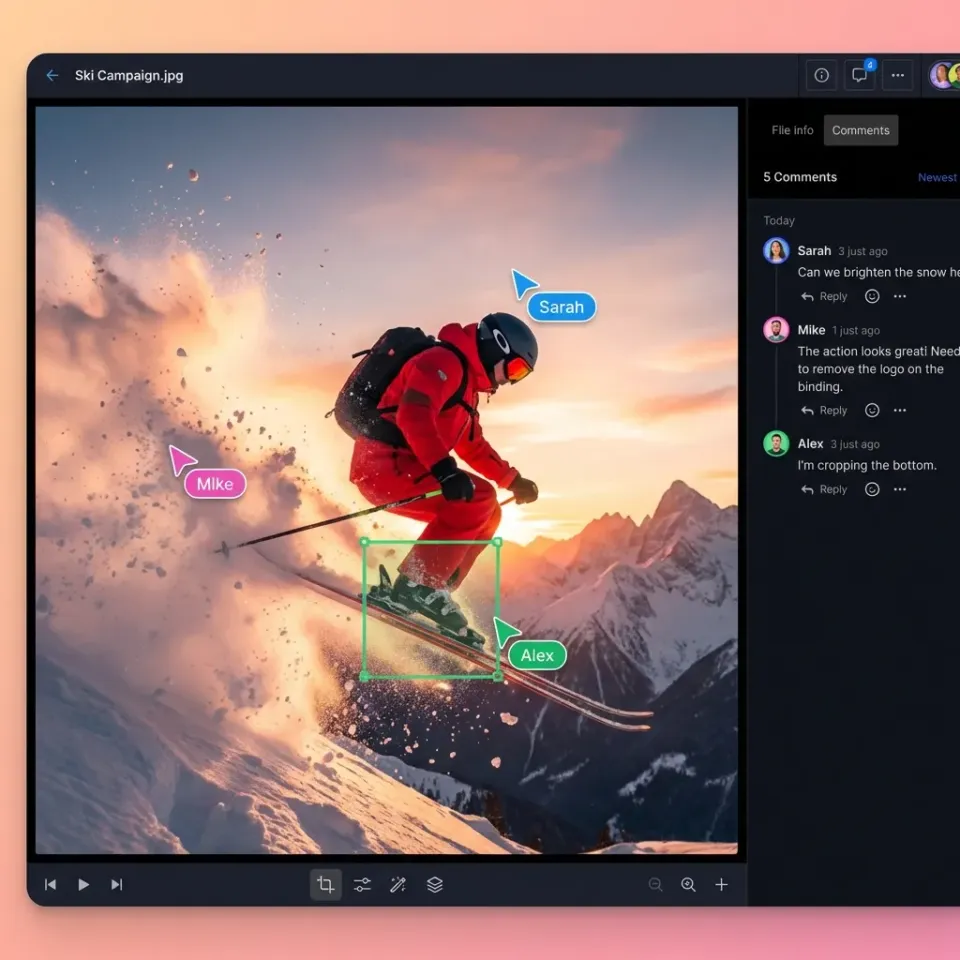
Educational resource library sharing is the practice of organizing digital teaching materials, like lesson plans, worksheets, presentations, videos, and assessments, into centralized collections for distribution among educators. These libraries allow teachers to access, reuse, and adapt materials from colleagues or districts. In the US, 98,577 public schools rely on such systems to standardize instruction and reduce duplication. Schools use them for curriculum alignment, professional development, and parent portals. Secure platforms prevent unauthorized access to sensitive student data or copyrighted content.
Helpful references: Fastio Workspaces, Fastio Collaboration, and Fastio AI.
Why It Matters for Schools
Consistent access to vetted resources ensures quality instruction for all students. This frees teachers to spend less time creating materials from scratch. Districts also maintain control over materials.
Related guides
- Top 10 Lesson Plan Collaboration Tools for Teachers in 2026Teachers spend roughly 7 hours per week searching for instructional materials and another 5 hours creating their own....
- 10 Best Classroom File Collaboration Tools for TeachersClassroom file collaboration tools let teachers share assignments, projects. and feedback with students in real time....
- How to Set Up a Teacher Student File Feedback SystemTeachers face a weekly grind reviewing student work—essays, spreadsheets, art sketches, video projects. Traditional...
- Top K12 File Sharing Platforms for SchoolsTeachers, students, and parents exchange assignments, resources, and feedback on K12 file sharing platforms. Schools...
- How to Build a School Parent Portal for Secure File SharingGuide to school parent portal file sharing: Schools need a secure way to share report cards, IEPs, permission slips,...
- How to Set Up Student Project Collaboration WorkspacesStudent project collaboration workspaces give groups a single place to upload files, add comments, and track changes...
More on this subject: Education (15 guides)
Common Challenges in School Resource Sharing
Traditional email attachments or USB drives don't handle modern educational files well. A single 4K instructional video or interactive GeoGebra simulation can exceed 2GB, triggering bounces or corruption during transfer. Teachers resort to compression, which degrades quality for student-facing materials like high-res diagrams or videos.
Public shared folders in consumer tools like Google Drive or Dropbox pose serious risks. A misconfigured link can expose student names, grades, or personalized feedback to the entire internet. In recent years, several districts faced data breaches from over-permissive shares, resulting in parental complaints and regulatory scrutiny.
Standard keyword search performs poorly in large libraries. Typing "algebra worksheets grade 8" might overlook files titled "Alg8_Unit3_Quadratics.pdf" or miss context-specific needs like "differentiated for English language learners". Teachers end up scrolling through hundreds of folders during limited prep time.
Version management turns chaotic. Multiple copies proliferate as "Lesson1_v2_final_reallyfinal.docx", and accidental overwrites in shared docs erase hours of work. Aligning resources to evolving standards like Next Generation Science Standards (NGSS) or updated Common Core becomes nearly impossible without clear history.
FERPA compliance creates constant pressure. Districts must demonstrate protection of personally identifiable information (PII) with detailed access logs covering every view and download. Lacking granular permissions and real-time tracking makes proving "minimum necessary access" during audits difficult.
School networks make these problems worse. Limited bandwidth and peak-hour throttling delay previews of images, videos, or 3D models. Consumer platforms often lack education-optimized features like domain whitelisting or bulk permission assignment.
These issues create duplicated work and inconsistent lesson quality. Teachers end up spending more time searching than teaching.
Key Benefits of Secure Teacher Resource Portals
Secure resource portals reduce admin work by centralizing materials in one place. Districts report halving the time teachers spend requesting files from colleagues or recreating from scratch.
Semantic search speeds up discovery. Rather than rigid keywords, teachers ask natural questions like "interactive fraction lessons for visual learners grade 4 struggling with equivalents", receiving ranked PDFs, videos, and lesson plans with AI-generated summaries and direct citations.
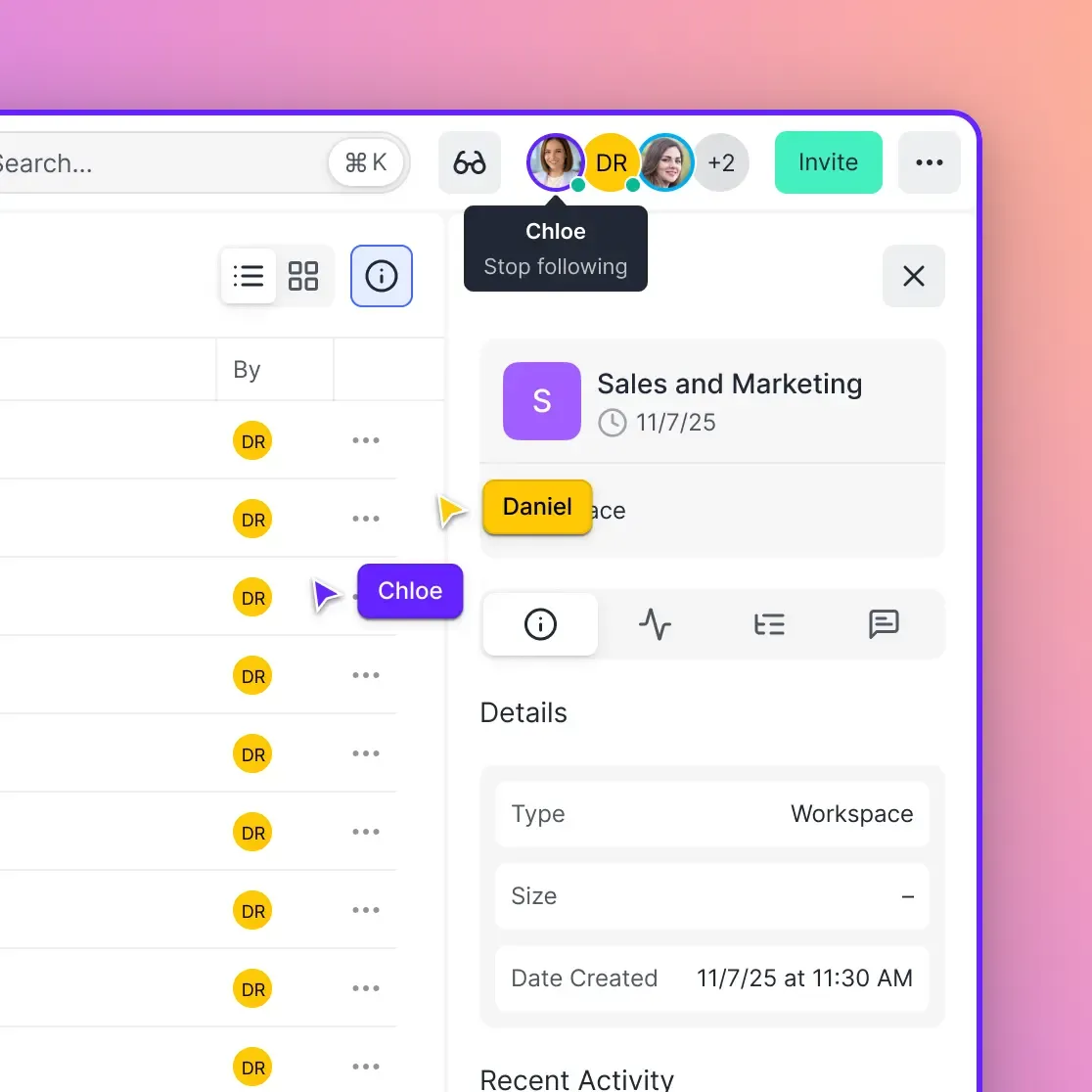
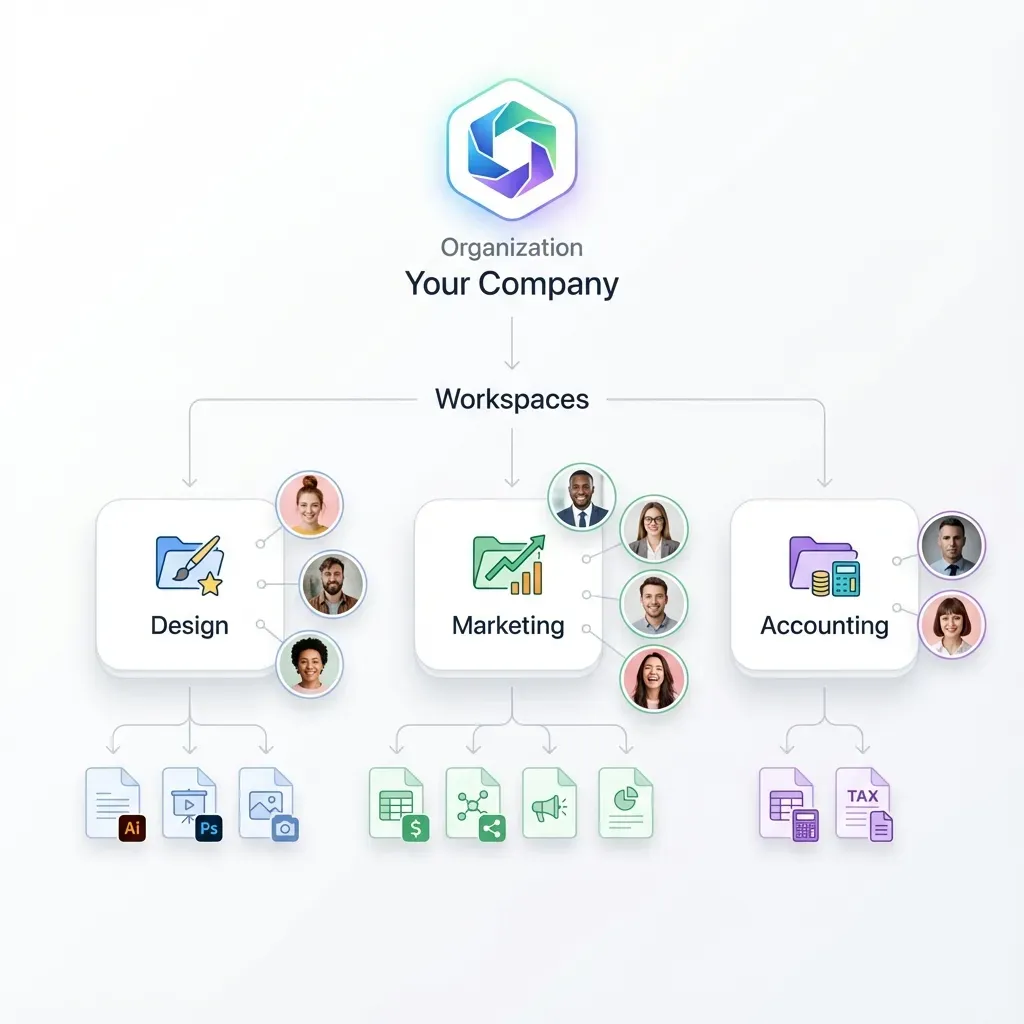
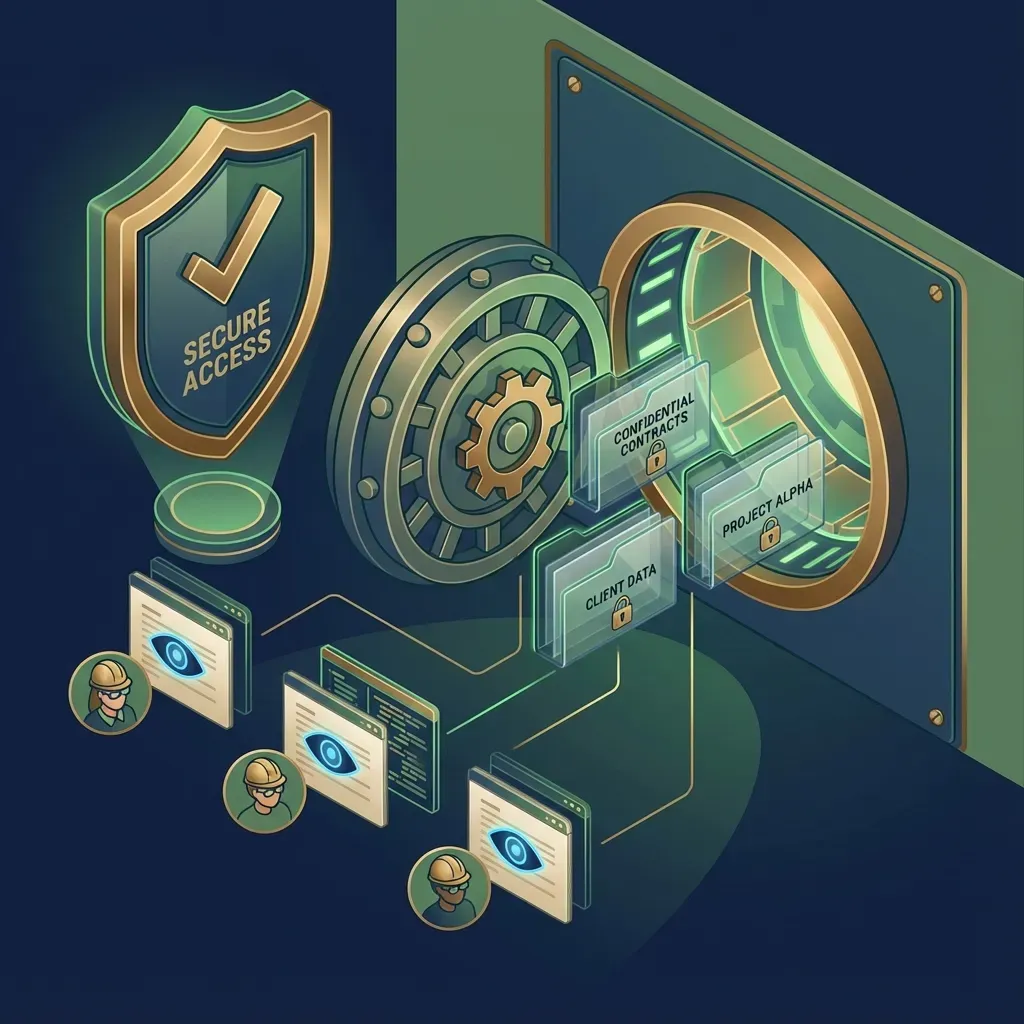
Granular permissions provide precise control. Assign roles like district admins to manage structure, department leads to edit and organize contributions, classroom teachers to view/download/edit their subjects, and parents or substitutes for read-only previews. Permissions cascade from organization to file level, preventing accidental exposure.
Branded shares add professionalism. Create custom portals with your school logo, colors, and messaging for parent-teacher conferences, grant partners, or substitute teachers. Links fit into school websites or newsletters.
Detailed audit logs track every action. They record who viewed or downloaded what file, when, and from which device. Filter by users, dates, or types. Export CSV reports for FERPA audits or board presentations.
Large file support accommodates reality: upload full-semester video courses, high-poly 3D biology models, or AP Statistics datasets without splitting or compressing.
Real-time collaboration boosts efficiency. Live presence indicators show who's online, contextual comments pin feedback to specific slides or video timestamps, and follow mode syncs views for virtual PLC meetings.
These features give teachers access to high-quality materials and save time while simplifying compliance.


Set Up Your Secure Resource Library Today
Fastio provides shared workspaces, semantic search, and audit logs for education teams. Built for educational resource library sharing workflows.
Step-by-Step Guide to Sharing Securely with Fastio
Step 1: Create an Organization and Workspace
Start by signing up for a Fastio account at Fastio. Once logged in, create a new organization for your school or district. This ensures all files are owned by the organization, not individual teachers, so materials stay available even if staff changes.
Next, add a new workspace inside the organization. Name it descriptively, like "District K-12 Resources" or "Math Curriculum Library". Workspaces serve as secure containers for related groups of materials, with their own permissions and settings.
Invite team members by email or through SSO integration with Google Workspace or Microsoft for Education. Teachers can join instantly with their school credentials, streamlining access without extra accounts.
Step 2: Upload Your Library
Use the intuitive drag-and-drop interface to upload lesson plans, worksheets, interactive PDFs, educational videos, and assessments. Fastio supports large uploads, making it a good fit for big video libraries used in science simulations or full course modules.
For existing collections on other drives, use bulk import from ZIP files or the URL import feature to pull from Google Drive or OneDrive without downloading locally first. Chunked uploads ensure reliability on spotty school networks.
Turn on Intelligence Mode immediately after uploading. This feature automatically indexes every file for semantic search and AI chat, so teachers can query "hands-on photosynthesis experiments for middle school" and get exact matches with citations.
Step 3: Organize with Folders and Metadata
Build a clear folder structure, such as "Science/Grade6-8/Experiments" or "ELA/HighSchool/PoetryUnits". Consistent naming conventions make navigation intuitive for busy teachers.
Enhance discoverability with custom metadata on files: add fields for grade level, subject area, aligned standards (like Common Core CCSS.ELA-Literacy.RL.9-10.2), difficulty, and keywords. Metadata powers advanced filtering and search.
Apply tags for themes that span categories, such as "differentiated instruction", "STEM integration", or "remote learning adaptable". Tags help surface resources during professional development sessions.
Step 4: Set Granular Permissions
Define precise roles within the workspace: district admins manage all aspects, department heads can edit and organize, classroom teachers get view/download rights, and substitutes or parents have preview-only access.
Set permissions at the folder or file level to compartmentalize content. For example, elementary teachers see only K-5 materials.
Integrate SSO with your school's identity provider for seamless logins. Enable MFA for admins to add another layer of protection.
Step 5: Generate Branded Shares
From the workspace or folder, generate share links for teachers, parents, or partners. Customize the portal with your school logo, colors, and header text like "Welcome to Oakwood District Resources Portal".
Configure controls: require passwords, set auto-expiration (end of semester), enable view-only for sensitive previews, or disable downloads entirely. Track engagement with built-in analytics.
Branded shares look professional for parent-teacher conferences, grant reporting, or sharing with substitute lists.
Step 6: Monitor with Audit Logs
Dive into comprehensive audit logs that record every action: who viewed or downloaded which file, timestamps, IP addresses, and session details. Filter logs by user, file type, or date to spot trends.
Set up real-time notifications for suspicious activity, like multiple downloads from one account or access outside school hours. Export logs for compliance reports.
Regular log reviews ensure FERPA adherence and provide insights into popular resources, guiding future curation.
This complete process takes about 30 minutes for a starter library and scales to thousands of files and hundreds of users across large districts.
Using Semantic Search in Resource Libraries
Most platforms rely on keywords, missing context. Fastio's semantic search understands meaning. Ask "resources for dyslexic students on phonics" for relevant PDFs and videos.
Intelligence Mode indexes files automatically. Chat queries return cited answers.
Teachers spend less time hunting. Districts ensure equitable access to specialized materials.

Security Best Practices for Education
Set up SSO with your school's identity providers and enable MFA. Encrypt files at rest and in transit.
Run regular audits to confirm compliance. The ownership model keeps files owned by the district, not individuals.
For external shares, disable downloads where needed. Test access controls before rollout.
Comparing Teacher Resource Sharing Platforms
When choosing a platform for school resource sharing, consider file size support, search capabilities, security, and ease of use. Here's a comparison of popular options:
Fastio suits education with large file support and semantic search that handles queries like "algebra worksheets for visual learners". Traditional drives struggle with video files and lack meaning-based discovery.
For districts, the ability to audit every access and set role-based permissions makes compliance straightforward. A 14-day trial (credit card required) lets districts run pilots.
Real-World Implementation Example
Consider Lincoln Public Schools, a mid-sized district with 15,000 students. They faced scattered resources on personal drives and email chains, leading to duplicated work and outdated materials.
Switching to a centralized Fastio workspace cut prep time as teachers reused vetted lessons. One math department head organized 500+ files by grade and standard, enabling semantic searches like "geometry proofs with diagrams".
Parents accessed a branded portal for optional materials during conferences. Audit logs confirmed no unauthorized access, easing FERPA worries. The rollout took two weeks, starting with math team pilot.
Teachers found resources faster and used more high-quality, vetted materials. Districts like this benefit from organization-owned files that persist beyond teacher turnover.
Sources
References used to verify factual claims in this guide.
-
98,577 public schools in the US (2020–21)
Frequently Asked Questions
How to share teaching resources securely?
Use platforms with granular permissions, audit logs, and encryption. Create role-based workspaces, branded portals, and set expiration dates on links.
What are the best platforms for school resource sharing?
Fastio offers large file support, semantic search, and education-focused features. Alternatives like Google Drive work for small files but lack advanced security and search.
How can teachers build a resource portal?
Start with a dedicated workspace. Organize by subject/grade. Share via branded links with view controls. Add semantic search for easy discovery.
Does Fastio support large educational files?
Yes, large file support with streaming previews. Ideal for video lessons or datasets.
What security features protect student data?
Granular permissions, audit logs, SSO, MFA, and encryption. Files stay organization-owned.
Related Resources

Set Up Your Secure Resource Library Today
Fastio provides shared workspaces, semantic search, and audit logs for education teams. Built for educational resource library sharing workflows.