How to Set Up a Teacher Student File Feedback System
Teachers face a weekly grind reviewing student work—essays, spreadsheets, art sketches, video projects. Traditional methods like email attachments or printed copies lead to version confusion, lost feedback, and hours wasted on admin tasks. Studies show U.S. teachers spend 5-7 hours per week grading alone.[1] Fastio workspaces solve these issues. Students upload files to dedicated class folders.

What Is a Teacher Student File Feedback System?
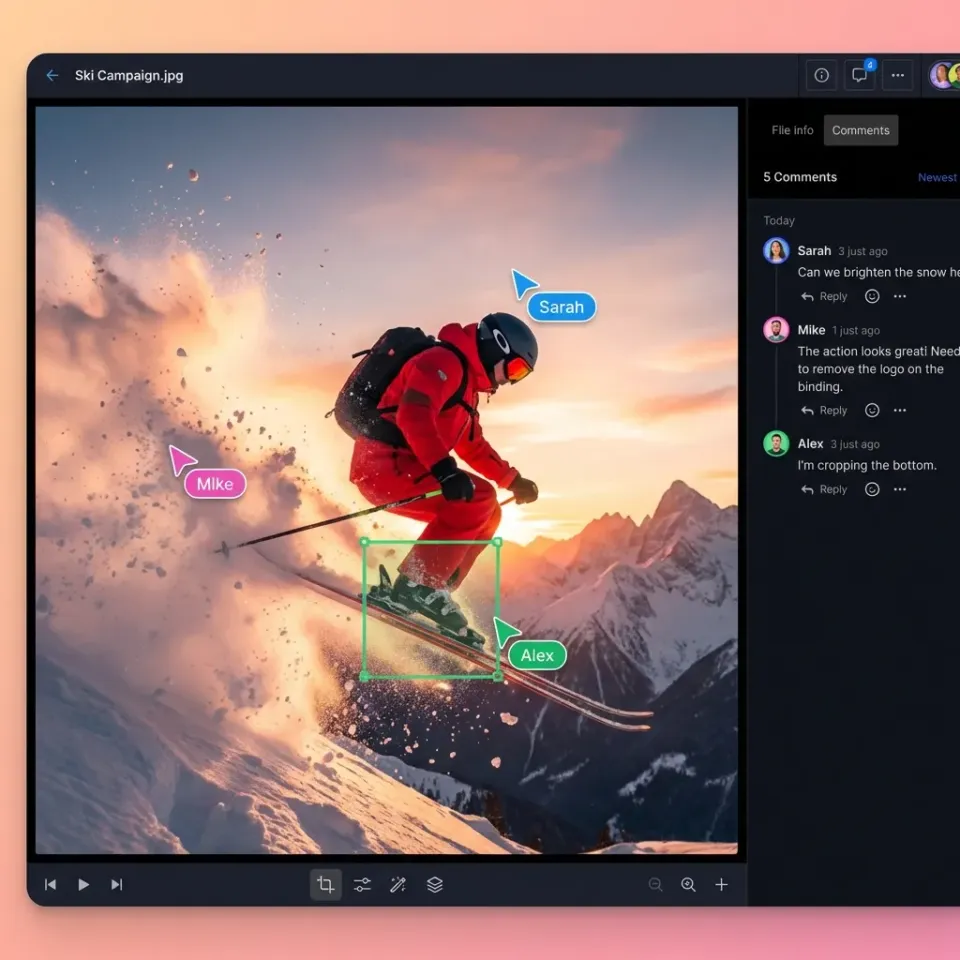
A teacher-student file feedback system is a structured digital workflow for reviewing and annotating student submissions. Instead of emailing Word docs or PDFs that get lost in inboxes, students upload files to a shared class workspace. Teachers open them in a browser, add comments anchored to exact locations—like page 3 of a history report or frame 45 in a science experiment video—and students see feedback precisely where it applies.
Consider Ms. Rivera, an 8th-grade English teacher. Her students submit 25 essays per unit. With Fastio, she previews each essay instantly, highlights weak thesis statements on page 2, and starts a discussion thread. Students reply in-thread, clarifying their arguments without new emails. This precision reduces misunderstandings and revision cycles. Each comment appears exactly where the issue lives, so students never wonder "what paragraph is she referring to?"
The system handles diverse file types with universal previews. PDFs render page-by-page with full navigation. Videos stream via HLS with waveform displays for audio tracks. Images zoom smoothly for detailed art critiques. Spreadsheets show cell-level granularity. Even specialized formats like Adobe Photoshop files, AutoCAD drawings, or RAW photography preview directly in the browser—no software installation required.
Key components include:
- Universal file previews (PDFs page-by-page, videos with waveforms, images zoomable).
- Contextual comments pinned to regions, pages, or timestamps.
- Version history and activity logs to track resubmissions.
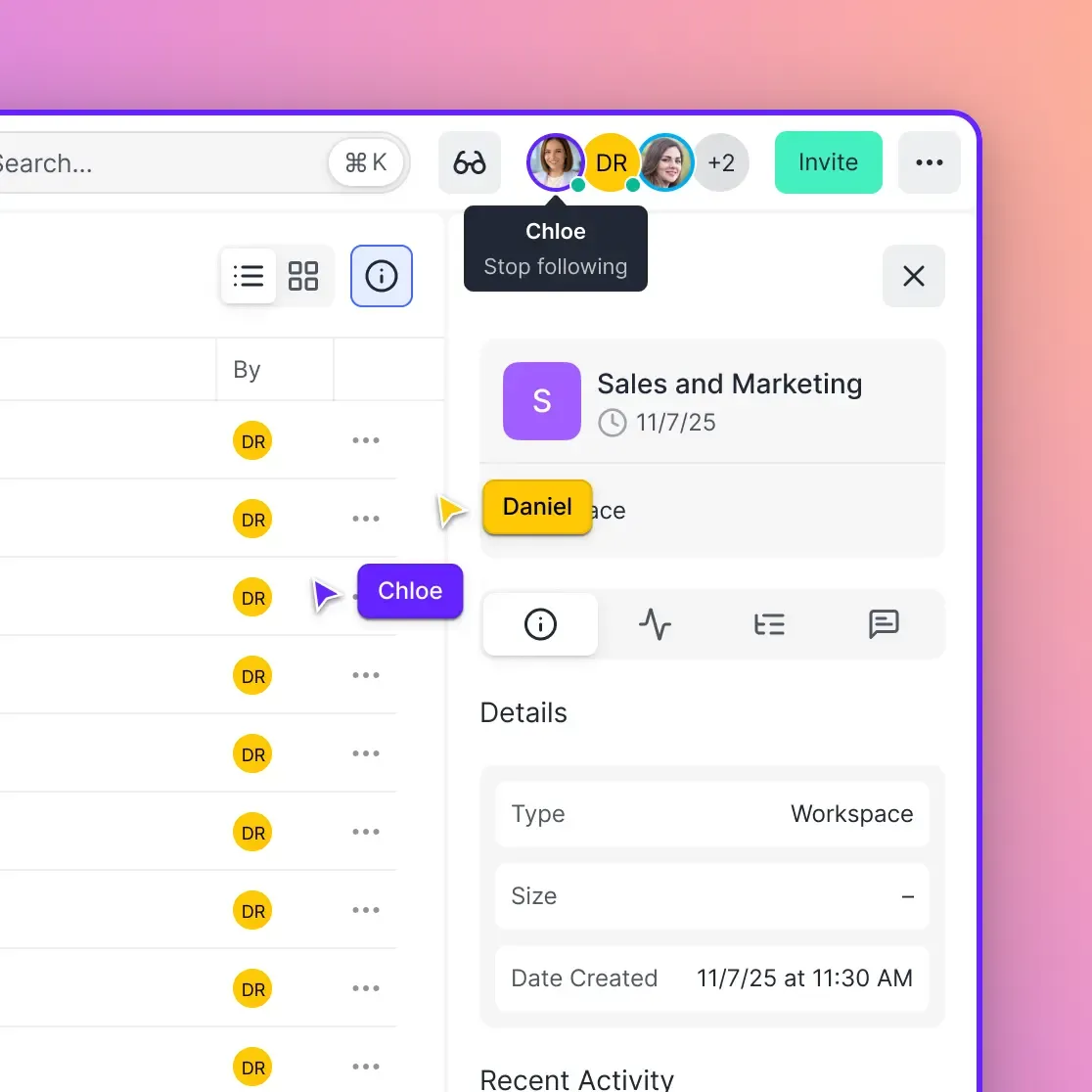
- Real-time presence for live review sessions.
Traditional systems fall short. Email chains bury notes; learning management systems (LMS) like Google Classroom offer basic comments but lack support for video or design files. According to Education Week, teachers dedicate 5-7 hours weekly to grading, much lost to file hunting.[1] Digital systems like Fastio organize everything centrally, speeding reviews.
In art classes, students upload Photoshop files (.psd)—Fastio previews layers without software installs. For math, spreadsheet formulas get line-specific notes. Music teachers analyze waveform timestamps. Engineering students share CAD drawings with layer-specific comments. This versatility supports diverse assignments, from creative projects to technical work.
Helpful references: Fastio Workspaces, Fastio Collaboration.
Related guides
- 10 Best Classroom File Collaboration Tools for TeachersClassroom file collaboration tools let teachers share assignments, projects. and feedback with students in real time....
- Top 10 Lesson Plan Collaboration Tools for Teachers in 2026Teachers spend roughly 7 hours per week searching for instructional materials and another 5 hours creating their own....
- How to Share Educational Resource Libraries SecurelyEducational resource library sharing enables teachers, schools, and districts to organize and distribute lesson plans,...
- How to Set Up Student Project Collaboration WorkspacesStudent project collaboration workspaces give groups a single place to upload files, add comments, and track changes...
- Top Student Homework Submission Portals for SchoolsStudent homework submission portals let students upload assignments online in a secure way. Files get organized...
- How to Build a School Parent Portal for Secure File SharingGuide to school parent portal file sharing: Schools need a secure way to share report cards, IEPs, permission slips,...
More on this subject: Education (15 guides)
Problems with Current Grading Practices
Current grading practices create friction at every step, wasting teacher time and frustrating students. Understanding these pain points helps justify investing in a dedicated file feedback system.
Email feedback dominates but fails quickly. Students attach essays or videos; teachers download, annotate in separate apps (Word, Adobe), reattach, and send back. Files named "Essay_v2_final.docx" confuse versions. Large videos (50MB+) bounce from email limits. Email threads grow to 20 messages per student, with feedback scattered across replies. Teachers waste minutes simply locating the latest version.
Take Mr. Patel in high school physics: 30 lab reports per quarter, each with graphs and data tables. Printing for red pen comments eats paper (500 sheets per term) and time rescanning to digital. Digital edits require matching software—students on Chromebooks cannot open his annotated Microsoft Publisher files. The friction discourages detailed feedback, leading to generic comments like "Good job" that don't drive improvement.
From student perspective, email feedback creates additional problems. They receive a new attachment but must hunt for changes, often missing context entirely. A comment saying "What on page 4?" forces them to re-read the entire document to find the issue. Revisions mean sending new emails, which delays teacher responses further. Research by the Bill & Melinda Gates Foundation notes delayed feedback reduces learning gains by 30%—students need timely, specific input to close knowledge gaps while content remains fresh.[3]
Learning management systems like Canvas or Schoology improve file sharing but limit annotation capabilities. Teachers cannot provide frame-accurate video feedback—no scrubbing to specific timestamps for cinematography critiques. Creative subjects suffer most: music recordings lack waveform navigation for production feedback, design homework skips visual previews, photography assignments cannot zoom to examine composition details.
Manual tracking adds significant administrative burden. Teachers maintain separate gradebooks in spreadsheets, cross-reference submission timestamps, and track which students have resubmitted. Group projects multiply this chaos: who owns the file? Which version is current? Without notifications, multiple students editing simultaneously leads to overwrites and lost work.
Survey data shows teachers report 10+ hours weekly on feedback administration alone.[1] This includes locating files, managing versions, grading, and communicating changes. Students, meanwhile, repeat the same errors from unclear feedback notes, perpetuating low performance. The cycle continues because existing tools lack context-specific annotation.
These compounding issues create frustration for everyone. Teachers feel overwhelmed by administrative tasks that steal time from actual teaching. Students receive feedback too late to act on it or too vague to understand what to change. Fastio addresses these challenges with in-place contextual annotations, live collaboration features, and comprehensive activity logs—no more version hunting or lost feedback.


Get Started with Fastio
Fastio workspaces deliver contextual comments, live collaboration, and generous storage for classes. Start grading faster today.
Assignment Feedback Tools Comparison
Several tools handle assignment feedback, but few excel across file types, precision, and collaborative ease. Understanding each option helps educators choose the right fit for their teaching style and subject matter.
Google Classroom works well for simple document-based assignments. Teachers assign Google Docs, students submit through the platform, comments appear in the sidebar. However, the system chokes on video assignments—no timeline scrubbing or timestamp-specific feedback. Creative subjects requiring visual or audio review find Google Classroom limiting. The platform also locks you into Google formats; a student submitting a Word document loses formatting.
Canvas (by Instructure) integrates deeply with school information systems but annotations remain superficial. Teachers can add comments to PDF submissions, but image region highlighting doesn't exist. Video feedback requires third-party integrations or links to external platforms. The learning curve is steep, and $10-20 monthly per user adds up across large departments.
Gradescope excels for standardized testing and bubble-sheet scans. Its AI-assisted rubric feature speeds grading for multiple-choice and short-answer questions. However, the platform ignores multimedia entirely—no video commentary, no audio feedback, no design file previews. STEM teachers sharing code or lab data find Gradescope's format requirements restrictive.
Turnitin focuses on plagiarism detection rather than pedagogical feedback. While it catches copied content, the annotation tools are basic—teachers cannot pin comments to specific paragraphs or provide the granular feedback that drives improvement. Turnitin also limits submissions to text documents.
Fastio stands out for versatility across every subject area. Preview a student's AutoCAD engineering blueprint, zoom to layer 5, and pin a comment: "Adjust scale here—current measurements don't match specifications." For choir recordings, waveform view lets you pinch-zoom to "Pitch goes flat at 1:23, work on that measure." Photography students receive RAW file previews with composition feedback pinned to specific regions.
Real-time collaboration elevates Fastio for live instruction. Teachers and students follow each other's views during virtual office hours, perfect for demonstrating concepts or reviewing work together. Presence indicators show exactly who is viewing, eliminating "did you see my comments?" back-and-forth.
Teams report saving 50% grading time with browser-based previews versus traditional download-annotate-reupload workflows, according to digital tool studies.[2] Fastio's Business Trial supports entire classes without per-student fees—a critical advantage for budget-conscious schools. The platform scales from individual tutoring to district-wide deployment without pricing tiers that punish growth.
For schools already invested in LMS platforms, Fastio complements rather than replaces them. Embed file previews directly in Canvas or Schoology using share links. Fastio's activity feed (over WebSocket or long-poll) surfaces new uploads as they happen, so a small script can pass new submissions to your LMS and keep gradebooks synchronized.
Fastio for File Feedback Workflows
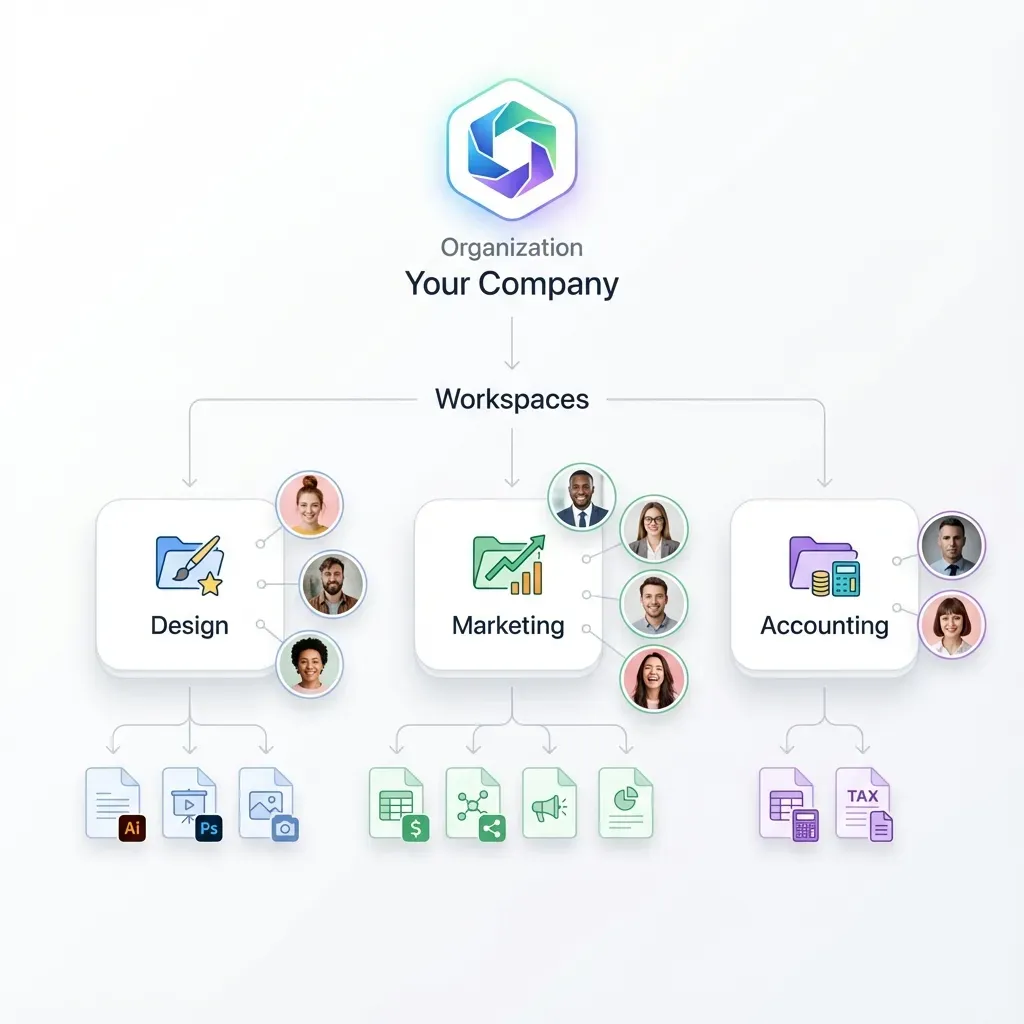
Fastio centers workflows around files, perfect for education. Create a workspace "Biology 202" with folders: /Labs, /Essays, /Videos. Share student-specific links with upload rights.
Students drag-drop submissions. Teachers preview instantly:
- PDFs: page navigation, highlight paragraph 4.
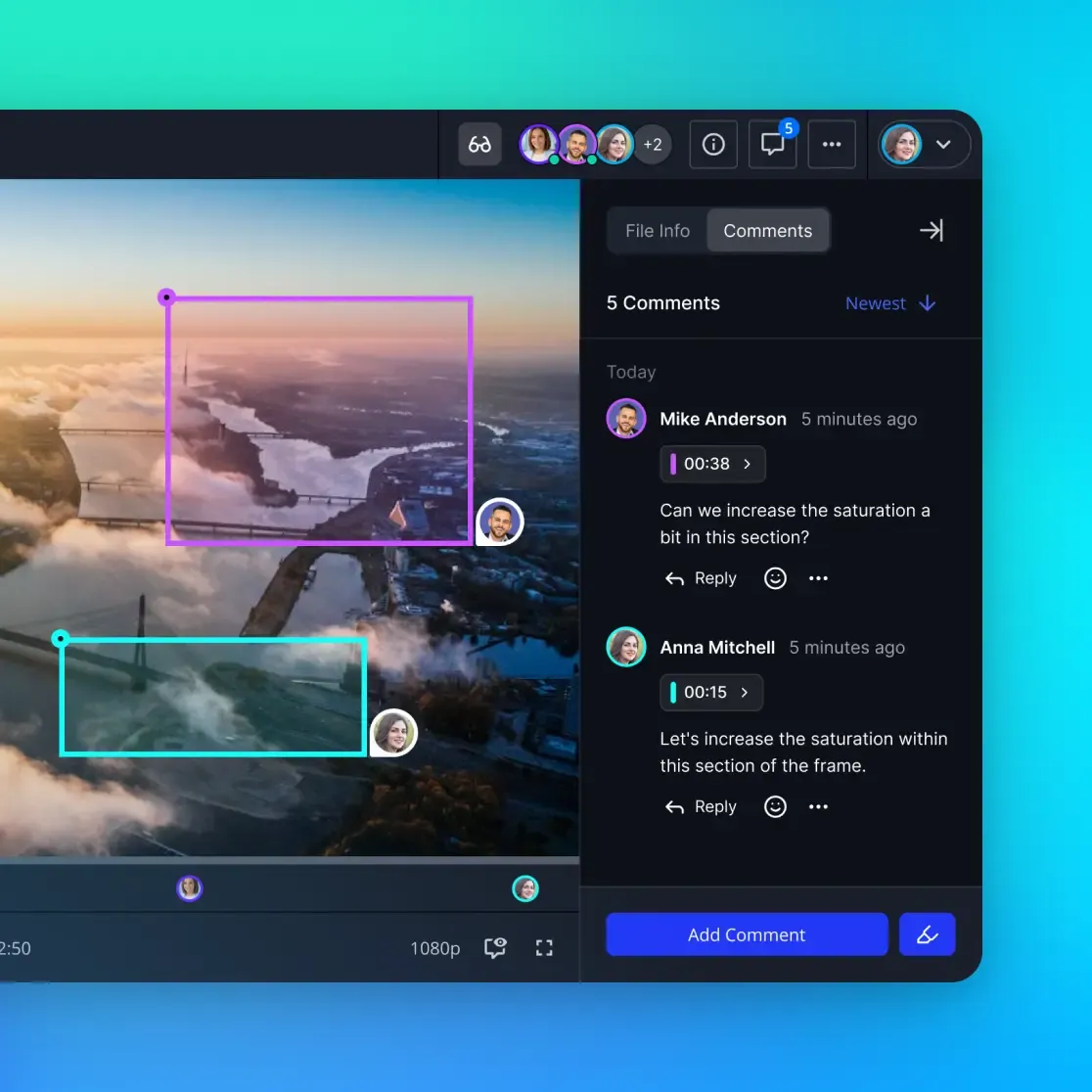
- Videos: HLS streaming (no buffering), pin to 2:15 timestamp, waveform for audio feedback.
- Images/Designs: zoom, region comments (e.g., "Balance composition here").
- Spreadsheets: cell-specific notes.
Contextual comments thread discussions—@mention students for notifications. Reactions speed approvals.
Real-time presence: avatars show active reviewers. Follow mode syncs scrolls for pair programming or live critiques.
Activity logs record everything: uploads, views, comments, downloads. Export for gradebooks or parent portals.
Edge cases handled: 1GB files chunked upload. Pro previews for RAW photos (photography club). Privacy: view-only shares for peers.
Teacher workflow: Scan /Homework folder, bulk preview thumbnails. Pin recurring issues (e.g., "Cite sources"). Students resubmit—new version auto-appends, old comments carry over.
Student perspective: Open workspace, see highlighted errors in place. Reply to threads, revise targeted sections. No app installs—browser everywhere.
Scales to 100+ students with search and filters.
Step-by-Step Setup Guide
Implement in 15 minutes:
Sign up at Fastio (14-day trial, credit card required). Create workspace "Algebra 101". Set org-owned for permanence.
Build structure: /Unit1-HW, /Projects/Group1. Permissions: students upload to folders, teachers full access.
Generate shares: "Upload your HW here" link. Post to LMS or email. Optional password for classes.
Review: Open file, preview, add comments (draw region > text). Use @studentname for alerts.
Live sessions: Invite class—presence shows participants. Follow struggling students' views.
Track: Activity feed lists actions. Filter by student/file. Export CSV for SIS import.
Resubmits: New upload creates version. Comments persist on original spots.
Tips: Pilot with one class. Train on previews (2-min video). For videos >100MB, advise compress lightly.
Edge: Offline? Previews cache basics. Groups: subfolders per team.
Measure: Time per assignment pre/post (target 50% drop).[2]
Best Practices and Advanced Tips
Maximize impact with these strategies:
Folder naming: /Grade8-Science/Lab3-GroupA. Consistent = fast search.
Rubrics: Pin as top-level comment, reference in file notes.
Student training: Demo uploads/previews day 1. Share rubric-aligned examples.
Group work: Sub-workspaces per team. Logs attribute actions.
Multimodal classes: Video labs? Timestamp feedback. Art? Region highlights.
Privacy: View-only for peer review. Expire shares post-term.
Integrations: Embed previews in LMS. Watch the activity feed for new uploads.
Scale tips: Tags for assignments. Semantic search for "quadratic equations."
Scenarios:
- Music teacher: Waveform pins "Sustain longer at 0:45."
- PE: Video form analysis, frame-by-frame.
- STEM: CAD previews, layer comments.
Constraints: Workspace, seat, and storage limits depend on the plan. Monitor credits for heavy AI use.
Outcomes: Teachers report 40-60% time savings; students 25% fewer revisions from contextual notes.
Advanced: Use activity analytics—low view time? Follow up.
Frequently Asked Questions
What file types does Fastio support for teacher feedback?
All common education files: PDFs (page comments), videos (frame/timestamp), images (regions), spreadsheets (cells), even pro formats like PSD, CAD, RAW via universal previews. No plugins needed—browser handles everything.
How does real-time collaboration work in classrooms?
Presence indicators show who's online. Click "follow" to sync views—ideal for office hours or group reviews. Cursors track live, comments appear instantly.
Can students revise based on feedback easily?
Yes. Upload new version to same spot—old comments stay visible on prior version. Students reply in threads, teachers see changes in logs.
Is Fastio free for teachers?
Fastio offers a 14-day trial (credit card required), then plans from $9.99/mo with shared workspaces and monthly credits included. No per-student fees.
How secure is student work?
Granular permissions, audit logs track all access, encryption in transit/rest. View-only shares prevent downloads.
What about large classes or video-heavy assignments?
Handles 1GB+ files with chunking/HLS streaming. Logs scale, search filters by student/date.
Related Resources

Get Started with Fastio
Fastio workspaces deliver contextual comments, live collaboration, and generous storage for classes. Start grading faster today.