Top K12 File Sharing Platforms for Schools
Teachers, students, and parents exchange assignments, resources, and feedback on K12 file sharing platforms. Schools want secure student data handling and simple family access. We review top options for security, parent access, file limits, and district costs. Fastio works with large research files and keeps detailed audit logs.

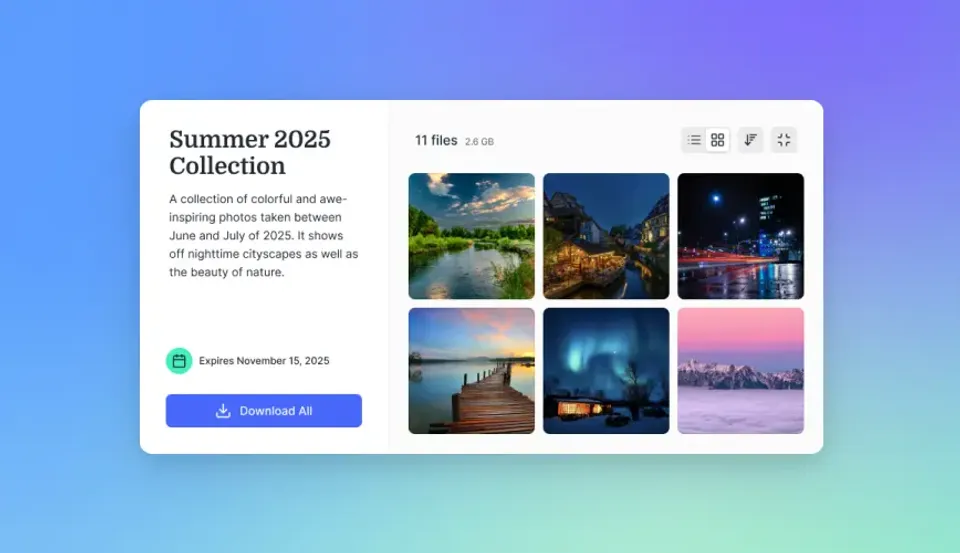
What to look for in a K12 file sharing platform
The evaluation criteria that matter most in K12 differ from general business use. FERPA compliance, parent access, and the ability to handle student-generated files of unpredictable size and format are all school-specific problems that most general-purpose tools weren't designed around.
The practical checklist: Does the vendor have a signed FERPA data processing agreement? Does the parent-facing experience work on a phone without requiring account creation? Does the permission model let teachers control what students can see of each other's work? Does it handle large files for science, media, and research without hitting caps at inconvenient moments?
Parent access is consistently the weakest point. Many platforms require parents to create accounts, remember passwords, and navigate interfaces designed for teachers, which is why adoption drops off mid-year when parents lose their login details and don't bother recovering them.
Elementary schools generally need simpler interfaces and better parent apps. Secondary schools need large file support for media production, research, and lab data. A single platform rarely optimizes for both grade bands equally.
Before rolling out any platform district-wide, IT should confirm the vendor has signed a FERPA data processing agreement. Most established platforms (Google, Microsoft, Canvas) include this in their standard education contracts, but newer tools may require a separate addendum. Documenting which platform handles which data types (assignments vs. grades vs. IEPs) prevents scope creep and simplifies audits.
See also: Fastio Workspaces, Fastio Collaboration, Fastio AI.
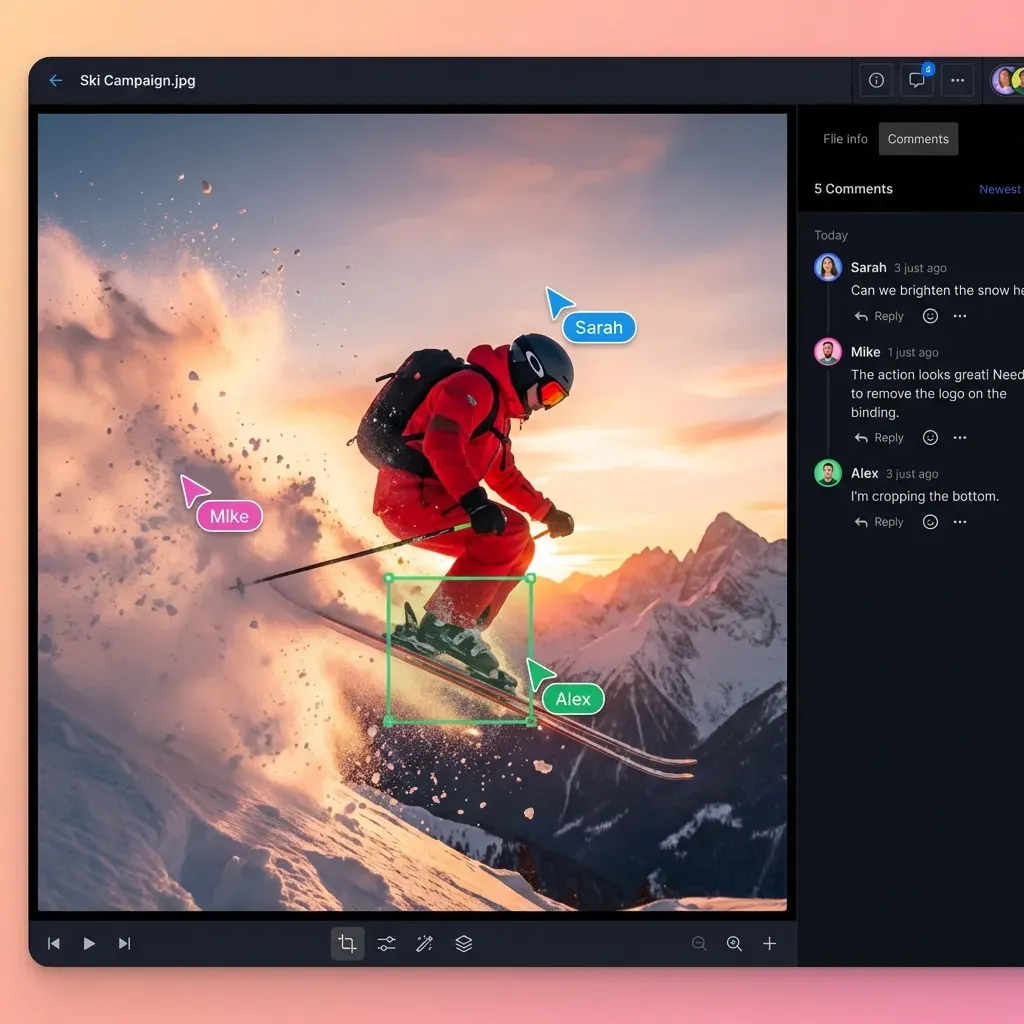
Related guides
- How to Build a School Parent Portal for Secure File SharingGuide to school parent portal file sharing: Schools need a secure way to share report cards, IEPs, permission slips,...
- How to Set Up Student Project Collaboration WorkspacesStudent project collaboration workspaces give groups a single place to upload files, add comments, and track changes...
- How Teachers Share Files Securely and CollaborativelyFile sharing for teachers means distributing lesson plans, assignments, worksheets, videos, and feedback securely with...
- Top Student Homework Submission Portals for SchoolsStudent homework submission portals let students upload assignments online in a secure way. Files get organized...
- 10 Best Classroom File Collaboration Tools for TeachersClassroom file collaboration tools let teachers share assignments, projects. and feedback with students in real time....
- How to Share Educational Resource Libraries SecurelyEducational resource library sharing enables teachers, schools, and districts to organize and distribute lesson plans,...
More on this subject: Education (15 guides)
Feature comparison
1. Google Workspace for Education
Google Workspace is the default starting point for most districts because it's free for qualified schools and students already know how Google tools work. Drive integrates directly with Classroom, which means assignment distribution and collection happen in the same environment where students do their work.
The real-time collaboration in Docs, Sheets, and Slides is genuinely good. For standard written assignments and collaborative projects, it's hard to beat at the price point.
The practical limits show up in two places. Storage is pooled across the district, and when the pool fills up, individual teachers lose upload access without warning, so someone needs to monitor it. FERPA compliance also requires admin configuration, specifically disabling certain data-sharing settings that aren't off by default. A district IT team that sets this up carefully will be fine; one that deploys with default settings may not be.
A high school biology department switched from emailed PDFs to shared Drive folders per class unit. Within one semester, teachers reported spending 20 fewer minutes per week on file logistics. The main constraint is storage pooling: when the district's shared pool fills up, individual teachers lose upload access without warning, so assign a Drive admin to monitor usage monthly.
2. Microsoft 365 Education
Microsoft 365 Education gives districts OneDrive file sharing inside Teams and Class Notebook. The A1 plan is free for schools; A3 and A5 add more storage and compliance features for a fee.
If the district already runs Windows devices and uses a Microsoft SIS, the integration argument is strong. Class Notebook in particular handles the teacher-distributes, student-submits workflow reasonably well for Office documents.
The friction is on non-Microsoft hardware and with BYOD programs. Students on Android phones often need to download the OneDrive app for reliable access, which generates support tickets. The admin overhead for setting up Teams correctly for a school is also real.
A district running Windows devices and Microsoft SIS found that OneDrive Class Notebook cut time-to-assignment-distribution in half compared to USB drives. The constraint is mobile experience: students on Android phones often need to download the OneDrive app for reliable access, which creates a support burden for BYOD programs. Document the device requirements in the rollout guide to set clear expectations for families.
3. Canvas by Instructure
Canvas is an LMS first, file sharing tool second. Assignments link directly to files, SpeedGrader lets teachers leave feedback inline, and the Observer role gives parents read-only access to grades and assignment details without needing a full student account.
The free teacher tier is useful for individual classrooms. District plans add more admin controls.
The 500 MB file size cap is the main practical limitation. It's fine for written work and presentations, but it stops working for video submissions, which are now common in media production, social studies, and language classes at the secondary level. Schools that hit this wall typically route large files through a separate storage platform and link them inside Canvas submissions.
Canvas works well as a central assignment hub, but its 500 MB cap becomes a real problem for high school media production classes. Schools in that situation typically route large files through a separate storage platform and link them in Canvas assignment submissions. The Observer role for parents is one of Canvas's stronger features: it gives families read-only visibility into assignments and grades without adding complexity for teachers.
4. Seesaw
Seesaw is built for elementary classrooms. Students submit portfolio items (photos, videos, drawings, voice recordings) and the parent app notifies families when new work is posted. Parents respond with comments or emoji reactions. The interface is intentionally simple enough that 6-year-olds can navigate it.
On the free plan, storage fills up quickly once students start submitting video and audio. The premium tier adds more headroom; schools using Seesaw for anything multimedia-heavy should budget for it from the start.
A 2nd-grade classroom using Seesaw for portfolio sharing saw parent app engagement above 85% within the first month. Most parents checked new posts within 24 hours. The constraint is the free plan's storage limit, which fills up quickly when students submit video and audio recordings. Schools that use Seesaw heavily for multimedia should budget for the premium tier or set clear file-type guidelines to stay within free limits.
5. ClassDojo
ClassDojo is a communication platform with file sharing bolted on, not the other way around. The parent messaging and class stories features are genuinely good, and the app has wide adoption in elementary schools.
The 100 MB file cap means it can't handle lesson PDFs reliably, let alone videos. Teachers who try to use ClassDojo as their main file distribution tool typically hit the limit within a few months and end up splitting workflows between ClassDojo for communication and something else for files.
It's completely free, which is hard to argue with for what it does well. The practical advice: use it for parent-teacher messaging and daily class highlights, and use a separate tool for distributing and collecting curriculum materials.
ClassDojo works well as a daily communication layer, but its 100 MB file cap makes it impractical for anything beyond photos and short clips. Teachers who try to share lesson PDFs or video read-alouds through ClassDojo often hit the limit mid-year and scramble for an alternative. Use it for parent-teacher messaging and behavior tracking, and pair it with a dedicated file sharing tool for curriculum materials.
6. Fastio
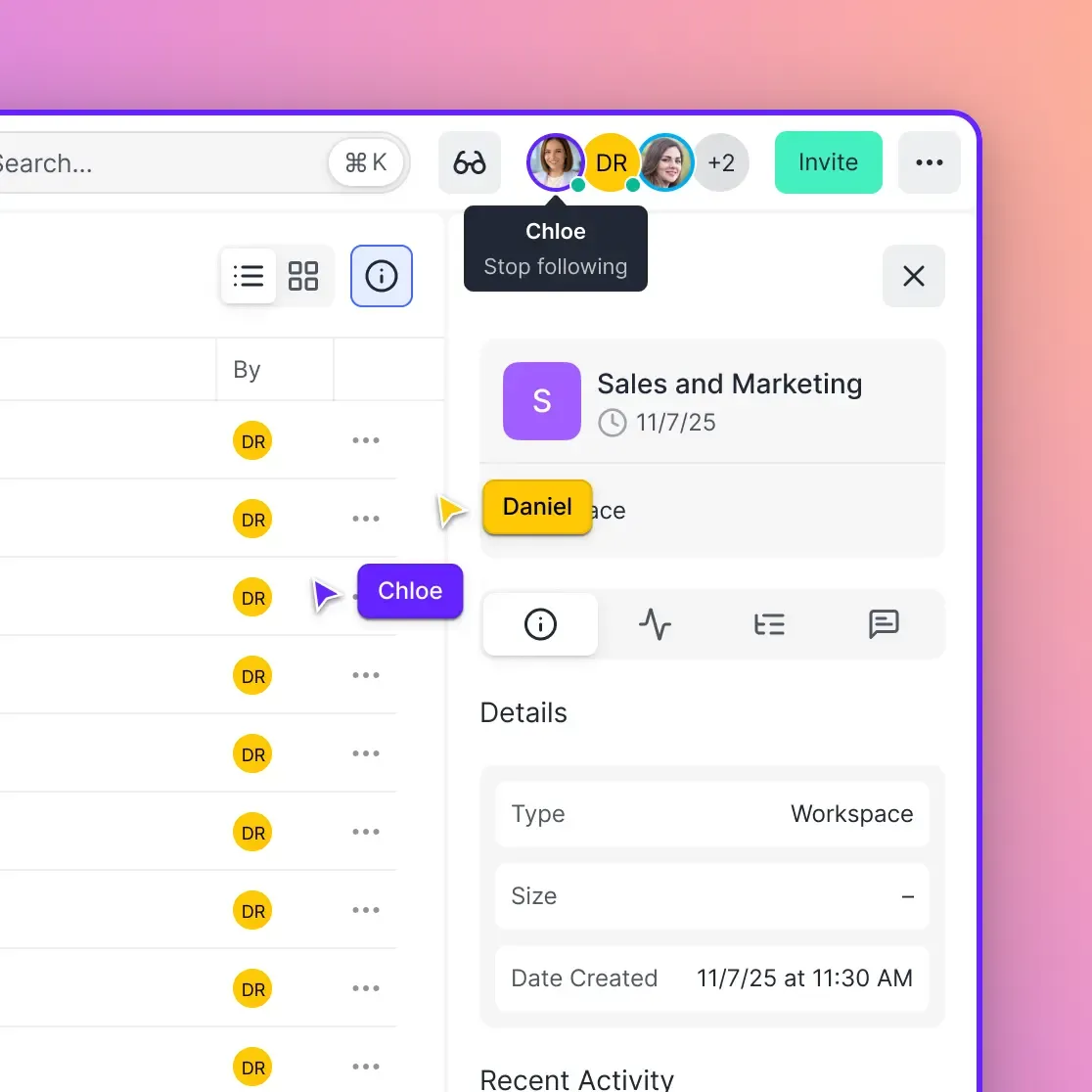
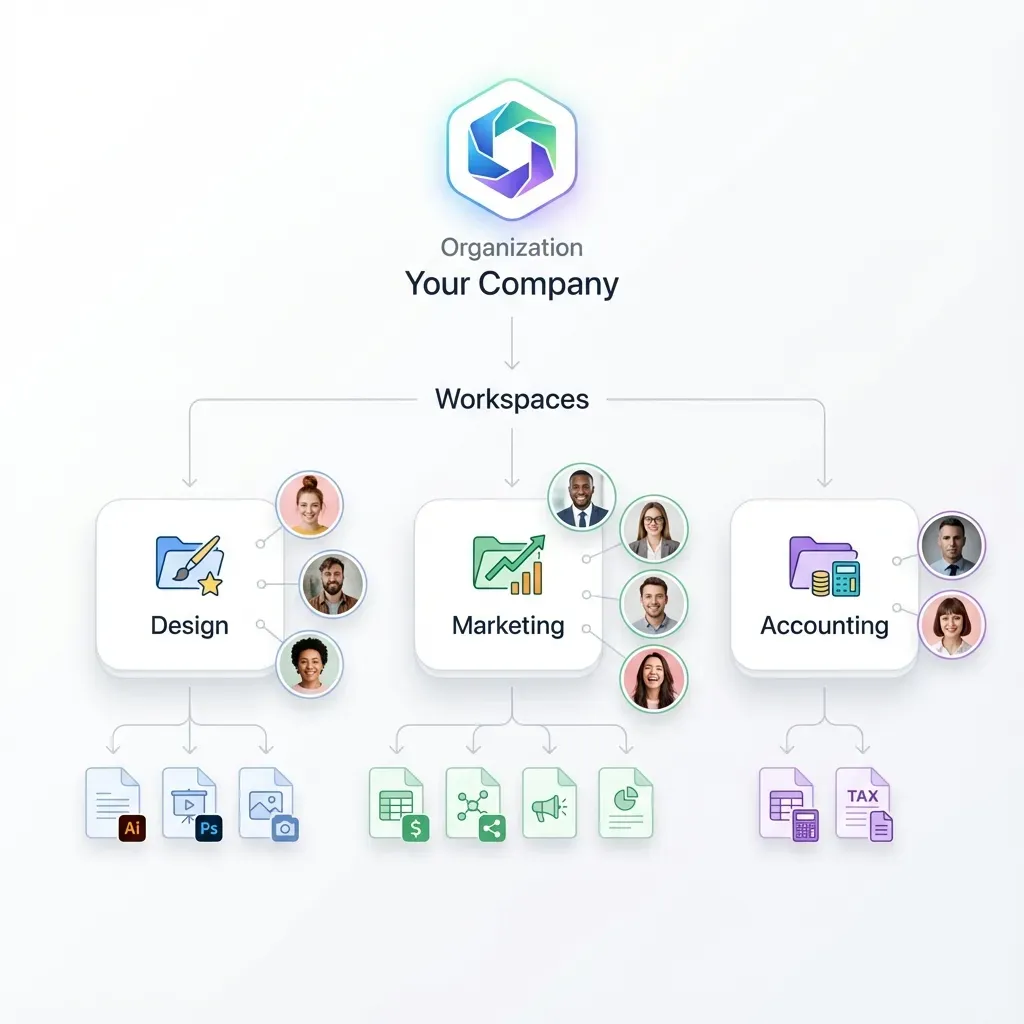
Fastio is a workspace-based file sharing platform with large file support, four-level permissions (organization, workspace, folder, file), and full audit logs on all plans.
Fastio plans start at $9.99/mo for Starter, with seats included and a 14-day Business Trial. Guests on shares do not take a seat, which makes it practical for schools sharing with students and parents.
The main practical limitation is that it's not an LMS. It doesn't have assignment submission workflows, gradebooks, or rubrics built in. It's a file sharing and collaboration layer that works alongside an LMS rather than replacing one.
For schools with large file requirements (AP research projects, science datasets, video production) it fills a gap that most LMS file tools can't. The branded parent portal feature works well for schools that want to share progress reports or portfolio work without requiring parents to create yet another account.
A university-track high school science program used Fastio to share large genomics datasets (some files above 2 GB) with students doing AP research projects. The constraint is that Fastio's Intelligence Mode, which enables semantic search across file content, consumes credits, so schools doing heavy AI-assisted searches should monitor monthly usage and set an internal budget threshold before enabling it across all classes. Students in the program reported finding source files 60% faster compared to navigating shared drive folders.


Secure Your School's File Sharing
Fastio offers large file support, full audit logs, and branded portals for education. Start with a 14-day Business Trial. Built for K12 file sharing workflows.
7. Schoology
Schoology is an LMS with integrated file exchange, gradebook, and parent portal. It positions itself as a unified platform, and for districts that want one system covering grades, files, and parent communication, it delivers on that.
The practical trade-off is cost. There's no free district tier. Smaller districts evaluating Schoology should run a one-school pilot with a defined timeline before committing to a multi-year contract.
The 4 GB file size cap is generous for most use cases but will still cause friction for media production classes or research programs working with large datasets.
A middle school district migrated from a legacy gradebook to Schoology and found the unified system cut the number of platforms teachers logged into daily from four to two. The constraint is price: Schoology has no free district tier, so smaller districts should run a one-school pilot and measure adoption rates before committing to a multi-year contract. Districts that have done this typically see the ROI within two semesters through reduced help-desk tickets and tool consolidation.
8. Dropbox Education
Dropbox Education is familiar to families and straightforward to set up. The folder sharing model maps onto how most people already think about files, version history is reliable, and the interface rarely surprises anyone.
The compliance gap is the thing to watch. Dropbox is not FERPA-compliant by default. Schools must execute a data processing agreement (sometimes called a BAA) with Dropbox before using it for any files containing student records. Districts that skip this step create real legal exposure, even if the practical risk seems low. That paperwork needs to go through IT legal before the first shared folder goes out.
Dropbox is familiar to many families, which lowers the onboarding barrier for parent-facing shares. The main compliance gap is that it is not FERPA-compliant by default, so schools must execute a BAA/DPA with Dropbox before using it for any files containing student records. Districts that skip this step create legal exposure. Run that paperwork through IT legal before the first shared folder goes out.
Getting parent access right
Parent access is where most K12 file sharing tools quietly fail. The typical problem: parents receive a link, are asked to create an account, forget the password within a week, and stop engaging. By mid-year, the "parent portal" has single-digit open rates.
The platforms that solve this do one of two things: they have a dedicated parent app with push notifications that handles authentication invisibly (Seesaw, ClassDojo), or they offer password-protected guest links that don't require account creation at all.
Testing the parent experience on a mid-range Android phone before rolling out is not optional. What works smoothly on a teacher's MacBook often breaks on a two-year-old budget phone with spotty connectivity.
A K-5 school using Fastio branded portals found that sending parents a single, school-logo-branded link at the start of the year reduced "I can't find the file" calls to the front office by about 40%. The constraint: parents who share a device with their child may end up logged into the wrong Google account, which can block access to school SSO-protected files. The simplest fix is to use password-protected guest links for parent-facing shares instead of requiring an SSO login. Parents access instantly, no account needed.

Sources
References used to verify factual claims in this guide.
-
Fastio offers a 14-day Business Trial
-
5TB
-
500MB
-
100MB
-
100MB
Frequently Asked Questions
What are the best K12 file sharing apps?
Top apps include Google Workspace, Seesaw, and Fastio. Google for integration, Seesaw for elementary portfolios, Fastio for large files and audit logs.
What are secure file sharing platforms for elementary schools?
Seesaw and ClassDojo suit elementary schools well, with kid-friendly designs and parent apps. Both provide encryption and straightforward family access without complex setups.
How does Fastio fit K12 needs?
Fastio handles large research files with audit logs and branded portals for parents, on flat plans with seats included.
Are there free K12 file sharing platforms?
Yes, Google Workspace, Microsoft A1, Seesaw, and ClassDojo offer free tiers. Fastio offers a 14-day Business Trial requiring a credit card.
What FERPA considerations for file sharing?
Choose tools with encryption, access logs, and role-based permissions. Avoid public shares; use expiring links and SSO.
How to choose K12 file sharing?
Match school needs like LMS integration for high school, parent apps for elementary, and large file support for research. Test parent experience and security.
Related Resources

Secure Your School's File Sharing
Fastio offers large file support, full audit logs, and branded portals for education. Start with a 14-day Business Trial. Built for K12 file sharing workflows.