How to Set Up Student Project Collaboration Workspaces
Student project collaboration workspaces give groups a single place to upload files, add comments, and track changes for school assignments. These digital hubs eliminate the chaos of email threads and version confusion. Fastio provides shared workspaces with large file support, shared Notes, and AI-powered search across all project files. This guide walks through the technical setup and best practices to ensure your next group project runs smoothly and stays on schedule.

What Makes a Good Student Project Workspace?
A student project workspace is a shared online environment specifically optimized for the unique demands of academic group work. Unlike generic cloud storage, a dedicated workspace supports massive file uploads without compression, detailed version history, and contextual comments. For students, this means a single source of truth for every draft, dataset, and presentation slide.
In a typical semester, students handle a diverse range of assets. Engineering students might share large CAD files, while film students need to collaborate on high-resolution video dailies. A good workspace handles these without forced splits or quality loss. Fastio stands out by offering organization-owned files, which means the project data remains accessible to the group even if the original uploader leaves or graduates.
The best workspaces also keep shared notes next to the files. In Fastio Notes, teammates and agents can all edit the same notes, and version history keeps every earlier version, which reduces the need for "Did you see my update?" messages. When you combine this with meaningful search that indexes the actual content of documents, you create an environment where information is always reachable. Fastio workspaces are built on this principle of total accessibility, ensuring that no research paper or data point is ever lost in a nested folder structure. Learn more about Fastio collaboration features.
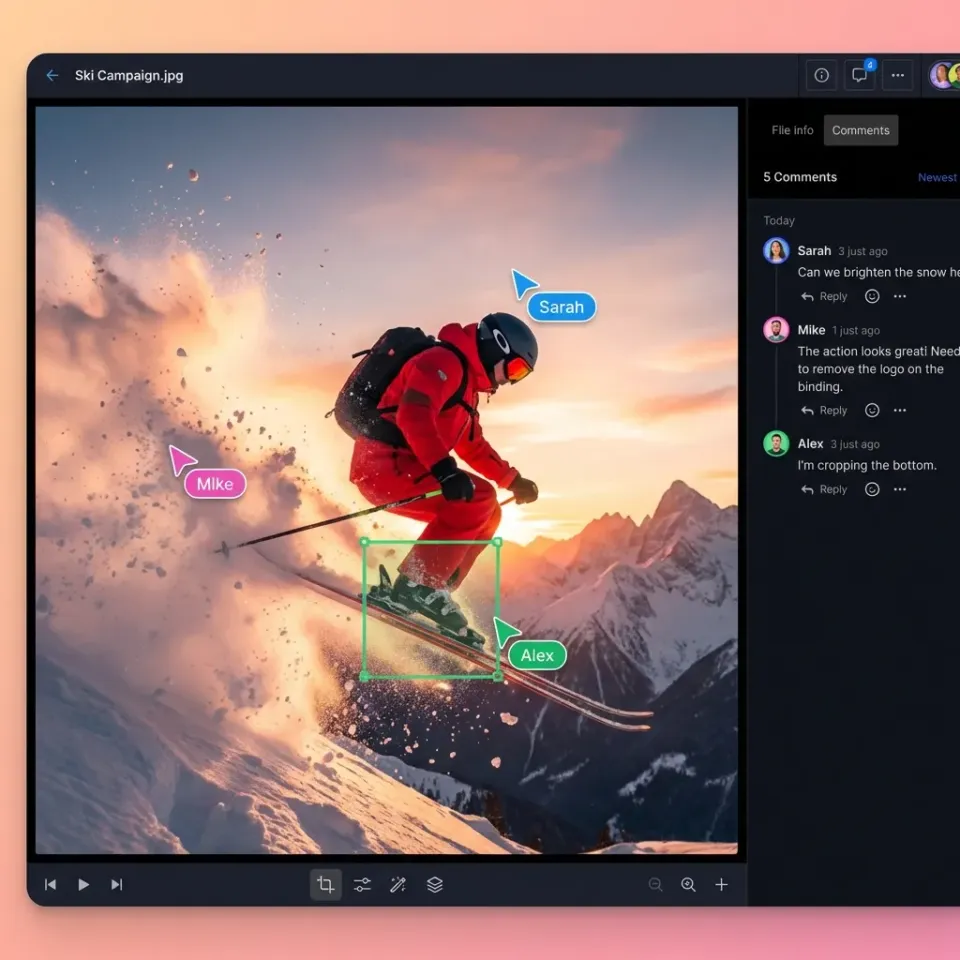
Also, modern workspaces should offer native previews for professional file types. Whether it is a 3D model, a complex spreadsheet, or a 4K video, students should be able to view and comment on the content directly in the browser. This eliminates the "download-edit-reupload" cycle that introduces versioning errors and wastes local storage space.
Related guides
- Top K12 File Sharing Platforms for SchoolsTeachers, students, and parents exchange assignments, resources, and feedback on K12 file sharing platforms. Schools...
- How to Build a School Parent Portal for Secure File SharingGuide to school parent portal file sharing: Schools need a secure way to share report cards, IEPs, permission slips,...
- How to Set Up a Teacher Student File Feedback SystemTeachers face a weekly grind reviewing student work—essays, spreadsheets, art sketches, video projects. Traditional...
- Top Student Homework Submission Portals for SchoolsStudent homework submission portals let students upload assignments online in a secure way. Files get organized...
- 10 Best Classroom File Collaboration Tools for TeachersClassroom file collaboration tools let teachers share assignments, projects. and feedback with students in real time....
- How to Set Up Student Group Project WorkspacesStudent group project workspaces simplify collaboration. They offer a central place for files, live edits, and access...
More on this subject: Education (15 guides)
Why Group Projects Benefit from Dedicated Tools
Group projects are a fundamental pillar of modern education. According to research published in PMC, group work appeared in approximately 56.6% of college courses before the pandemic, a figure that rose to 69.5% in recent years. This high prevalence reflects a push to prepare students for collaborative workplace environments, yet it also creates a massive coordination burden.
Dedicated collaboration tools address the most common project failure points: version conflicts and "social loafing." When every contribution is tracked in an activity log, accountability increases naturally. Students no longer have to guess who completed their section of the lab report or who is currently working on the final presentation. This transparency encourages more equitable work distribution and higher quality outcomes.
The impact on efficiency is measurable. Industry data from McKinsey indicates that social collaboration tools can raise the productivity of high-skill workers by 20% to 25%. For students, this translates to faster project completion and less time spent on administrative logistics. Instead of spending 20% of their time searching for information, students can use indexed workspaces to find exactly what they need in seconds.
By centralizing communication and files, these tools also reduce the stress associated with tight deadlines. When everyone knows where the latest "final" version is, the last-minute scramble to merge documents disappears. This allows the team to focus on the intellectual content of their project rather than the technical hurdles of file sharing.


Ready for Your Next Group Project?
Set up a Fastio workspace today. Generous storage, real-time collaboration, and large file support. Perfect for students and academic teams.
Comparing Popular Group Project Tools for Students
When selecting a tool, students often default to Google Drive or Microsoft Teams. While these platforms are ubiquitous, they have significant limitations for complex projects. Google Drive, for instance, counts shared files against individual storage quotas, which can lead to "storage full" errors at critical moments. Additionally, its search functionality often struggles with large numbers of files or deeply nested folders.
Microsoft Teams offers a broad feature set including chat and video calls. but its file management can feel secondary and cluttered. For teams primarily focused on high-performance file sharing and organization, the interface overhead can become a distraction. Large file uploads in Teams are also prone to timeouts, which is a major drawback for students in media-heavy fields like architecture or digital arts.
Fastio offers a more streamlined, specialized alternative. It provides shared workspaces with generous storage and handles large files without the typical "spinning wheel" of larger platforms. For school projects involving raw video or massive research datasets, Fastio’s ability to stream content without requiring a full download is a game-changer. It ensures that every team member, regardless of their local hardware, has instant access to the project assets.
In practice, the choice often comes down to the specific file types your project requires. If you are working exclusively on text documents. standard suites are sufficient. However, if your curriculum involves media, large datasets, or collaborative design, a high-performance workspace like Fastio is necessary to avoid the technical bottlenecks that derail group timelines. Compare Fastio vs Dropbox to see how specialized storage compares to generic cloud drives.
Step-by-Step Guide to Setting Up on Fastio
Setting up a workspace should not be a project in itself. Fastio is designed for rapid deployment, allowing you to move from signup to collaboration in minutes. Follow these steps to establish a professional foundation for your group work.
1. Create Your Account Visit Fastio and start a 14-day Business Trial at /pricing/. Fastio workspaces provide generous storage, shared Notes, and large file support. This initial step takes less than a minute and gives you immediate access to the organization dashboard.
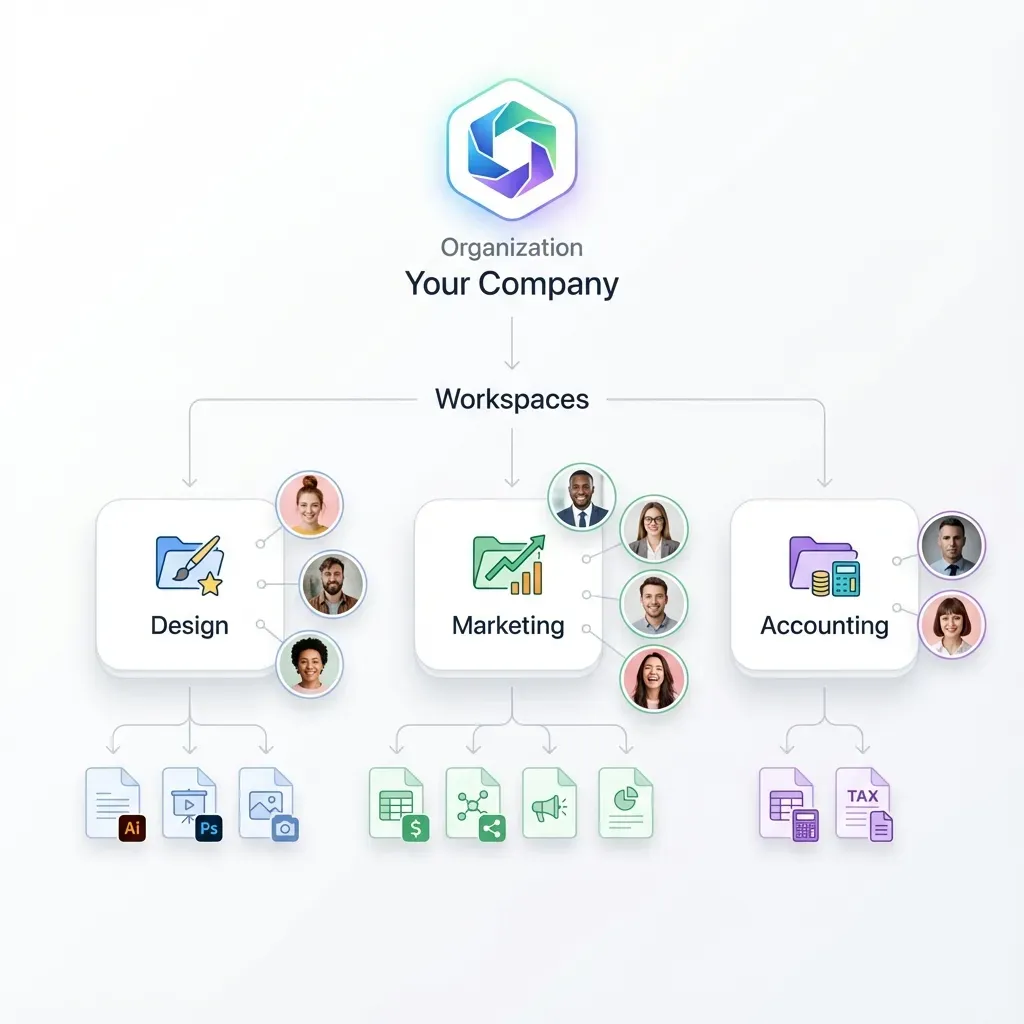
2. Establish an Organization In Fastio, an "Organization" acts as the umbrella for all your academic projects. Create one for the current semester or your specific major. This keeps your Bio Lab files separate from your History project, providing a clean logical divide that makes finding old work much easier during finals week.
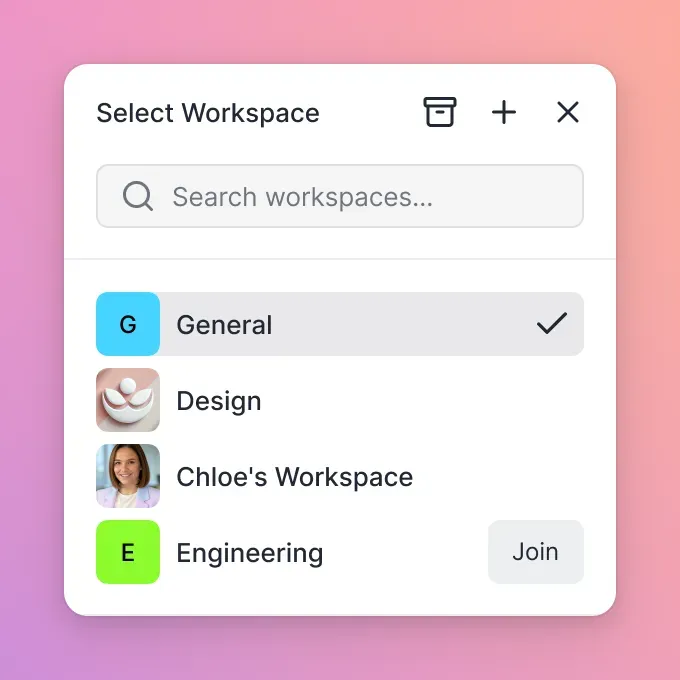
3. Initialize the Project Workspace Within your organization, click "New Workspace." Name it clearly based on the project title or group number. You can set visibility to "Private" to ensure only invited members can see the files, which is recommended for sensitive research or graded assignments.
4. Invite Your Teammates Generate a join link or invite members via email. Fastio allows you to add members with different permission levels. You can also invite professors or TAs as guests with view-only access, allowing them to monitor progress without accidentally altering your work.
5. Structure Your Folders Before uploading, establish a clear hierarchy. Create folders for "Research," "Drafts," "Assets," and "Final Submission." A consistent structure prevents the "where did that file go?" panic that usually sets in 48 hours before a deadline.
6. Upload and Index Drag your initial files into the workspace. Fastio handles massive files with ease. Once uploaded, enable Intelligence Mode to have your files automatically indexed for AI-powered search. This allows you to ask questions like "What was our conclusion in the first draft?" and get an instant answer.
Managing Permissions and Guests
For external project partners or faculty advisors, use the guest access feature. You can provide a specific link that allows them to view the activity log and comment on files without having the ability to delete or move content. This is perfect for getting feedback on a thesis or a major capstone project.
Overcoming Common Group Project Challenges
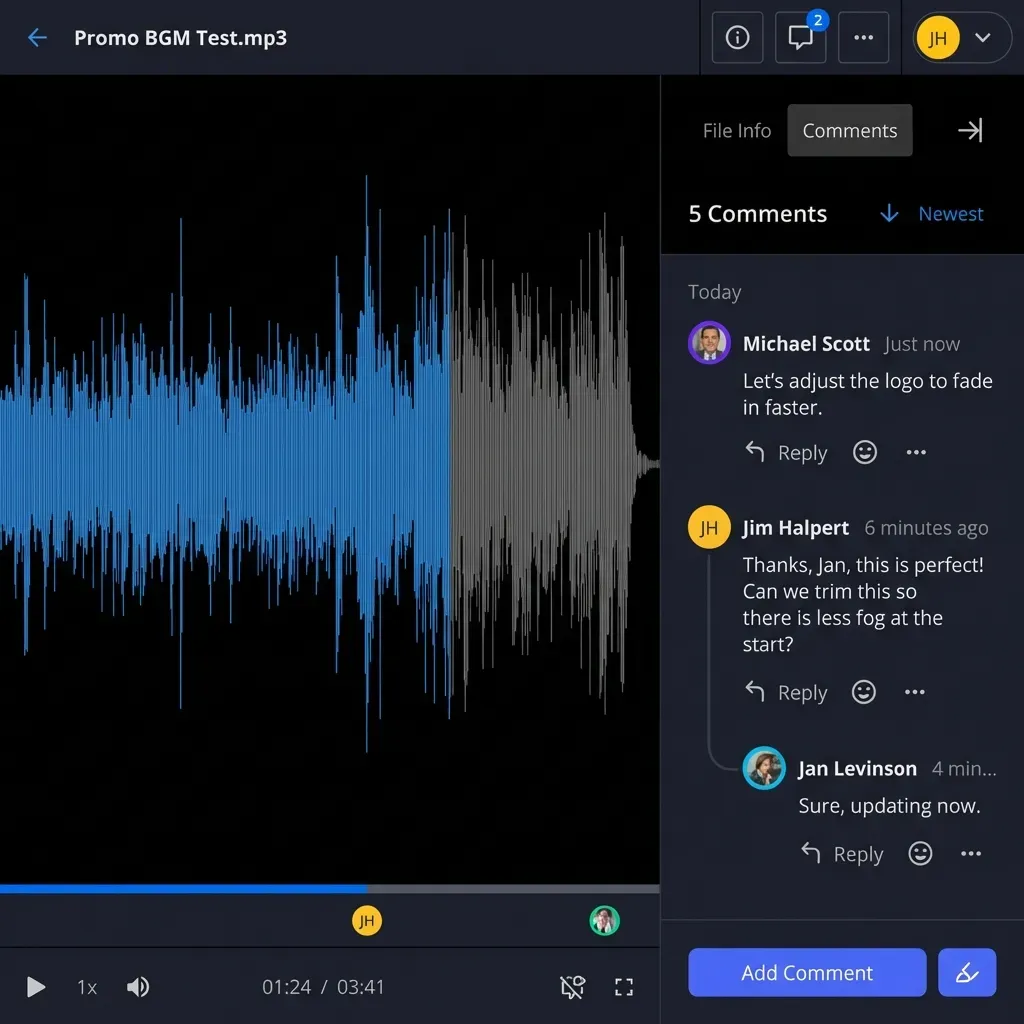
The primary challenge in any group project is communication. Even with the best tools, a lack of clear expectations can lead to friction. Use your workspace as the central communication hub. Instead of discussing file changes in a separate chat app, use the built-in comment threads. This keeps the conversation tied to the specific version or data point being discussed, providing context that external chats lack.
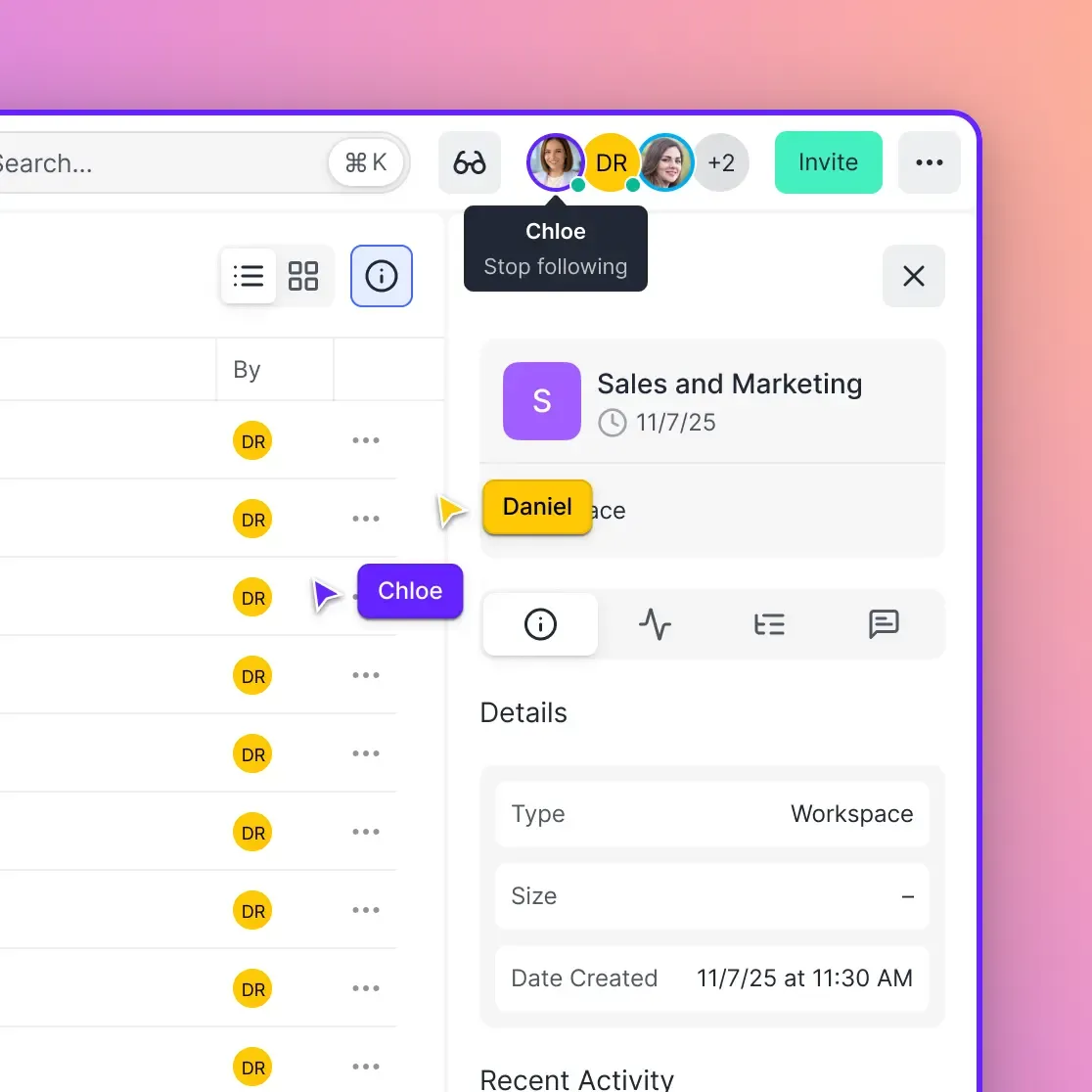
Another common hurdle is the "Free Rider" problem, where some members contribute less than others. Fastio’s activity logs provide an objective record of participation. When everyone knows that uploads, comments, and edits are logged, it creates a natural incentive for consistent contribution. This data can also be shared with instructors if you need to demonstrate individual efforts for a group grade.
Finally, version control is often the downfall of complex assignments. Never name a file "final_v2_REALLY_FINAL.pdf." Instead, use your workspace’s version history. Upload updates to the same filename, and use the history panel to revert to older versions if a mistake is made. This keeps your folder clean and ensures that the top-level file is always the most recent one.
By anticipating these issues and using the workspace features to mitigate them, you can transform a stressful group assignment into a productive team experience. The goal is to make the technology serve the project, not the other way around.
Key Collaboration Features for School Projects
Fastio includes several advanced features that go beyond simple storage. Collaborative Notes are the most immediate: everyone edits the same notes, and version history keeps each earlier version. If you are reviewing a lab report, you can start a discussion in the comments without waiting for an email reply.
Intelligence Mode is another critical feature. It uses RAG (Retrieval-Augmented Generation) to understand the content of your files. This means you can search for concepts, not just keywords. If you remember someone mentioning a specific statistical method in a 50-page research doc, you can find it instantly. This level of intelligence is particularly valuable for complex senior projects or graduate research where the volume of data can be overwhelming.
Activity logs provide a chronological view of every action taken in the workspace. This is useful for tracking the evolution of an idea or finding out when a specific change was made. It acts as a project diary that requires zero manual entry, providing a high-level view of the team’s momentum.
Custom branding is also available, allowing you to create a professional-looking portal for your project. This is a great way to impress professors or external stakeholders during a final presentation. A branded workspace signals that your team has taken the assignment seriously and has invested in professional-grade organization.
Tips for Smooth File Sharing in Groups
To maintain a high-functioning workspace, follow a few simple rules of digital hygiene. First, always use descriptive filenames. "Study_Results_March_12.csv" is much better than "results.csv." When you have dozens of files, these small details make a massive difference in searchability and organization.
Second, set up notifications for critical folders. If you are waiting for a teammate to upload a specific asset, you can get an alert the moment it arrives. This prevents the need for constant manual checking and allows you to stay focused on your own tasks until the necessary components are ready.
Lastly, do a weekly "cleanup" of your workspace. Move old drafts to an "Archive" folder and ensure that everything in the main folders is relevant. A clean workspace reduces cognitive load and makes it easier for everyone to stay on task. For more tips on organizing your digital life. check out our guide on educational solutions.
Sources
References used to verify factual claims in this guide.
-
Group work appeared in approximately 56.6% of college courses before the pandemic, a figure that rose to 69.5%.
-
Social collaboration tools can raise the productivity of high-skill workers by 20% to 25%.
-
Teams using collaboration platforms have reported a 30% increase in project completion speed.
Frequently Asked Questions
Best tools for student group projects?
Fastio, Google Workspace, and Microsoft Teams are the industry standards. Fastio is specifically recommended for teams handling large files, media, or research datasets due to its large file support and high-performance streaming.
How do student teams get started with Fastio?
Student teams can start with a 14-day Business Trial or the Starter plan at $9.99/mo, offering 250 GB of storage, real-time notes, and threaded comments.
How to share large files for a group project?
Use a dedicated workspace like Fastio. You can upload large files and share them via a secure link. Teammates can preview or stream the files directly in their browser without needing to download them first.
Can professors access student project workspaces?
Yes, you can invite your professor as a guest. By giving them "View Only" permissions, they can monitor your group's progress, view activity logs for accountability, and leave comments on your drafts without being able to edit the content.
Does Fastio support version control for students?
Absolutely. Fastio automatically tracks the history of every file. If you accidentally overwrite a document or delete important data, you can simply open the history panel and download a previous version of that file.
What is Intelligence Mode in student workspaces?
Once Intelligence is enabled for the workspace, project files are indexed and searchable using AI. It allows team members to search document content rather than just filenames.
Related Resources

Ready for Your Next Group Project?
Set up a Fastio workspace today. Generous storage, real-time collaboration, and large file support. Perfect for students and academic teams.