Donor Portal for Nonprofits: Share Reports and Tax Receipts
A donor portal is a branded workspace where nonprofits share tax receipts, annual reports, and impact updates with individual donors and grantors. This guide covers what to include, how to structure folders, and how to deliver documents without drowning in email attachments.


What a Donor Portal Actually Is
A donor portal is a branded workspace where nonprofits share tax receipts, annual reports, and impact updates with individual donors and grantors. It sits between your donor CRM (which tracks giving history) and your email tool (which sends announcements). The portal is where documents live permanently so donors can find them without digging through two years of inbox.
Most of the tooling written about "donor management" focuses on donation processing: payment forms, CRM records, pledge tracking, recurring gift logic. That is valuable, but it solves a different problem. A donor portal answers a narrower question: when a donor wants their 2025 tax receipt in March of 2026, where do they go? When a major donor asks for the impact report tied to their restricted gift, how do you deliver it without a one-off email that gets lost?
The answer is a persistent, branded space tied to each donor, where documents land as they are produced and stay accessible for as long as the donor wants them.
Helpful references: Fastio Workspaces, Fastio Collaboration, and Fastio AI.
Related guides
- Grant Management Portal: Share Applications and ReportsA grant management portal is the shared workspace where funders collect applications and grantees submit narrative...
- Best Free Client Portal Tools in 2026Most free client portal lists skip the fine print. This guide compares seven free client portal tools with their actual...
- How to Build a Salesforce Client Portal (And What It Actually Costs)Salesforce Experience Cloud lets you build branded customer portals for case management, knowledge bases, and partner...
- Best Client Portal Software for Agencies in 2026Client portal software provides a branded, secure space where businesses share files, collect feedback, and collaborate...
- Best Client Portal Apps for Teams and AgenciesA client portal app is a mobile or web application that gives clients a dedicated space to access files, track project...
- How to Build a Client Portal in ClickUp (And Where It Breaks Down)ClickUp does not ship with a dedicated client portal, but you can assemble one using guest permissions, shared views,...
More on this subject: Team Collaboration (125 guides)
What a Nonprofit Donor Portal Should Include
Before you pick tools, decide what the portal will hold. The exact mix depends on your org, but most nonprofit donor portals include the following:
- Tax receipts and written acknowledgments for each gift
- Annual impact reports or yearly giving summaries
- Restricted-gift updates tied to specific programs or funds
- Event invitations and post-event reports for major donors
- Legal and financial documents (Form 990, audited financials)
- Photos, video, and media from programs the donor supports
- A contact card for the donor relations lead
IRS Publication 1771 requires a written acknowledgment for any single donation of $250 or more, and the donor must have that acknowledgment in hand before they file their return. Most nonprofits send receipts throughout the year and then a year-end summary in January. A portal makes both versions available in one place so the donor does not have to hunt for the right email thread when their accountant asks.
For major donors and institutional funders, impact reporting is typically more frequent. Many program officers expect quarterly updates tied to grant cycles, with annual narrative reports alongside the financial summary. The portal is where those land.
Folder Structure That Scales
The portal should be organized so a donor can find any document in two clicks. The structure that works for most nonprofits is donor-first, then year, then type.
/Donors
  /Smith, Jane
    /2026
      - tax-receipt-march-2026.pdf
      - q1-impact-report.pdf
    /2025
      - tax-receipt-annual-2025.pdf
      - annual-report-2025.pdf
      - form-990-2025.pdf
  /Acme Foundation
    /2026
      - grant-agreement-signed.pdf
      - q1-program-update.pdf
For individual donors, one folder per donor keeps everything tied together: receipts, reports, and any correspondence that needs to persist. For foundations and institutional funders, add a grant-level folder underneath the donor, because a single foundation may support more than one program.
Avoid one folder per document type at the top level (all receipts in one place, all reports in another). That makes it easy for your team to file things but hard for donors to find what is theirs. The portal exists for the donor, not the archivist.


Give donors a portal they will actually open
Set up a branded donor portal on Fastio with granular permissions, audit trails, and generous storage.
Access and Permissions
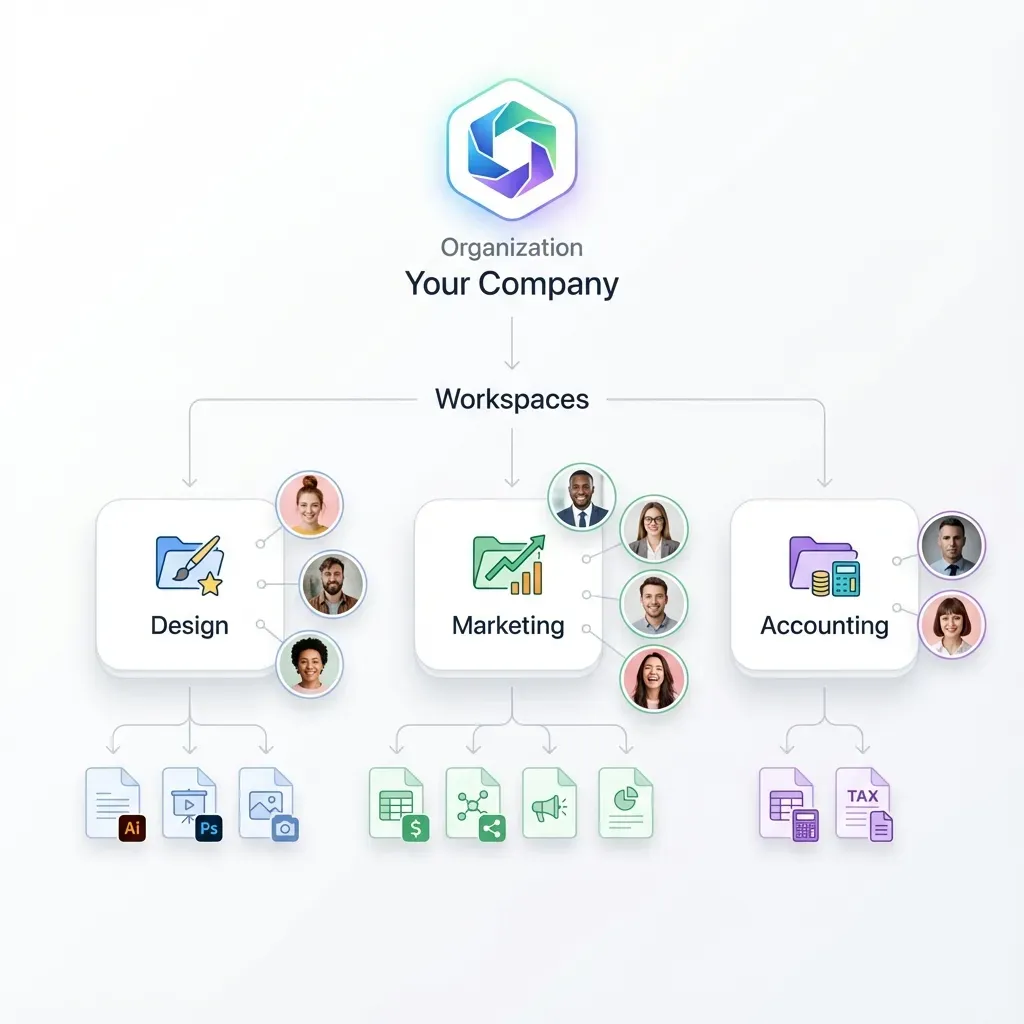
The hardest part of running a donor portal is not the files; it is the permissions. Each donor should see only their own folder. Staff should see everything. Program officers at foundations may need access to their specific grant folder but nothing else.
Most file platforms support folder-level permissions, but the granularity varies. Google Drive lets you share folders by email but does not give donors a branded destination. Dropbox and Box offer branded external-user access but charge per external seat in some plans. Nextcloud self-hosted gives full control but requires infrastructure you have to maintain.
Fastio handles this with granular permissions at the org, workspace, folder, and file levels. You create a workspace called "Donor Portal," set up one folder per donor, and share that folder as a branded Send link. The donor gets a link they can bookmark, signed in or not depending on how you configure access. Staff see the full workspace. Audit trails record who opened what and when, which matters for major-donor trust and for any future audit of restricted funds.
You do not need a separate external-user license per donor. For nonprofits with hundreds of active donors, that pricing structure can be the difference between a portal that scales and one that gets shelved after the first year.
Deciding Who Sees What
Write down the access matrix before you build. For most nonprofits it looks like this:
- Executive director and development director: full workspace access
- Development associates: full workspace access, no delete rights
- Finance team: access to tax receipts and 990s only
- Individual donors: read-only access to their folder
- Foundation program officers: read-only access to their grant folder
Map this before you set anything up. Changing permissions after donors have been using the portal for a quarter is painful.
Delivery: Getting Documents Into Donor Hands
Having a portal does not replace email. Donors still want a notification when something new lands. The workflow most nonprofits settle into is:
- Generate the document (receipt, report, grant update)
- Drop it in the donor's folder in the portal
- Send a short email with a direct link
The email is short on purpose. "Your Q1 impact report is ready. View it here." One sentence and a link. No attachment. The donor clicks through to the portal, where they see not just the new document but everything else you have shared with them.
This pattern has two payoffs. First, the donor builds a habit of going to the portal, which means next year's tax season does not generate a wave of support tickets. Second, the portal becomes a light stewardship tool on its own: a donor who logs in to grab a receipt sees the impact reports you posted last month and spends a few minutes reading them.
For tax receipts specifically, automate the drop. Most donation platforms (Stripe, Donorbox, Classy, Give Lively) can generate a PDF receipt on each transaction. If your platform supports webhooks, wire the receipt PDF to your portal so it lands in the right donor folder without a human step. Fastio supports a REST API and chunked uploads, so a receipt generator can post directly to the donor's folder as soon as the gift processes.
Annual Reports and Impact Updates
Annual reports are where the portal earns its keep with mid-level and major donors. A PDF attached to an email is easy to miss; the same report in a persistent workspace, alongside last year's report and the quarterly updates that fed into it, tells a longer story.
For restricted gifts, tie each update to the fund or program the gift supports. A donor who gave $25,000 to your housing program wants to see photos from the shelter you built, the intake numbers for the quarter, and the line item in the budget that their gift covered. That is three documents and maybe a short video. Put them in a subfolder inside the donor's workspace called "Housing Program 2026" and keep adding to it.
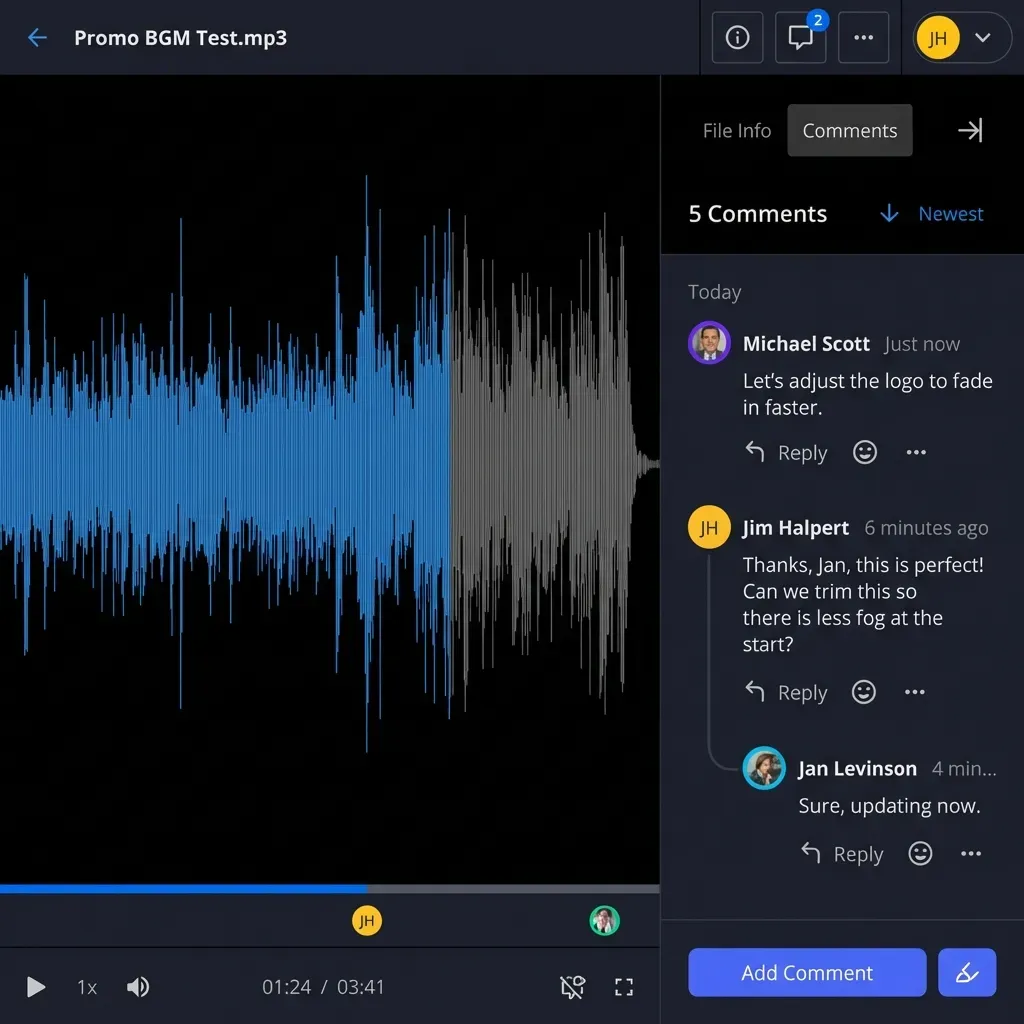
Video matters more than it used to. Short clips from program staff, interviews with people served, or b-roll from events all travel better than a text report. A portal that supports video streaming (HLS or similar) means donors can watch without waiting for a 500 MB download. If you are already producing video for social channels, route a donor-only cut into the portal.
Quarterly Cadence for Major Donors
Major donors and program officers generally want updates four times a year: three short ones and one full annual report. A predictable cadence builds trust. If you commit to quarterly updates, put the cadence on the portal home page so donors know when to expect the next one.
A workable rhythm:
- Q1 (April): short program update, 1 page
- Q2 (July): mid-year financial snapshot plus program metrics
- Q3 (October): program deep-dive on one restricted fund
- Q4 (January): annual report, tax receipt summary, audited financials once available
Security and Trust
Donor data is sensitive in ways that surprise people who have not worked in fundraising. A donor list is a competitive asset; a donor's giving history is private; a major donor's personal contact details need to be protected. The portal should reflect that.
At a minimum, your platform should offer:
- Per-user access with real authentication, not just guessable links
- Audit trails that record who accessed which document and when
- Granular permissions so a development associate cannot accidentally expose the full donor list
- Version history, so if a document is overwritten you can recover the previous version
- Encrypted storage and transport
Note on compliance: plenty of vendors claim certifications they do not have. Be honest with your board about what your platform does and does not provide. Fastio has security features (audit trails, granular permissions, encrypted storage) and runs on certified infrastructure partners (GCP, Cloudflare). For most nonprofits sharing tax receipts and impact reports, that is enough. For a portal handling protected health information, check that the platform itself holds the specific certifications your use case requires.
Fastio as a Donor Portal Option
Several tools can host a donor portal. Google Drive works if you tolerate a Google-branded experience and donors with Google accounts. Dropbox and Box offer branded sharing and folder permissions but price per external seat can climb. Nextcloud gives you control at the cost of hosting it yourself. Purpose-built donor CRMs like Bloomerang and Kindful include donor-facing pages but focus on giving history rather than document delivery.
Fastio fits nonprofits that want a branded, document-first portal where donors who open a share do not take a seat. You get one workspace for your donor portal, folders per donor, granular permissions, audit trails, branded Send shares, and video streaming for impact reports. A 14-day Business Trial on monthly plans gives you full access to evaluate the portal before choosing a plan at /pricing/ (credit card required).
Once the portal is running, the workspace becomes a shared home for your development team too. Receipts land automatically via REST API uploads. Reports get dropped in from program staff. Audit logs show which donors opened their Q1 update and which ones did not, which gives the development director a useful list for follow-up calls.
Workspaces can also have Intelligence Mode enabled, which indexes files so you can search by meaning across years of reports and receipts. When a board member asks "what did we say about the housing program last fall," the answer is one query, not an hour of folder diving.
Sources
References used to verify factual claims in this guide.
- 1 IRS Publication 1771: Charitable Contributions: Substantiation and Disclosure Requirements Accessed
IRS requires written acknowledgment for donations of $250 or more before the donor files their return.
Frequently Asked Questions
What is a donor portal?
A donor portal is a branded online workspace where a nonprofit shares tax receipts, annual reports, and impact updates with individual donors and institutional funders. It replaces scattered email attachments with one persistent destination that each donor can access for their documents.
How do nonprofits share tax receipts with donors?
Most nonprofits generate a PDF receipt at the time of the gift, send a short email with a link, and store the receipt in a donor portal folder where the donor can retrieve it later. For donations of $250 or more, the IRS requires a written acknowledgment before the donor files their return.
What should a nonprofit donor portal include?
At minimum, tax receipts, an annual giving summary, impact reports tied to restricted funds, and the nonprofit's Form 990 or audited financials. Major-donor portals often add quarterly updates, event materials, and program video.
Is a donor portal the same as a donor CRM?
No. A donor CRM (Bloomerang, Salesforce NPSP, DonorPerfect) tracks giving history, pledges, and donor records. A donor portal is the document-delivery layer where receipts and reports live for donors to access. The two can integrate, but they solve different problems.
How often should we send impact updates to major donors?
A quarterly cadence works for most major donors and institutional funders: three short updates and one full annual report. Predictable timing builds more trust than longer reports sent irregularly.
Do we need a separate login per donor?
It depends on the platform. Some tools require an external-user license per donor, which gets expensive past a few dozen people. Others let you share folder-level links that authenticate against email without a full seat. Check pricing carefully before you commit.
Related Resources

Give donors a portal they will actually open
Set up a branded donor portal on Fastio with granular permissions, audit trails, and generous storage.