Grant Management Portal: Share Applications and Reports
A grant management portal is the shared workspace where funders collect applications and grantees submit narrative reports, financial statements, and evidence files. This guide covers what belongs in the portal, how to structure folders for a grant cycle, and how to hand off reporting packets without email attachments or shared drives.


What a Grant Management Portal Actually Does
A grant management portal is a shared workspace where grantmakers collect applications and grantees submit reports and evidence documents. That is the short version. The longer version is that a portal replaces the folder of PDF attachments, the shared inbox, and the password-protected ZIP file with one place where both sides of the relationship can find what they need.
Most articles on this topic review SaaS grant suites: Submittable, Fluxx, SmartSimple, Foundant. Those products are useful if you process hundreds of applications a year and need workflow automation, review scoring, and board-ready reporting. This guide is for the smaller case that most foundations, community funds, and nonprofit collaboratives actually operate in: a handful to a few dozen grants per cycle, where the real problem is document handoff rather than workflow orchestration.
The document handoff problem sounds simple until you live through a reporting deadline. A grantee emails a narrative report as a Word doc. Their financial officer sends the budget spreadsheet from a different address. Program staff ask for photos from the field. Someone forwards a signed MOU from last year. Six months later, the program officer needs to compile everything for the annual audit and discovers half the files are in email threads and half are in a shared drive that nobody has access to anymore.
A portal fixes this by giving each grant a durable home. Applications go in, reports come in, evidence accumulates in one place, and the funder's audit file is ready without anyone having to reconstruct it.
Helpful references: Fastio Workspaces, Fastio Collaboration, and Fastio AI.
Related guides
- Donor Portal for Nonprofits: Share Reports and Tax ReceiptsA donor portal is a branded workspace where nonprofits share tax receipts, annual reports, and impact updates with...
- How to Run an RFP Response Portal for Vendor SubmissionsAn RFP response portal gives vendors a single, secure place to submit proposals and supporting documents to a buyer's...
- How to Set Up Vendor Portal Document Management That Actually WorksVendor portal document management centralizes the collection, storage, and tracking of vendor-submitted documents like...
- How to Build a Wealth Management Client Portal That HNW Clients Actually UseA wealth management client portal is a branded digital workspace where wealth managers securely share portfolio...
- Best Free Client Portal Tools in 2026Most free client portal lists skip the fine print. This guide compares seven free client portal tools with their actual...
- Best DAM Software: 12 Digital Asset Management Tools ComparedDigital asset management (DAM) software helps teams store, organize, and distribute files like images, videos, and...
More on this subject: Team Collaboration (125 guides)
What Goes in the Portal During a Grant Cycle
A typical federal or foundation grant generates a predictable set of documents. Plan the folder structure around the cycle, not around the document type.
Pre-award (application phase):
- Letter of inquiry or concept note
- Full proposal narrative
- Project budget and budget justification
- Organizational documents: 501(c)(3) determination letter, most recent 990, audited financials, board roster
- Logic model or theory of change
- Letters of support and partnership MOUs
Award phase:
- Grant agreement and any amendments
- W-9 and ACH authorization
- Compliance attestations (nondiscrimination, lobbying, debarment)
- Insurance certificates if required
Active grant (reporting phase):
- Interim narrative reports
- Interim financial reports and general ledger extracts
- Evidence files: photos, participant testimonials, program artifacts
- Publications, press, and deliverables
- Site visit notes
Close-out:
- Final narrative report
- Final financial report with any unspent funds returned
- Program evaluation or impact summary
- Lessons learned memo
Grantees typically submit two to four reports across a grant cycle, depending on the award size and duration. Multi-year awards usually require an annual narrative plus a final report; larger awards add interim financial reports on a quarterly or semi-annual cadence. The portal has to hold all of that without becoming a dumping ground.


Run your grant portal on Fastio
Spin up a branded grantee portal with audit trails, versioned files, and Receive links for applications. Start a 14-day Business Trial, card required; see /pricing/. Built for grant management portal workflows.
Folder Structure That Survives the Audit
The folder structure is where most portals fail. People default to organizing by document type (a folder for budgets, a folder for reports, a folder for MOUs) and then discover at audit time that they cannot answer the question "show me everything related to the Riverside Youth grant." Organize by grantee and cycle, not by document type.
A workable hierarchy looks like this:
Grants/
  2026-Riverside-Youth-Services/
    01-Application/
    02-Award-Documents/
    03-Reports/
      Q1-2026/
      Q2-2026/
      Final/
    04-Evidence/
    05-Financials/
    06-Correspondence/
  2026-Harbor-Food-Collective/
    01-Application/
    ...
The numeric prefixes keep folders in lifecycle order rather than alphabetical order. The grant-name-first pattern means that everything for one award lives together, which is how auditors, program officers, and the grantees themselves actually think about the work.
Federal awards have a specific retention rule: per 2 CFR 200.334, recipients and subrecipients must retain financial and programmatic records for three years from the date of the final financial report submission, with some categories requiring longer retention. Private foundations set their own policies, but three years is a reasonable floor. The folder structure should outlast any individual program officer's tenure.
Naming Conventions That Scale
File names matter almost as much as folders. A consistent pattern saves hours when you are looking for something specific a year later:
YYYY-MM-DD_GrantSlug_DocType_Version.ext
For example: 2026-03-15_RiversideYouth_Q1Report_v2.pdf. The date prefix sorts chronologically. The grant slug prevents confusion across a portfolio. The doc type is searchable. The version number handles revisions without anyone renaming the previous copy.
How Foundations Actually Collect Applications
There are three practical patterns for collecting applications, and the right one depends on how many you receive.
Email with a standard template. For programs receiving fewer than ten applications a year, an emailed PDF form and a shared drive folder is honestly fine. The overhead of standing up a portal is not worth the effort. The downside is that you end up doing manual filing, and applicants have no confirmation that their submission arrived intact.
A receive link on a folder. The middle path is a branded upload link pointed at an intake folder. Applicants get a page with your logo and instructions, upload their files, and you see the files appear in the portal with the applicant's name attached. No account creation on their side, no email attachments, and the files land in a place where they can be reviewed without being moved.
A grants management SaaS. For larger programs with scoring rubrics, review panels, and board reporting, a dedicated platform like Submittable or Fluxx makes sense. These tools embed application forms, route submissions to reviewers, and generate reports for the board. They are also expensive and take weeks to configure.
For most community foundations and family foundations, the middle path covers the application intake well. The portal handles the document handoff, and a simple spreadsheet tracks review status.
Fastio supports this pattern through branded Receive shares on a folder. An applicant uploads to a page at your subdomain without signing up, and the files land in the intake folder with an audit entry recording who uploaded what and when. If you enable Intelligence Mode on the workspace, applications are auto-indexed so you can search across proposals by program focus, geography, or budget size without opening every PDF.
The Reporting Handoff Nobody Talks About
Applications are the easy part. The harder problem is the reporting handoff that happens two to four times per grant cycle.
A grantee's program manager assembles the narrative report. Their finance officer prepares the financial report. Their executive director reviews and signs off. Then someone has to send all of it to the funder, often through a different channel than the one the program staff use day to day. The funder then has to file it, acknowledge receipt, and route it to the program officer for review.
Each step is an opportunity for something to go wrong. Files get sent to old email addresses. Budgets and narratives arrive in different threads. The grantee has no way to see what the funder already has and what is still missing.
What a Clean Handoff Looks Like
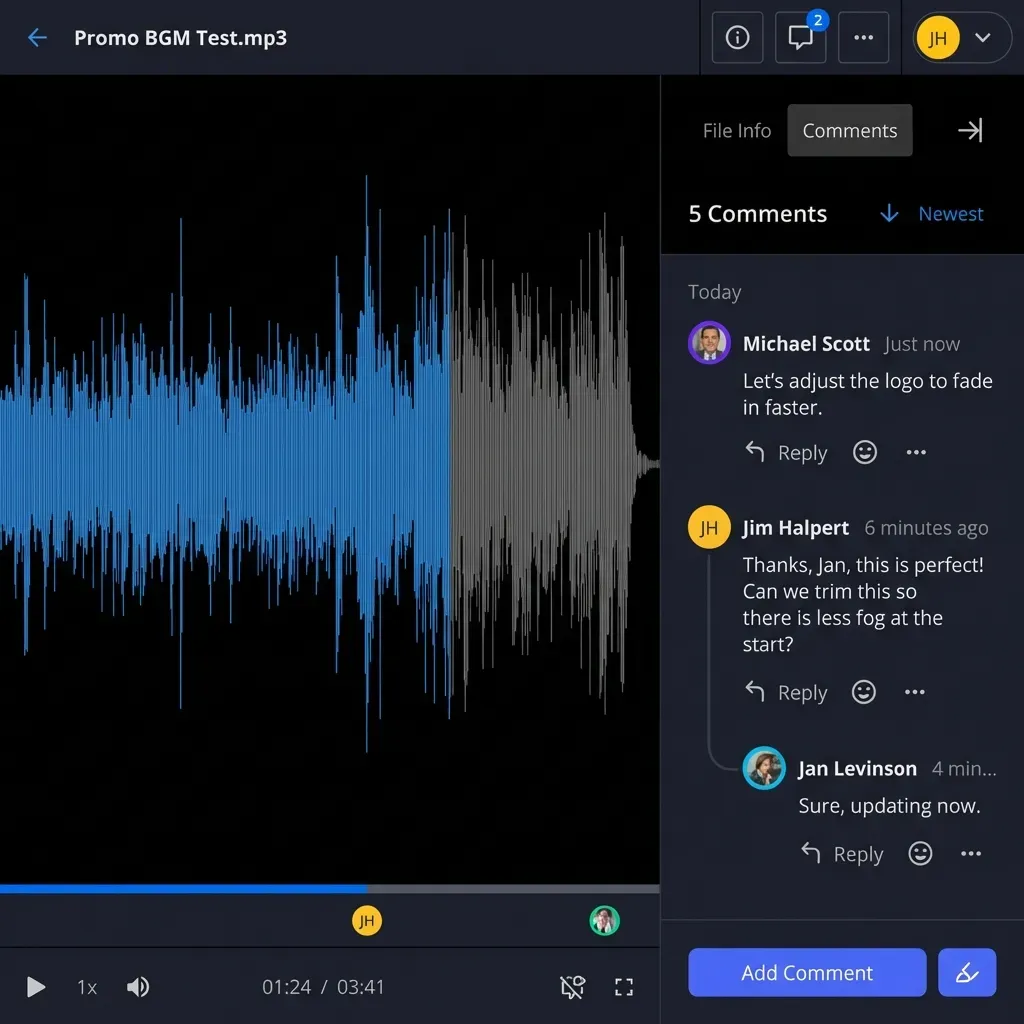
The grantee sees a single folder for their grant with subfolders for each reporting period. They upload their narrative, financial report, and evidence files into the current period's folder. The funder gets a notification, reviews the documents, and marks the period complete. Both sides can see the full history of the relationship.
Three capabilities make this work:
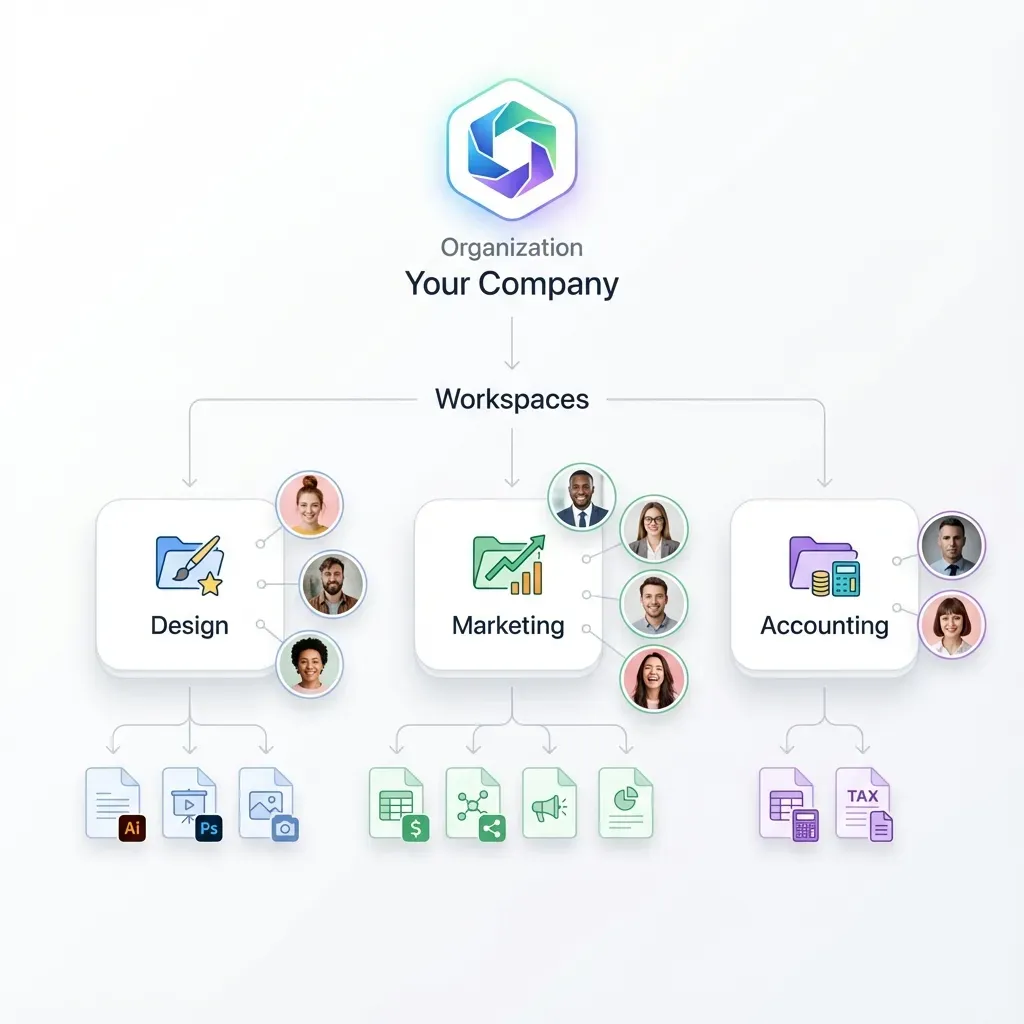
- Grantee-scoped access. The grantee can see and upload to their own grant folder, and nothing else. They cannot see other grantees, and they cannot see the funder's internal review notes.
- Versioning that keeps revisions. When a grantee uploads v2 of a report after a funder question, v1 stays accessible. Auditors need to see the original submission, not just the final version.
- An audit trail of who did what. Every upload, download, and permission change is logged with a timestamp and a user identity. When a compliance review asks who received the Q3 financial report and when, the portal answers without anyone digging through email.
Fastio provides these through granular permissions at the folder and file level, automatic file versioning, and a per-workspace audit log. The same applies to Box, SharePoint with locked-down permissions, and Egnyte. The capability matters more than the specific product.
Security and Compliance Posture for Grant Portals
Grant portals handle sensitive information: budgets that reveal organizational financial health, board rosters, participant data in program reports, and sometimes personally identifiable information in evaluation files. The security posture should match.
At minimum, a grant portal needs:
- Access controls that can be scoped per grantee, per program officer, and per board member reviewing applications
- Link expiration and password protection on any share sent outside the portal
- An audit log that captures every access event, not just uploads and downloads
- Clear data retention and deletion policies aligned with the funder's records schedule
Larger funders with government grants flowing through them may need additional compliance posture: specific encryption-at-rest requirements, data residency guarantees, or enterprise security standards attestations from their vendors. Verify what your specific funder requires before picking a platform. Fastio offers strong security controls (granular permissions, comprehensive audit trails, encrypted storage, branded shares with expiration), but does not currently carry enterprise security standards, strict security requirements, or government security requirements certifications. If a certification is required for your grant program, confirm the vendor's current attestation before you commit.
One practical tip: separate the application intake workspace from the active grants workspace from the closed-grants archive. This reduces the blast radius if a permission is set incorrectly, and it makes retention cleanup straightforward when a records schedule hits.
Choosing Between a Portal and a Full Grants Management Suite
The honest answer is that most small and mid-size funders do not need a full suite. A structured workspace with good permissions handles the document side of grant management, which is the part that causes the most operational pain. A spreadsheet or a lightweight CRM handles the review and tracking side.
Consider a full grants management platform when:
- You process more than 50 applications per cycle with formal scoring rubrics
- Your board requires standardized reporting that pulls from every grant
- You run multiple programs with different eligibility rules and review panels
- Your compliance environment requires a specific certified platform
Consider a portal-plus-spreadsheet approach when:
- Your volume is under 50 grants per cycle
- Your review process is informal or committee-based
- Your main pain is document handoff and record-keeping, not workflow automation
- Your budget favors a general-purpose workspace over a specialized SaaS
Many organizations start with the portal approach and upgrade to a suite later when their volume justifies it. The documents migrate cleanly because they are already organized by grant and cycle.
If you want to test the portal model, Fastio offers a 14-day Business Trial, card required; see /pricing/, which provides workspaces to run a small grants program. Branded Receive links, audit logs, and granular permissions let you test the document handoff workflow with real grantees before deciding whether to scale up.
Sources
References used to verify factual claims in this guide.
-
Federal grant recipients must retain financial and programmatic records for three years from the date of the final financial report.
Frequently Asked Questions
What is a grant management portal?
A grant management portal is a shared workspace where grantmakers collect applications and grantees submit reports and evidence documents. It replaces email attachments and ad-hoc shared drives with a single location where both sides of the funding relationship can find everything related to a specific grant.
How do foundations collect grant applications?
Smaller foundations typically use a branded upload link pointed at an intake folder, so applicants submit files without creating an account. Mid-size foundations use a lightweight portal with grantee-scoped folders. Larger funders with formal scoring and review panels use a dedicated grants management platform like Submittable, Fluxx, or Foundant.
How many reports does a grantee usually submit per cycle?
Most grants require two to four reports across the cycle: an interim narrative, an interim financial report, and a final report at close-out. Multi-year awards typically add an annual report, and larger awards may require quarterly financial reports. The grant agreement defines the exact cadence.
How long should grant records be retained?
For federal awards, 2 CFR 200.334 requires recipients to retain financial and programmatic records for three years from the date of the final financial report. Some categories require longer retention. Private foundations set their own policies, but three years is a reasonable floor for any grant program.
Do I need a dedicated grants management platform or will a shared workspace work?
Under about 50 applications per cycle, a structured workspace with folder-level permissions and a tracking spreadsheet handles the work. Above that volume, or when formal scoring rubrics and board reporting become important, a dedicated platform like Submittable or Fluxx starts to pay for itself.
Can grantees see each other's applications or reports in the portal?
Not if permissions are set correctly. A well-configured portal scopes each grantee to their own folder, so they can upload and view their own grant documents but cannot see other grantees' submissions or the funder's internal review notes.
Related Resources

Run your grant portal on Fastio
Spin up a branded grantee portal with audit trails, versioned files, and Receive links for applications. Start a 14-day Business Trial, card required; see /pricing/. Built for grant management portal workflows.