7 Best UI/UX Asset Management Tools for Designers (2026)
UI UX asset management tools organize icons, components, and prototypes for team reuse. Designers use these platforms to build design systems, share UI kits, and cut down on repetitive work. Good tools provide fast search. previews for PSD and AI files, and team collaboration features.

What to Look for in UI/UX Asset Management Tools
Effective UI UX asset management tools handle several key areas. First. organization matters. You need folders, tags, and search to find components quickly. Previews help too. Look for support for PSD, AI, Sketch, and Figma files so everyone sees the asset without extra software.
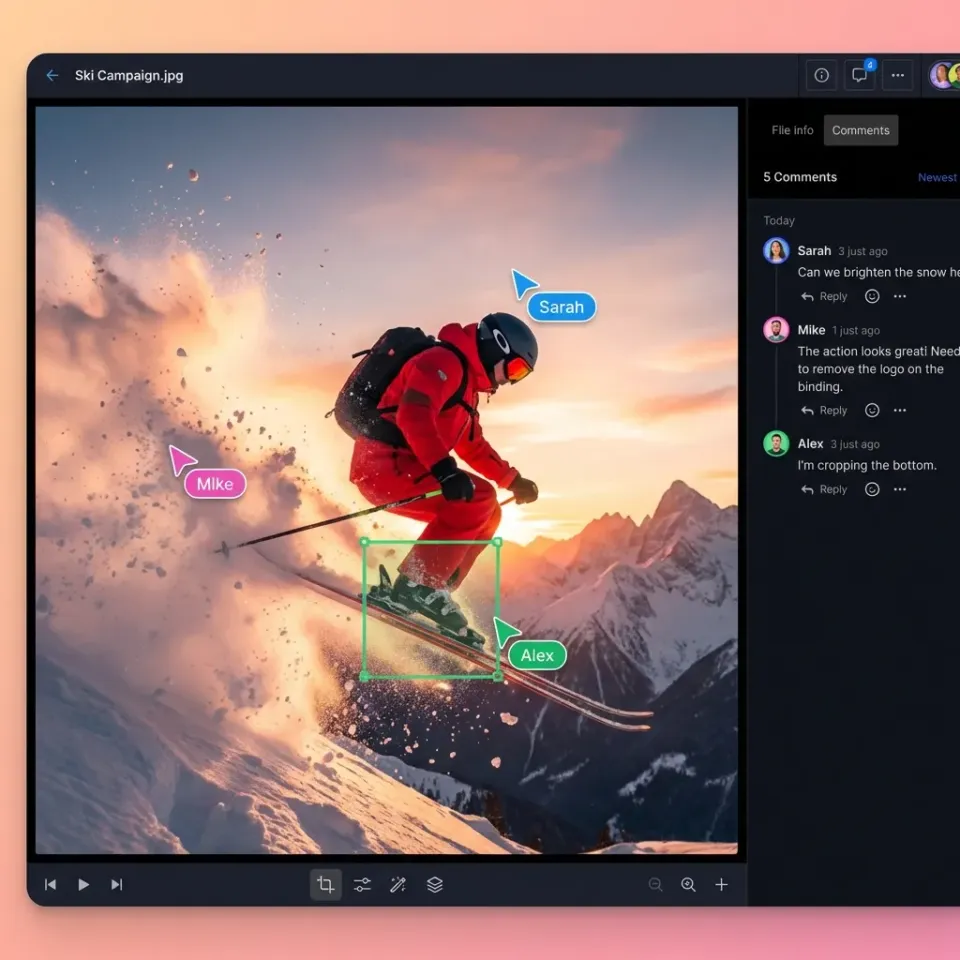
Collaboration comes next. Teams need real-time access, comments on specific areas, and version history. Sharing options should include branded portals for clients. Pricing varies from free tiers to enterprise plans. AI features like semantic search make tools stand out. They let you query "the blue button from the login page redesign."
Tools should scale for agencies with multiple projects. Integration with Figma or Adobe helps workflows. Security features protect assets. Many teams also need workflow automation like automatic version control when files update, or notifications when new assets are added to shared libraries. For teams working with clients, the ability to create branded portals makes a significant difference in professional presentation.
When evaluating options, consider how each tool handles the full asset lifecycle. This includes initial upload and categorization, ongoing maintenance and updates, version control and history, and eventual archival or deletion. The best platforms make all of these stages straightforward without requiring workarounds or external tools.
For teams exploring different solutions, comparing file sharing alternatives can help identify the right fit for specific workflows.
Related guides
- 7 Best Logo Design Client Feedback Tools for 2026A logo design client feedback tool helps designers share drafts and collect specific client input to cut down revision...
- How to Share ZBrush Sculpt Files with Clients and TeamsZBrush sculpt files (.ztl) often reach multiple gigabytes, so email and regular cloud storage don't work. Pros need...
- How to Build a Canva Agency Collaboration WorkflowCanva agency collaboration workflow simplifies design reviews for remote teams. Agencies use Canva Teams for real-time...
- How to Share Procreate Files with ClientsSharing Procreate files with clients can be tricky. The files are large and use a layered format only available on...
- How to Set Up Remote InDesign Collaboration for TeamsInDesign collaboration remote lets design teams review layouts from anywhere without chasing file versions through...
- How to Do Concept Art Review CollaborationConcept art review collaboration refers to the structured process of sharing visual concepts for iterative feedback in...
More on this subject: Creative and Marketing Teams (27 guides)
How We Evaluated These Tools
We tested platforms based on ease of use, feature set, and value. Search speed and accuracy topped the list. Preview quality for design files ranked high, since teams frequently need to review PSD, AI, and other professional formats without specialized software. Collaboration tools got close looks, especially comments and sharing capabilities that affect daily workflows.
Pricing and free tiers factored in. User reviews from G2 and Capterra showed real-world performance beyond marketing claims. We checked integrations with popular design tools and support capabilities for large teams managing hundreds of assets. AI capabilities addressed a common gap in current options, as many teams struggle to find assets efficiently in large libraries.
Each platform was evaluated on how well it handles the full asset lifecycle: uploading, organizing, searching, collaborating, and sharing with external stakeholders. The ranking reflects how well tools solve real problems designers face daily.
1. Fastio
Fastio builds intelligent workspaces for design teams. Upload PSD, AI, INDD, or RAW files and get instant browser previews. No plugins needed. Once Intelligence is enabled for the workspace, semantic search indexes assets. Ask "show icons from mobile nav" and get results with citations.
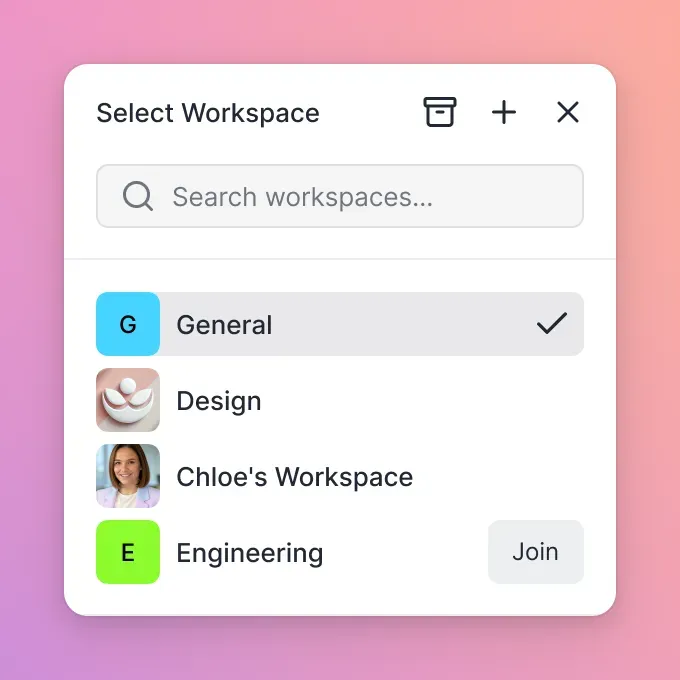
Workspaces organize projects. Invite teammates for real-time presence and collaborative notes during reviews. Comment on specific image regions or frames. Branded portals share UI kits with clients securely. Fastio offers a 14-day Business Trial requiring a credit card, with Starter plans from $9.99/mo and usage-based credits.
Pros:
- AI semantic search finds assets by meaning
- Universal previews for pro formats
- Real-time collaboration and comments
- Flexible usage-based credit pricing
- Branded client shares
Cons:
- Newer to design-specific features
- Learning curve for AI setup
Best for agencies needing AI and team collab.



Streamline Your Design Assets Today
Fastio provides AI search, design previews, and team workspaces on flat plans with seats included.
2. Bynder
Bynder serves enterprise creative teams with a comprehensive digital asset management platform. It offers strong DAM features including AI tagging and search that help teams find assets quickly. Organize assets with metadata and collections to maintain structure across large libraries. Previews work for most common design formats, letting stakeholders review files without opening specialized software.
Workflows automate approval processes, which is valuable for teams with multiple stakeholders reviewing and signing off on assets. Integrations connect to Adobe Creative Cloud and Figma, allowing smoother transitions between design tools and asset management. Usage analytics track downloads and engagement, giving teams insight into how assets are being used.
Pros:
- Advanced workflows and approval automation
- Good integration with major design tools
- Brand portal features for external sharing
Cons:
- Higher cost makes it less accessible for small teams
- Setup and configuration can be complex
Pricing: Custom enterprise pricing. Best for large enterprises.
3. Canto
Canto focuses on visual digital asset management with an intuitive interface that teams adopt quickly. Upload and tag assets easily using bulk operations that save time when managing large libraries. Search uses AI to find similar images, which helps when searching for assets that match a particular style or composition. Previews load quickly, allowing stakeholders to review files without delays.
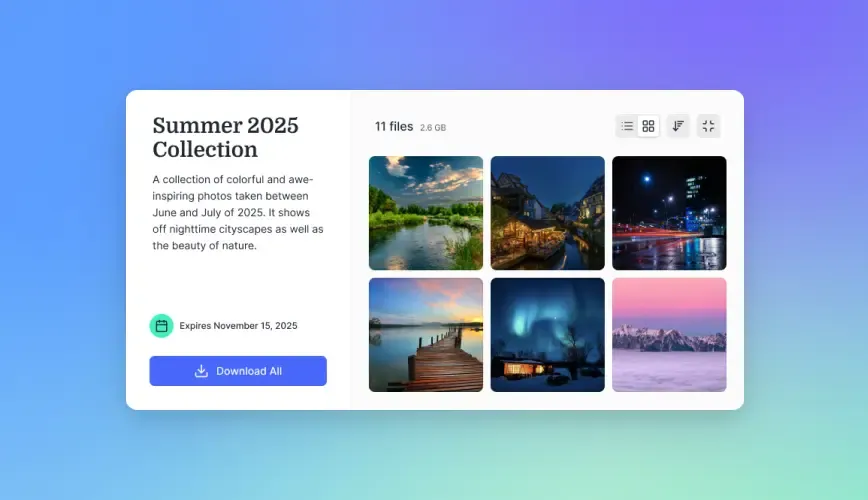
Digital asset banks organize libraries into logical groupings that make sense for your team. Client portals support custom branding, letting agencies present a professional face to clients. Reports show asset performance, tracking downloads and usage to help teams understand which assets are most valuable.
Pros:
- Intuitive interface reduces learning curve
- AI visual search finds related assets
- Solid reporting and analytics
Cons:
- Limited options for custom workflows
- Per-user pricing adds cost as teams grow
Pricing: Per-user subscription. Good for mid-size creative teams.
4. Widen (Acquia DAM)
Widen, now part of Acquia, handles creative workflows with strong automation capabilities. Previews support design files from major creative tools, making it practical for teams using Adobe or similar software. Metadata tools aid search significantly, allowing teams to build comprehensive asset descriptions that make finding files straightforward.
Automated publishing distributes assets to multiple channels simultaneously, which is valuable for teams managing content across websites, social media, and marketing platforms. Workflows route files for review automatically, ensuring proper approvals happen without manual follow-up. Integrations with creative tools connect Widen to the tools teams already use daily.
Pros:
- Strong workflow automation
- Good integrations with creative tools
- Syndication features for multi-channel distribution
Cons:
- Enterprise focus may overwhelm smaller teams
- Learning curve for setup and configuration
Pricing: Custom enterprise pricing. Suits agencies with distribution needs.
5. Brandfolder
Brandfolder specializes in brand asset management, making it ideal for teams focused on maintaining brand consistency across marketing and product materials. AI search and auto-tagging speed up discovery significantly, helping teams locate assets without memorizing exact file names. Portals for external sharing let clients and partners access approved assets securely.
Version control keeps libraries current, tracking changes and maintaining history that lets teams revert when needed. API access enables custom applications and integrations for teams with specific requirements. Analytics track usage patterns, showing which assets are most popular and which might need updating.
Pros:
- Strong brand governance tools
- Usage analytics provide insights
- Flexible API for custom integrations
Cons:
- Can be expensive for smaller brands
- May be overkill for teams with simple UI kit needs
Pricing: Per-user pricing. Ideal for brand teams.
6. Cloudinary
Cloudinary optimizes media assets automatically, transforming images and videos for optimal web delivery without manual processing. DAM features organize files with support for tags, folders, and AI-powered search. The platform excels at image transformations, letting teams generate multiple sizes and formats from a single source file.
Developer-friendly APIs make integration straightforward for teams building custom workflows. A global CDN accelerates delivery to users anywhere in the world, improving performance for distributed teams and their clients. The focus on optimization makes Cloudinary particularly valuable for teams building web applications or sites that need fast load times.
Pros:
- Excellent image optimization capabilities
- Strong developer integrations
- Global CDN for fast delivery
Cons:
- Less focus on collaboration features
- Bandwidth costs can add up with high usage
Pricing: Free tier available, paid plans for higher usage. Popular with developers.
7. Imagekit
Imagekit combines digital asset management with CDN delivery, offering a streamlined solution for teams focused on web content. Real-time image optimization happens automatically, adjusting formats and sizes based on the viewing device. URL-based transforms let developers generate exactly the image they need without managing multiple versions.
Basic organization and search capabilities handle smaller libraries effectively. The platform integrates easily with websites and applications through straightforward APIs. For teams primarily concerned with image delivery rather than complex collaboration workflows, Imagekit provides a focused solution.
Pros:
- Fast delivery through integrated CDN
- Easy setup and configuration
- Affordable pricing for web-focused teams
Cons:
- Basic DAM features compared to competitors
- Limited collaboration and workflow tools
Pricing: Free tier available, paid plans for more storage. Good for web-focused teams.
Quick Comparison Table
This comparison shows how tools stack up on the features that matter most for UI/UX asset management. Fastio stands out for combining AI search with real-time collaboration in an intelligent workspace package. Enterprise tools like Bynder and Widen prioritize workflow automation over AI features. Developer-focused options like Cloudinary and Imagekit excel at optimization but offer less collaboration functionality.
Which Tool Fits Your Team?
Small teams and startups work well with Fastio or free tiers from Cloudinary and Imagekit. These options provide essential features without significant investment, making them ideal for teams just establishing their asset management workflows.
Agencies and enterprises needing advanced workflows, approvals, and brand governance should consider Bynder or Widen. These platforms offer the automation and scalability required for larger organizations managing multiple brands and high volumes of assets.
Development teams focused on media optimization might prefer Cloudinary or Imagekit. Both excel at image transformations and CDN delivery, making them natural choices for teams building web or application interfaces.
Consider your primary needs: AI search capabilities, collaboration requirements, budget constraints, and integration with your existing design tools. Test free trials before committing to ensure the platform matches your actual workflows.
Sources
References used to verify factual claims in this guide.
-
Fastio plans start with a 14-day Business Trial requiring a credit card
Frequently Asked Questions
What are the best UI asset managers?
Fastio leads with AI search and previews. Bynder and Canto follow for enterprises. Choose based on team size and AI needs.
How much does Fastio cost for UX asset management?
Fastio provides a 14-day Business Trial requiring a credit card before Starter at $9.99/mo. Cloudinary and Imagekit offer free entry-level plans.
How does AI improve asset management?
AI enables semantic search and auto-tagging. Find assets by description. not keywords. Fastio indexes files for natural queries.
What file formats do these tools support?
Most handle PNG, SVG, PSD. Fastio previews PSD, AI, INDD, RAW natively.
Can clients access assets securely?
Yes, via branded portals with passwords and expiration. Fastio and Brandfolder excel here.
Related Resources

Streamline Your Design Assets Today
Fastio provides AI search, design previews, and team workspaces on flat plans with seats included.