How to Do Concept Art Review Collaboration
Concept art review collaboration refers to the structured process of sharing visual concepts for iterative feedback in creative industries like games, film, and animation. Artists create initial designs in tools like Photoshop or Illustrator, uploading high-resolution PSD or AI files for review by art directors, clients, and production teams. This phase usually involves several rounds of revisions to align on mood, composition, and style before moving to production.


What Is Concept Art Review Collaboration?
Concept art review collaboration is the process of sharing early visual designs for feedback from stakeholders. Artists upload high-res images or layered PSD files to a central platform. Directors and clients annotate specific areas, suggest changes, and approve revisions.
This workflow applies to game development, film pre-production, and advertising. Teams need tools that handle large files without compression, support layered previews, and enable threaded discussions on image regions.
Without proper tools, reviews rely on email chains or chat apps, leading to version confusion and lost feedback.
Helpful references: Fastio Workspaces, Fastio Collaboration, and Fastio AI.
For example, a game studio reviewing character concepts for an RPG can upload layered PSD files directly to a shared workspace, where the art director pins a region comment on the character's weapon arm and writes "increase forearm mass by 20%" — keeping the note tied to the exact area rather than described in a separate email. One real constraint is file size: layered PSD files for a single character can exceed 500MB, and platforms that compress images on upload will strip layer data and alter colors, making them useless for professional review. Studios using optimized review pipelines with proper large-file support report up to 30% fewer revision rounds per concept, according to game art pipeline reports from 2025.
Related guides
- How to Build a Canva Agency Collaboration WorkflowCanva agency collaboration workflow simplifies design reviews for remote teams. Agencies use Canva Teams for real-time...
- How to Set Up Remote InDesign Collaboration for TeamsInDesign collaboration remote lets design teams review layouts from anywhere without chasing file versions through...
- 7 Best Logo Design Client Feedback Tools for 2026A logo design client feedback tool helps designers share drafts and collect specific client input to cut down revision...
- How to Share Figma Prototypes with ClientsSharing a Figma prototype should be simple, but permission settings, feedback collection, and version tracking add...
- How to Share Procreate Files with ClientsSharing Procreate files with clients can be tricky. The files are large and use a layered format only available on...
- How to Choose File Storage for Martech StacksMartech stack file storage puts assets in one place across marketing tools. Marketing teams handle dozens of platforms...
More on this subject: Creative and Marketing Teams (27 guides)
Challenges in Traditional Concept Art Reviews
Concept art projects often go through several rounds of feedback per phase. Directors refine the vision based on client input, leading to layered revisions on PSD files that can exceed several gigabytes in size.
Traditional email attachments hit size limits quickly, forcing artists to compress files and lose quality. Screenshots lack precision for pinpointing specific design elements like lighting or proportions. Physical printouts are impractical for remote teams spread across continents and time zones.
Async feedback gets buried in Slack threads or long email chains, making it hard to track changes. Manual version control leads to files named "concept_v3_final_clientFeedback2.psd," causing confusion and rework. Poor tools extend revision cycles, delaying production by weeks and increasing costs.
Version Control Issues
Multiple versions circulate without clear labeling. Feedback gets attached to wrong files.
File Size Limits
Pro formats like PSD exceed email or basic cloud limits.
Key Features for Effective Concept Art Review Tools
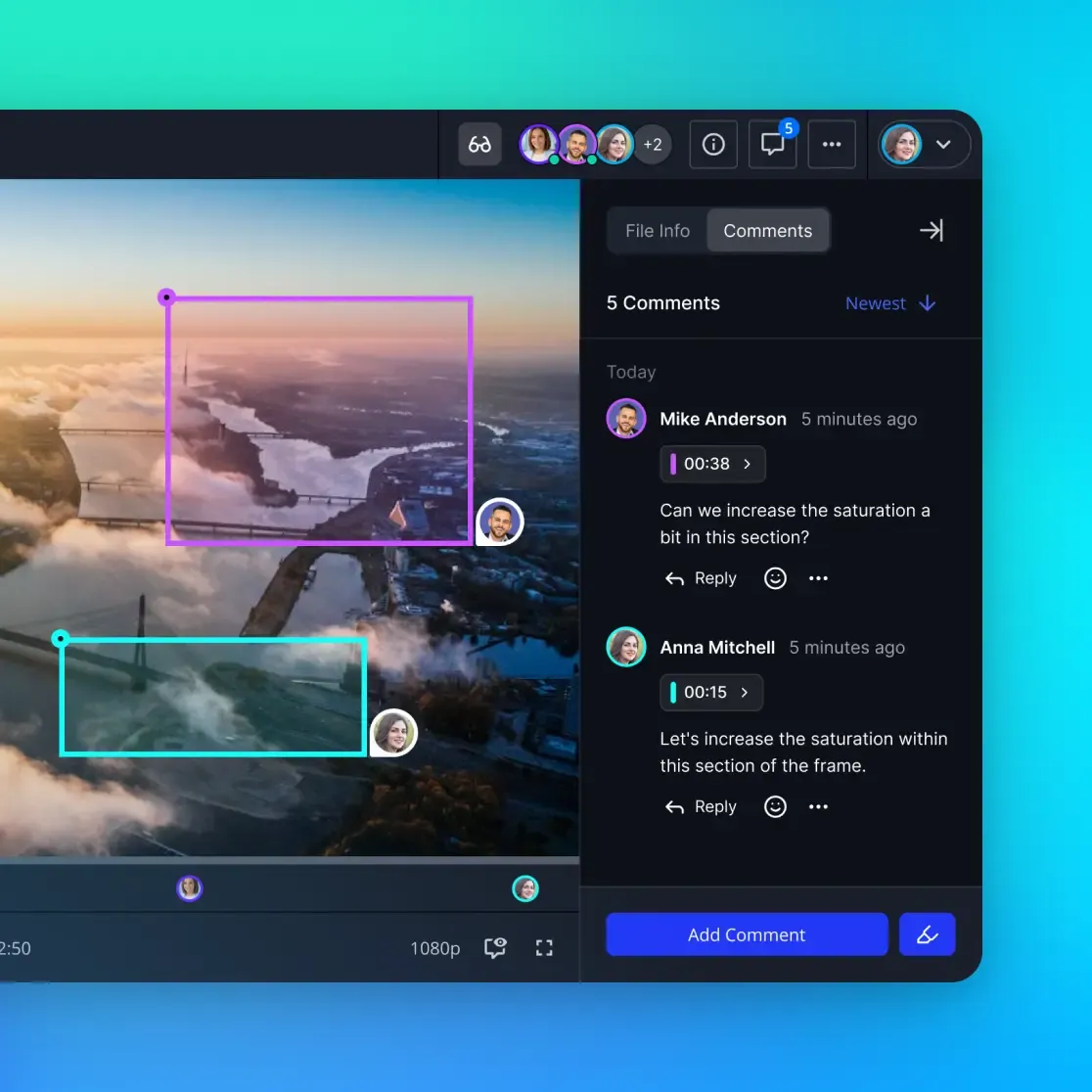
Effective tools must offer native browser previews for PSD, AI, InDesign, and RAW files without requiring downloads or plugins. Region-anchored comments allow reviewers to pin notes, drawings, or emojis directly to specific areas of the image, such as a character's pose or background element.
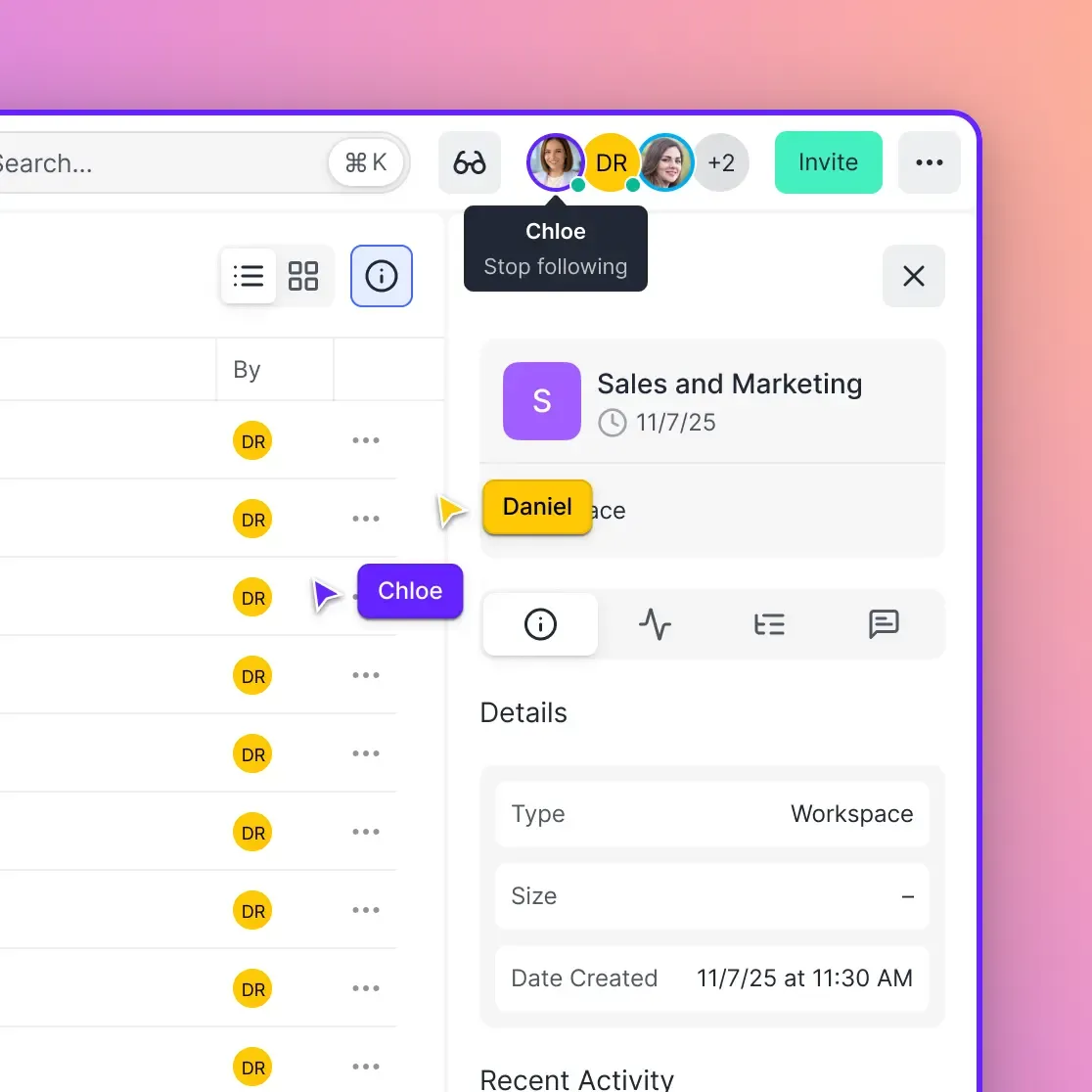
Real-time presence indicators show avatars of active viewers, with follow mode to sync scrolling and zoom during live sessions. Activity logs record every view, comment, and revision, providing an audit trail for directors.
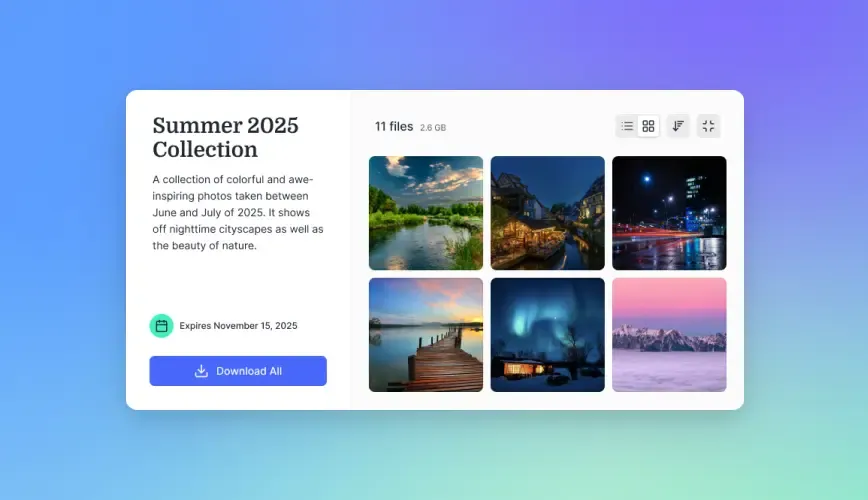
Branded client portals deliver a professional experience with your studio's logo and colors, no login needed for guests. Large file support keeps high-res originals intact, and version history enables side-by-side comparisons of iterations.
Step-by-Step Workflow for Remote Concept Art Review
This step-by-step workflow ensures smooth remote concept art review collaboration, minimizing miscommunication and accelerating approvals.
Prepare and Upload Assets: Artists finalize initial concepts in Photoshop or Illustrator, exporting layered PSD or AI files. Upload to a dedicated workspace folder in Fastio, where native previews generate automatically. Tag files with project name and version for easy organization.
Invite Reviewers and Set Permissions: Generate share links or add emails for art directors, producers, and clients. Use granular permissions: view-only for clients, edit comments for directors. Branded portals hide internal folders for professional presentation.
Collect Targeted Feedback: Reviewers use region-anchored comments to pin suggestions to specific areas, like 'adjust lighting here' or 'revise pose'. Draw arrows or shapes for clarity. Threaded replies keep discussions organized, with @mentions for quick responses.
Iterate and Compare Versions: Upload revised files to the same folder. Side-by-side view compares changes. Version history shows diffs, helping track evolution from sketch to final.
Final Approval and Archiving: Directors sign off with a comment or status update. Archive approved concepts to a production workspace.
Post-Review Analysis: Review activity logs for time spent and common feedback patterns. Use AI summaries to identify recurring issues like color tweaks for future improvement.
This workflow reduces revision cycles by focusing feedback and providing visual context at every step.


Simplify Your Concept Art Reviews
Fastio offers native PSD previews, region comments, and branded portals for large files. Start a 14-day trial. Designed for concept art review collaboration workflows.
Comparing Top Concept Art Review Collaboration Tools
Here's a comparison of top tools for concept art review collaboration:
Fastio supports pro creative formats, precise region comments, real-time collaboration, and flat plans with seats included. It suits studios handling large layered files and client portals.
How Fastio Simplifies Concept Art Collaboration
Fastio is built for creative workflows like concept art review, handling massive files up to hundreds of GB with no compression. The Universal Media Engine provides instant browser previews for PSD layers, AI vectors, RAW photos, and more, no plugins or downloads needed. Contextual comments let reviewers anchor notes, sketches, or measurements to exact image regions, preserving precision across devices. Real-time presence and follow mode enable live co-review sessions, where directors and artists sync views instantly. Branded portals present clean, professional interfaces for clients, with your logo and analytics on engagement. Activity tracking logs every interaction, helping art directors prioritize feedback. For remote teams, this cuts feedback loops from days to hours.
AI-Assisted Tagging for Revisions
The content gap in concept art review tools is AI-assisted tagging and analysis of revisions. Fastio's Intelligence Mode auto-indexes files and comments, extracting metadata like layer changes or color profiles.
AI summarizes feedback threads, highlighting patterns such as frequent 'adjust lighting' or 'tighten composition' requests. This helps artists anticipate director preferences and reduce future iterations.
For example, in a game studio workflow, AI tags a series of revisions showing repeated pose adjustments, generating a report for the art director. Constraint: Works best with consistent naming conventions. Outcome: Teams report faster alignment on first pass.
Enable Intelligence Mode on your workspace to get semantic search over comments and auto-summaries of review sessions. Traditional tools require manual tagging, missing this efficiency boost.
Best Practices for Art Direction Feedback in Concept Art Reviews
Successful concept art review collaboration relies on clear processes and tools. Start with structured templates for feedback: mood boards, key questions like 'Does it match the brief?', and rating scales for style adherence.
Limit the number of reviewers per round to avoid conflicting input. Use color-coded comments: red for major changes, yellow for suggestions, green for approvals.
Schedule live sessions for complex feedback using real-time follow mode. Always archive iterations with timestamps and rationale notes. For client reviews, pre-load portals with context documents.
Integrate AI summaries post-review to log patterns and improve future briefs. These practices cut revision time and align teams faster.
Measuring Efficiency in Concept Art Review Processes
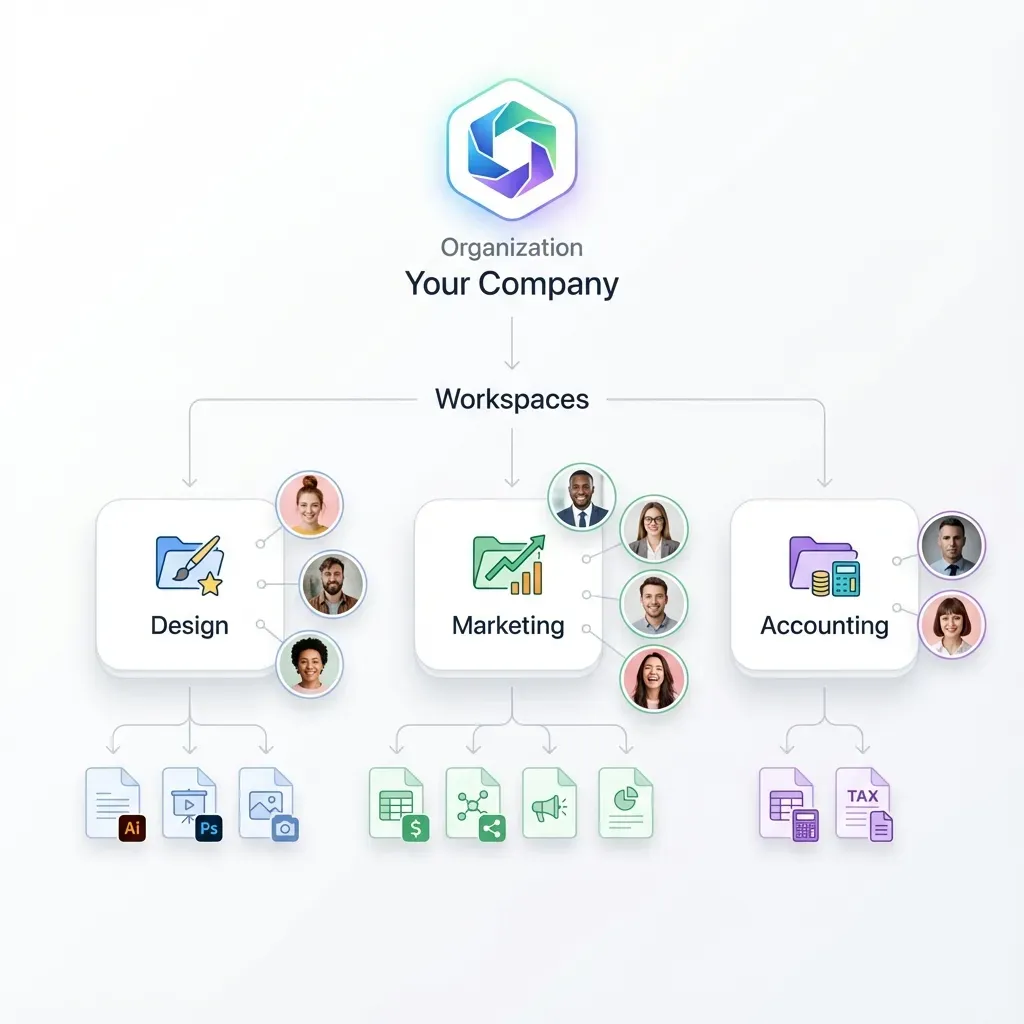
Track key metrics to optimize your review workflow such as average iterations per concept, time from upload to approval, and feedback resolution rate.
Use tool analytics for engagement: views per file, comment density, reviewer participation. Compare pre/post-tool adoption: remote tools often reduce cycle time substantially.
Survey participants on clarity and usefulness. Benchmark against industry averages from creative agencies. Adjust based on data, like adding more live sessions if async feedback lags.
Fastio's activity logs and AI summaries provide these insights built in, helping studios refine processes continuously.
An animation studio can track the average number of revision rounds per concept phase by checking comment counts and version upload timestamps in their workspace activity log, then use that data to set realistic review timelines in future project briefs. One constraint: meaningful metrics require consistent naming conventions for file versions — if artists upload files with arbitrary names rather than a clear versioning scheme like "char_vX", the activity log becomes hard to parse for patterns. Studios that tracked iterations per concept and shared that data with clients before scoping work reported fewer scope disagreements mid-project and better alignment on what "one round of revisions" actually means.
Frequently Asked Questions
What are the best concept art review tools?
Top options include Fastio for pro previews and comments, Frame.io for video integration, and Figma for vector work. Choose based on file types and team size.
How does remote art review process work?
Upload art to a shared platform, invite reviewers, collect annotations, revise, and approve via version control. Tools like Fastio enable async or live sessions.
What is art direction feedback?
Directors provide specific guidance on mood, style, and composition. Effective tools allow precise annotations without altering originals.
Can clients review concept art without accounts?
Yes, branded share links with view-only access work best. Fastio offers password protection and analytics.
How to handle large PSD files in reviews?
Use platforms with native PSD previews and streaming. Avoid compression services that degrade quality.
Related Resources

Simplify Your Concept Art Reviews
Fastio offers native PSD previews, region comments, and branded portals for large files. Start a 14-day trial. Designed for concept art review collaboration workflows.