Top Student Homework Submission Portals for Schools
Student homework submission portals let students upload assignments online in a secure way. Files get organized automatically for teachers. You often see Google Classroom, Canvas, and Moodle, but many miss strong feedback tools or easy parent access. This guide lists the top portals with pros and cons. It also covers how Fastio workspaces handle common shortcomings for smoother classroom collaboration.

What Is a Student Homework Submission Portal?
A student homework submission portal is an online system where students upload assignments digitally. Files arrive organized by class or assignment, with timestamps to verify on-time delivery. Most portals work alongside grading software or spreadsheets.
Teachers get PDFs, docs, images, and videos in one place. No more lost papers or email attachments that bounce. Automatic notifications cover due dates and submissions, and teachers can download a zip of all submissions or review them in-browser. For hybrid and remote classes especially, having a clear audit trail of what was submitted and when matters a lot — both for grading and for resolving disputes with parents.
Related: Fastio for education solutions, workspace collaboration, secure sharing.
A middle school in a 1:1 Chromebook district set up Google Classroom for homework uploads in one semester and eliminated paper submission entirely for three core subjects. The main constraint was students sharing family devices: the school had to enable offline submission and set 11:59 p.m. deadlines, which research from a 2024 quasi-experiment shows students strongly prefer over afternoon cutoffs. Submission completion rates across those three classes rose from roughly 74% to 91% over the first marking period.
Related guides
- Top K12 File Sharing Platforms for SchoolsTeachers, students, and parents exchange assignments, resources, and feedback on K12 file sharing platforms. Schools...
- How to Build a School Parent Portal for Secure File SharingGuide to school parent portal file sharing: Schools need a secure way to share report cards, IEPs, permission slips,...
- How to Set Up Student Project Collaboration WorkspacesStudent project collaboration workspaces give groups a single place to upload files, add comments, and track changes...
- How to Set Up a Teacher Student File Feedback SystemTeachers face a weekly grind reviewing student work—essays, spreadsheets, art sketches, video projects. Traditional...
- Top 10 Lesson Plan Collaboration Tools for Teachers in 2026Teachers spend roughly 7 hours per week searching for instructional materials and another 5 hours creating their own....
- 10 Best Classroom File Collaboration Tools for TeachersClassroom file collaboration tools let teachers share assignments, projects. and feedback with students in real time....
More on this subject: Education (15 guides)
Why Schools Switch to Digital Homework Submission Systems
The practical argument for going digital is mostly about logistics. No more chasing down students who claim they submitted but the paper "got lost." Timestamps are automatic. Students submit from a phone or laptop; no printer needed. Project Tomorrow's Speak Up research has consistently found that high school students already use digital tools for homework — a portal just formalizes what they're already doing. Automated reminders handle most of the nagging about due dates without the teacher having to do it. The one thing to watch: if your portal has file size caps, you'll hear about it the first time a student tries to submit a video project.
A high school science department moved lab reports to Canvas uploads and immediately cut teacher email volume for assignment questions by around 60%, because students could check submission status themselves. The main constraint was that students working from public library computers sometimes hit the browser's 100 MB file cap when uploading lab video recordings; the department resolved this by having students compress videos before submission or use a shared school upload station. Completion rates for multi-week projects climbed once automated due-date reminders were turned on — the department attributed it partly to the reminders themselves, partly to students being able to confirm their submission went through without emailing the teacher.


Set Up Secure Homework Submissions Today
Fastio workspaces offer large uploads, direct feedback, parent access. Start a 14-day trial. Built for student homework submission portal workflows.
Top 5 Student Homework Submission Portals
1. Google Classroom
Google Classroom is a free learning management system integrated with Google Workspace, popular for K-12 education.
Students turn in homework by attaching files or links directly to assignments. Teachers create classes, post tasks with due dates, and grade submissions in one place. It supports Google Docs for collaborative editing.
Pros:
- Easy setup with existing Google accounts
- Mobile app for quick submissions
- Basic grading and rubric tools
- Automatic notifications for due dates
Cons:
- Limited advanced feedback options beyond comments
- Privacy concerns with Google's data practices
- File size limits (typically 100MB per file)
- Less flexible for non-Google file types
Best for small classes already in the Google ecosystem. Pricing: Free.
2. Canvas by Instructure
Canvas is a solid LMS used in universities and K-12 schools, known for its speed and customizability.
Teachers set up courses with modules, assignments, and quizzes. Students upload files, which teachers can download in bulk or grade online. SpeedGrader allows quick feedback on submissions.
Pros:
- Customizable rubrics and grading scales
- Learning analytics for student performance
- Wide integrations with Google, Microsoft, and more
- Mobile app with offline support for submissions
Cons:
- Steeper learning curve for beginners
- Full features require paid plans for institutions
- Can feel overwhelming for simple homework submission needs
Pricing: Free for Teachers edition; institutional pricing is quoted per student per year. Best for schools needing detailed analytics and integrations.
3. Moodle
Moodle is an open-source learning platform that schools host on their own servers.
Teachers create courses with assignment activities where students upload files. Submissions are tracked with timestamps, and teachers can provide grades and feedback. Thousands of plugins extend functionality.
Pros:
- Completely free and open-source
- Highly customizable through themes and plugins
- Large community and plugin ecosystem
- No per-user fees
Cons:
- Requires server setup and maintenance by IT staff
- Interface less polished than commercial options
- Plugins can introduce security risks if not updated
Ideal for tech-savvy admins with IT support. Pricing: Free (hosting costs extra).
4. Schoology (PowerSchool)
Schoology, now part of PowerSchool, is designed for K-12 with strong parent involvement features.
Assignments are posted to classes, students attach files or use built-in tools. Teachers use rubrics and track submissions. Parents log in to see grades and work.
Pros:
- Dedicated parent portals for monitoring
- Mobile-friendly apps for all users
- Detailed progress tracking and reports
- Good integration with student information systems
Cons:
- Pricing aimed at districts, expensive for small schools
- Changes after PowerSchool acquisition affected some features
- File upload limits for large projects
Suited for entire districts. Pricing: Subscription-based, quote required.
5. Seesaw
Seesaw is a simple platform geared toward elementary students and family engagement.
Students create portfolios with photos, videos, drawings, and voice notes for assignments. Teachers approve and share with families.
Pros:
- Supports multimedia submissions easily
- Strong family engagement tools
- simple interface for young learners
- Portfolio-style viewing of work
Cons:
- Limited features for middle/high school
- Subscription required after trial
- Not ideal for text-heavy assignments
Great for early grades. Pricing: Free basic; Premium plans are priced per teacher.
Comparison Table
Fastio as a Secure Homework Upload Portal
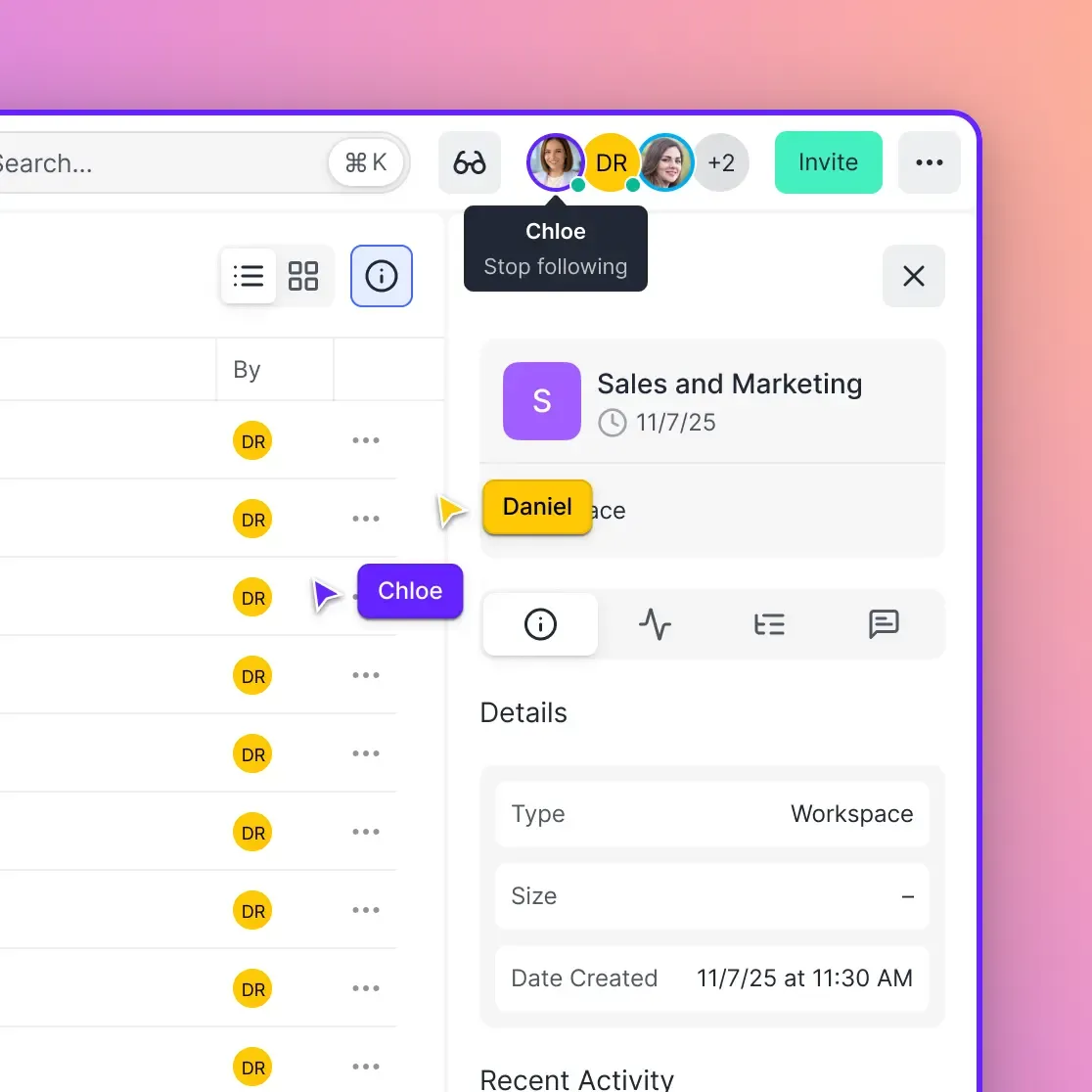
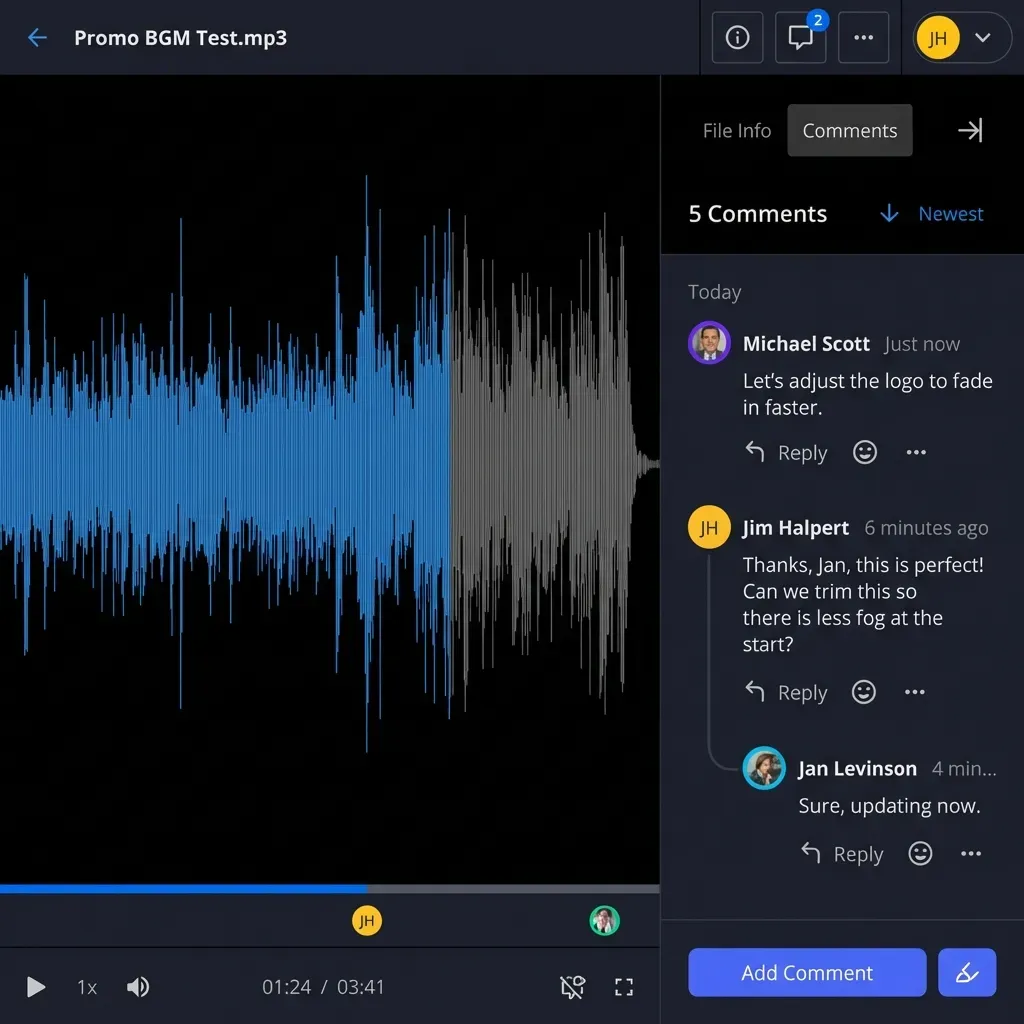
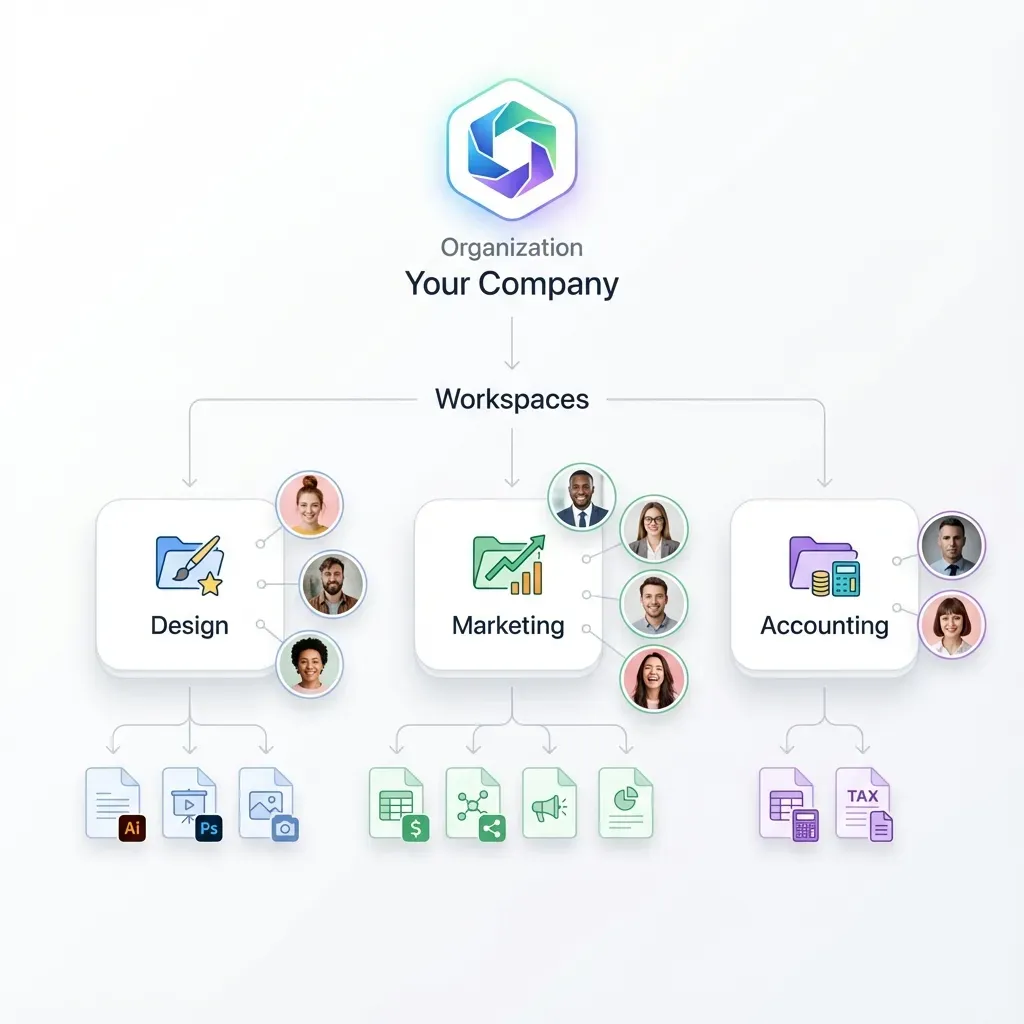
Fastio workspaces offer a lightweight, secure alternative for homework submissions without full LMS overhead. Teachers create a class workspace and assignment folders. Share upload-only links with students, no student accounts needed. Students submit large files, including videos or datasets, with automatic organization and timestamps. Browser previews let teachers review without downloads. Add threaded comments anchored to specific document pages, image regions, or video frames for precise feedback. Parents access read-only shares as guests, no extra logins. Detailed audit logs track every view, upload, and comment. Unlimited class size, no per-user fees. SSO integration with Okta, Google, or Azure AD. Files owned by the school organization, safe from staff turnover.
Setup in 5 Minutes:
- Start a 14-day trial on monthly plans (credit card required).
- Create workspace: "Algebra 1".
- Add folders:
/Week1-Homework,/Projects. - Share links with upload permission.
- Students upload; teachers review and comment. Real-time presence shows who's viewing files. Works for hybrid/remote classes with mobile support.

Addressing Common Gaps: Feedback and Parent Access
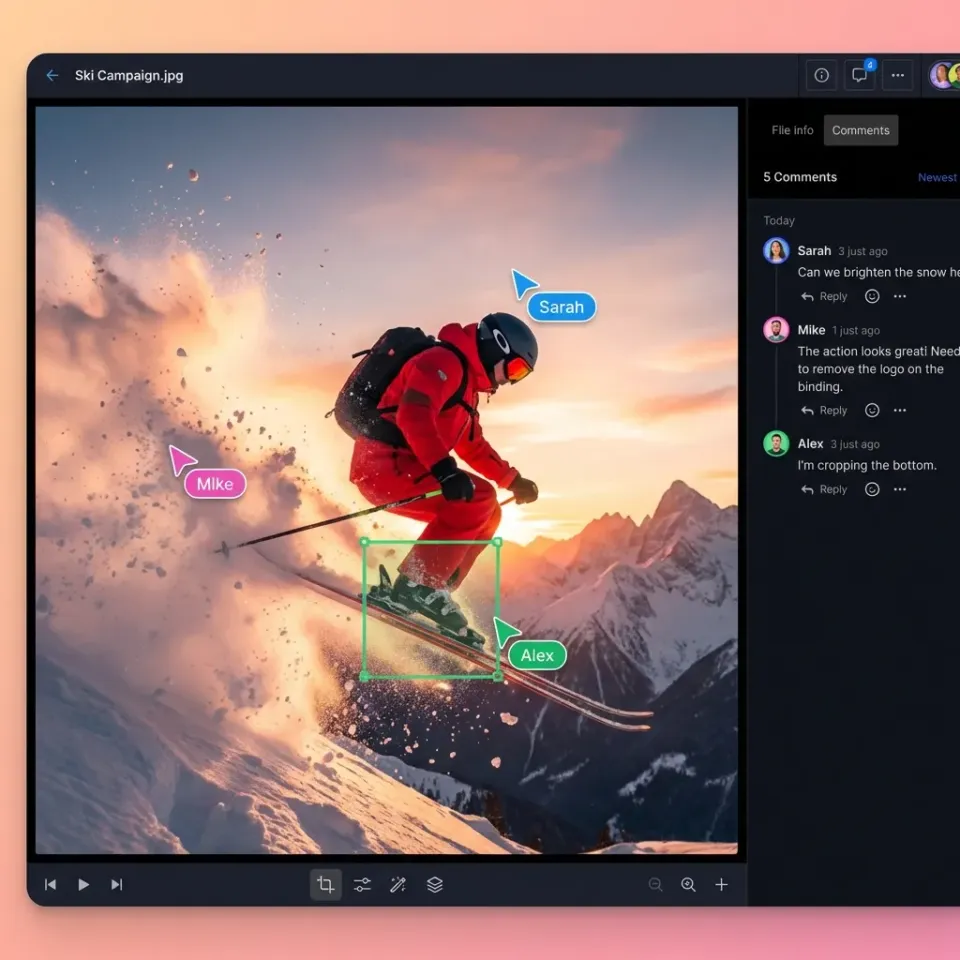
Most portals stop at a grade and a comment box. Fastio lets teachers anchor comments to a specific page in a PDF, a region in an image, or a timestamp in a video — so "see the equation on page 3" or "fix the color balance at 0:42" replaces a round of back-and-forth email. Parent access is often an afterthought in mainstream LMS tools, usually requiring separate accounts and a training session. Fastio guest shares give parents a read-only view with no signup. Activity logs show when they opened it. Combine with your existing grading tool via exports or the API.
For example, an art teacher used Fastio guest links so parents could view final project portfolios without creating accounts. The constraint to plan for is that parents unfamiliar with link-based access sometimes forward the link beyond the intended audience; setting a domain restriction or expiry date on the share prevents that. Schools piloting this approach with one class before rolling out department-wide reported that parent engagement with student work, measured by link views per assignment, roughly doubled compared to the prior email-attachment method.
Frequently Asked Questions
What are the best homework submission apps?
Google Classroom for easy use, Canvas for extra tools, Moodle to tweak as needed. Fastio workspaces handle secure large uploads too.
What are free student portals?
Try Google Classroom, self-hosted Moodle, or Canvas Free-for-Teacher. Fastio offers a 14-day Business Trial (credit card required).
How do secure student submission systems work?
Encryption, access controls, activity logs. Fastio uses at-rest encryption, fine-grained permissions, and complete audit trails.
Can parents access homework portals?
Yes in Schoology, Seesaw, etc. Fastio lets parents see shares without accounts.
What file sizes do portals support?
Google Classroom and Canvas have file limits. Fastio takes large files, perfect for big projects.
Related Resources

Set Up Secure Homework Submissions Today
Fastio workspaces offer large uploads, direct feedback, parent access. Start a 14-day trial. Built for student homework submission portal workflows.