How to Improve Manufacturing Quality Control File Review
QC file review platforms help manufacturing teams digitize inspections. They share reports securely and work together on fixes. This speeds up defect resolution and meets compliance needs. Quality issues cause 23% of production delays, so efficient file review matters. Digital tools improve QC accuracy by 50% and cut review time from days to hours. This guide covers workflows, AI defect detection, platform comparisons, and best practices.

What Is Manufacturing Quality Control File Review?
Manufacturing quality control file review involves checking inspection reports, test results, and defect photos to ensure products meet standards. Teams upload part images, measurement logs, and compliance documents. They mark issues, approve fixes, and store records for audits.
Catching problems early helps avoid recalls and builds customer trust. Digital platforms work better than paper or email chains. They're faster, and you can add comments right on specific image areas or PDF pages as work happens.
Helpful references: Fastio Workspaces, Fastio Collaboration, and Fastio AI.

Related guides
- How to Simplify Engineering Drawing Reviews in ManufacturingEngineering drawing review in manufacturing checks designs for production readiness. Engineers, shop floor workers, and...
- How to Manage BOM Files in Manufacturing: Best PracticesManaging BOM files in manufacturing keeps bills of materials organized for accurate procurement and assembly. Errors...
- How to Collaborate on Industrial Design Files for Manufacturing TeamsIndustrial design file collaboration manufacturing bridges creative ideation and manufacturable prototypes through...
- How to Share Production Workflow Files in ManufacturingProduction workflow file sharing in manufacturing gives planners, operators, and inspectors the latest CAD drawings,...
- How to Set Up Supply Chain File Collaboration in ManufacturingSupply chain file collaboration in manufacturing involves sharing documents with suppliers, vendors, and teams to speed...
- How to Collaborate on Manufacturing Blueprint CollaborationManufacturing blueprint collaboration enables threaded feedback on technical drawings across design, engineering,...
More on this subject: Manufacturing (15 guides)
Challenges in Traditional QC File Review
Manual QC reviews slow down manufacturing teams. Workers email large image files or print reports for handwritten notes. Updates get passed around, leading to confusion over versions.
Delays pile up. Quality issues account for 23% of production delays. Staff spend hours tracking down the latest file while vendors wait for feedback.
Remote sharing adds problems. Field inspectors take photos on phones, but secure transfer is difficult. No change logs raise compliance risks. When inspectors return from the shop floor with photos on USB drives, getting them into the main system takes manual work. Version control breaks when multiple people edit reports separately.
Email attachments create bottlenecks too. Most email systems limit files to 25MB, but high-res defect photos exceed that. Teams split files or use basic services without logs. This creates security issues and makes complete audit trails hard for regulations.
Email Overload and Version Control Problems
Inboxes fill up with files like "QC_Report_v3_final2.jpg". No one knows which is current. Large attachments crash email apps.
How Digital Platforms Improve QC Accuracy and Speed
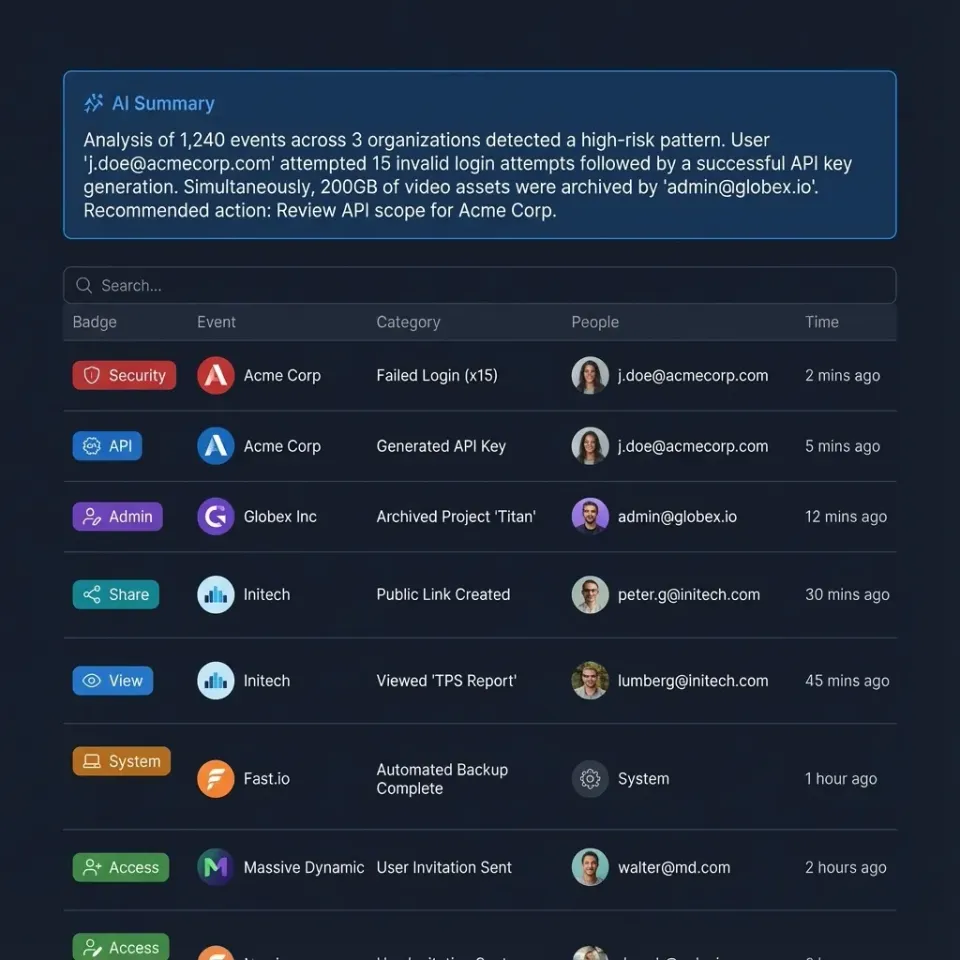
Digital platforms make QC reviews faster and more dependable. Shared workspaces track versions automatically, with changes logged by time and user. Each edit and comment builds an audit trail that meets ISO 9001, IATF 16949, and other standards.
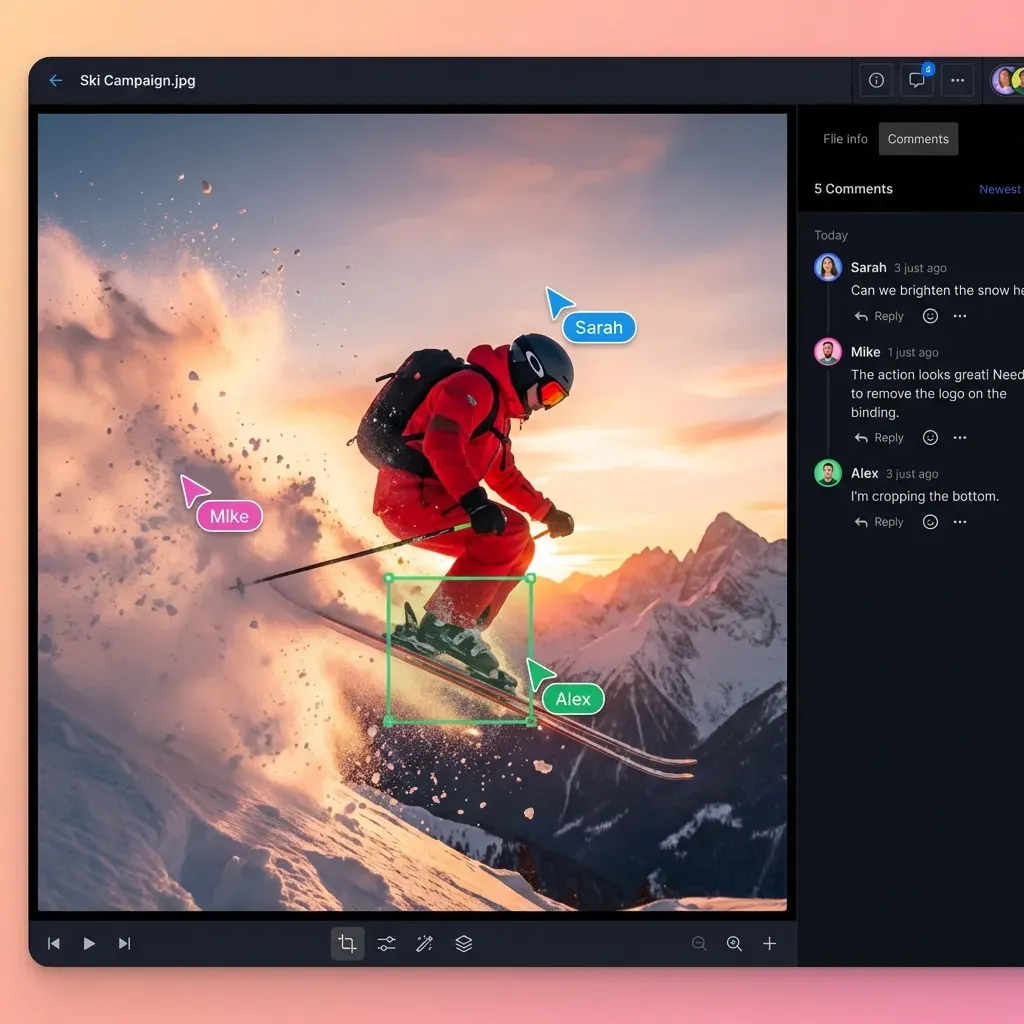
Digital tools improve QC accuracy by 50% over manual methods. Machine vision and precise annotations catch defects eyes might miss. Platforms like Fastio link comments to exact spots on images or docs, clearing up what needs fixing.
Files become easy to search, unlike buried email folders. Try "defect on weld line batch 456" to pull reports from certain runs. AI search gets context: "show corrosion issues from Q1" works without exact file names.
Real-time collaboration cuts email back-and-forth. A quality engineer annotates an issue right away. Production sees it live, replies in the thread, and follows fixes without switching apps.
Step-by-Step Workflow for QC File Annotations
A solid QC file annotation workflow changes how manufacturing teams handle quality problems. Here's one that works from small shops to big operations:
Upload Inspection Files: Add photos, scans, and measurements to a shared workspace. Mobile apps sync from shop floor tablets. Drag-and-drop handles batches. Files sort by date, batch, or part number automatically.
AI Defect Scan: AI scans images for cracks, misalignments, surface issues, or size problems. It flags spots with confidence scores in the background. This catches things humans might overlook on busy shifts.
Team Annotation: Pin comments to exact areas with markers. Use threads for each note to keep talks organized and to agree who fixes what, right in the file.
Approval and Resolution: Confirm each fix against the new file version and sign off in the thread. Link to project tools to keep production updated.
Audit and Archive: Log all activity. Export packs for regulators. Archive securely per policy.
This cuts review time from days to hours. Teams see faster defect fixes in the first three months.
To customize this workflow for your operation, integrate it with existing tools like ERP systems for automatic data pull or MES for real-time machine status. Conduct a pilot on one production line, measuring baseline metrics such as time per review and defect detection rate. Gather feedback from users on usability, then iterate, perhaps adding custom annotation stamps for common defects or mobile push notifications for urgent issues. Scale gradually to full production, training all shifts to ensure consistency. Over time, it speeds up reviews and builds a data-driven quality culture. This cuts scrap rates and improves supplier performance with shared insights.


Ready for Better QC File Reviews?
Fastio provides workspaces for secure QC report sharing, annotations, and AI insights. Built for manufacturing quality control file review workflows.
AI-Powered Insights for QC File Review
Most quality platforms handle storage and sharing, but few include AI for spotting defects. Fastio's Intelligence Mode adds that by pairing secure sharing with AI analysis.
Switch on Intelligence Mode to index files for smart searches across QC docs. Query "find defects in batch images" for summaries with sources. It checks file names and image content.
In manufacturing, AI looks at CAD previews, part photos, and data sets. It flags outliers, irregularities, or patterns. AI notes show up with human ones for better reviews.
AI runs in the background on new uploads and alerts on issues. Problems surface without manual searches.
Reviewers confirm or reject AI suggestions. Over time, feedback refines the system's understanding of your specific defect patterns. Teams catch more issues early through this hybrid human-AI approach.
Best Platforms for QC Inspection Reports Sharing
Not every file sharing platform fits manufacturing QC needs. Look for secure handling of large image and video files, real-time team collaboration, granular permissions, and reliable audit logs for compliance.
Here's a comparison table of popular options:
Fastio works well for manufacturing QC. It offers built-in AI indexing, real-time presence for distributed teams, and cost-effective scaling for large organizations. Branded portals let you share QC summaries with suppliers professionally, while full audit trails support regulatory reviews without extra tools.
Case Study: Implementing QC File Review in an Automotive Parts Manufacturer
Consider a mid-sized automotive supplier producing engine components. They faced frequent delays in QC reviews for machined parts, with emailed photos leading to version confusion and 2-3 day turnaround times. Defect rates were a persistent challenge, contributing to production holds.
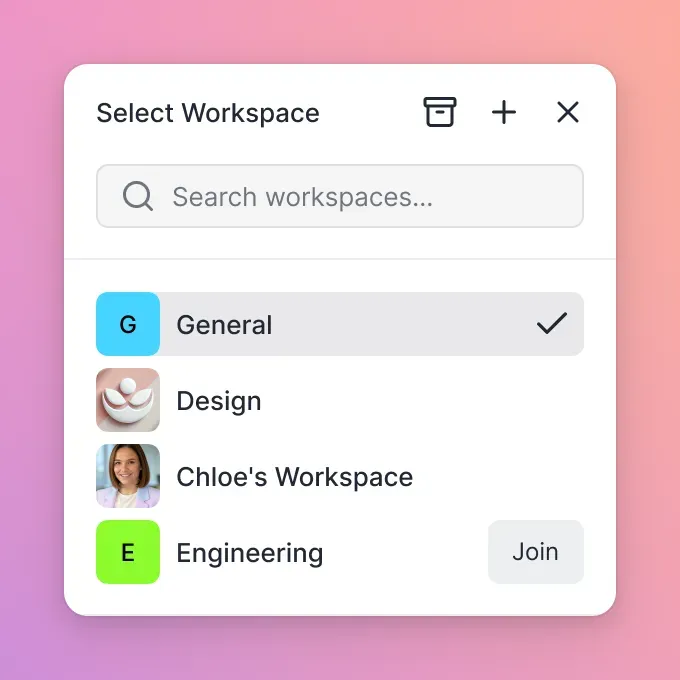
Switching to a digital platform like Fastio, they created dedicated workspaces per production line. Inspectors uploaded photos and measurement logs directly from tablets. Intelligence Mode indexed files for quick searches like 'piston bore variances last week'.
Engineers annotated images with pins on out-of-round bores, threading discussions with machinists. Real-time collab cut back-and-forth emails. Vendors received branded share links for their parts only, with view logs for accountability.
Results after 6 months: Review times dropped. Defect fixes sped up. Audit prep became simple point-and-click exports. First-pass yield improved. The platform's audit trails satisfied IATF 16949 requirements without extra paperwork.
This case shows how QC file review platforms scale from small fixes to enterprise compliance, delivering measurable ROI through faster cycles and fewer escapes.
Quality File Collaboration Best Practices
Success with QC file review takes the right platform plus good habits. Here's how manufacturing teams get the most from digital QC:
File Organization Standards
Stick to naming like "PartNumber_InspectionType_Date_BatchID.pdf" for easy finds and sorts. Keep all QC docs in one central spot, not scattered folders.
Set folder structures by product line, inspection type, date. Matches how auditors check records.
Permission Management
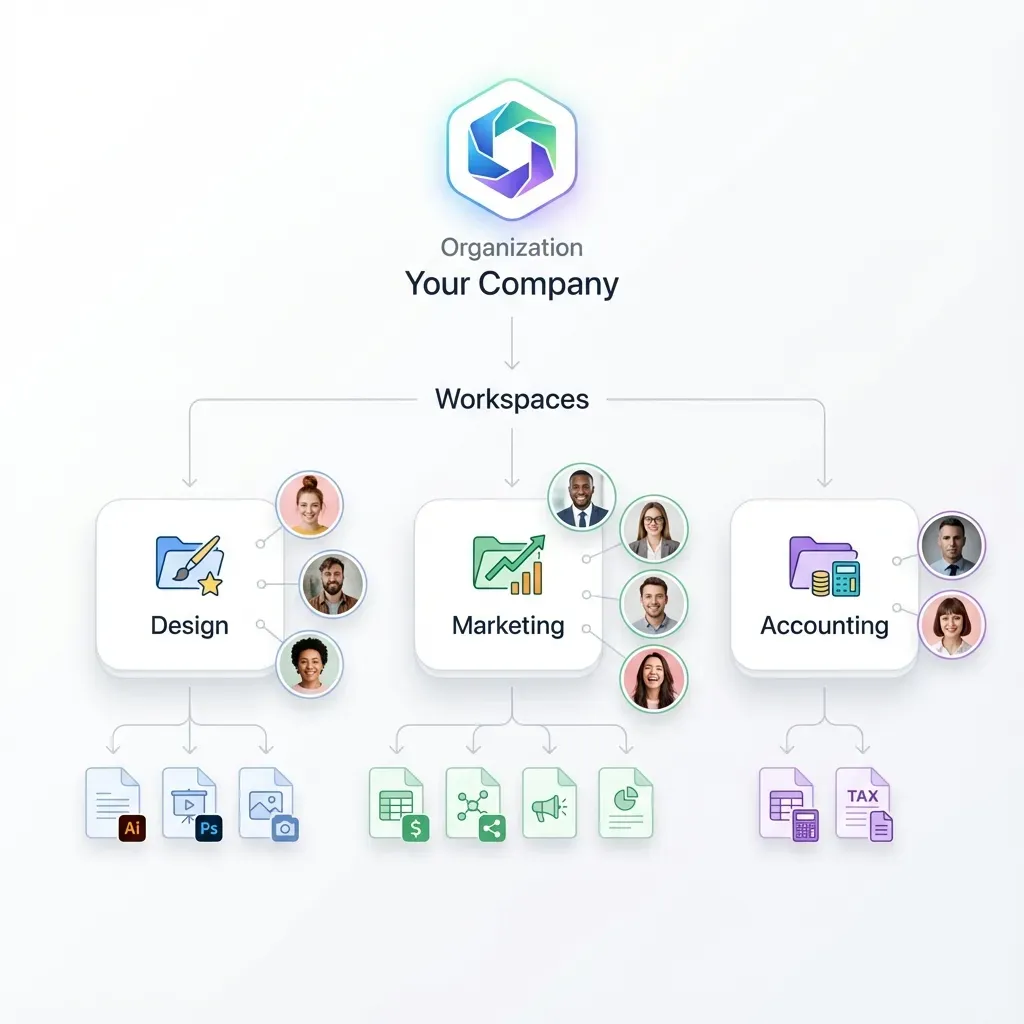
Match access to roles: auditors view-only, engineers edit, supervisors view/add notes, vendors get shares without internals.
Fastio sets these exactly, workspace-wide or per folder.
Real-Time Collaboration Features
Use follow mode for group reviews across sites or home offices.
Thread comments per defect to track talks and status.
Automated Workflow Integration
The activity feed surfaces changes as they happen: new results for production, defects for managers.
Cuts manual chasing during peak times.
Testing and Rollout
Start on one line, track resolution times. Tweak before full rollout.
Documentation and Compliance
Note decisions and steps for repeats. Keep logs for ISO 9001, IATF 16949, etc.
Compliance Requirements for Digital QC Files
Manufacturing QC follows tough rules. Digital systems must back standards and audits.
ISO 9001 Quality Management requires documented procedures and evidence of continuous improvement. Platforms log annotations and edits with timestamps and users, providing the evidence auditors require.
IATF 16949 Automotive Quality requires full traceability of defects from identification to corrective action. The audit trail documents who did what and when for automotive manufacturing compliance.
Customer Audit Readiness Pull records fast by part/date/type. Export full histories. Quick access shows strong systems.
Data Retention and Security Store long-term securely. Cloud beats local with backups, encryption, logs.
Document access rules, audit trails, and retention policies before rollout so staging results are repeatable in production. This avoids surprises and gives teams solid records to rely on.
Sources
References used to verify factual claims in this guide.
-
Quality issues cause 23% of production delays in manufacturing
-
Digital tools improve QC accuracy by 50% compared to manual review methods
Frequently Asked Questions
What tools are best for manufacturing QC file review?
Platforms like Fastio offer annotations, AI summaries, secure sharing, and audit trails for images, PDFs, datasets.
How does QC collaboration improve manufacturing?
Live comments and shared views speed feedback. Teams resolve issues faster, reducing delays.
Can AI detect defects in QC images?
Yes, it spots anomalies in photos and flags them for review to improve accuracy.
What is a typical QC file review workflow?
Upload files, AI scan, annotate issues, approve fixes, log for audits. Good tools make it quick.
How to share QC inspection reports securely?
Use password links that expire, with view logs. Branded portals keep it professional.
Related Resources

Ready for Better QC File Reviews?
Fastio provides workspaces for secure QC report sharing, annotations, and AI insights. Built for manufacturing quality control file review workflows.