How to Collaborate on Manufacturing Blueprint Collaboration
Manufacturing blueprint collaboration enables threaded feedback on technical drawings across design, engineering, production, and supplier teams. Delays from blueprint reviews consume about 20% of project time, making efficient collaboration critical for keeping production on schedule. Cloud-based tools reduce iteration cycles by up to 40% compared to traditional email-based workflows.

What Is Manufacturing Blueprint Collaboration?
Blueprint collaboration in manufacturing is the practice of sharing, reviewing, and annotating technical drawings across multiple stakeholders including designers, engineers, production managers, quality teams, and external suppliers. These blueprints include CAD files, schematics, assembly diagrams, and tolerance specifications that guide every part of the manufacturing process.
Consider a typical workflow in an automotive parts factory. The design team creates a new bracket in CAD software. They export it as DWG for 2D review and STEP for 3D simulation. The blueprint goes to quality engineers who check GD&T symbols against ISO 1101 standards. Machinists verify tool paths fit the tolerances. Suppliers confirm material specs. All feedback loops back to the original file without starting over.
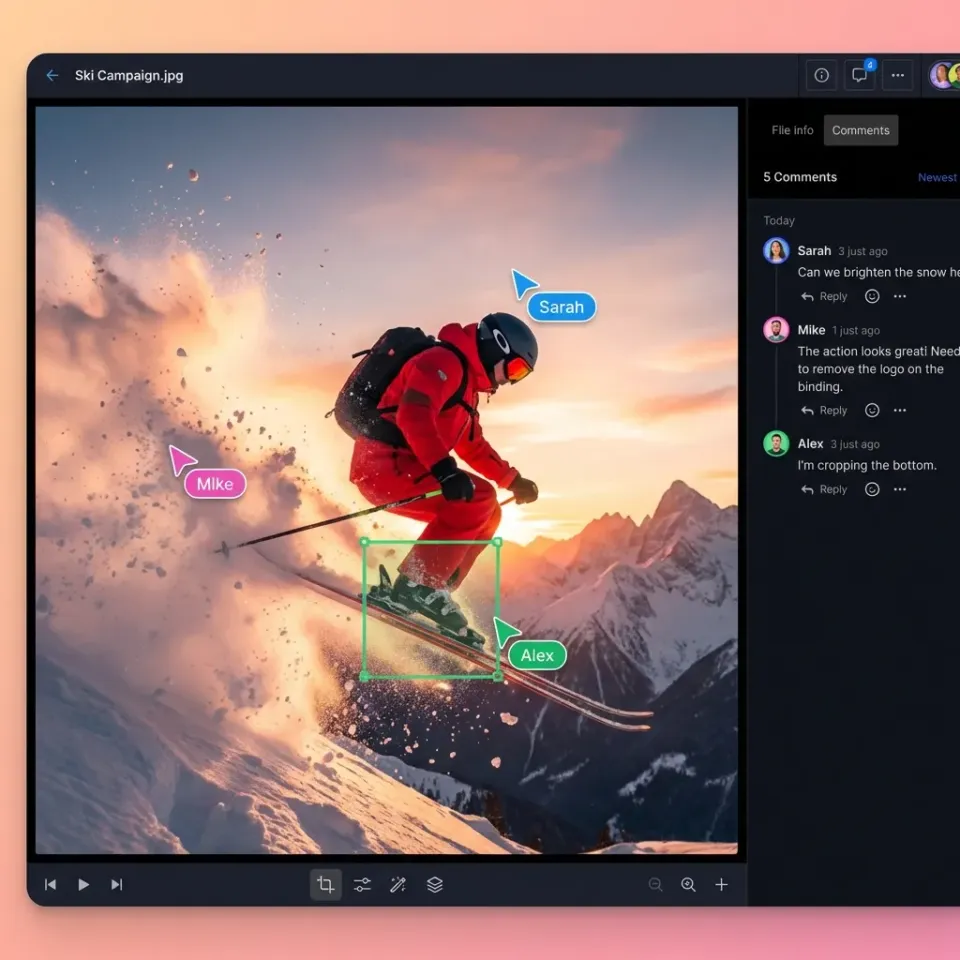
Effective collaboration requires more than simple file sharing. Teams need threaded discussions attached to specific drawing regions, clear version history showing who changed what and when, and access controls that keep sensitive designs secure while making them available to those who need them. The challenge intensifies when factories work across time zones with suppliers in different regions.
Factories depend on these drawings for every production run. A single unclear dimension or overlooked tolerance can cause thousands in scrap metal, machine downtime, or warranty claims. Effective collaboration ensures everyone signs off on the exact same version before cutting starts.
Related guides
- How to Collaborate on Industrial Design Files for Manufacturing TeamsIndustrial design file collaboration manufacturing bridges creative ideation and manufacturable prototypes through...
- How to Compare Manufacturing DFM Collaboration ToolsManufacturing DFM collaboration tools enable design and production teams to share CAD files, add targeted feedback, and...
- How to Set Up Supply Chain File Collaboration in ManufacturingSupply chain file collaboration in manufacturing involves sharing documents with suppliers, vendors, and teams to speed...
- How to Simplify Engineering Drawing Reviews in ManufacturingEngineering drawing review in manufacturing checks designs for production readiness. Engineers, shop floor workers, and...
- How to Improve Manufacturing Quality Control File ReviewQC file review platforms help manufacturing teams digitize inspections. They share reports securely and work together...
- How to Share Production Workflow Files in ManufacturingProduction workflow file sharing in manufacturing gives planners, operators, and inspectors the latest CAD drawings,...
More on this subject: Manufacturing (15 guides)
Why Blueprint Reviews Delay Manufacturing Projects
Factories often start with printed blueprints pinned to shop walls or emailed as PDFs. Feedback scribbled on paper gets scanned and re-sent, or lost entirely. Email threads balloon with "revised_v2.pdf" and "final_approved.pdf", but no one knows which is current.
For distributed teams, USB drives or FTP servers mean overnight shipping or IT tickets for access. Overseas suppliers wait days for files. Without clear history, engineers spend hours hunting the right version or rebuilding from notes.
Industry reports note that poor review processes contribute heavily to project delays. Teams waste time chasing clarifications instead of building. Factories require systems where changes, comments, and approvals stay attached to the drawing forever.
Extra review rounds compound the issue. Each iteration adds 2-5 days, machine idle time, and material waste from test runs on wrong specs. When design changes go through multiple revision cycles, production schedules slip, and customers receive late deliveries.
Cloud-based collaboration reduces these iteration cycles by approximately 40% by eliminating the waiting game. Instead of emailing files and waiting for responses, teams view blueprints in a shared system where comments and approvals happen in context. Stakeholders receive notifications when new revisions are available, and the system tracks who has reviewed each version.


Ready for Efficient Blueprint Reviews?
Fastio workspaces with comments, previews, and secure shares for manufacturing teams. Generous seats, large file support, and a 14-day Business Trial.
Top 5 Blueprint Collaboration Features for Factories
The most effective blueprint collaboration tools share five key capabilities that address manufacturing-specific needs:
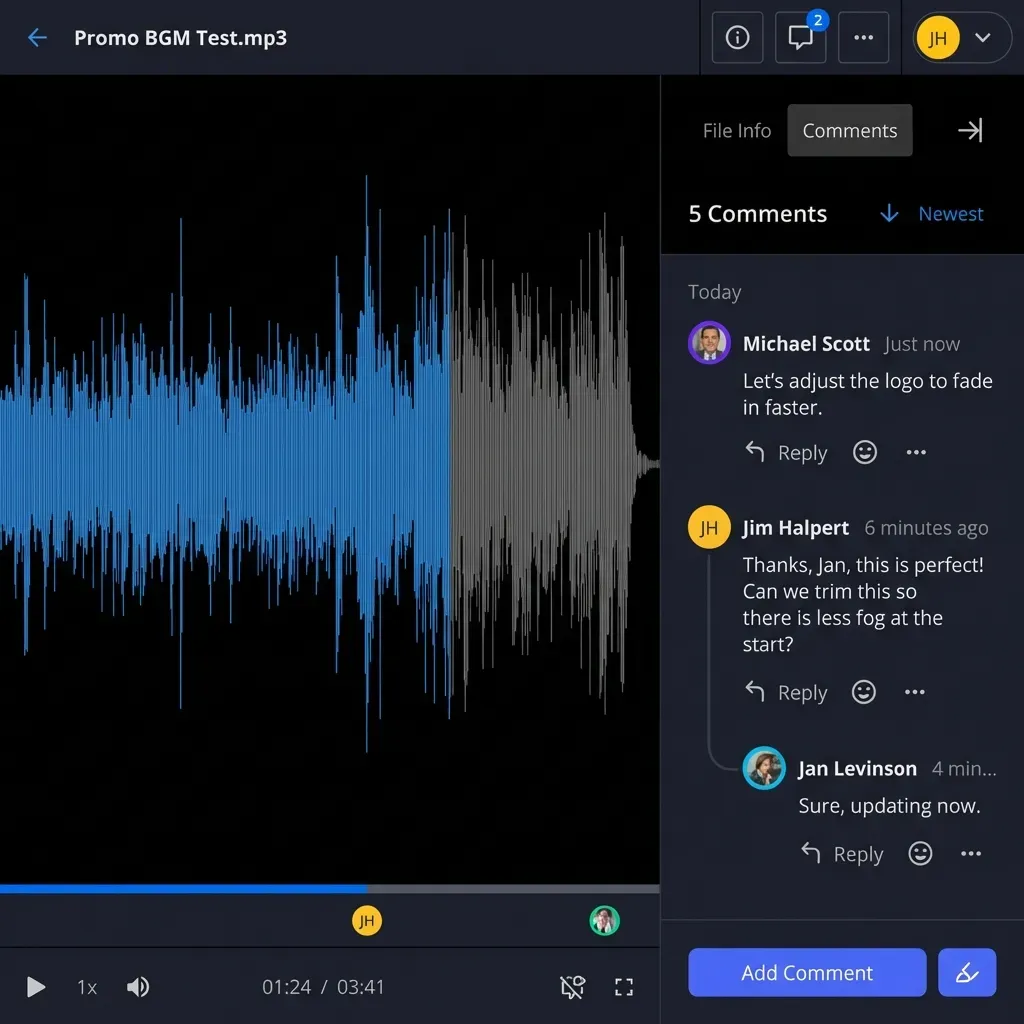
1. Threaded Comments Anchored to Regions: The ability to attach comments directly to specific areas of a drawing, rather than commenting on the file as a whole. When a quality engineer spots a tolerance issue, they can pin the comment exactly where the problem appears. This eliminates confusion about which feature requires attention. Machinists can reply in context, like "This 0.05mm tolerance needs ISO 2768-h instead."
2. Automatic Version History: Every revision gets stored with a complete history. Teams can compare any two versions side-by-side to see exactly what changed. This matters when verifying that supplier feedback was incorporated correctly. Side-by-side comparison prevents the "final_v3_final.pdf" nightmare.
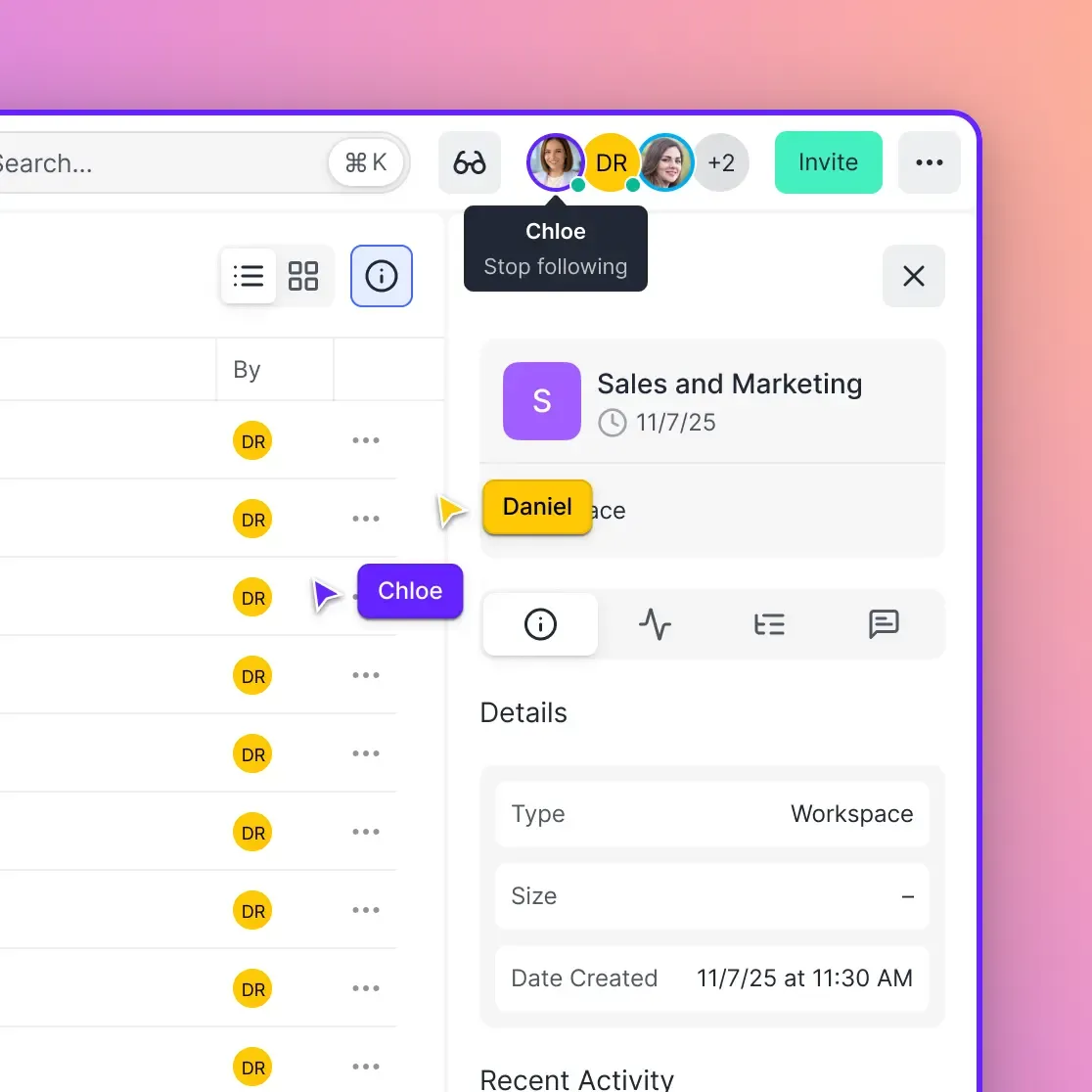
3. Real-Time Multi-User Presence: Knowing who is currently viewing a blueprint prevents duplicate reviews. See avatars on the drawing as engineers review. Use follow mode to sync zooms and pans during walkthroughs. Perfect for shift handoffs and cross-functional reviews.
4. Native CAD Previews: Open DWG, DXF, or PDF blueprints in any browser without specialized software. Zoom to 1000%, measure distances visually. This removes the need for every reviewer to have AutoCAD licenses installed.
5. Full Audit Trails: Log every view, comment, download, and permission change. Export these logs for ISO 9001 audits or supplier disputes. Complete logs showing who viewed, commented on, and approved each version satisfy quality system requirements.
Tools with these five capabilities cut review cycles and errors in half for most factories.
How to Set Up Blueprint Collaboration Workflows
Setting up effective blueprint collaboration requires a systematic approach that matches your team's existing processes. Follow these steps to establish a workflow that reduces review time while maintaining quality control.
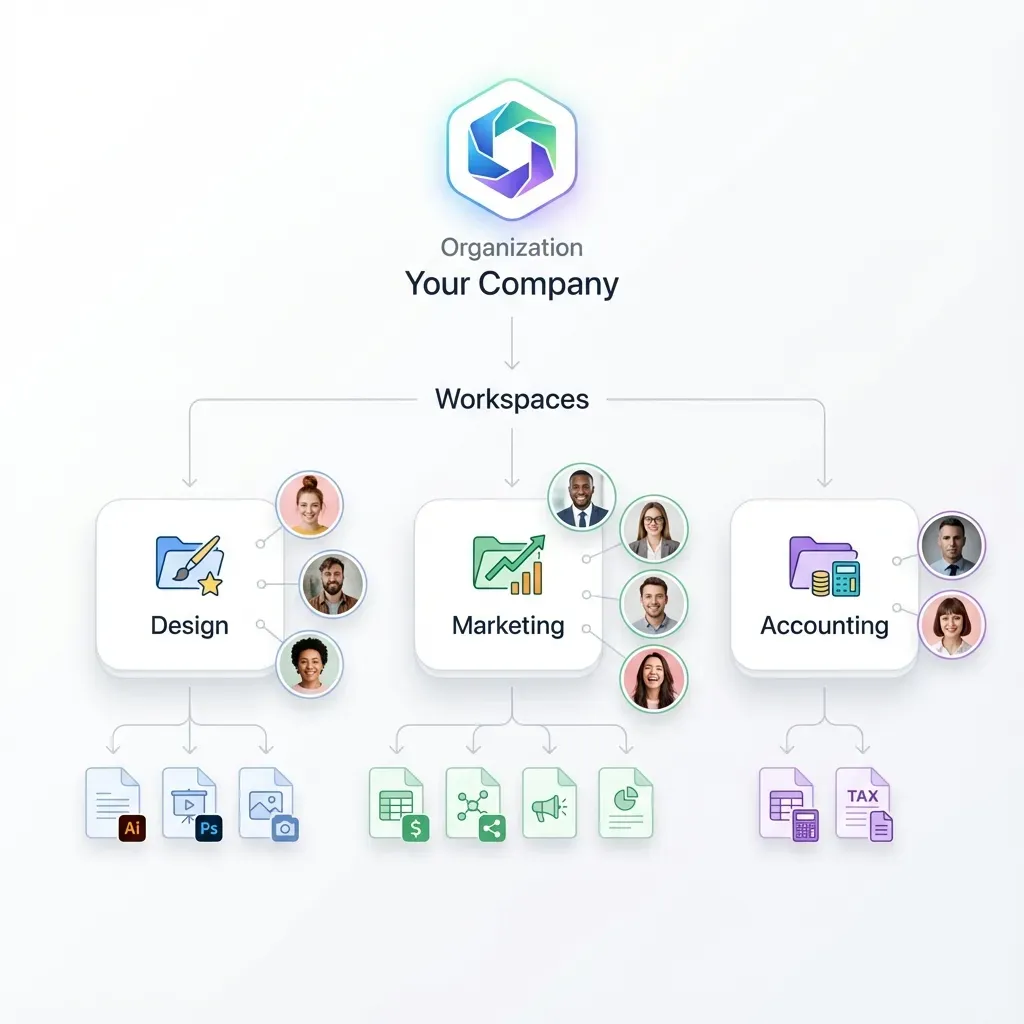
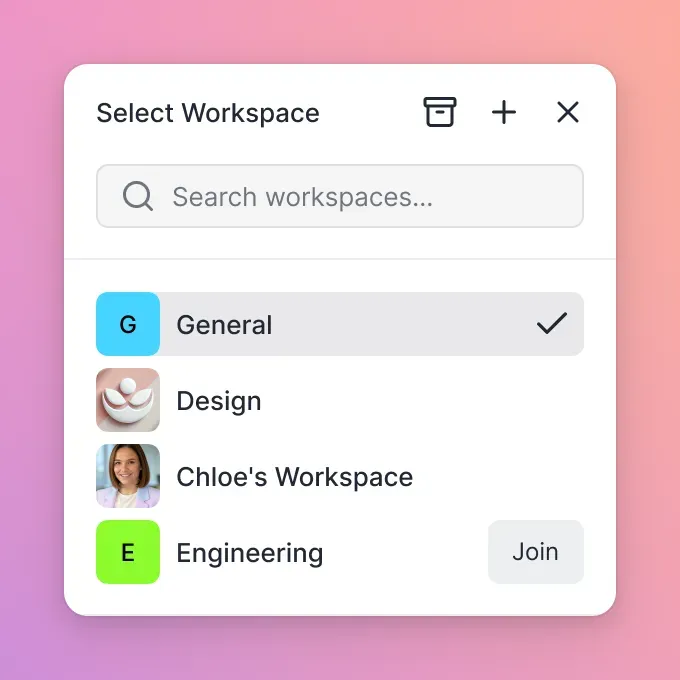
Step 1: Organize by Project or Product Line: Create dedicated workspaces for each major project or product family. Within each workspace, organize drawings by revision status using folders like "Draft," "Under Review," "Approved," and "Production." This structure prevents teams from accidentally working on outdated revisions.
Step 2: Define Roles and Permissions: Assign specific access levels based on job function. Designers and engineers need edit access to upload new revisions. Quality teams need view and comment access. Production managers need read-only access to approved drawings. Suppliers need external links with view-only permissions to specific folders.
Step 3: Establish Review Cycles: Set clear expectations for response times. A common pattern is 24-hour turnaround for internal comments and 48-hour windows for supplier feedback. Use notifications to alert stakeholders when their input is required, and escalate to alternative reviewers if responses lag.
Step 4: Implement Change Notification: Configure alerts so that when a new revision uploads, relevant team members receive immediate notification. This eliminates the need for manual emails announcing updates.
Step 5: Archive Previous Versions: Maintain a complete history of all revisions for compliance purposes, but move stable versions to archive folders to keep active workspaces clean.
Secure Blueprint Sharing with External Suppliers
Manufacturing teams frequently need to share blueprints with suppliers, contract manufacturers, and quality inspectors who work outside the organization. These external collaborations require additional security controls that go beyond internal sharing settings.
Create branded portals for long-term supplier relationships. These portals present your company's branding and provide a professional interface for ongoing collaboration. Suppliers appreciate the clarity of a dedicated space, and your team maintains control over what they can access.
Implement password protection for all external shares. Even when working with trusted partners, password requirements add a layer of security that protects against accidental exposure if a link is forwarded incorrectly.
Set expiration dates on external links to prevent long-term exposure. When supplier relationships end, expired links automatically revoke access without requiring manual intervention. This matters when projects conclude or vendors change.
Configure view-only modes for sensitive drawings that should not be downloaded. Some blueprints contain proprietary manufacturing details that your organization prefers to keep visible only within your platform's secure environment.
Track all external access through detailed logs. Record who viewed which drawings and when. These logs serve two purposes: confirming that suppliers received and reviewed critical updates, and providing evidence for quality system audits.

Fastio Features for Manufacturing Blueprint Workflows
Fastio provides manufacturing teams with workspace tools designed for technical document collaboration. Shared workspaces accommodate projects of any size, from single-product lines to complex multi-year programs.
Universal previews support CAD and technical drawing formats, so suppliers and team members can view blueprints without installing specialized software. This matters when sharing with stakeholders across different companies who may not have CAD licenses.
Real-time presence indicators show who is currently viewing each blueprint. Teams coordinate reviews more efficiently when they can see colleagues actively examining the same drawing.
Threaded comments attach to specific regions of drawings, making feedback actionable. Engineers see exactly which feature requires attention rather than parsing general remarks.
Version history tracks every change with clear attribution. When questions arise about who changed a particular revision and when, the complete audit trail provides answers.
External sharing controls include password protection, expiration dates, domain restrictions, and view-only modes. These features enable safe collaboration with suppliers while protecting proprietary designs.
Organization-owned files remain available when team members leave. This continuity matters for manufacturing where institutional knowledge about specific products must persist beyond individual employment.
Handling ISO Tolerances and Manufacturing Regulations
ISO standards like ISO 2768 define general tolerance requirements for machined parts, while ISO 1101 covers GD&T (Geometric Dimensioning and Tolerancing) symbols. Blueprint collaboration tools must support clear communication of these standards.
Comments must reference specific tolerance standards clearly. When discussing a dimension, note the applicable tolerance class like "ISO 2768-m required here" or "Per ISO 8015, this is maximum deviation." Threads build under each note where reviewers confirm agreement.
Use anchored notes for GD&T symbols. Previews let teams measure visually and verify that tolerance callouts match the intended specifications.
Audit logs prove review processes for quality system audits. Permissions control who can edit specifications, ensuring only authorized personnel make changes to critical tolerances.
Fastio encryption and granular access controls fit basic security requirements. For specific regulatory compliance, pair with your existing quality management system. The platform provides the collaboration infrastructure while your quality processes ensure regulatory adherence.

Frequently Asked Questions
Tools for blueprint collaboration in manufacturing?
Fastio, Autodesk Construction Cloud, Bluebeam Revu. Look for CAD previews, threaded comments, version history, and audit logs.
How to do remote blueprint review?
Upload to cloud workspace, share secure links, use live presence and anchored comments for feedback. Notifications alert reviewers when updates arrive.
Best software for manufacturing blueprint sharing?
Tools with version control, large file support, vendor portals, and CAD previews. Fastio fits factories well.
Does Fastio support CAD blueprints?
Yes, browser previews for DWG, DXF, PDF, and other formats. No software installs required.
How to ensure ISO compliance in blueprint reviews?
Anchor comments to tolerances, log all changes, control access levels with audit trails proving review completion.
What file formats for manufacturing blueprints?
DWG, DXF, PDF, STEP, IGES for 3D. Cloud tools preview all common formats in browser.
How do I reduce blueprint review delays?
Centralize blueprints in cloud workspaces with version tracking, automated notifications, and clear review deadlines.
Related Resources

Ready for Efficient Blueprint Reviews?
Fastio workspaces with comments, previews, and secure shares for manufacturing teams. Generous seats, large file support, and a 14-day Business Trial.