How to Compare Manufacturing DFM Collaboration Tools
Manufacturing DFM collaboration tools enable design and production teams to share CAD files, add targeted feedback, and align designs with manufacturing capabilities early. These tools catch issues like thin walls or undercuts before they lead to expensive tooling changes. Since rework often accounts for 30% of product development time, DFM practices can reduce it significantly, saving time and costs.

What Are Manufacturing DFM Collaboration Tools?
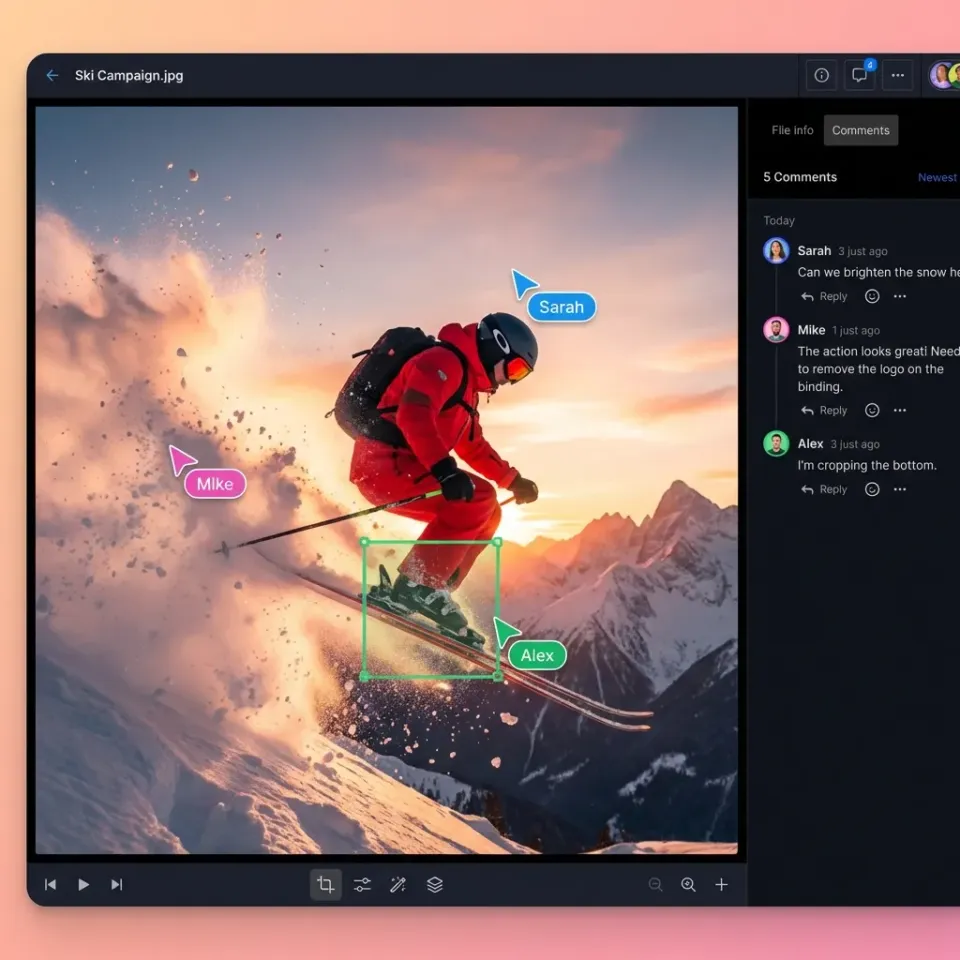
Manufacturing DFM collaboration tools allow design engineers and production experts to review CAD models together in a shared environment. DFM stands for Design for Manufacturability, a practice that aligns product design with production processes to minimize costs and issues. These tools support sharing designs, collecting feedback, and verifying if parts can be produced efficiently. DFM collaboration bridges the gap between design intent and shop floor realities. Teams annotate models, discuss tolerances, material choices, and assembly methods before committing to prototypes or tooling. Common file formats handled include STEP, IGES, Parasolid, and native CAD files like SolidWorks .sldprt, Inventor .ipt, or Creo .prt. Basic tools focus on file upload, download, and email notifications. Advanced platforms offer browser-based previews without requiring CAD software on every machine, region-specific comments pinned to model features, and live co-viewing sessions. Industries like automotive, aerospace, electronics, and consumer goods rely on them to connect distributed teams, from headquarters to suppliers. For example, an automotive supplier might upload a bracket design for engine mounting. Production experts highlight areas prone to warping during casting, suggest draft angles, and propose alternative geometries. Changes are tracked, versions compared, and approvals documented, all in one platform. Helpful references: Fastio Workspaces, Fastio Collaboration.
Related guides
- How to Collaborate on Industrial Design Files for Manufacturing TeamsIndustrial design file collaboration manufacturing bridges creative ideation and manufacturable prototypes through...
- How to Collaborate on Manufacturing Blueprint CollaborationManufacturing blueprint collaboration enables threaded feedback on technical drawings across design, engineering,...
- How to Set Up Supply Chain File Collaboration in ManufacturingSupply chain file collaboration in manufacturing involves sharing documents with suppliers, vendors, and teams to speed...
- How to Simplify Engineering Drawing Reviews in ManufacturingEngineering drawing review in manufacturing checks designs for production readiness. Engineers, shop floor workers, and...
- How to Manage BOM Files in Manufacturing: Best PracticesManaging BOM files in manufacturing keeps bills of materials organized for accurate procurement and assembly. Errors...
- How to Improve Manufacturing Quality Control File ReviewQC file review platforms help manufacturing teams digitize inspections. They share reports securely and work together...
More on this subject: Manufacturing (15 guides)
Why DFM Collaboration Matters for Manufacturers
Misalignment between design and manufacturing leads to delays, scrap, and budget overruns. Designers often optimize for performance or aesthetics, overlooking production constraints like tool access or material flow. Production teams spot these late, triggering redesigns that delay launches.
Early DFM collaboration resolves many potential issues at the design stage, when changes are cheapest. Studies indicate DFM can reduce overall manufacturing costs significantly through improved designs. For high-volume parts, even small improvements in material use or cycle time yield significant savings.
Tight margins in manufacturing amplify these benefits. Centralizing feedback in a collaboration tool tracks decisions, assigns actions, and prevents recurring errors. It also builds institutional knowledge for future projects.
In practice, a consumer electronics firm using DFM tools significantly reduced prototype iterations, shortening time-to-market substantially.

Common DFM Review Challenges
Email chains bury critical feedback. Version confusion arises without centralized history. External vendors lack easy access or previews. Traditional tools often require matching CAD licenses, slowing reviews. Shared workspaces with audit logs and universal previews solve these by providing secure, license-free access and complete activity records.
Cost of Poor DFM
Late changes can increase part costs dramatically compared to early fixes. Rework accounts for 30% of development time on average.
Must-Have Features in DFM Collaboration Tools
Effective DFM tools share core capabilities tailored to engineering workflows.
CAD and Model Previews: Browser-based viewing of STEP, SolidWorks, Inventor, and assembly files without local installs. Fast loading for complex models with hundreds of parts is key for productive sessions.
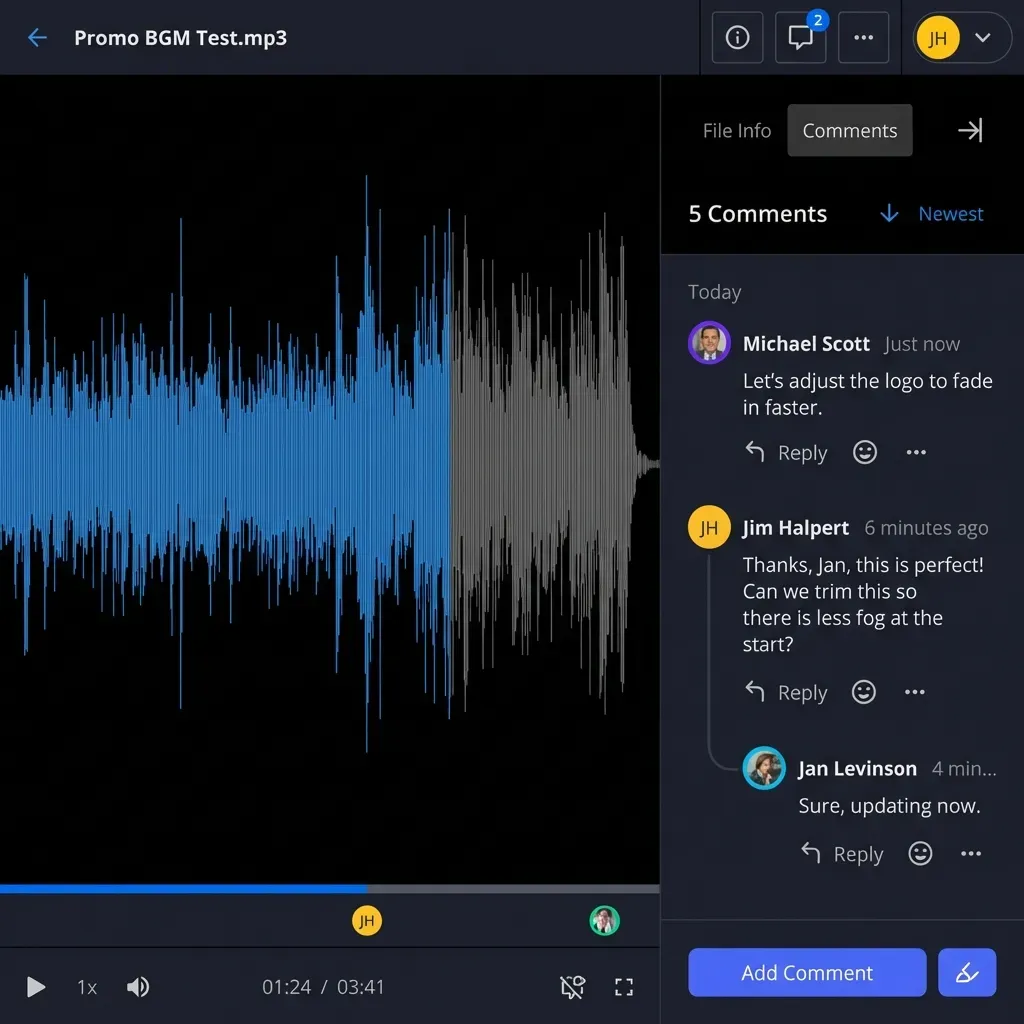
Contextual Comments and Markup: Pin notes to specific faces, edges, cross-sections, or exploded views. Threaded discussions keep conversations organized, with mentions and @replies for quick responses.
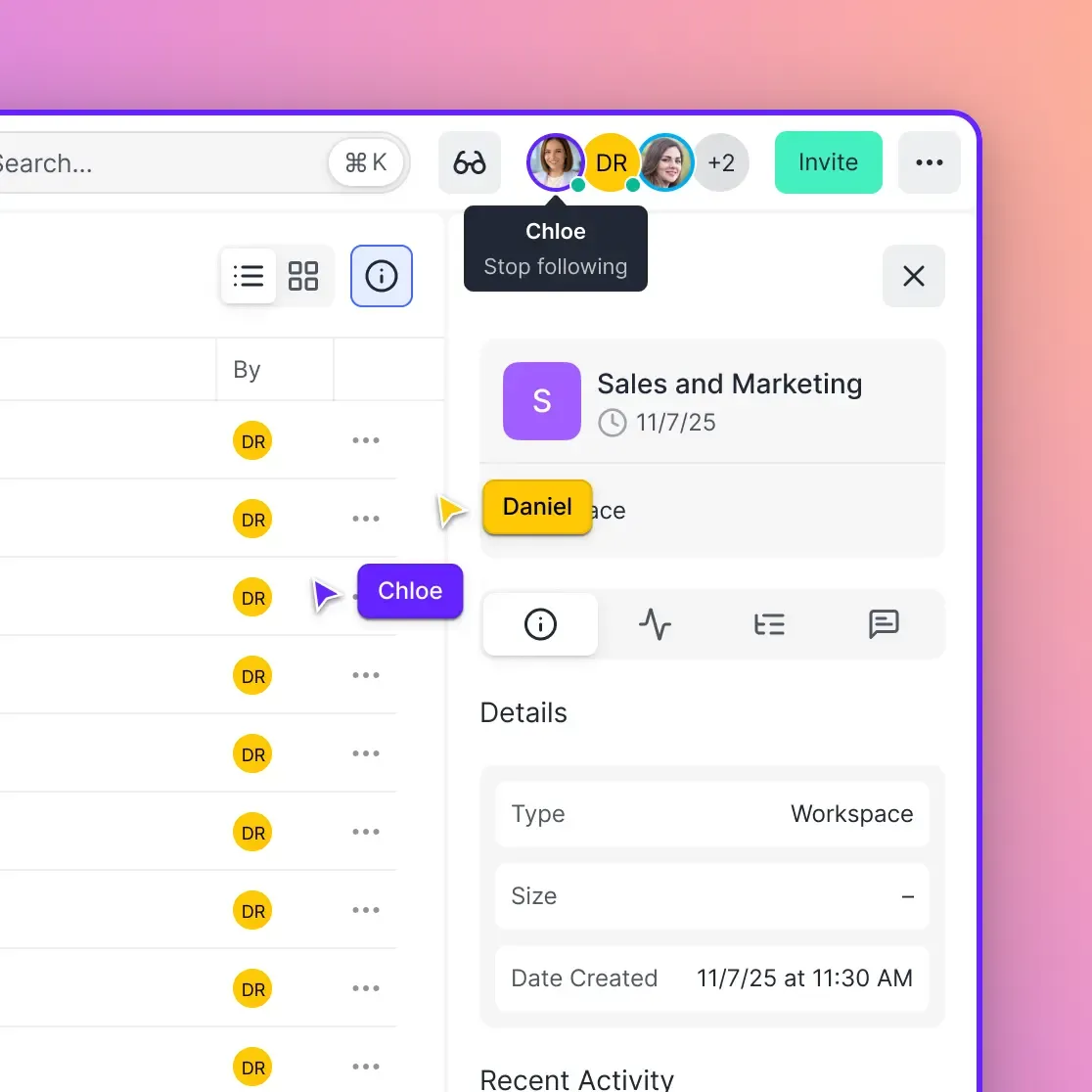
Real-Time Collaboration: Live cursors, synced scrolling, and presence indicators show who's viewing what. Follow mode lets participants mirror another's view for guided walkthroughs.
Version History and Diffs: Automatic backups, visual change comparisons, and branch/merge for parallel iterations. Rollback to previous versions prevents data loss.
External Sharing and Permissions: Time-limited links, password protection, view-only modes, and download tracking for suppliers. Granular roles like commenter vs. viewer.
Audit Trails and Reporting: Logs of views, edits, downloads, and session times. Exportable reports for compliance and process improvement.
Integrations and Mobile Access: Links to PLM like Teamcenter, ERP systems, and mobile apps for field reviews.
Tools missing integrated markup force workarounds like screenshots, as many legacy platforms do. This slows processes.
Top Manufacturing DFM Collaboration Tools Compared
Here's a side-by-side comparison of leading tools based on core DFM needs:
Fusion handles CAD-to-CAM well but ties users to the Autodesk ecosystem. Teamcenter handles enterprise-scale BOMs and change management but requires heavy IT setup. Fastio avoids PLM complexity, focusing on fast file collaboration with strong markup.
Autodesk Fusion 360 Pros and Cons
Pros: Integrated simulation, cloud collab, affordable for startups.
Cons: Markup limited to basic notes, weaker for external vendors.
Siemens Teamcenter Pros and Cons
Pros: Deep PLM integration, scalable.
Cons: Steep learning curve, high cost.
Why Fastio Stands Out for DFM Workflows
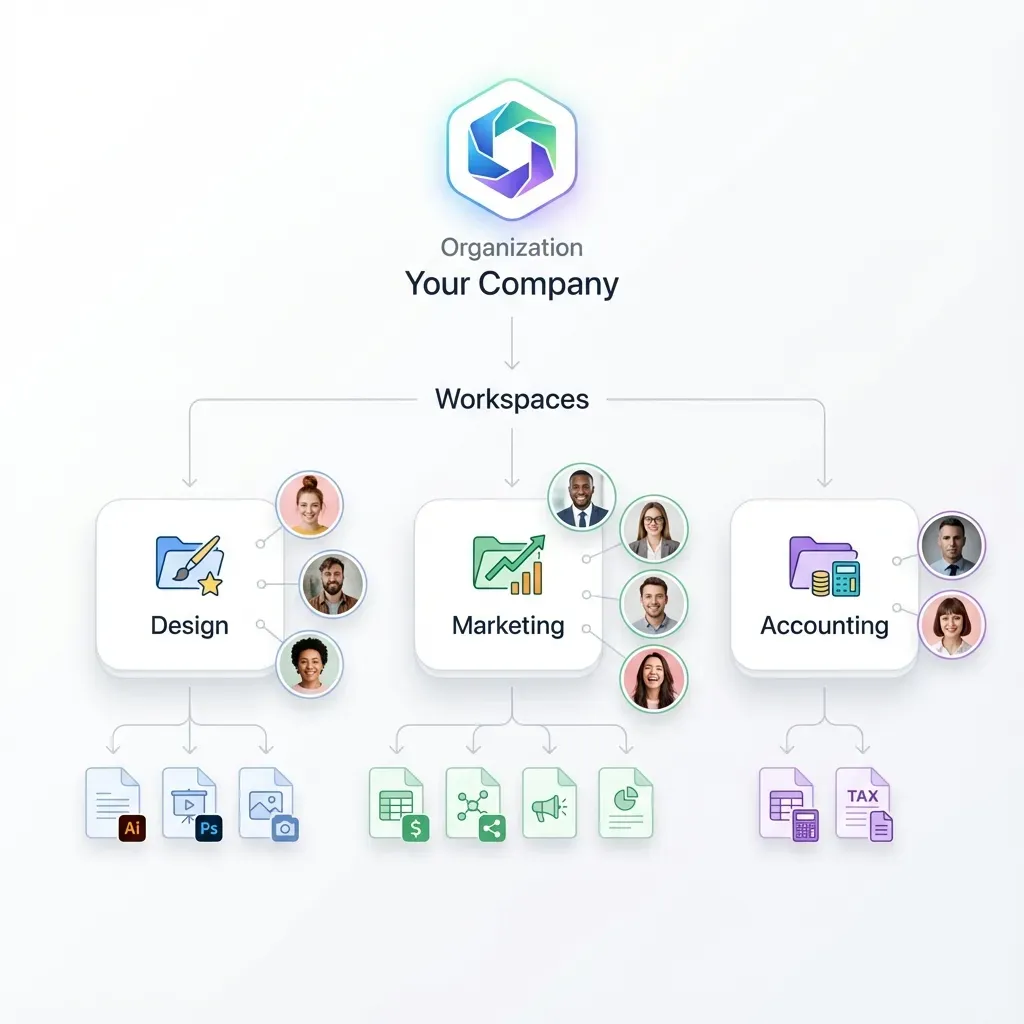
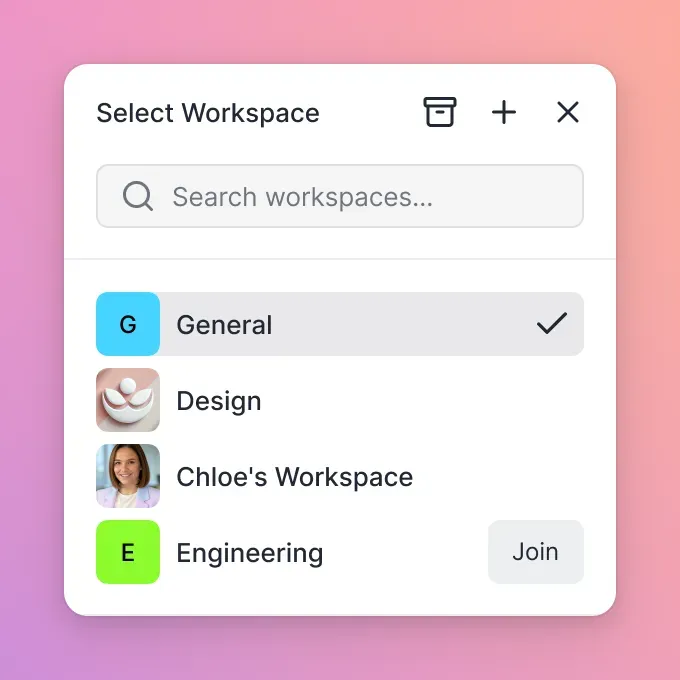
Fastio provides intelligent workspaces optimized for DFM file reviews without PLM overhead. Upload CAD drawings for browser previews, with no CAD licenses needed for reviewers. Add comments anchored to image regions or PDF pages, such as rendered views and drawings, for precise feedback. Real-time presence shows active team members; follow their view during walkthroughs. Organize projects in nested workspaces with granular permissions for designers, production, and suppliers. Audit logs capture all activity for traceability. Version history keeps every iteration and lets you restore earlier ones. External shares include expiration, passwords, and analytics. For agentic teams, invite AI agents to analyze designs or generate reports alongside humans. A 14-day Business Trial is available on monthly plans at /pricing/. Manufacturing use case: A supplier shares STEP files in a Fastio workspace. Production comments on draft angles and tolerances. Live session resolves issues; changes approved via threads. Vendor accesses view-only folder. Total review cycle drops from weeks to days. Fastio plans include seats: 3 on Starter, 10 on Business and 30 on Enterprise.


Ready for Better DFM Reviews?
Start with Fastio workspaces for CAD sharing, markup, and real-time reviews. 14-day Business Trial, scales to enterprise. Built for manufacturing dfm collaboration tools workflows.
Steps to Implement DFM Collaboration
- Choose and Set Up the Tool: Select based on team size and needs. Create a dedicated workspace per project or product line. 2. Upload Baseline Design: Import latest CAD revision (STEP/IGES preferred for universality). Tag with metadata like material, process. 3. Invite Stakeholders: Assign roles, design lead (edit), production (comment), vendor (view). Set folder permissions. 4. Conduct Review Sessions: Schedule live co-views. Use markup tools to flag issues like thin walls or undercuts. Thread discussions. 5. Track Actions and Iterate: Address feedback from comments. Upload revised versions; use diffs to verify changes. 6. Report and Archive: Generate audit reports. Archive approved designs with final notes. 7. Measure and Optimize: Track metrics like review time, redesigns avoided. Pilot on one part family before scaling. Example: Aerospace bracket review, upload assembly, production notes fillet radii, design revises overnight, approves next day.
Common Pitfalls in DFM Collaboration and Fixes
Pitfall 1: Version Chaos. Multiple copies get emailed around. Fix: Centralized version history with diffs.
Pitfall 2: Poor Accessibility, Reviewers need CAD software. Fix: Universal browser previews.
Pitfall 3: Lost Feedback, Notes in emails vanish. Fix: Anchored, threaded comments with search.
Pitfall 4: No Traceability, Hard to prove reviews happened. Fix: Full audit logs.
Pitfall 5: Scalability Issues, Tools slow with large assemblies. Fix: Streaming previews, optimized loading.
As you hit problems during rollout, log them in a shared runbook inside the workspace. "Preview broke for supplier X because their STEP used AP203" is worth writing down once so nobody debugs it twice. Start the DFM review cycle on a bracket or simple housing, not a complex multi-part assembly. Low stakes, real workflow. Measure review turnaround before and after. If cycle time on that part family doesn't improve, figure out why before scaling to the whole portfolio.
The Role of AI in Future DFM Collaboration
AI enhances DFM by automating checks for common issues like wall thickness or draft angles. In Fastio, enable Intelligence Mode to query workspaces: "Which review notes mention undercuts on the housing?" Get cited answers from the indexed review notes and documents.
Agents join reviews, suggesting optimizations based on past data. Ownership transfer lets agents build initial reviews, humans finalize. This hybrid approach accelerates iterations while maintaining human oversight.
The Intelligence Mode query library gets more useful as the workspace fills up with real review history. One consumer electronics team queries their indexed DFM files with prompts like "show parts where wall thickness under 1mm caused tooling rework" and gets back citations to specific files and revision notes. New engineers see past failures without digging through three years of email. The catch: it only works if reviews were actually documented in the workspace rather than resolved over Slack and forgotten. Spend 90 days logging reviews consistently, then track how often the same defect type reappears on new parts. Repeat issues tend to drop by about half once engineers can search institutional knowledge instead of relearning by trial and error.
Sources
References used to verify factual claims in this guide.
-
30% of product development time is spent on rework
Frequently Asked Questions
What are DFM collaboration tools for manufacturing?
DFM collaboration tools let design and manufacturing teams share CAD files, add targeted feedback, and iterate for production feasibility. They cut rework by enabling early issue detection.
What is the best DFM review software?
Choice depends on scale. Fusion for integrated CAD, Teamcenter for enterprise PLM, Fastio for flexible file collab with markup.
How does real-time collaboration improve DFM?
Live cursors and view syncing let teams discuss instantly. This cuts email chains and speeds consensus.
Can Fastio preview CAD files?
Fastio previews CAD drawings in the browser, along with PSDs, RAW photos, video and documents, with no installs needed.
What pricing models do DFM tools use?
Per-user monthly or annual subscriptions, or enterprise quotes. Fastio's monthly plans start with a 14-day trial, and plans start at $9.99/mo.
How much can DFM save on costs?
significant reduction in manufacturing costs through optimized designs and fewer redesigns.
What file formats work for DFM sharing?
STEP/IGES for neutral exchange, native CAD for full features. Tools like Fastio handle both.
How to integrate DFM tools with PLM?
APIs and plugins link to Teamcenter/Windchill. Fastio uses the REST API, WebSocket events feed, and activity polling for updates.
Related Resources

Ready for Better DFM Reviews?
Start with Fastio workspaces for CAD sharing, markup, and real-time reviews. 14-day Business Trial, scales to enterprise. Built for manufacturing dfm collaboration tools workflows.