Best OpenClaw Workflows for Multimodal AI Applications
OpenClaw 2026.4.5 shipped native image, video, and music generation tools that let agents reason across modalities and produce rich media output autonomously. These seven workflow patterns show how to chain those tools with vision models, ClawHub skills, and persistent storage to build multimodal applications that go beyond single-modality generation.

What Makes OpenClaw Multimodal Workflows Different
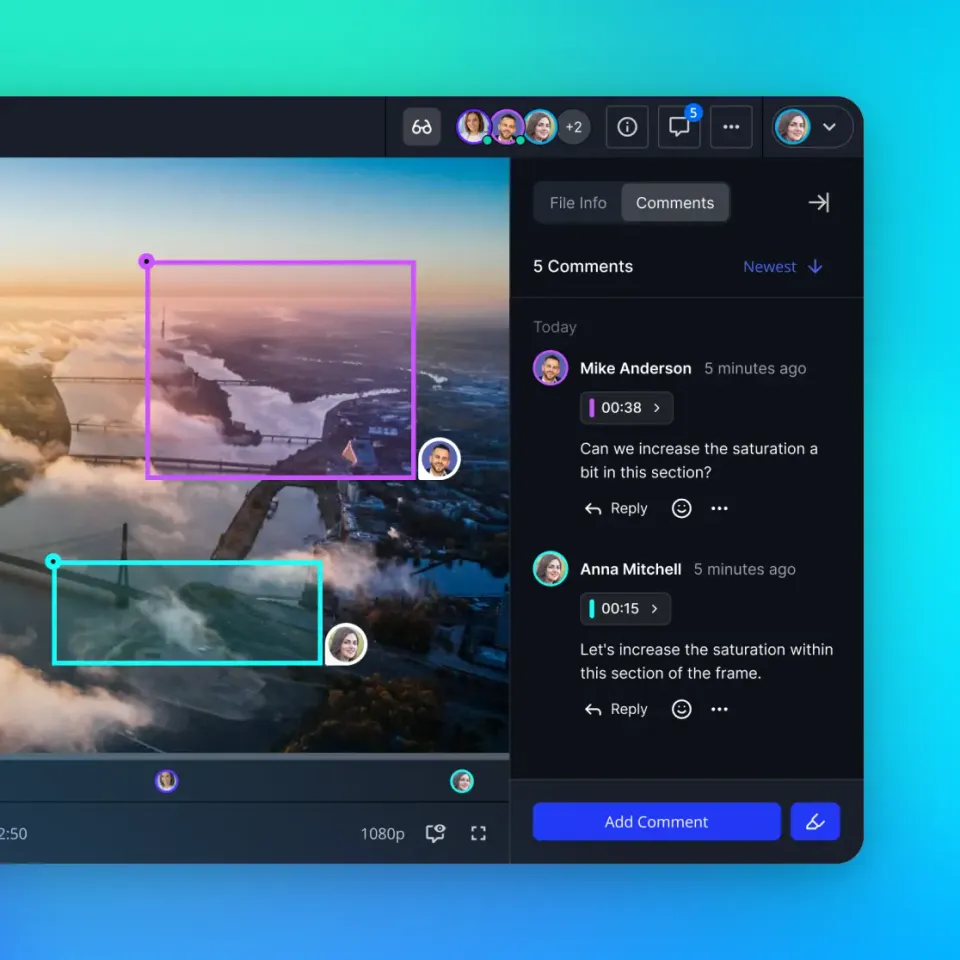
Most multimodal AI guides focus on model capabilities: which model handles images, which one generates video, which one transcribes audio. OpenClaw takes a different approach. Instead of picking one multimodal model and hoping it covers every modality, OpenClaw gives agents native tools for generating and analyzing media, then lets the agent decide which tool to use and in what order.
OpenClaw 2026.4.5 added three native media tools: image_generate, video_generate, and music_generate. All three share a ComfyUI plugin backend that supports both local installations and Comfy Cloud, so you can route generation through your own hardware or through cloud providers without changing your agent's workflow logic. The video_generate tool supports multiple providers through a priority-based resolution chain, so agents can target different generation engines depending on the task.
OpenClaw also routes visual input separately from text conversation, letting agents use a capable vision model for image analysis while handling text on a faster model. The switch happens automatically based on whether the input contains visual content.
These building blocks, generation tools, vision routing, and async task handling, let agents chain modalities in a single workflow. An agent can analyze an image, write a script based on what it sees, generate a video from that script, add a music track, and deliver the finished package, with each step using the right tool for the job.
The seven workflows below show how these pieces fit together for real applications.
Related guides
- How to Build Claude Cowork WorkflowsAgentic workflows handle repetitive data processing, but setting them up requires structure. Learn how to build Claude...
- Best Storage Solutions for Base44 WorkflowsAccording to the Flexera 2025 State of the Cloud Report, 84% of organizations identify managing cloud spend and...
- Best OpenClaw Workflows for AI Image Generation PipelinesOpenClaw 2026.4.5 turned agents into image producers. The native image_generate tool supports 10 providers out of the...
- Best OpenClaw Workflows for AI Storyboard and Scene PlanningOver 1 million professionals use AI storyboarding tools, but most require manual interaction per frame. OpenClaw's...
- Best OpenClaw Workflows for AI Music Video and Lyric Video CreationOpenClaw 2026.4.5 shipped music_generate and video_generate as built-in tools, but most guides cover them in isolation....
- Best OpenClaw Workflows for AI Product Demo Video and Walkthrough CreationOpenClaw's ecosystem includes a dedicated demo-video skill that records browser walkthroughs through CDP screencast, a...
More on this subject: OpenClaw Workflows and Integrations (69 guides)
1. Text-to-Video with AI Voiceover
ClawVid, a community-built ClawHub skill, demonstrates a voiceover-first video pipeline. The agent generates narration from a text prompt, derives scene timing from the actual audio length, creates matching visuals for each scene, and renders the final video. The result is a faceless video where audio and visuals stay synchronized because timing is driven by the narration track.
OpenClaw's generation tools handle the visual side with text-to-video or image-to-video modes, while the music generation tool can score background audio from supported providers. The async task system means your agent submits the video generation request, gets back a task ID immediately, and continues working on other parts of the pipeline while the provider processes the render. When it finishes, OpenClaw delivers the result back into the session.
Where this fits: marketing teams producing explainer videos, course creators building lesson content, agencies delivering short-form social video.
Key skills:
- ClawVid (fal.ai + Remotion pipeline)
- ai-video-gen (text-to-video generation)
- eachlabs-video-generation (multi-model video from text or images)
- ace-music (AI music generation via ACE-Step 1.5)
2. Image Analysis to Structured Report
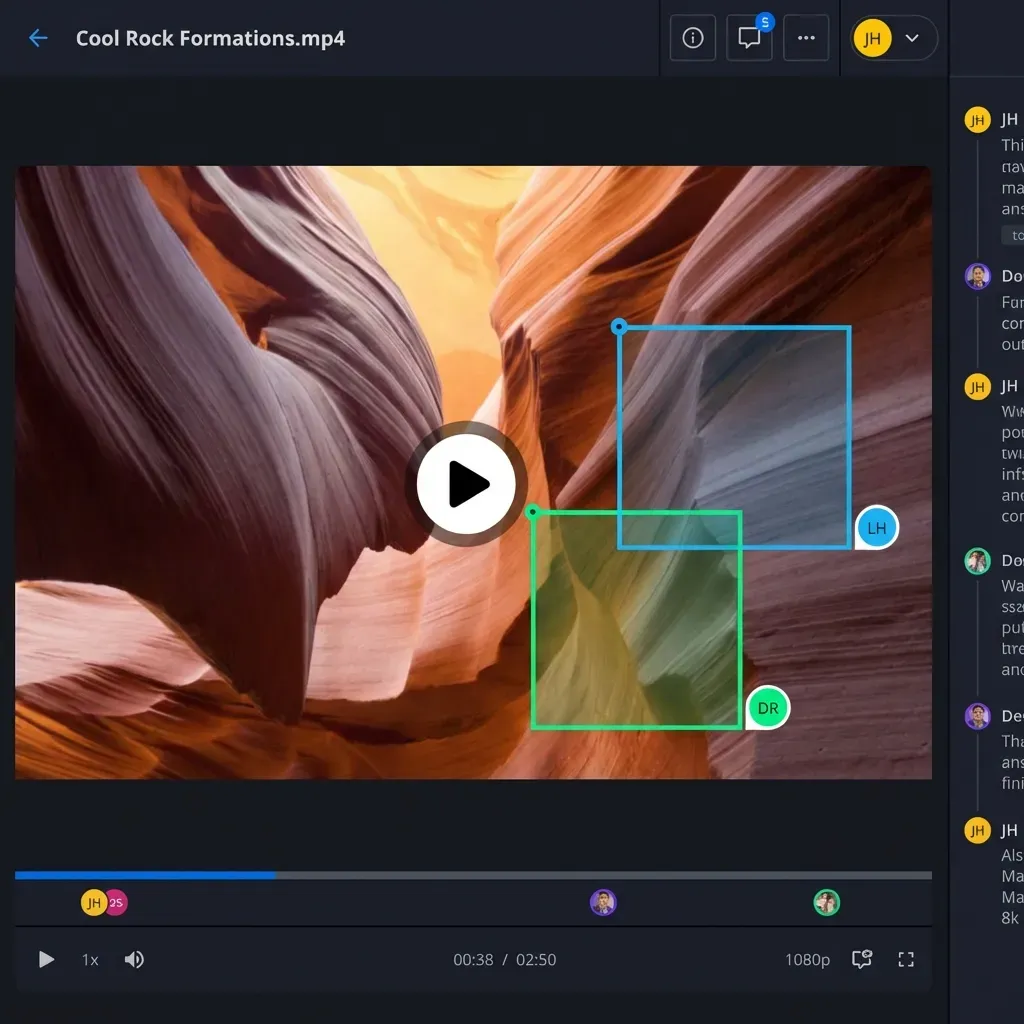
This workflow pairs OpenClaw's vision routing with structured output generation. The agent receives a batch of images (product photos, site inspection shots, medical scans, design mockups), routes each one through the configured imageModel for analysis, extracts structured data from the visual content, and compiles the results into a formatted report.
The dual-model router handles the heavy lifting. Configure a capable vision model like GLM-5V-Turbo as your imageModel and a fast text model for the report writing portion. OpenClaw switches between them automatically based on whether the current input contains visual content. For PDF inputs, a separate pdfModel tier handles document-specific layouts.
The output needs to go somewhere useful. Local SQLite storage works for prototyping, but production workflows need persistence and sharing. Fastio provides a workspace where your agent writes analysis results through the MCP server, and team members can browse, search, and discuss the output immediately. With Intelligence Mode enabled, every uploaded report is indexed for semantic search and RAG-powered chat, so anyone can query across hundreds of analysis results by meaning rather than filename.
For high-volume analysis, Metadata Views turns your agent's output into a queryable database. Define fields like "defect type," "confidence score," and "recommended action" in plain language, and the system extracts those fields into a sortable spreadsheet across all processed files.
Where this fits: quality control inspections, real estate photo documentation, insurance claims processing, design review pipelines.
Key skills:
- nanobanana-pro-fallback (Gemini Image API with model fallback)
- image-gen (multi-platform image processing)


Store and share your multimodal agent output
Fastio gives your OpenClaw agent persistent storage with built-in AI indexing, file versioning, and an MCP endpoint for reads and writes. Card required for trial.
3. Multi-Format Content Repurposing
Content repurposing is where multimodal workflows deliver the most obvious ROI. Start with one piece of content, a blog post, a podcast transcript, a conference talk, and have your agent produce derivative assets across every format.
The workflow chain looks like this: the agent reads the source content, identifies the key points, generates a hero image with image_generate using a provider like FLUX or SDXL through the fal-ai skill, creates a short video summary with video_generate, produces a background music track with music_generate, and writes social media copy for each platform. Each output is a separate tool call, and OpenClaw handles the async coordination.
The fal-ai ClawHub skill is particularly useful here because it wraps image, video, and audio generation under a single provider interface. Install it once and your agent can call FLUX for images, Whisper for transcription, and various video models through the same API. The eachlabs-image-generation skill adds access to GPT Image, Gemini, and Imagen models if you need different visual styles for different platforms.
For teams, the repurposed content needs a shared home. Rather than scattering files across Slack threads and Google Drive folders, a Fastio workspace gives the agent a single write target and the team a single place to review. When the agent finishes a repurposing batch, ownership transfer hands the workspace to the content manager while the agent retains admin access for future updates.
Where this fits: content marketing teams, podcast producers, event organizers turning talks into social content.
Key skills:
- fal-ai (unified image, video, and audio generation)
- eachlabs-image-generation (Flux, GPT Image, Gemini, Imagen)
- agents-skill-podcastifier (text-to-TTS podcast conversion)
4. Vision-Guided Generation
This pattern flips the typical generation workflow. Instead of generating from text descriptions, the agent analyzes existing visual content and generates new media based on what it sees. The vision model provides understanding, and the generation tools produce the output.
A practical example: an agent receives a product photo, analyzes it with the imageModel to identify the product, its setting, and its visual characteristics, then generates variations using image_generate with prompts derived from the visual analysis. The agent might produce the same product in different environments, different lighting conditions, or different aspect ratios for various marketing channels.
The video_generate tool supports image-to-video mode specifically for this pattern. Pass a reference image and a prompt, and providers like Runway Gen 4.5 or BytePlus Seedance (which accepts up to 9 reference images) will animate the scene. The agent can choose the best provider based on the complexity of the request, since OpenClaw resolves providers through a priority chain: explicit parameter, then primary config, then fallback candidates, then auto-detection based on available API keys.
ComfyUI integration makes this workflow especially flexible for teams running custom models. Route generation through your local ComfyUI installation using fine-tuned checkpoints that match your brand's visual style, while still using cloud providers as fallbacks. The ComfyUI plugin handles prompt injection into workflows, reference image uploads, and automatic output download.
Where this fits: e-commerce product photography, design iteration, architectural visualization, brand asset generation.
Key skills:
- best-image-generation (high-quality synthesis, approximately $0.12-0.20 per image)
- cheapest-image-generation (budget generation at roughly $0.0036 per image)
- grok-image-cli (xAI image generation and editing)
How Scheduled Agents Run a Multimodal Content Studio
The OpenClaw Playbook blog described this pattern directly: "I can score the content automatically instead of using royalty-free stock audio. With video_generate, I can create motion content from text descriptions on a schedule. That's a content studio running on cron jobs."
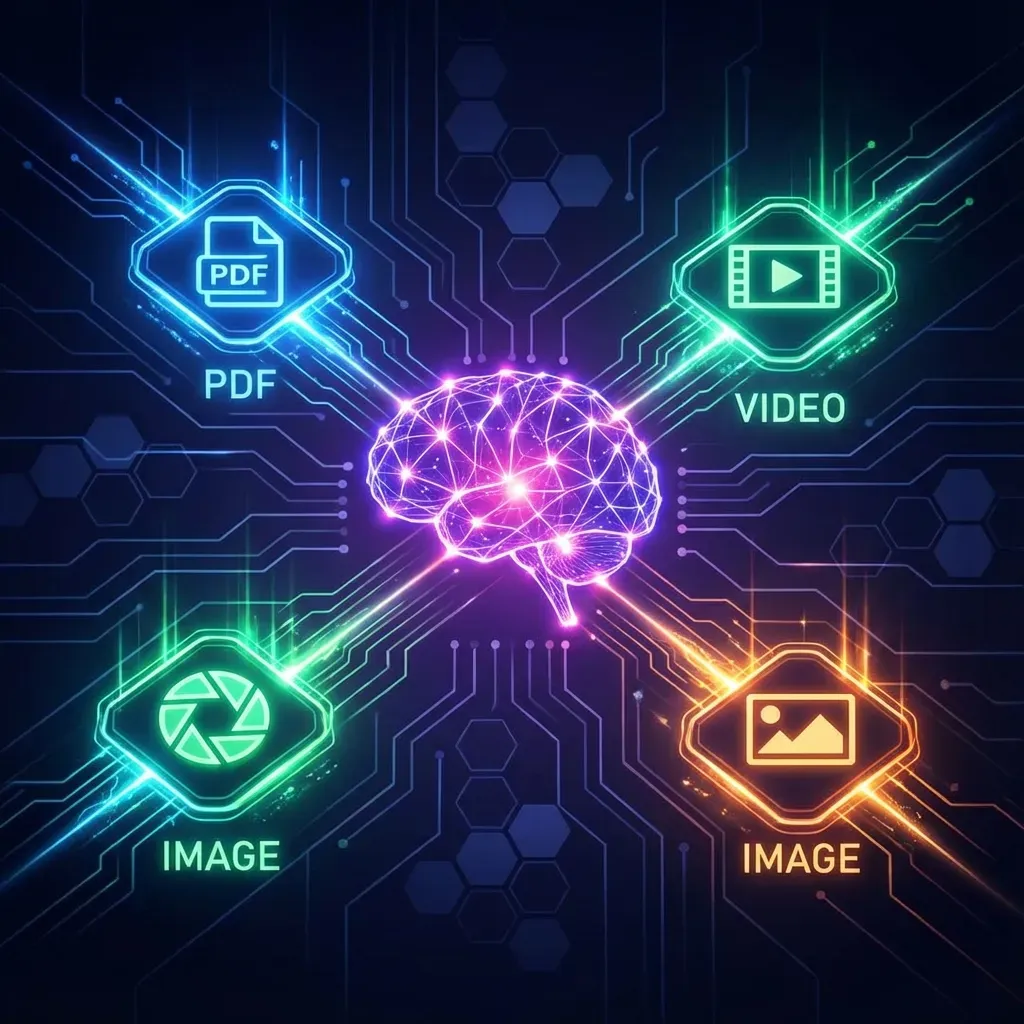
The architecture combines OpenClaw's async task system with scheduled execution. Your agent runs on a schedule, pulls content briefs from a queue or a workspace, generates visual assets with image_generate, produces video content with video_generate, adds original music with music_generate, and delivers the finished package. Because video and music generation run asynchronously, the agent can submit multiple generation requests in parallel and collect the results as they complete.
Task lifecycle tracking keeps everything organized. Each generation request progresses through queued, running, and succeeded or failed states. The agent monitors progress with openclaw tasks list and openclaw tasks show commands, retrying failed tasks or escalating persistent failures.
MiniMax's MaxClaw demonstrates this pattern at the hosted level. Built on OpenClaw and the MiniMax M2.5 model, MaxClaw integrates image generation, video generation, image search, and web page deployment into a single always-on agent. It shows what's possible when multimodal generation is paired with persistent availability and a web deployment target.
Storing the output matters as much as generating it. A Fastio workspace gives your scheduled agent a persistent write target with automatic versioning. Each content run creates new versions rather than overwriting previous output, so you maintain a complete history. When a batch is ready for review, the team can browse the workspace directly, or the agent can create a branded share link for external stakeholders.
Where this fits: social media content calendars, automated newsletter illustration, product catalog refresh cycles.
How to Coordinate Multiple Agents for Multimodal Output
Complex multimodal applications benefit from splitting responsibilities across specialized agents rather than loading every capability into one. OpenClaw's session isolation and lane queue system make this practical: each agent runs in its own session with separate memory and state, preventing cross-talk between unrelated tasks.
A production setup might include a coordinator agent that receives requests and routes them to specialists: a vision agent configured with a high-capability imageModel for analysis tasks, a generation agent with ComfyUI access for media production, and a delivery agent that handles formatting and distribution. The coordinator routes different input types to the right specialist, then synthesizes the results.
Inter-agent communication works through shared channels or explicit tool calls. One agent can invoke another's capabilities for task decomposition, following the "default serial, explicit parallel" philosophy that OpenClaw enforces. Parallel execution is opt-in for designated low-risk tasks, which prevents race conditions in media generation pipelines where output order matters.
The ClawHub marketplace, now searchable directly from the Control UI Skills panel, hosts over 5,700 community-built skills. For multimodal coordination, relevant categories include image-and-video-generation (with skills like eachlabs-video-edit for lip sync and translation), and the heygen-avatar-lite skill for AI digital human video. Each agent in your multi-agent setup can install only the skills it needs, keeping its tool surface minimal and focused.
For teams sharing output across agents and humans, Fastio workspaces provide the coordination layer. Agents write to shared workspaces through the MCP server, humans review through the web interface, and advisory file locks allow agents to coordinate active edits while full version history protects every write. Fastio offers a 14-day Business Trial, card required; see /pricing/.
Where this fits: enterprise content production, automated media agencies, research teams processing mixed-modality data.
Key skills:
- heygen-avatar-lite (AI digital human video via HeyGen)
- eachlabs-video-edit (lip sync, translation, subtitles)
- video-editor-ai (MP4 editing for TikTok, Reels, Shorts)
Sources
References used to verify factual claims in this guide.
-
ClawHub hosts over 5,705 community-built skills
-
OpenClaw video_generate supports 16 providers
-
Image generation costs approximately $0.12-0.20 per image with best-image-generation skill and $0.0036 with cheapest-image-generation
-
MaxClaw integrates image generation, video generation, image search, and web page deployment
Frequently Asked Questions
Can OpenClaw handle multiple AI modalities?
Yes. OpenClaw 2026.4.5 ships three native media generation tools (image_generate, video_generate, music_generate) alongside a dual-model vision routing system. The agent can generate images, video, and music while also analyzing visual input through a dedicated imageModel, all within the same session.
How do I combine image and video generation in OpenClaw?
Use image_generate to create a still frame, then pass it to video_generate in image-to-video mode. Providers like Runway Gen 4.5 and BytePlus Seedance accept reference images and animate them based on your text prompt. The video_generate tool runs asynchronously, so your agent can continue other work while the video renders.
What multimodal skills are available on ClawHub?
ClawHub hosts over 5,700 skills, with a dedicated image-and-video-generation category. Notable multimodal skills include fal-ai (image, video, and audio through one API), ClawVid (text-to-video with Remotion), eachlabs-image-generation and eachlabs-video-generation (multi-model support), ace-music (AI music via ACE-Step 1.5), and heygen-avatar-lite (AI digital human video).
Does OpenClaw support local multimodal generation?
Yes. The ComfyUI plugin supports local installations and Comfy Cloud, wiring into all three media tools through shared workflow-backed generation. You can run custom fine-tuned models on your own hardware for image, video, and music generation while keeping cloud providers as fallbacks.
How does OpenClaw handle slow video generation without blocking the agent?
Video and music generation run asynchronously. When the agent calls video_generate, OpenClaw submits the request and returns a task ID immediately. The provider processes in the background (typically 30 seconds to several minutes), and OpenClaw delivers the result back to the session when it completes. The agent can work on other tasks during the wait.
Related Resources

Store and share your multimodal agent output
Fastio gives your OpenClaw agent persistent storage with built-in AI indexing, file versioning, and an MCP endpoint for reads and writes. Card required for trial.