How to Create an AI Teacher Assistant Workspace
An AI teacher assistant workspace lets educators team up with AI tools in a shared environment to deliver personalized learning. Fastio offers workspaces where teachers upload lesson plans and turn on AI indexing, and query content with agents for custom student plans. AI teacher assistant workspaces solve edtech's lack of shared storage for AI agents by combining teacher know-how with AI tools. Teachers save hours on admin work while focusing on student needs.

What Is an AI Teacher Assistant Workspace?
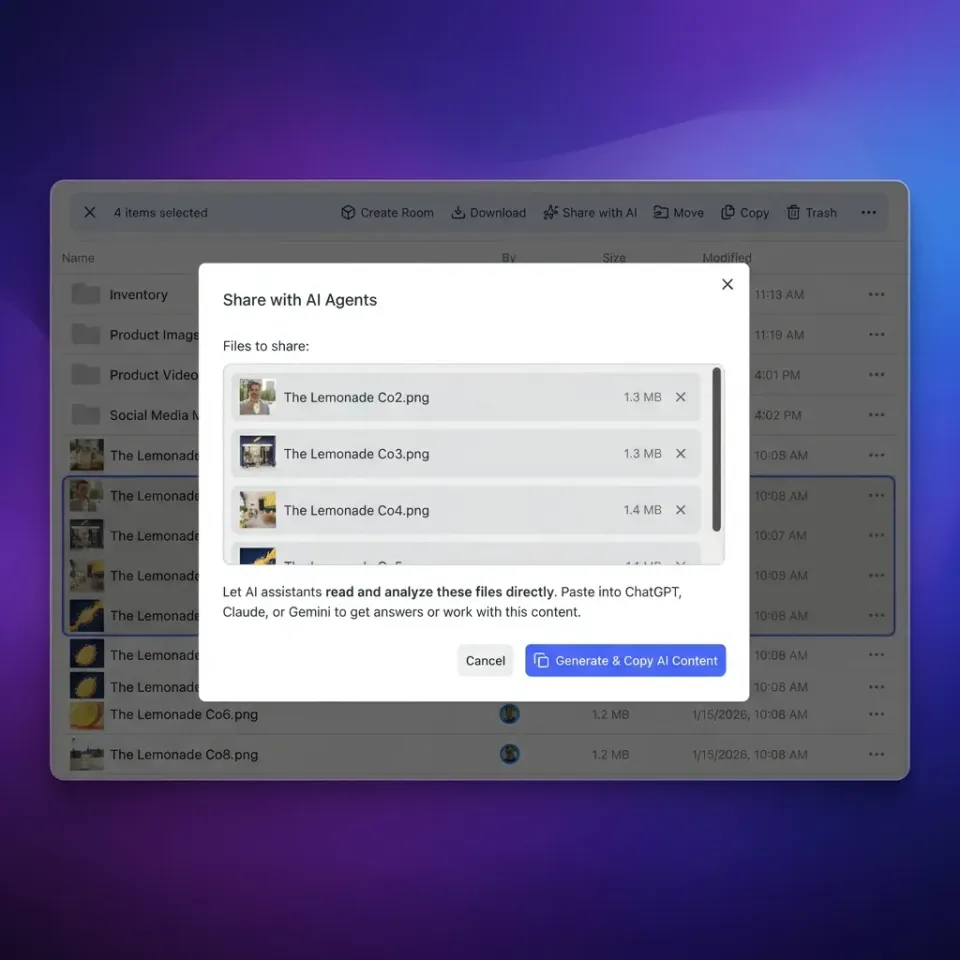
An AI teacher assistant workspace is a collaborative space where teachers work alongside AI agents to create personalized education experiences. It combines human expertise with AI tools for summarizing content, generating questions, and analyzing student progress.
These workspaces store lesson materials, student data, and AI outputs in one place. Teachers can chat with the AI to generate quizzes or adapt plans, while agents access indexed files via tools like MCP.
Unlike standalone AI apps, shared workspaces allow multiple teachers and AI instances to contribute without duplicating efforts. Files stay organized, with audit logs tracking changes for accountability.
Fastio workspaces support this by offering Intelligence Mode, which auto-indexes uploads for semantic search and RAG queries. Teachers see real-time presence from colleagues and agents, making coordination easy.
Helpful references: Fastio Workspaces, Fastio Collaboration, and Fastio AI.

Related guides
- Best Teacher Resource Sharing Platforms ReviewedTeachers share lesson plans, worksheets, and other classroom materials on these platforms. They save time reusing...
- How to Choose the Best Teacher File Sharing PlatformThe best teacher file sharing platform simplifies classroom management by securely distributing lesson plans,...
- How to Set Up Student Project Collaboration WorkspacesStudent project collaboration workspaces give groups a single place to upload files, add comments, and track changes...
- How to Set Up a Teacher Student File Feedback SystemTeachers face a weekly grind reviewing student work—essays, spreadsheets, art sketches, video projects. Traditional...
- Best School File Management Software for AdminsSchool admins use file management software to organize documents and meet compliance requirements in educational...
- 10 Best Classroom File Collaboration Tools for TeachersClassroom file collaboration tools let teachers share assignments, projects. and feedback with students in real time....
More on this subject: Education (15 guides)
Why Teachers Need AI Assistant Workspaces Now
Teachers face heavy workloads, with grading, planning, and admin taking up a lot of time each week. AI workspaces cut this by automating routine tasks, letting educators focus on instruction.
According to Market.us, the AI in education market will grow from $3.6 billion in 2023 to $73.7 billion by 2033 at 35.10% CAGR. This surge reflects demand for tools that personalize learning and boost efficiency.
Yet competitors lack shared storage for AI agents, forcing teachers to switch apps and lose context. Fastio fills this gap with persistent, indexed storage where AI agents join as team members.
Surveys show AI tutoring improves student engagement by up to 30%. In practice, teachers use workspaces to analyze class data, generate tailored quizzes, and track progress without manual spreadsheets.
For schools, this means better outcomes at lower cost. Small districts can Start trial, scaling as needed.
Key Benefits for Educators
- Personalized student plans: AI reviews performance data across indexed files to suggest adaptations, like extra practice for 30% of math strugglers based on quiz results. Teachers approve changes in shared workspaces.
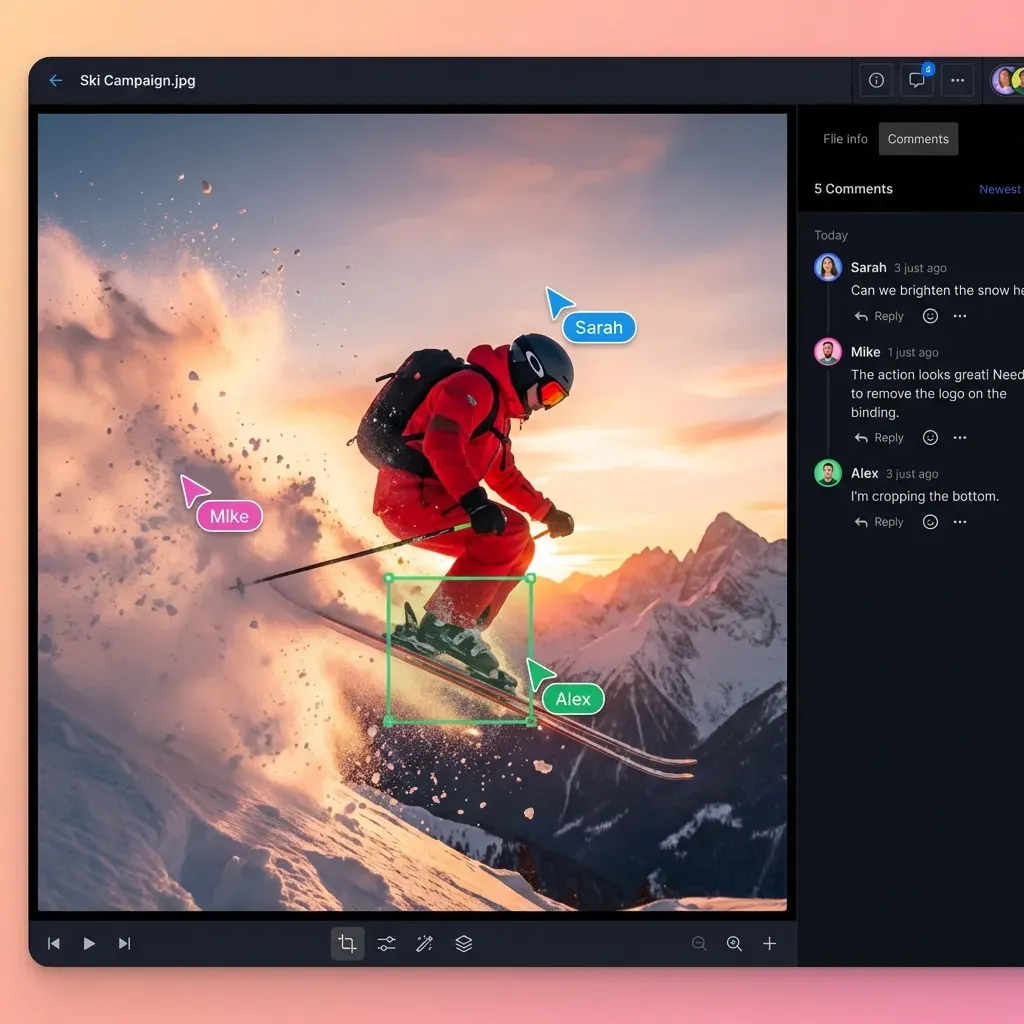
- Real-time collaboration: Teachers and AI co-edit lesson plans with live presence indicators and follow mode to sync views during planning sessions.
- Time savings: Automate grading, summaries, and report generation, reclaiming 6 to 13 hours weekly for direct mentoring and student interaction.
- Compliance ready: Full audit logs record all access and changes, essential for maintaining student records and accountability.
- Scalable for classes: Handle hundreds of assignments and large datasets without extra staff, thanks to shared workspaces and large file support.
Evidence from AI in Education Adoption
Teachers are using more AI in education. Surveys show increases year after year, driven by tools that handle repetitive work. For example, funding for AI edtech exceeded $9.5 billion in the first two quarters of 2023.
According to Market.us, the AI in education market was $3.6 billion in 2023, projected to reach $73.7 billion by 2033 at a 35.10% CAGR. Key 2023 market shares include:
Studies from McKinsey & Company indicate AI assistants could save K-12 teachers 6 to 13 hours per week on admin tasks like grading and report writing. This time goes back to classroom interaction, improving student results.
Fastio's agent workspaces support this trend. With built-in RAG, teachers query "Summarize weak areas from last quiz" and get cited answers instantly.
Market.us data shows AI platforms boost engagement by up to 30%. Schools using shared AI spaces report fewer errors in planning and faster feedback loops.
These metrics make AI teacher assistant workspaces a practical choice for modern edtech, especially with Fastio's unique shared agent storage.
How Fastio Enables Teacher-AI Collaboration
Fastio offers workspaces where AI joins human teams as first-class members. Once Intelligence is enabled for the workspace, files are indexed for semantic search, RAG queries, and AI chat with citations.
With a consolidated MCP toolset via Streamable HTTP (https://mcp.fast.io/mcp/tools), agents handle uploads, searches, shares, and more. Teachers use the intuitive UI, while agents use the REST API or MCP, avoiding silos between human and machine work.
Education-specific strengths include generous file capacities for research datasets, granular permissions for student folders, and full audit logs for record-keeping. Videos and media stream via HLS for smooth playback without buffering, up to 1080p.
Ownership transfer lets agents build complete lesson packs or research collections, then hand them to teachers via claim links while retaining admin access. The realtime activity feed and WebSocket events feed notify on file changes, like new student submissions or updates.
Advisory file locks coordinate edits during multi-agent curriculum updates, while granular permissions and version history ensure all revisions are safely retained. Real-time presence shows who's active, and follow mode syncs views for reviews.
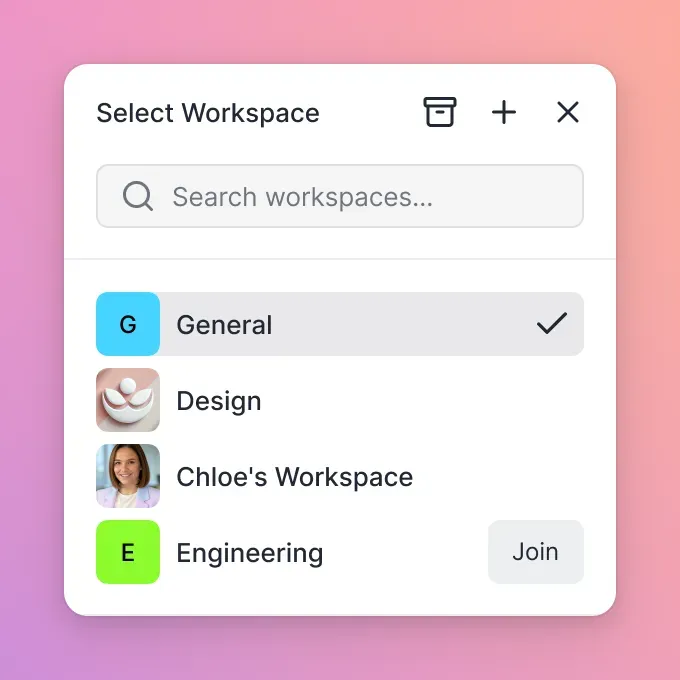
Fastio's cloud-native design eliminates sync conflicts and local storage needs. Shared workspaces support one per class, subject, or research project. URL import pulls from Google Drive, OneDrive, Box, and Dropbox via OAuth without agent local I/O.
The remote MCP server provides zero-install, tool-based file management for any LLM. This makes Fastio the coordination layer where agent output becomes team reality in education.



Ready for Your AI Teacher Assistant Workspace?
Start collaborating with generous storage, included credits. Perfect for personalized education workflows.
Step-by-Step Setup Guide for Your Classroom
Setting up takes minutes. Follow these steps to launch your AI teacher assistant workspace.
Start a trial: Begin with a 14-day Business Trial requiring a credit card at fast.io.
Create workspace: Name it "Class-7-Math" or similar. Invite colleagues via email.
Upload materials: Drag lesson plans, textbooks, past quizzes. Use URL import for district drives.
Enable Intelligence: Once Intelligence is toggled on, files index automatically for AI chat.
Add AI agents: Connect agents via the remote MCP server at
https://mcp.fast.io/mcp/toolsor the REST API.Test collaboration: Ask "Generate several algebra quizzes for grade 7". Review, edit, share.
Set permissions: Student view-only folders, teacher edit, AI read/write.
Monitor progress: Use audit logs and summaries to track usage.
Common pitfalls: Start with one class to learn workflows. Configure granular permissions properly to maintain student privacy.
Real-World Use Cases in K-12 and Higher Ed
Custom learning paths: Upload student assessments. AI spots patterns, suggests interventions like "Add fractions drills for 30% of the class".
Automated grading: Feed essays or math homework. AI scores, provides feedback, flags outliers for review.
Group projects: Shared folders with comments on docs/videos. Presence shows partners online.
Research collaboration: Professors share datasets. AI summarizes findings, generates citations.
Admin efficiency: Create portals for parent updates or grant proposals. Branded shares, no VPN.
Case example: A middle school math team used Fastio to index curriculum. AI generated weekly plans, saving 6 to 13 hours per teacher per week. Student scores rose noticeably in three months.
Higher ed: Universities use for thesis advising, with agents pulling from journals.
Advanced Tips and Troubleshooting
Start small: Index one subject's materials. Verify AI outputs against standards.
Track activity: Poll the realtime activity feed or WebSocket events feed on new submissions.
Handle large classes: Use folders per group and version history for edits.
Troubleshooting: If indexing slow, check credits. RAG fails? Ensure Intelligence Mode on.
Scale: The 14-day Business Trial covers pilots; choose Starter ($9.99/mo), Business ($49.99/mo), or Enterprise ($199.99/mo) for ongoing district use.
Best practice: Weekly reviews of AI suggestions build trust.
Jot down these tips in a shared document. Staying consistent helps avoid problems and speeds up fixes.
Test it with one class first, then use it more widely once you see good results.
Sources
References used to verify factual claims in this guide.
-
AI in education market to grow from $3.6B in 2023 to $73.7B by 2033 at 35.10% CAGR Studies indicate that AI-powered tutoring systems can improve student engagement and performance by up to 30% Edtech companies raised over $9.5 billion in the first two quarters of 2023
-
Fastio Business Trial provides a 14-day evaluation with included credits
-
AI tools could save K-12 teachers 6 to 13 hours per week
Frequently Asked Questions
What is the best AI for teachers?
Fastio's MCP-compatible workspaces work with Claude, GPT, and Gemini. Once Intelligence is enabled, built-in RAG indexes course materials for precise answers.
How do AI assistant workspaces differ from regular tools?
Shared, persistent storage indexed for AI once Intelligence is enabled. Agents and teachers access the same files with presence and version history, unlike chat apps that lose context.
Can Fastio handle student data securely?
Yes, encryption at rest and in transit, granular permissions, and full audit logs support data privacy and record-keeping without third-party certs.
How is Fastio priced for teacher AI workspaces?
Fastio offers a 14-day Business Trial requiring a credit card, followed by plans starting at Starter $9.99/mo (3 seats, 250 GB, 100,000 credits/mo), Business ($49.99/mo), and Enterprise ($199.99/mo).
How much time does AI save teachers?
6 to 13 hours a week on grading, planning, and reports. This shifts focus back to teaching, with studies showing 30% gains in student engagement.
Does it work alongside school systems?
Cloud import from Google Drive, Dropbox, and OneDrive, plus a REST API at https://api.fast.io/current/ for custom tools. Guests access branded portals without a VPN.
Related Resources

Ready for Your AI Teacher Assistant Workspace?
Start collaborating with generous storage, included credits. Perfect for personalized education workflows.