Top OpenClaw Tools for AI Video SEO and Metadata Optimization
Video results are 50 times more likely to rank organically in Google than text, yet most YouTube creators still write titles, descriptions, and tags by hand for every upload. This guide evaluates eight OpenClaw skills that automate the full video SEO workflow, from keyword discovery and competitor analysis to rank tracking and schema markup.


How We Evaluated These Tools
Video results are 50 times more likely to rank organically in Google than text-based content. On YouTube itself, roughly 35% of all traffic starts from a search query. Despite those numbers, the typical creator workflow is still manual: open YouTube Studio, type a title, paste a description, add some tags, and hope for the best. Automated content gap analysis through OpenClaw takes 5 to 10 minutes per keyword, compared to 2 to 3 hours doing the same research by hand.
That gap between the value of video SEO and the effort most creators put into it is where these tools fit. We evaluated each skill on five criteria:
- YouTube API coverage: Can it read and write video metadata, or just one direction?
- Automation depth: Does it run without human interaction, or require approval steps?
- SEO specificity: Is it built for search optimization, or a general tool you can bend toward SEO?
- Workflow integration: Does it chain well with other skills in a pipeline?
- Output persistence: Can research and drafts survive between agent sessions?
Comparison Table
Related guides
- Best n8n Tools for AI Agents: Top 10 Nodes for 2026n8n changed AI automation with its visual workflow builder. We rank the best nodes and integrations for building...
- Best Tools for CrewAI Agents: Top Picks for 2026CrewAI agents need good tools to be useful. The framework handles coordination, but external integrations let agents...
- Top OpenClaw Tools for AI TikTok and Short-Form Video OptimizationShort-form video ad spending hit $111 billion in 2025 and is projected to reach $145.8 billion by 2028, yet most TikTok...
- Best OpenClaw Tools for AI Video Editing AutomationOpenClaw's ecosystem includes both built-in video generation tools and community-developed editing skills that handle...
- Best OpenClaw Tools for AI Video Upscaling and EnhancementOpenClaw's built-in video_generate tool now supports video-to-video mode with 16 provider backends, but none of them...
- Top OpenClaw Tools for AI Video Background Removal and Scene ReplacementThe AI video background replacement market reached $1.77 billion in 2025, yet most of that spending flows to consumer...
More on this subject: OpenClaw Tools (101 guides)
How to Research Video Keywords and Competitor Data
The foundation of any video SEO workflow is data: what keywords trigger video results, what metadata top-ranking videos use, and where the gaps sit. Three OpenClaw skills cover this stage.
1. YouTube Skill (YouTube Data API v3)
Available on LobeHub, this skill wraps the YouTube Data API v3 to expose video search, metadata retrieval, channel statistics, playlist management, and comment moderation. For SEO, the core value is competitive research. Pull any video's title, description, tags, view count, like ratio, and publish date in structured JSON your agent can process downstream.
The skill handles OAuth through a service provider, so you authenticate once and maintain access across sessions. This replaces the manual step of copying data from YouTube Studio into spreadsheets for analysis.
Strengths:
- Full YouTube Data API read coverage for video, channel, and playlist metadata
- Structured JSON output feeds directly into optimization workflows
- Comment and subscription data helps gauge audience engagement signals
Limitations:
- Read-heavy: cannot update metadata or upload content directly
- Requires YouTube Data API v3 credentials with quota management
Best for: Competitive metadata analysis and video research at scale.
2. yt-api-cli
Where the YouTube skill focuses on reading data, yt-api-cli adds write operations: upload videos, set custom thumbnails, create and edit playlists, and update metadata on existing videos. It supports OAuth2 authentication with persistent sessions.
The thumbnail upload capability opens a practical SEO workflow. Generate thumbnail variants with different compositions, upload each to test videos, monitor CTR through the same skill's analytics endpoints, and apply the winner across your library. Custom thumbnails produce 60 to 70% higher click-through rates than auto-generated screenshots, so systematic thumbnail testing is one of the highest-use video SEO activities.
Strengths:
- Full read/write access to YouTube channels, including metadata updates
- Thumbnail upload and management for CTR optimization
- Bulk operations across playlists and video libraries
Limitations:
- More complex OAuth2 setup than read-only skills
- API quota consumption adds up during bulk operations
Best for: Publishing workflows where agents apply optimized metadata and thumbnails after research.
3. Brave Search
Not YouTube-specific, but essential for the keyword research stage. Brave Search returns SERP data including video carousels, "People Also Ask" results, and related search suggestions. For video SEO, this answers a question the YouTube API cannot: which queries trigger video results in Google?
Pair Brave Search with the YouTube skill for complete coverage. Brave shows you which terms Google surfaces video for, and the YouTube skill shows you what currently ranks for those terms on YouTube. The combined data reveals where video-intent demand exists but current supply is weak.
Strengths:
- Google SERP analysis including video carousel presence
- "People Also Ask" extraction for FAQ and chapter planning
- Related search suggestions for secondary keyword discovery
Limitations:
- No YouTube-specific metrics like subscriber counts or channel authority
- Reflects Google's algorithm, not YouTube's internal search ranking
Best for: Identifying video-intent keywords and mapping Google's video carousel triggers.
Title, Description, and Tag Optimization
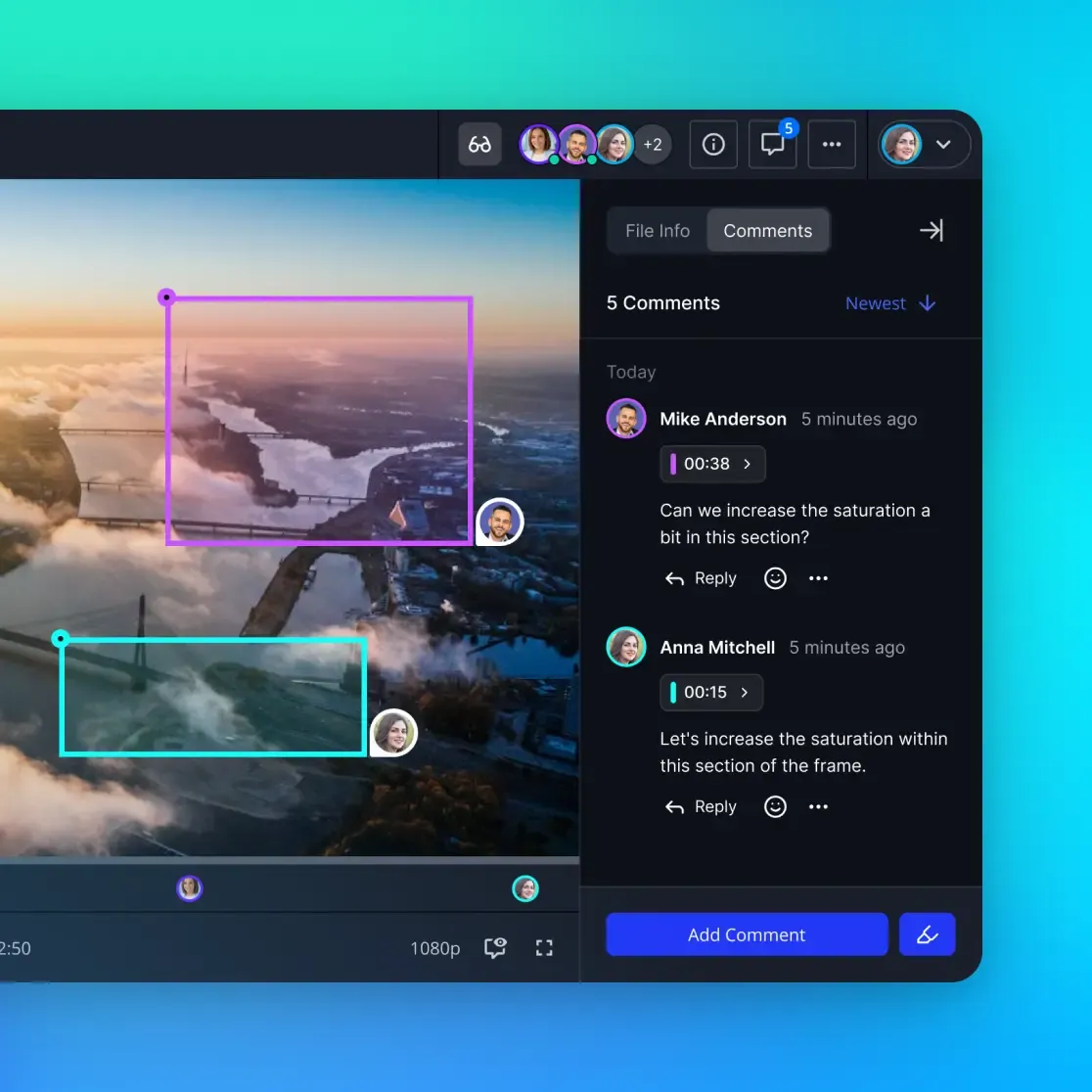
Once you have keyword data and competitive intelligence, the next step is generating optimized metadata. Three skills handle different aspects of this stage.
4. SEO Content Writer
The SEO Content Writer skill generates text with proper keyword placement, heading structure, and meta descriptions. For video, the application is writing titles, descriptions, and tag sets grounded in research rather than instinct.
The OpenClaw for YouTubers guide demonstrates a practical pattern: request five title variations, each using a different psychological hook. Curiosity gap ("What Happens When You..."), specific numbers ("7 Ways to..."), first-person framing ("How I..."), and direct instruction ("Stop Doing X") each appeal to different search behaviors. The agent evaluates each title against the target keyword, predicted CTR, and thumbnail compatibility before recommending the strongest option.
Video descriptions benefit from similar treatment. A well-optimized description places the target keyword in the first two lines (visible above YouTube's fold), includes a content summary with timestamps, and distributes secondary keywords naturally through the remaining text.
Strengths:
- Keyword-aware title and description generation with variation testing
- Multiple hook styles for different audience segments
- Heading structure and keyword density optimization
Limitations:
- General-purpose: requires YouTube-specific prompting for best results
- No direct YouTube API integration (pair with yt-api-cli to publish)
Best for: Generating optimized title, description, and tag sets from keyword research data.
5. youtube-instant-article
This LobeHub skill analyzes existing YouTube videos and extracts structured data: title, author, duration, key frames as slide images, chapter markers, and segment-by-segment summaries tied to exact timestamps. For SEO, the value is competitive content analysis rather than content creation.
Feed it your top five competitors' URLs for a target keyword. The extracted chapter structures and key frame patterns reveal how successful videos organize their content, which timestamps they emphasize, and how they pace information delivery. This data shapes your own video structure before you start recording.
Strengths:
- Chapter marker extraction reveals proven content structures
- Key frame capture shows visual pacing and composition patterns
- Timestamp-linked summaries map content depth across the video timeline
Limitations:
- Analysis only: produces no optimization suggestions itself
- Works with individual URLs, not batch keyword queries
Best for: Reverse-engineering the structure and pacing of top-ranking competitor videos.
6. YouTube Data via TranscriptAPI
The YouTube Data skill on LobeHub provides programmatic access to YouTube transcripts and video metadata through TranscriptAPI. For SEO, transcripts serve two purposes: they supply raw material for writing detailed video descriptions that YouTube can index for ranking, and they reveal the exact language patterns competitors use around your target keywords.
A practical workflow: extract transcripts from the top five ranking videos for your keyword, identify which phrases and terminology appear most frequently, and incorporate that language into your own title, description, and tags. This is keyword research derived from what already ranks, not from generic keyword databases.
Strengths:
- Full timestamped transcripts for competitive language analysis
- Structured video metadata alongside transcript data
- Source material for writing longer, keyword-rich descriptions
Limitations:
- Depends on videos having captions (auto-generated or uploaded)
- No translation or multi-language transcript support
Best for: Mining competitor language patterns and generating description copy from proven vocabulary.


Stop re-running keyword research every agent session
Upload metadata drafts, competitive analysis, and rank tracking data to a shared workspace with an MCP endpoint ready for your OpenClaw agents.
Analytics, Ranking, and Schema Markup
Optimization without measurement is guesswork. Two skills close the feedback loop.
7. Rank Tracker
The Rank Tracker skill monitors search positions for specific keywords over time. For video SEO, this means tracking where your videos appear for target queries in both YouTube search and Google video carousels.
The practical value is measuring whether metadata changes moved the needle. Update a video's title and description, then monitor rank changes over the following days. Without tracking, you cannot tell whether an optimization actually helped or whether the algorithm would have shifted anyway.
Set up automated weekly position checks for your top 20 target keywords. Flag any video that drops more than three positions as a candidate for re-optimization. Flag any that climb as validation of the metadata approach that worked.
Strengths:
- Historical position data shows optimization impact over time
- Tracks both YouTube and Google rankings for the same keyword
- Automated monitoring removes the need for manual position checks
Limitations:
- Ranking data can lag behind actual algorithm changes
- Does not explain why rankings shifted (pair with analytics data for context)
Best for: Measuring the impact of title, description, and tag changes on video search positions.
8. schema-markup
When you embed videos on your own website (not just YouTube), proper VideoObject schema tells Google the video's title, description, duration, thumbnail URL, and upload date. The schema-markup skill detects missing or broken video schema and generates the correct JSON-LD.
This matters because over 25% of Google search results now include a video snippet. Rich results with proper schema achieve 58% CTR compared to 41% for results without structured markup. If you publish video content on your own domain, missing schema means leaving clicks on the table.
The skill also audits existing schema for errors: wrong duration formats, missing thumbnail URLs, or outdated upload dates. It generates fix code that agents can commit directly to your repository.
Strengths:
- Automatic detection of missing or broken VideoObject schema
- JSON-LD generation following Google's current specification
- Fix code generation for direct repository commits
Limitations:
- Only relevant for self-hosted video pages, not YouTube directly
- Schema alone does not guarantee Google will show a rich result
Best for: Adding and maintaining VideoObject markup on website pages that embed video content.
How to Build a Complete Video SEO Pipeline
Individual tools handle individual tasks. The efficiency gain comes from chaining them into a repeatable pipeline your agent runs end to end.
A working five-stage workflow:
- Keyword discovery: Brave Search identifies video-intent queries in Google. The YouTube skill pulls metadata from current top-ranking results for each keyword
- Competitor analysis: youtube-instant-article extracts content structure from ranking videos. YouTube Data (TranscriptAPI) mines their language patterns and terminology
- Metadata generation: SEO Content Writer produces optimized titles with CTR-tested hooks, keyword-rich descriptions, and tag sets based on the combined research
- Publishing: yt-api-cli uploads or updates videos with optimized metadata and custom thumbnails
- Monitoring: Rank Tracker watches position changes and flags videos that need re-optimization
Storing Research Between Sessions
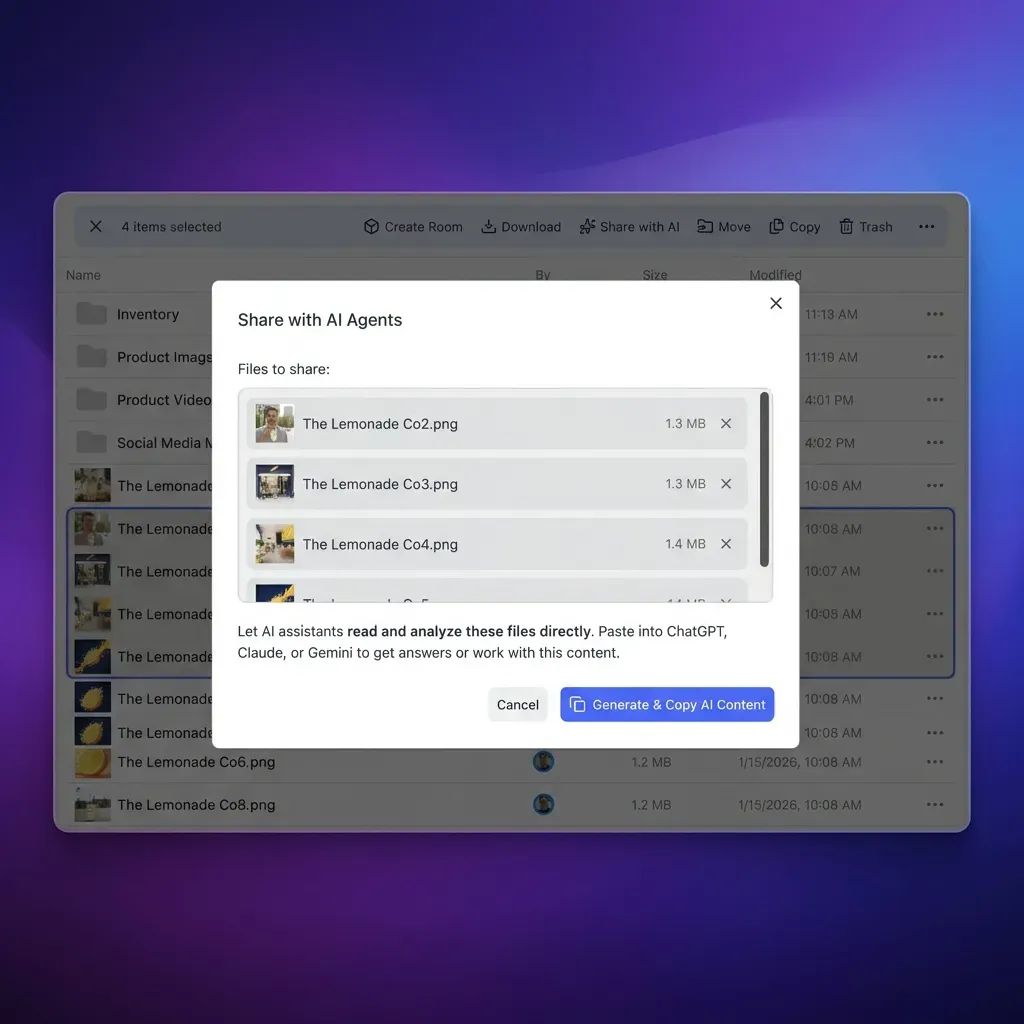
This pipeline generates keyword research exports, competitive analysis reports, metadata drafts, thumbnail variants, and rank history. That data needs to persist between agent sessions and stay accessible to the humans who approve final metadata before publishing.
Local filesystems work for solo creators running everything on one machine, but break when a team needs to review metadata drafts or when your agent session times out mid-pipeline. S3 handles scale but requires custom access control. Google Drive offers familiar sharing but limited agent-native access patterns.
Fast.io provides workspace storage designed for agent-to-human handoff. Agents access workspaces through the MCP server, upload keyword research files and metadata drafts, and team members review everything in the browser. Once Intelligence is enabled for the workspace, files are indexed and searchable, so you can search your SEO research library by topic rather than filename. A 14-day Business Trial is available (credit card required; see /pricing/).
For teams running the OpenClaw SEO automation workflow, persistent storage means research from one session carries forward to the next. You avoid re-running keyword queries because last week's competitive analysis is still there, indexed and searchable.
Cost Comparison
Running this full pipeline through OpenClaw skills costs most users less than $15 per month in API fees, covering YouTube Data API quotas, Brave Search, and TranscriptAPI calls. That compares to $99 per month for Ahrefs or $129 per month for SEMrush, which offer broader SEO capabilities but lack the automation depth of agent-driven workflows. The trade-off is setup time: configuring skills and building the pipeline takes initial effort that paid tools do not require.
Sources
References used to verify factual claims in this guide.
-
Video results are 50 times more likely to rank organically in Google than text-based content Custom thumbnails produce 60 to 70% higher click-through rates than auto-generated screenshots Over 25% of Google search results include a video snippet Rich results with schema achieve 58% CTR compared to 41% for non-rich results
-
35% of YouTube traffic originates from search queries
-
Automated content gap analysis takes 5 to 10 minutes per keyword compared to 2 to 3 hours manually Most OpenClaw SEO users spend less than $15 per month on API fees
-
Parent keyword video seo tools has 140 monthly searches at $10.73 CPC
Frequently Asked Questions
Can OpenClaw optimize YouTube video SEO?
Yes. OpenClaw's skill ecosystem includes tools for every stage of video SEO. The YouTube Data API v3 skill retrieves competitor metadata, Brave Search identifies video-intent keywords, SEO Content Writer generates optimized titles and descriptions, yt-api-cli publishes metadata updates, and Rank Tracker monitors position changes. These skills chain into automated pipelines that handle research through publishing without manual intervention.
What OpenClaw skills help with video metadata?
The primary skills are the YouTube skill (reads video titles, descriptions, tags, view counts, and channel stats via the YouTube Data API v3), yt-api-cli (reads and writes metadata, including thumbnail uploads), and youtube-instant-article (extracts chapter markers, key frames, and structured summaries from existing videos). For transcript-based metadata work, the YouTube Data skill via TranscriptAPI pulls full timestamped transcripts.
How do you automate video title optimization with AI?
Use the SEO Content Writer skill to generate five title variations per video, each using a different psychological hook (curiosity gap, specific numbers, first-person framing, direct instruction). Feed in keyword research data from Brave Search and competitive titles from the YouTube skill. The agent evaluates each variation against the target keyword, predicted CTR, and thumbnail compatibility, then recommends the strongest option. Apply the winning title through yt-api-cli.
Can OpenClaw research trending video keywords?
Yes. Brave Search identifies which queries trigger video carousels in Google search results, showing where video-intent demand exists. The YouTube skill pulls metadata from currently ranking videos for those queries, revealing competitor positioning. Combining both gives you a keyword list filtered for video intent with competitive data attached, which is more targeted than generic keyword tools that do not distinguish between text and video search results.
How much does automated video SEO cost with OpenClaw?
Most users spend less than $15 per month on API fees for the full pipeline, covering YouTube Data API quotas, Brave Search queries, and TranscriptAPI calls. This compares to $99 per month for Ahrefs or $129 per month for SEMrush. The trade-off is initial setup time, since you need to configure skills and build the pipeline yourself rather than using a pre-built dashboard.
Where should I store video SEO research from OpenClaw agents?
For team workflows, upload research files, metadata drafts, and rank tracking exports to a shared workspace. Fast.io provides agent-accessible storage through its MCP server with semantic search once Intelligence is enabled for the workspace. Teams can start with a 14-day Business Trial (credit card required; see /pricing/). For solo use, local filesystem or S3 both work but require more manual coordination for session-to-session persistence.
Related Resources

Stop re-running keyword research every agent session
Upload metadata drafts, competitive analysis, and rank tracking data to a shared workspace with an MCP endpoint ready for your OpenClaw agents.