How to Use AI for Property Management
AI for property management refers to the use of artificial intelligence tools and agent workflows to automate tenant communication, maintenance scheduling, lease document processing, and operational reporting for rental properties. This guide covers practical implementation, from choosing tools to building workflows that hand off results to human property managers.


What AI Actually Does in Property Management
Property managers spend 30-40% of their time on repetitive administrative tasks: answering the same tenant questions, routing maintenance requests, chasing late payments, and updating spreadsheets. AI changes that math by handling the predictable work and flagging the exceptions that need human judgment.
Here's what AI handles well in property management today:
- Tenant communication: AI chatbots and virtual assistants respond to routine inquiries 24/7, from lease terms and parking rules to rent payment status. AppFolio's Lisa and EliseAI both handle prospect inquiries, schedule tours, and follow up with leads automatically.
- Maintenance triage: When a tenant reports a leaky faucet, AI can classify the urgency, suggest troubleshooting steps, assign the right vendor, and schedule the repair. Mezo's virtual assistant Max diagnoses maintenance issues and routes work orders without human intervention.
- Lease document processing: AI extracts key terms from lease agreements, flags renewal dates, and identifies clauses that need attention. Instead of reading every page of a 30-page lease, managers get a structured summary.
- Rent optimization: AI analyzes comparable properties, vacancy rates, and market trends to recommend pricing. This replaces the guesswork of "what's the apartment down the street charging?"
- Tenant screening: Automated screening evaluates credit history, rental history, and background checks in seconds rather than days.
The common thread: AI handles the data processing and pattern matching, while humans make the final decisions on evictions, major repairs, and lease exceptions.

Related guides
- Tenant Portal Software: Document Sharing for Property ManagersTenant portal software gives property managers a branded workspace for sharing leases, notices, and move-in documents...
- AI for Real Estate Agents: Tools That Actually Save TimeReal estate agents spend roughly a quarter of their workweek on admin, from document prep to photo delivery. This guide...
- How AI Is Changing Commercial Real Estate WorkflowsAI in commercial real estate has moved past the hype cycle into practical deployment. This guide covers the six core...
- 8 Best Real Estate Transaction Coordinator Software Tools for Document ManagementGuide to real estate transaction coordinator software: Transaction coordinators juggle 40+ documents per deal across a...
- Real Estate Document Management Guide for AgentsReal estate document management is the systematic organization, storage, and sharing of property transaction documents...
- How to Run Commercial Property Due Diligence with a Secure Data RoomCommercial property due diligence involves reviewing 50 to 100+ documents across financial, legal, environmental, and...
More on this subject: Real Estate (21 guides)
What to check before scaling ai for property management
Maintenance is where AI delivers the fast ROI for property managers. AI-powered maintenance triage can reduce response times by 60%, and the workflow is straightforward to implement.
How the Workflow Operates
A tenant submits a maintenance request through your portal, app, or even a text message. From there, AI takes over the initial triage:
Step 1: Classification. The AI reads the request and categorizes it by system (plumbing, HVAC, electrical, appliance), urgency (emergency, urgent, routine), and whether it requires a licensed professional or can be handled in-house.
Step 2: Troubleshooting. For common issues, the AI sends the tenant a guided troubleshooting message. "Is the garbage disposal humming but not spinning? Try pressing the reset button on the bottom of the unit." This resolves 15-20% of requests without dispatching anyone.
Step 3: Vendor assignment. If the issue needs a technician, the AI checks your vendor roster, matches the trade and availability, and sends a work order. Tools like Mezo and Buildium's Lumina handle this routing automatically.
Step 4: Scheduling and follow-up. The AI coordinates a time that works for the tenant and vendor, sends calendar invites, and follows up after the repair to confirm the issue is resolved.
Predictive Maintenance
Beyond reactive repairs, AI analyzes historical work orders and sensor data to predict when systems will fail. If your HVAC units in Building C have averaged a compressor failure every 18 months, the AI flags preventive maintenance before the next summer heat wave hits. Property managers using predictive maintenance report fewer emergency calls and lower overall repair costs because they catch problems before they become expensive.
Where Documents Pile Up
Every maintenance workflow generates paperwork: work orders, vendor invoices, tenant communications, before-and-after photos, warranty documents. Property managers with 50+ units can accumulate thousands of these files per year. A workspace platform like Fastio gives you a central location where AI agents store work order files, vendor invoices, and inspection photos. With Intelligence Mode enabled, those documents are automatically indexed, so you can search "compressor repair Building C" and find every related file, invoice, and communication.


Organize Your Property Documents with AI-Powered Search
Store lease files, maintenance records, and tenant communication in searchable workspaces. Intelligence Mode indexes everything automatically. generous storage. Built for property management workflows.
Automating Tenant Communication
Tenant communication is high-volume and repetitive. The same questions come in every month: "When is rent due?", "Can I have a pet?", "My neighbor is being loud." AI handles these patterns while escalating the unusual requests to humans.
What AI Handles
- Rent reminders and payment confirmations: Automated messages go out on schedule. If a payment fails, the AI sends a follow-up with alternative payment options before a property manager has to get involved.
- Lease inquiries: Tenants ask about their lease terms, move-out procedures, and guest policies. AI pulls answers from the actual lease document rather than giving generic responses.
- Maintenance request intake: As covered in the previous section, AI captures the request, asks clarifying questions, and routes it to the right team.
- Move-in and move-out coordination: AI sends checklists, schedules walkthroughs, and collects forwarding addresses.
Channels That Work
The most effective AI communication setups cover multiple channels. Conduit, for example, provides a unified inbox that consolidates email, SMS, web chat, and social media messages into a single interface. Stan AI focuses on HOA and property management communication with automated responses across text and web portals.
Regardless of the tool you choose, the key is having a single source of truth for all tenant interactions. When a tenant calls about a maintenance request they submitted by text last week, the property manager needs to see the full conversation history in one place.
The Human Handoff
AI should not handle lease negotiations, eviction notices, or disputes. Set clear escalation rules: if a tenant mentions "lawyer," "lawsuit," "discrimination," or "health hazard," the conversation routes to a human immediately. The best systems flag these escalations with full context so the property manager doesn't start from scratch.
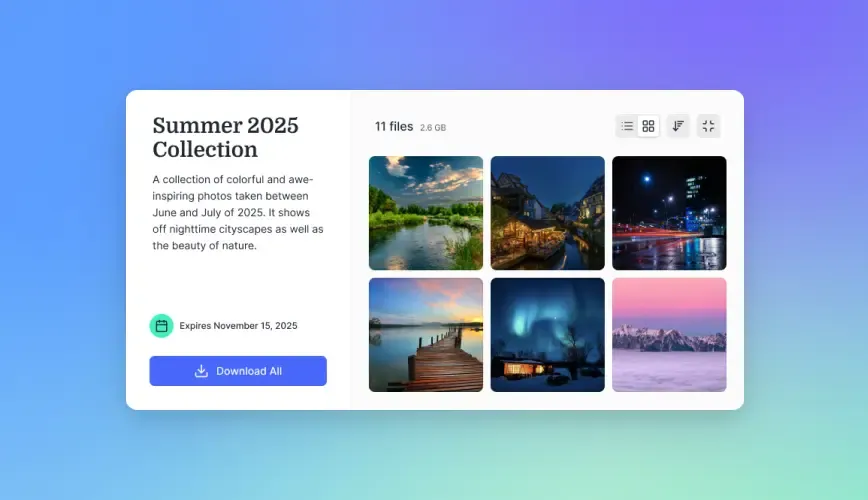
For property management companies running AI agent workflows, Fastio's ownership transfer feature lets an AI agent build out workspace structures, organize documents, and then hand everything off to a human property manager who reviews and takes over. The agent keeps admin access for ongoing automation while the human controls the client-facing relationship.
AI for Lease Document Processing
Lease processing is tedious and error-prone. A property management company with 200 units might process 50-80 lease renewals per year, each involving a 20-40 page document with dozens of key dates, dollar amounts, and legal clauses. AI turns this into a structured workflow.
Extraction and Summarization
AI reads lease documents and extracts structured data: tenant names, unit numbers, lease start and end dates, monthly rent, security deposit amounts, pet deposits, parking assignments, and special clauses. Instead of flipping through pages, the property manager gets a dashboard view of every lease's key terms.
This is where document intelligence matters. When you store lease files in a platform with built-in AI indexing, like Fastio with Intelligence Mode enabled, the system automatically processes and indexes each document. You can ask questions like "Which tenants in Building A have leases expiring in Q3?" and get cited answers pulled directly from the lease text.
Renewal Automation
AI monitors lease expiration dates and triggers renewal workflows automatically:
- 90 days before expiration: AI generates a market analysis showing comparable rents and recommends a renewal rate.
- 60 days before: AI drafts a renewal offer letter with the recommended terms and sends it for manager approval.
- 45 days before: If the tenant hasn't responded, AI sends a follow-up. If the tenant counters, it flags the negotiation for a human.
- 30 days before: AI escalates any unsigned renewals to the property manager with a vacancy risk assessment.
Compliance Checking
AI scans lease documents for compliance issues: missing required disclosures (lead paint, bed bug addendum, mold notice), clauses that conflict with local tenant protection laws, and terms that have changed since the last legislative update. This is especially valuable in markets with complex tenant protection regulations like New York City, San Francisco, or Portland.
Organizing the Paper Trail
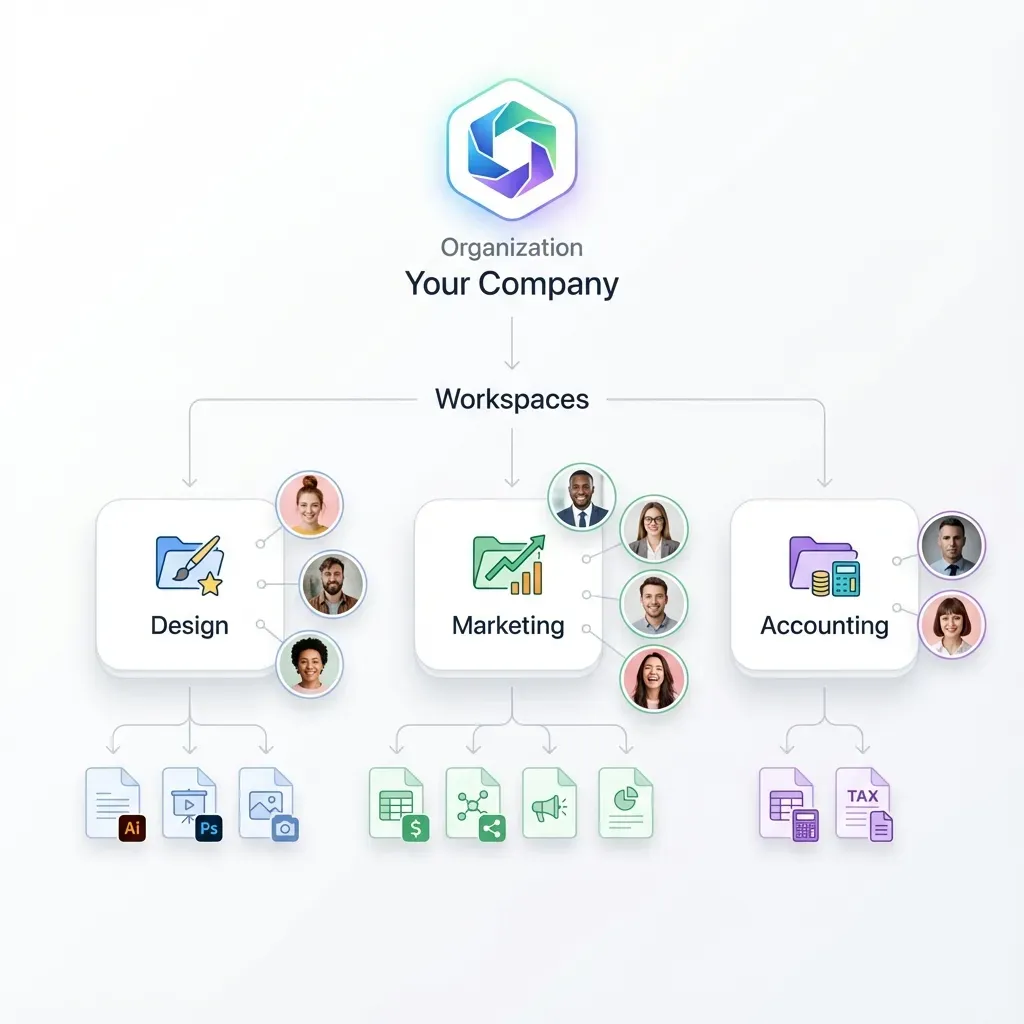
Every lease generates a chain of documents: the original agreement, amendments, addenda, correspondence about terms, and signed copies. Property managers who handle this manually end up with files scattered across email, a shared drive, and a filing cabinet. A centralized workspace with granular permissions lets you control exactly who sees which lease documents. Attorneys, property owners, and maintenance staff each get access to only the files they need.
Choosing the Right AI Tools
The property management AI market has matured quickly. Here are the established platforms worth evaluating, each with different strengths.
Full-Suite Platforms
Buildium with Lumina AI embeds AI directly into accounting, leasing, maintenance, and communications. If you already use Buildium, Lumina adds AI capabilities without switching platforms. Best for: small to mid-size property managers who want AI without a major platform change.
AppFolio offers Lisa, an AI leasing assistant that handles prospect inquiries 24/7, plus AI-powered accounting and maintenance features. AppFolio targets larger portfolios and has stronger reporting capabilities. Best for: property managers with 200+ units who need deep analytics.
Yardi provides AI-driven pricing optimization and predictive maintenance through its Voyager platform. Yardi is the enterprise choice, best suited for institutional property managers and REITs. Best for: large portfolios with complex accounting requirements.
Specialized AI Tools
EliseAI focuses exclusively on AI-powered leasing and resident engagement. It handles the entire leasing funnel from first inquiry to signed lease, with voice AI for phone calls. Best for: multifamily operators who want to maximize occupancy rates.
Mezo specializes in AI maintenance intelligence. Its virtual assistant Max handles tenant troubleshooting, work order routing, and vendor management. Best for: property managers whose biggest pain point is maintenance volume.
Stan AI targets HOA and community management with automated resident communication. Best for: HOA management companies and community associations.
Conduit offers conversational AI with a unified inbox and agentic workflows that can manage complex multi-step tasks. Best for: property managers who communicate across many channels.
How to Evaluate
When choosing a tool, prioritize these criteria:
- Integration with your existing stack: Does it connect to your accounting software, your bank, and your tenant portal?
- Escalation controls: Can you set rules for when AI hands off to a human? Can you review AI decisions before they go to tenants?
- Data ownership: Where does your data live? Can you export it? What happens if you cancel?
- Pricing model: Per-unit pricing vs. flat rate vs. usage-based. For a 50-unit portfolio, per-unit pricing might cost $500-1,000/month. Flat plans like Fastio's, with a 14-day Business Trial (card required; see /pricing/), can be more economical for smaller operations.
Building Your AI Property Management Workflow
Adopting AI for property management isn't an all-or-nothing decision. Start with one workflow, prove the value, and expand from there.
Phase 1: Maintenance Automation (Weeks 1-4)
Start here because maintenance triage has the clearest ROI and lowest risk. If the AI misroutes a non-emergency work order, the worst outcome is a slight delay, not a legal problem.
- Choose your maintenance AI tool (Mezo, Buildium Lumina, or AppFolio).
- Upload your vendor roster with trade specialties and service areas.
- Configure urgency rules: what counts as an emergency (gas leak, flooding, no heat in winter) vs. routine (dripping faucet, squeaky door).
- Run the AI in "shadow mode" for two weeks: it classifies and routes requests, but a human reviews every decision before it goes out.
- After two weeks, review accuracy. If the AI classifies correctly 90%+ of the time, switch to live mode with human review only on escalations.
Phase 2: Tenant Communication (Weeks 5-8)
Once maintenance is running smoothly, add automated communication:
- Set up rent reminders and payment confirmation messages.
- Build an FAQ knowledge base from your most common tenant questions. Pull answers from actual lease documents, not generic templates.
- Configure escalation triggers: specific keywords, sentiment detection, or request types that always go to a human.
- Test with a subset of properties before rolling out portfolio-wide.
Phase 3: Lease Processing (Weeks 9-12)
Lease automation requires more setup but delivers compounding value:
- Digitize your existing lease templates if they aren't already in structured format.
- Store all lease documents in a centralized platform. Fastio workspaces with Intelligence Mode enabled will automatically index documents for AI-powered search and question answering, so your team can query lease terms across your entire portfolio.
- Configure renewal timeline triggers (90/60/45/30 day alerts).
- Set up compliance checking rules for your jurisdiction.
Phase 4: Reporting and Optimization (Ongoing)
With the first three phases generating data, you can add AI-powered reporting:
- Vacancy forecasting based on lease expiration patterns and historical turnover
- Maintenance cost trending to identify buildings or systems that need capital investment
- Rent optimization using comparable market data and your own occupancy history
- Tenant satisfaction signals from communication sentiment analysis
Document Management Across All Phases
Every phase generates documents that need to be organized, searchable, and accessible to the right people. Property managers using AI agent workflows benefit from a workspace that supports both human and AI access. Fastio's shared workspaces let AI agents upload and organize documents while human property managers review and share them with property owners, attorneys, and tenants through branded shares with controlled access.
Sources
References used to verify factual claims in this guide.
-
Property managers spend 30-40% of their time on repetitive administrative tasks
-
AI-powered maintenance triage can reduce response times by 60%
-
The global property management software market is projected to reach $28B by 2027
-
AI vacancy reduction of 30-50% through optimized communication timing
Frequently Asked Questions
How is AI used in property management?
AI handles five core property management functions. It automates tenant communication through chatbots that answer routine questions 24/7. It triages maintenance requests by classifying urgency and routing work orders to the right vendor. It processes lease documents by extracting key terms and flagging renewal dates. It optimizes rent pricing using market comparables and vacancy data. And it screens tenants by evaluating credit, rental history, and background checks automatically. In each case, AI handles the repetitive processing while humans make final decisions on sensitive matters.
Can AI replace property managers?
No. AI handles data processing, pattern matching, and routine communication, but property management requires human judgment for lease negotiations, tenant disputes, legal compliance decisions, and relationship management. The practical model is AI as an assistant that handles 60-70% of administrative work, freeing property managers to focus on the decisions and relationships that require human skills. Think of it as shifting from doing paperwork to managing a portfolio.
What is the best AI tool for property management?
It depends on your biggest pain point. For full-suite management, Buildium with Lumina AI or AppFolio are strong choices. For maintenance-specific automation, Mezo specializes in AI-powered triage and vendor routing. For leasing optimization, EliseAI handles the entire prospect-to-lease funnel. For HOA and community management, Stan AI focuses on resident communication. Evaluate based on your portfolio size, existing software stack, and which workflow consumes most of your time.
How do property managers automate tenant communication?
Start by identifying your highest-volume communication types, which are usually rent reminders, maintenance request intake, and lease inquiries. Set up an AI assistant that pulls answers from your actual lease documents and property rules rather than generic templates. Configure escalation rules so sensitive topics like disputes, legal threats, or health hazards route to a human immediately. Use a platform with a unified inbox that consolidates email, text, and web chat so no messages fall through the cracks.
How much does AI property management software cost?
Pricing varies widely. Full-suite platforms like Buildium and AppFolio charge per-unit fees, typically $1-3 per unit per month for AI features on top of base platform costs. Specialized tools like EliseAI use custom pricing based on portfolio size. For document storage and AI-powered search, Fastio offers Starter, Business, and Enterprise plans; see [/pricing/](/pricing/) for current details.
Is AI property management software secure?
Security varies by provider. Key features to look for include granular access permissions so maintenance staff can't see financial documents, audit trails that log every action for compliance, encrypted storage for sensitive tenant data like Social Security numbers and bank details, and controlled sharing that lets you give attorneys or property owners access to specific documents without exposing your entire file system.
Related Resources

Organize Your Property Documents with AI-Powered Search
Store lease files, maintenance records, and tenant communication in searchable workspaces. Intelligence Mode indexes everything automatically. generous storage. Built for property management workflows.