7 Best Real Estate Transaction Coordinator Software Tools for Document Management
Guide to real estate transaction coordinator software: Transaction coordinators juggle 40+ documents per deal across a dozen parties, and generic project management tools were never built for that. This guide ranks seven TC software platforms by how well they handle the document flow that actually slows closings: getting signatures collected, disclosures delivered on deadline, and inspection reports routed between agents, title, lender, and clients.


Why Transaction Coordinators Need Specialized Software
A typical residential real estate transaction generates more than 40 documents: purchase agreements, addenda, seller disclosures, inspection reports, lender conditions, title commitments, HOA packages, and closing disclosures. Transaction coordinators manage 30 to 50 of these deals simultaneously, each requiring coordination across 8 to 12 parties who all need different documents at different times.
Generic project management tools like Asana or Monday.com can hold files, but they don't understand the context around those files. They can't auto-calculate contingency deadlines from contract dates, track which disclosures still need signatures, or generate compliance-ready audit trails for brokerage reviews.
The real bottleneck in most transactions isn't finding the right form. It's the document flow between parties: chasing a missing initial on page 47, routing an inspection report from the buyer's agent to the listing agent within a five-day contingency window, or collecting lender conditions from a buyer who doesn't check email. TC-specific software is built around solving these exact problems.
Helpful references: Fastio Workspaces, Fastio Collaboration, and Fastio AI.
Related guides
- Real Estate Document Management Guide for AgentsReal estate document management is the systematic organization, storage, and sharing of property transaction documents...
- Best Real Estate Marketing Tools for Agents and BrokeragesReal estate marketing tools help agents and brokerages create listings, distribute property content, manage client...
- AI for Real Estate Agents: Tools That Actually Save TimeReal estate agents spend roughly a quarter of their workweek on admin, from document prep to photo delivery. This guide...
- How to Set Up a Real Estate Client Portal for Document SharingA real estate client portal is a secure, branded online workspace where agents share transaction documents,...
- How to Create and Share Real Estate 3D Tours That Actually Drive ShowingsA real estate 3D tour is an interactive, navigable digital model of a property that lets prospective buyers explore...
- How to Deliver Real Estate Drone Photography to ClientsMost real estate drone photography guides cover flight planning and camera settings but skip the hardest part: getting...
More on this subject: Real Estate (21 guides)
How We Evaluated These Tools
We focused on the capabilities that matter most for document-heavy transaction coordination:
- Document management: Can the platform organize, version, and track 40+ documents per transaction across multiple parties?
- E-signature integration: Is signing built in, or does it require a separate subscription?
- Compliance and audit trails: Does every action get logged for brokerage audits?
- Multi-party communication: Can agents, clients, lenders, and title companies all access what they need without email chains?
- Deadline tracking: Does the software calculate dates from contract terms automatically?
- Pricing transparency: Can you figure out what it costs before talking to sales?
We excluded tools that are primarily CRMs, lead generation platforms, or general project managers. Every tool on this list was built for (or has deep capabilities in) real estate transaction management.
The 7 Best TC Software Tools for Document Management
1. Dotloop
Dotloop is the closest thing to a standard platform in U.S. real estate. Owned by Zillow Group, it reportedly handles roughly half of all real estate transaction management nationally. Each deal lives in a "loop" that organizes documents, tasks, e-signatures, and party communication in one place.
Key strengths:
- Built-in e-signature removes the need for a separate DocuSign subscription
- MLS and association forms libraries are included, so TCs aren't hunting for the right template
- Real-time collaboration lets agents, TCs, and clients work in the same loop simultaneously
- Automated compliance workflows on Teams and Business+ tiers
Limitations: Zillow ownership means transaction data flows through Zillow's ecosystem. Enterprise pricing requires a sales call. Phone support is limited to Premium tier and above.
Pricing: Free tier covers up to 10 transactions. Premium runs $31.99/month for unlimited transactions. with custom pricing for teams.
Best for: Individual TCs and small teams who want an affordable all-in-one platform with native e-signatures.
2. SkySlope
SkySlope takes a compliance-first approach. Where Dotloop emphasizes ease of use, SkySlope prioritizes audit trails and regulatory readiness. The platform includes SkySlope Forms for contract creation, SkySlope Sign for e-signatures, and SkySlope Breeze for disclosure management.
Key strengths:
- Every action generates an audit trail entry, which makes brokerage compliance reviews straightforward
- Customizable checklists per transaction type catch missing documents before they become problems
- SkyTC service lets brokerages outsource transaction coordination entirely
- Mobile app supports on-the-go document signing
Limitations: Steeper learning curve than competitors. Limited third-party integrations compared to Dotloop. Pricing gets expensive for small operations.
Pricing: Tiered plans start with Essentials, while Professional includes unlimited transactions and up to 100 e-signature envelopes per year.
Best for: Mid-to-large brokerages where compliance documentation and audit readiness are top priorities.
3. Paperless Pipeline
Paperless Pipeline holds the highest user ratings in the category: 4.7/5 on G2 and a perfect 5.0 on Capterra. It's been around since 2009 and takes a deliberately simple approach. No flashy AI features, no complex automation, just reliable transaction tracking and commission management.
Key strengths:
- Flat per-brokerage pricing with unlimited users (no per-seat charges)
- Commission calculation and disbursement tracking built in
- No annual contract required
- Customizable document templates and MLS integration
Limitations: The interface looks dated compared to newer platforms. No built-in e-signature, so you'll need DocuSign or ZipForms separately. No AI-powered features.
Pricing: Volume-based pricing scaling from 10 transactions up to 250 transactions. All plans include unlimited users.
Best for: Brokerages and independent TCs who value simplicity, transparent pricing, and don't want per-seat charges eating into margins.
4. Open to Close
Open to Close is the power tool of TC software. It was built specifically for professional transaction coordinators who manage high volumes and complex workflows. The automation engine supports conditional triggers: if a buyer removes an inspection contingency, automatically fire off the next set of tasks and notifications.
Key strengths:
- Deepest workflow automation in the TC category, with conditional triggers and multi-step sequences
- Dynamic email and text templates with merge fields pull data directly from the transaction
- Financial statement preparation for broker submission
- Client portal for buyer/seller document access
Limitations: Higher price point than most competitors. The automation complexity means a longer setup period. Overkill for TCs handling fewer than 15 transactions per month.
Pricing: Plans start at $99/month and scale depending on volume and features. A 30-day free trial is available.
Best for: High-volume independent TCs and TC companies managing 20+ transactions per month who need serious automation.
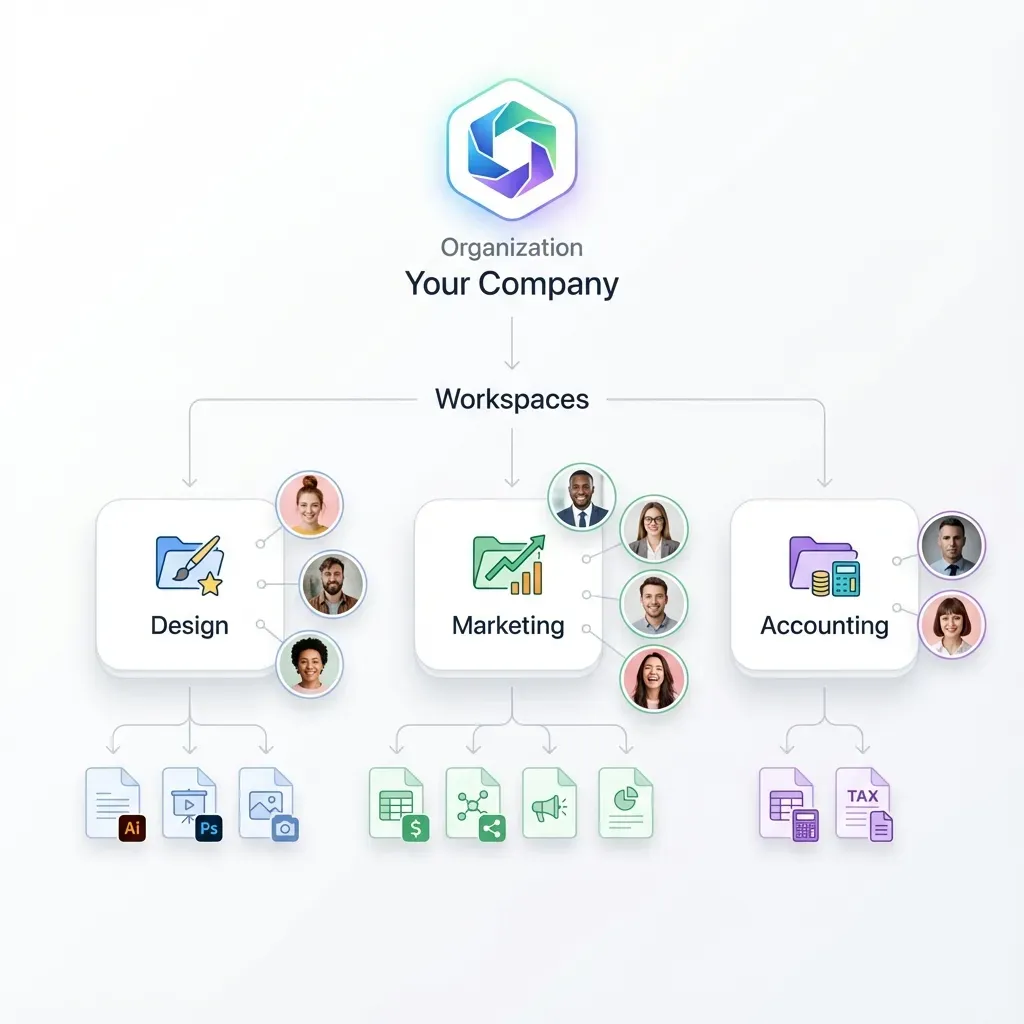


Simplify Document Exchange for Your Real Estate Transactions
Fastio gives transaction coordinators a secure workspace for collecting and delivering documents across all parties. Generous storage, branded share links, and audit trails. Built for real estate transaction coordinator software workflows.
AI-Powered and Emerging TC Platforms
5. ListedKit AI
ListedKit is the newest entrant with the most aggressive AI positioning. Its AI assistant, Ava, reads purchase agreements automatically and extracts key dates, parties, and terms in two to three minutes, a task that takes most TCs 20 minutes or more by hand.
Key strengths:
- AI contract reading is a genuine differentiator, not a marketing label on basic automation
- Pay-per-use model means no monthly overhead for lower-volume coordinators
- Unlimited team members share a credit pool with no per-seat fees
- Automatic task list creation from extracted contract data
Limitations: Pay-per-use can get expensive at scale ($9.99 per transaction adds up quickly as deal volume climbs). The platform is newer with a smaller user community and less track record than established tools.
Pricing: $9.99 per contract intake, with bulk discounts up to 60% off. First transaction is free. No monthly subscription or setup fee.
Best for: TCs who want AI-assisted contract processing and handle fewer than 25 transactions per month, where the per-transaction model stays competitive.
6. Trackxi
Trackxi takes a visual-first approach to transaction management. Deals display on a Kanban-style timeline, and the platform includes AI-powered document data extraction to speed up transaction creation. A free tier with CRM and prospect management makes it easy to test before committing.
Key strengths:
- Visual deal timelines are more intuitive than spreadsheet-style views
- AI document extraction pulls key data from sales documents automatically
- SkySlope integration on Pro Plus tier works for brokerages already using SkySlope
- Free tier includes CRM features, which is unusual in TC software
Limitations: Smaller user community than Dotloop or SkySlope. AI features are still maturing. Pricing details beyond the Essential tier require contacting sales.
Pricing: Free tier for CRM, with paid Essential, Pro, and Enterprise tiers available for teams.
Best for: Teams that prioritize visual deal tracking, modern UX, and want to start with a free tier.
7. Qualia
Qualia sits on the title and escrow side of the transaction rather than the agent side. Over 500,000 title, escrow, mortgage, and real estate professionals use it. For TCs, the value is in Qualia Connect: a secure portal where all parties exchange documents and track closing progress in real time.
Key strengths:
- Qualia Connect gives TCs direct visibility into the title company's closing timeline
- AI-powered closing disclosure balancing catches fee discrepancies automatically
- Remote online notarization support reduces in-person closing requirements
- Automated pre-closing information collection from buyers and sellers
Limitations: It's a title-company-first platform, so TCs are secondary users. Pricing isn't publicly listed and is reportedly higher than average. Not a standalone TC workflow tool.
Pricing: Contact for quote. Typically positioned at the higher end of the market.
Best for: TCs who work closely with title companies already on Qualia and want direct visibility into the closing process.
Solving the Document Sharing Gap
Most TC software handles internal document organization well. The persistent pain point is the external document flow: getting the right files to the right parties securely, collecting documents back from clients who aren't tech-savvy, and maintaining an audit trail across the entire exchange.
Email attachments are still the default for most of this communication, and they create problems TCs know too well. Version confusion when a buyer sends the wrong disclosure back. Large inspection reports bouncing because of inbox size limits. No confirmation that a lender actually received the conditions package.
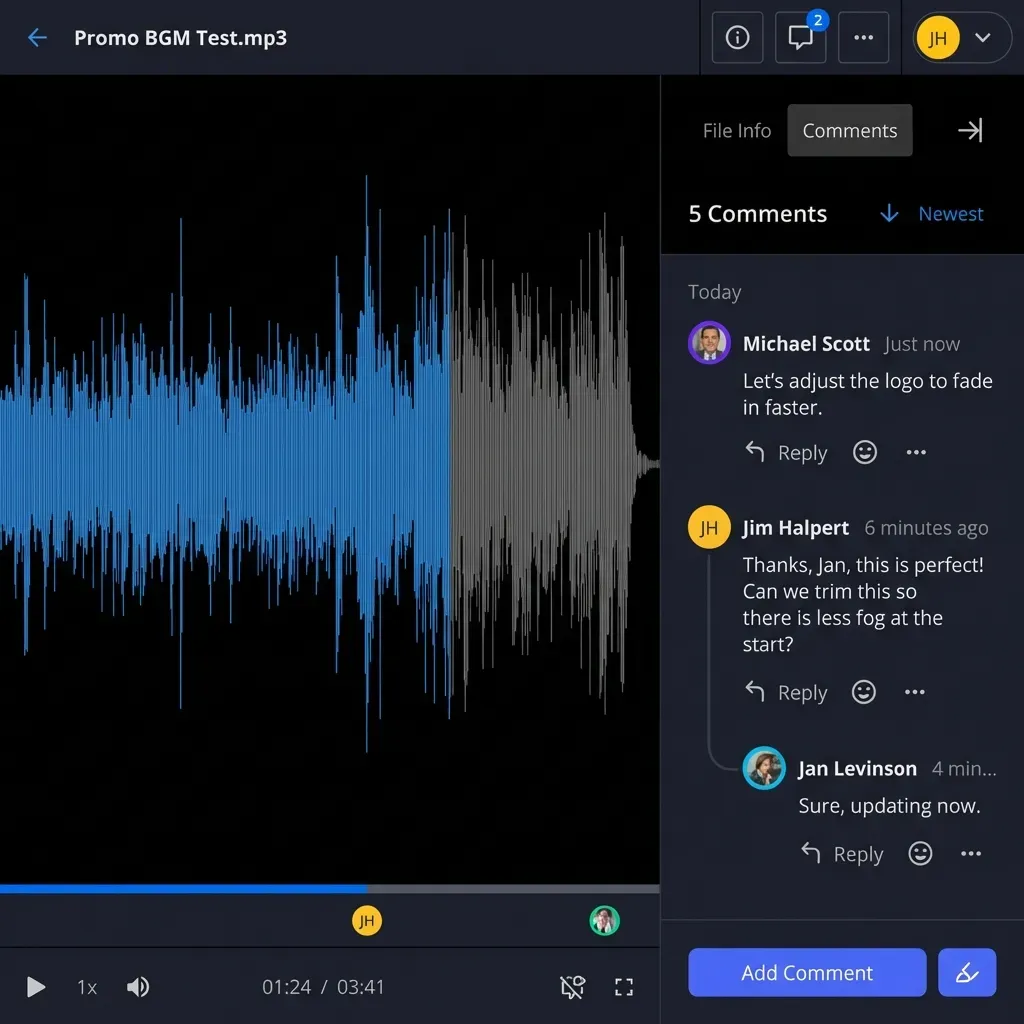
This is where a dedicated file sharing layer adds value alongside your TC platform. Fastio workspaces handle the external document exchange that TC software often leaves to email:
- Receive shares let TCs collect documents from buyers, sellers, and vendors without email attachments. Each party gets a branded upload link, and incoming files land in an organized workspace with timestamps and audit entries.
- Send shares deliver document packages to any party with download tracking, so TCs can confirm when a lender opened the conditions package or when a buyer accessed the disclosure set.
- Granular permissions control who can view, download, or upload at the workspace, folder, and file level. Title companies see closing documents. Buyers see their disclosure package. Neither sees the other's files.
- Audit trails log every file operation, download, and access event, which supplements the compliance trail in your TC platform.
- Intelligence Mode indexes uploaded documents once enabled for the workspace, supporting semantic search and AI chat. Ask "What's the inspection contingency deadline for 123 Main Street?" across a workspace full of transaction documents and get a cited answer.
Fastio offers a 14-day Business Trial (card required; see /pricing/), which covers the document exchange needs for most independent TCs. For brokerages running higher volume, plans include Starter ($9.99/mo), Business ($49.99/mo), and Enterprise ($199.99/mo) with usage-based credits.
Choosing the Right TC Software Stack
No single tool does everything well. The most effective TC setups combine a transaction management platform with complementary tools for the parts it doesn't cover.
If you're an independent TC managing 10-30 transactions/month: Start with Dotloop or Paperless Pipeline for core transaction management. Add a file sharing workspace for external document collection and delivery.
If you're a brokerage TC team focused on compliance: SkySlope gives you the audit trail and compliance checklists your broker needs. Pair it with a secure sharing platform for client-facing document exchange.
If you're a high-volume TC company: Open to Close handles the automation. ListedKit's AI contract reading can cut intake time . Use a centralized file workspace to manage the document flow between your team and all external parties.
If you want to test AI-first coordination: ListedKit and Trackxi both offer low-commitment entry points. ListedKit's pay-per-transaction model and Trackxi's free tier let you evaluate AI features without a monthly commitment.
The document management challenge in real estate isn't going away. Each transaction still generates dozens of documents that need to flow between parties who use different tools, check email at different frequencies, and have different technical comfort levels. The right combination of TC software and secure document sharing closes that gap.
Sources
References used to verify factual claims in this guide.
-
Transaction coordinators manage 30 to 50 active transactions simultaneously
-
Dotloop reportedly handles roughly half of all real estate transaction management nationally
-
Over 500,000 title, escrow, mortgage, and real estate professionals use Qualia
-
Paperless Pipeline holds 4.7/5 on G2 and 5.0 on Capterra
Frequently Asked Questions
What software do real estate transaction coordinators use?
Most TCs use a dedicated transaction management platform like Dotloop, SkySlope, Paperless Pipeline, or Open to Close. These handle task tracking, compliance checklists, and document organization. Many TCs also use e-signature tools (built into Dotloop and SkySlope, or standalone DocuSign), a CRM for client communication, and a file sharing platform for collecting and delivering documents to external parties.
How much does transaction coordinator software cost?
Pricing varies widely by model. Dotloop Premium costs $31.99/month for unlimited transactions. Paperless Pipeline starts at $75/month based on transaction volume with unlimited users. SkySlope starts around $25/month. Open to Close starts at $99/month and scales for high-volume operations. ListedKit uses a pay-per-transaction model at $9.99 per contract intake with bulk discounts.
What does a real estate transaction coordinator do?
A TC manages the administrative side of real estate transactions from contract to closing. This includes tracking deadlines, collecting and organizing documents from all parties, coordinating signatures, managing disclosure deliveries, communicating with lenders and title companies, ensuring compliance with brokerage requirements, and preparing files for broker review. Most TCs handle 30 to 50 active transactions at once.
How do transaction coordinators manage documents?
TCs use transaction management software to organize documents by deal and track which items are complete, pending, or missing. For external document exchange, they rely on e-signature platforms, secure file sharing links, and client portals. The most effective TCs combine their TC platform's internal organization with a secure sharing tool for collecting documents from buyers, sellers, lenders, and title companies without relying on email attachments.
What is the difference between TC software and a CRM?
A CRM manages client relationships and lead tracking before a deal is signed. TC software manages the transaction workflow after a contract is executed: document collection, deadline tracking, compliance checklists, and multi-party coordination through closing. Some platforms like Trackxi include basic CRM features, but most TCs use separate tools for each function.
Related Resources

Simplify Document Exchange for Your Real Estate Transactions
Fastio gives transaction coordinators a secure workspace for collecting and delivering documents across all parties. Generous storage, branded share links, and audit trails. Built for real estate transaction coordinator software workflows.