Tenant Portal Software: Document Sharing for Property Managers
Tenant portal software gives property managers a branded workspace for sharing leases, notices, and move-in documents with renters. Most guides focus on rent collection, but document delivery is where portals either save hours or create liability. This guide covers what to look for, common setup mistakes, and how to pick a tool that fits a small or mid-sized portfolio.


What Tenant Portal Software Actually Does
Tenant portal software gives property managers a branded workspace for sharing leases, notices, and move-in documents with renters. In practice, it sits between your property management system and your tenants: the PMS runs accounting and rent collection, while the portal handles the human-facing documents that make up the lifecycle of a tenancy.
A full tenant portal usually covers four jobs:
- Document delivery: leases, addenda, renewal offers, move-in packets, inspection reports, and notices
- Tenant self-service: pulling up a signed lease at 11pm without emailing the office
- Communication logs: a traceable record of what was sent, when, and whether it was opened
- Identity and access: making sure only the tenants on the lease can see the lease
Most property managers already have rent collection figured out. The gap is in the paper trail. The average residential lease runs 40 or more pages once you include addenda, riders, and local disclosures. Tenants request those documents three to five times a year, usually during tax season, at renewal, or when they apply for something that needs proof of residence. If your answer is "let me dig through my sent folder," you have a document problem, not a rent problem.
Helpful references: Fastio Workspaces, Fastio Collaboration, and Fastio AI.
Related guides
- How to Use AI for Property ManagementAI for property management refers to the use of artificial intelligence tools and agent workflows to automate tenant...
- How to Set Up a Real Estate Client Portal for Document SharingA real estate client portal is a secure, branded online workspace where agents share transaction documents,...
- 8 Best Real Estate Transaction Coordinator Software Tools for Document ManagementGuide to real estate transaction coordinator software: Transaction coordinators juggle 40+ documents per deal across a...
- How to Set Up a Secure Document Portal for Your Title CompanyTitle companies handle some of the most sensitive documents in any real estate transaction, from wire instructions to...
- Real Estate Document Management Guide for AgentsReal estate document management is the systematic organization, storage, and sharing of property transaction documents...
- How to Run Commercial Property Due Diligence with a Secure Data RoomCommercial property due diligence involves reviewing 50 to 100+ documents across financial, legal, environmental, and...
More on this subject: Real Estate (21 guides)
Why Document Delivery Deserves Its Own Category
Most articles about tenant portals focus on rent: ACH, autopay, late fees, reminders. That coverage is fine but leaves out the part that creates the most friction and legal exposure.
Consider what actually gets sent between a manager and a renter over a year:
- Signed lease and renewal
- Move-in condition report and photos
- Security deposit receipts and, later, the itemized return
- Notices: entry, rent increase, lease violation, non-renewal
- Maintenance work orders and vendor reports
- Insurance certificates and pet agreements
- Utility transfer letters and HOA rules
Each of these has a retention requirement and, in many states, a specific delivery standard. Email works until a dispute happens, at which point "I sent it" is not the same as "they received it." A real tenant portal captures delivery timestamps, read receipts where appropriate, and a version history so you can show the exact document that was active on a given date.
This is also where the branded side matters. A portal page at documents.yourcompany.com looks like you. A Gmail attachment looks like anyone.
Features Property Managers Actually Need
Ignore the demo theater. Here is the shortlist that separates a useful portal from marketing copy.
Per-tenant access controls
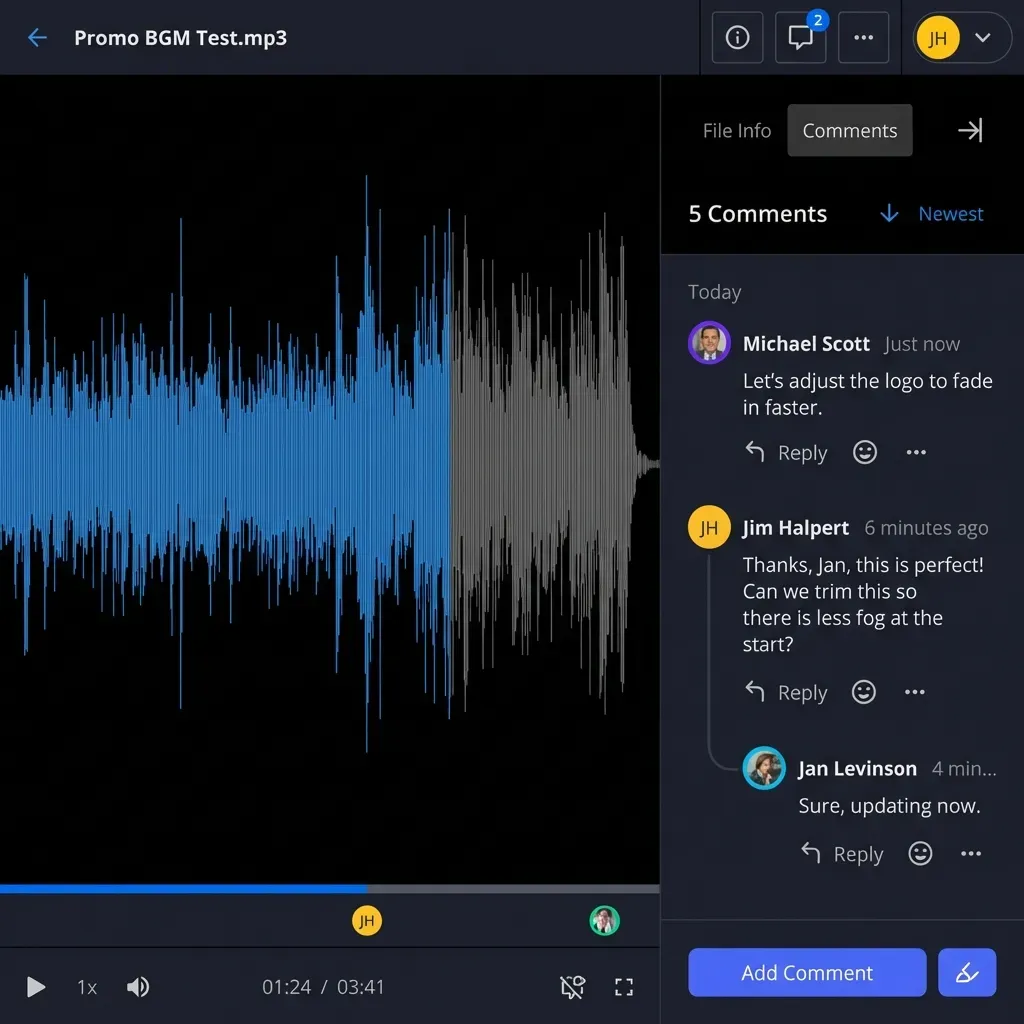
A tenant on unit 4B should never see unit 4C. Look for granular permissions at the folder and file level, not just account-level access. Portals that only offer "all tenants see everything" or "each tenant sees their own account" break down when you have co-tenants, guarantors, or property owners who also need a view.
Audit trails
Every upload, download, and view should be logged with a timestamp and an IP address. During a deposit dispute or eviction, that log is often the fast way to establish notice. If a vendor cannot show you an audit trail on the demo, assume there is not one.
Version control
Leases get amended. Addenda get signed mid-term. If the portal overwrites files silently, you lose the paper trail. You want versioning that keeps prior copies with dates attached.
Branded shares
Tenants should not have to create an account on a random SaaS domain to download their own lease. Branded links, custom subdomains, and optional password protection make the experience feel like it belongs to your company, not the software vendor.
Mobile-friendly uploads and downloads
Tenants live on their phones. Move-in photos, renters insurance certificates, and pet documents almost always come from a mobile device. If the tenant side of the portal is a clunky desktop-first site, adoption will stay low.
Simple admin UX
You or your leasing coordinator will spend more time in the admin than the tenant will. Prioritize tools that let you drag and drop a folder of documents, assign access by lease, and send a branded share link in under a minute.


Run a cleaner document workflow for your tenants
Fastio gives property managers branded tenant shares, per-lease permissions, and audit trails with a 14-day Business Trial.
Common Setup Mistakes
Most tenant portal deployments fail quietly, not loudly. The software works. Adoption is just bad. These are the patterns that cause it.
Asking tenants to sign up before they need anything. Forcing account creation at move-in, before the tenant has a reason to log in, leads to forgotten passwords six months later. Deliver documents with a simple share link, then let the tenant upgrade to a full account when they want to self-serve.
Sharing at the property level instead of the lease level. If you share a folder called "123 Main St" with a tenant, they will often see prior leases, old vendor invoices, or owner statements you never meant to expose. Structure folders around the active lease, not the physical address.
No offboarding process. When a tenant moves out, their access should be revoked on a schedule, not forgotten. A portal without a move-out checklist becomes a long tail of ex-tenants with read access to documents they no longer should have.
Treating the portal as a PDF dumping ground. If you upload 40 files with names like scan_0423.pdf, the portal is not useful. Invest one hour up front to label files consistently: Lease - Signed - 2025-07-01.pdf, Move-In Inspection - 2025-07-01.pdf, Security Deposit Receipt.pdf.
Ignoring state notice requirements. Some states still require physical delivery or certified mail for specific notices. A portal is a supplement, not always a substitute. Talk to a local attorney before you replace a statutory delivery channel with a login screen.
How Fastio Fits Into a Property Management Stack
Fastio is not a property management system. It does not collect rent, run background checks, or generate a ledger. What it does well is the document side of the tenant relationship, which is the part most PMS tools handle awkwardly.
A typical setup looks like this:
- Your PMS (AppFolio, Buildium, Baselane, Rentec, or similar) runs rent, accounting, and maintenance
- Fastio runs the document portal, branded shares, and the audit trail
- Signed documents and vendor reports land in a Fastio workspace organized by lease
Specific features that map to the portal use case:
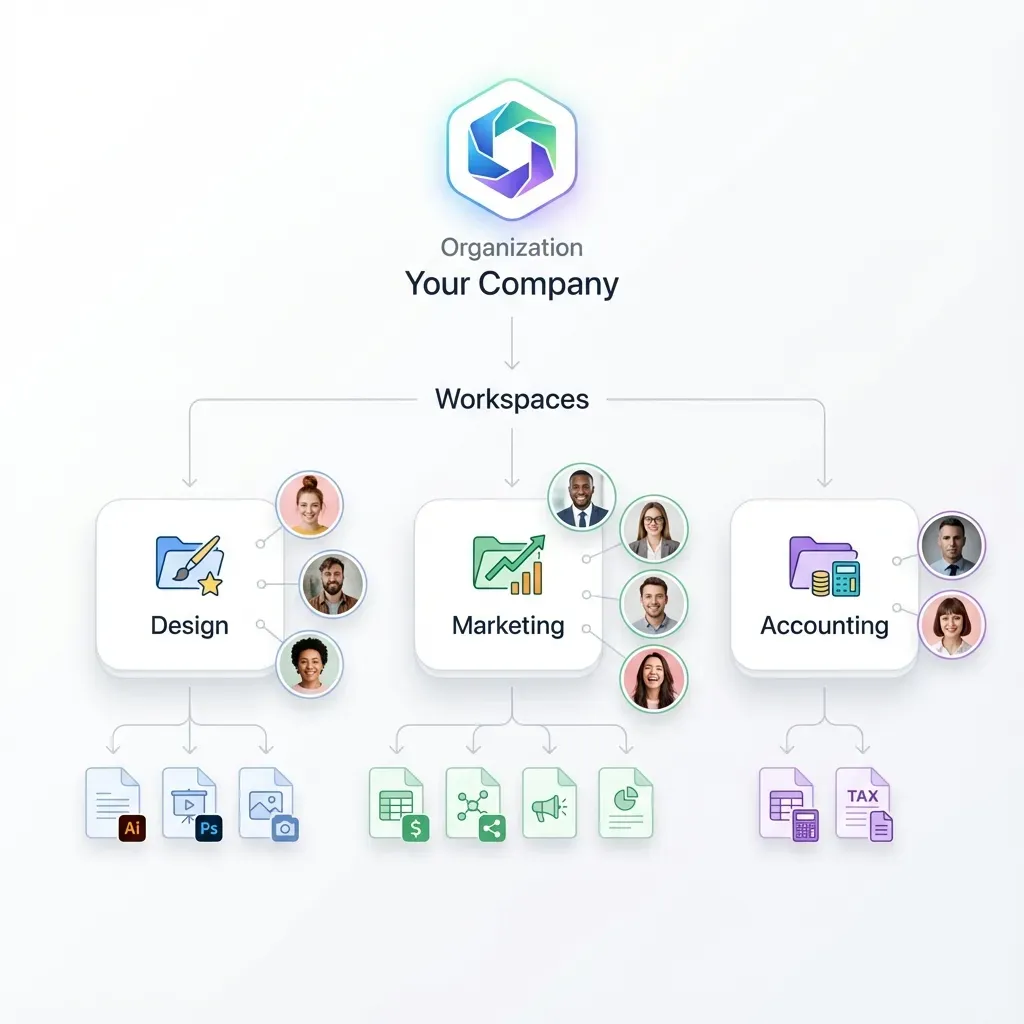
- Granular permissions at the org, workspace, folder, and file level let you share a single lease folder with a single tenant without exposing the rest of the property
- Branded shares (Send, Receive, and Exchange) give tenants a clean download page on your domain, not a generic SaaS URL
- Audit trails record every view, download, and upload with timestamps for dispute resolution
- File versioning preserves prior copies when a lease is amended
- Chunked uploads handle large inspection video and photo sets from mobile devices
- HLS video streaming is useful for walkthrough videos attached to a unit
- Intelligence Mode indexes documents for semantic search, so a renewal coordinator can ask "show me all addenda signed after July" and get citations back to the source files
- Activity polling and WebSocket events let you trigger a PMS update or script when a tenant uploads insurance or an agreement
Fastio offers a 14-day Business Trial (card required; see /pricing/), which is enough for a small manager handling a few dozen units to evaluate the workflow before committing.
One honest caveat: Fastio does not currently hold formal security or compliance certifications. For most residential portfolios that is not a blocker, but if you manage corporate housing for a regulated employer, check what their vendor review requires before moving sensitive documents over.
A Practical Folder Structure
Whatever tool you pick, the structure below survives scaling from 10 units to 500 without a migration.
/Properties
  /123 Main St
    /Unit 4B
      /Lease 2025-07-01
        Lease - Signed.pdf
        Move-In Inspection.pdf
        Security Deposit Receipt.pdf
        Addenda/
        Notices/
        Maintenance/
      /Lease 2024-07-01 (archived)
    /Unit 5A
  /456 Oak Ave
/Vendors
/Owner Reports
/Templates
Two rules make this work over time. First, never share above the lease folder. The tenant of 4B gets access to /Lease 2025-07-01, not the unit or the property. Second, archive old leases in place. Do not delete them and do not move them to a different system. When a tenant asks in 2029 for proof of residence from 2025, you will want the original folder intact.
If your tool supports templates, build one lease folder template with the subfolders already laid out. Every new tenancy should be a one-click instance of that template, not a fresh mental exercise.
Picking a Tool Without Overthinking It
For single-family rental operators and small portfolios, the decision usually comes down to three paths.
Stay inside your PMS. AppFolio, Buildium, and similar tools ship a basic tenant portal. It handles rent and surface-level documents. Use this if your document volume is low and you never have disputes. You will outgrow it the first time a tenant asks for a three-year-old signed addendum.
Use a general document tool. Google Drive, Dropbox, or Box with branded sharing. Cheap and familiar, but the permission model is clunky at scale and the branding is thin. Fine for 5 to 20 units if you are disciplined.
Use a workspace platform. Fastio, Egnyte, or a similar tool that gives you proper permissions, audit trails, and branded client-style shares. This is the right tier for 20-plus units or anyone who has ever lost a deposit dispute because of a missing paper trail.
The switching cost is lower than vendors want you to believe. If you structure your folders by lease from the start, migrating between tools is mostly a matter of moving files and reissuing share links.
Sources
References used to verify factual claims in this guide.
-
Average residential lease is 40+ pages with addenda and disclosures Tenants request documents 3-5 times per year
Frequently Asked Questions
What is tenant portal software?
Tenant portal software is a branded online space where property managers share documents, notices, and forms with renters. It typically includes secure access controls, audit trails, and either a shared website or account-based logins for each tenant.
How do landlords share leases securely?
The safest approach is a per-tenant folder inside a document portal with granular permissions, password-protected share links, and a logged audit trail. Email attachments work for one-off requests but do not provide the version history or access logs needed during a dispute.
Is a tenant portal different from a property management system?
Yes. A property management system runs accounting, rent collection, and maintenance ticketing. A tenant portal focuses on document delivery and self-service access. Some PMS tools include a basic portal, but they usually lack detailed permissions and audit trails for documents.
How many documents does a tenant usually need access to?
Over a typical lease year, a tenant will receive or request 15 to 30 distinct documents: the signed lease, addenda, move-in reports, deposit receipts, notices, and insurance or pet paperwork. Tenants pull these documents three to five times per year on average.
Can I use a generic file sharing tool instead?
For small portfolios, yes. Google Drive or Dropbox with careful folder permissions can work. Once you have more than about 20 units or start seeing deposit or notice disputes, the lack of branded shares and per-lease permissioning becomes a real liability.
What should I do when a tenant moves out?
Archive the lease folder in place, revoke the tenant's active access, and keep the audit log. Retention periods vary by state, but most property managers keep lease documents for at least the statute of limitations on a security deposit claim plus one renewal cycle.
Related Resources

Run a cleaner document workflow for your tenants
Fastio gives property managers branded tenant shares, per-lease permissions, and audit trails with a 14-day Business Trial.