How to Build a SharePoint Law Firm Site Template: Architecture and Matter Taxonomy
Standard SharePoint deployments fail law firms when generic folder structures collide with strict ethical walls, matter-centric organization, and privilege boundaries. Building an effective SharePoint law firm template requires dedicated site collections per matter, custom legal metadata schemas, and automated provisioning. This architecture guide details how legal IT teams configure document sets, manage permission inheritance, and structure client files for long-term retention.


Why Law Firms Need Matter-Centric SharePoint Architecture
When a law firm provisions a legal matter inside SharePoint using default team site settings, document libraries inherit permissions from the parent site collection. An associate working on an employment dispute can inadvertently search and view partner compensation files or privileged acquisition memos from an active corporate transaction. Standardizing a SharePoint law firm template replaces this ad-hoc permission inheritance with isolated site collections, structured legal taxonomies, and governed matter lifecycles.
The Failure of the File Share Model in Cloud Storage
For decades, law firms organized client records on local Windows file servers using mapped network drives like S:\Clients\AcmeCorp\Matter001\Pleadings. When firms migrate to SharePoint Online, administrators often attempt to recreate this exact nested directory tree inside a single document library. That directory tree immediately clashes with the architecture of cloud document management.
SharePoint Online enforces a 400-character limit on the total encoded URL path length. In a deeply nested folder hierarchy, paths easily exceed this ceiling:
https://firmname.sharepoint.com/sites/Legal/Shared%20Documents/Clients/Acme%20Corporation/2026%20Acquisition%20of%20Beta%20Holdings/Litigation%20and%20Disputes/Pleadings/State%20Court%20Filings/Amended%20Complaint%20Exhibits/Exhibit%20A%20-%20Master%20Services%20Agreement%20Final.pdf
When a path exceeds 400 characters, users experience sync failures in the OneDrive sync client, broken desktop attachment links in Outlook, and failed automated backup jobs.
The 5,000-item List View Threshold presents a second operational hurdle. A SharePoint document library can store up to 30 million files, but database queries that filter across unindexed columns fail when scanning more than 5,000 items in a single container. Deep folder hierarchies do not partition SQL queries efficiently. When paralegals attempt to sort a folder containing thousands of discovery documents by date, SharePoint throws a threshold error.
Permission inheritance sprawl introduces severe compliance vulnerabilities. In SharePoint, breaking inheritance on subfolders creates unique access control lists. When a document library accumulates thousands of unique permission scopes, search indexing slows, permission auditing becomes unreliable, and administrators lose track of who holds access to sensitive matter materials.
Modern Architecture: Dedicated Site Collections and Practice Hubs
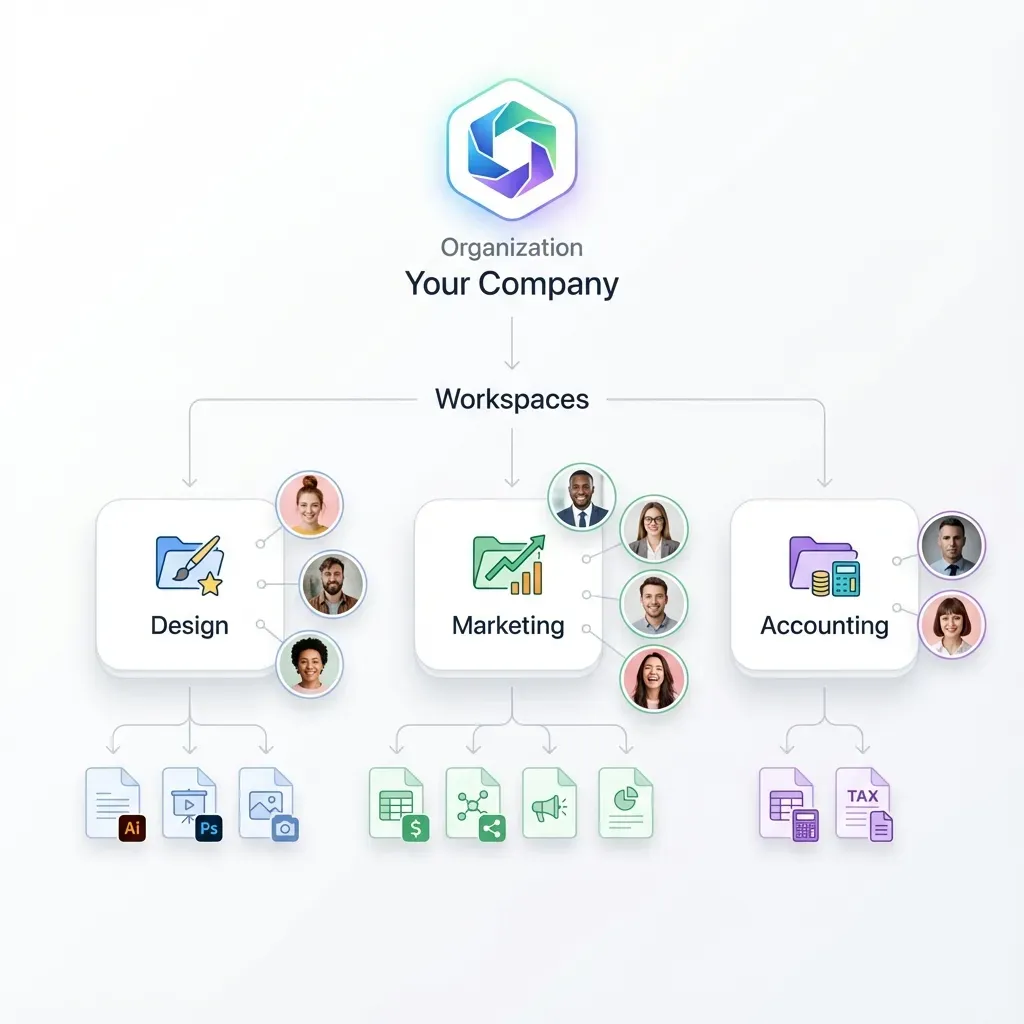
The modern standard for law firm document management software in SharePoint Online is a flat, matter-centric architecture. Every active matter receives its own modern SharePoint team site collection rather than a subsite or folder.
Subsites are deprecated in modern SharePoint development. Modern site collections provide distinct security boundaries, independent storage quotas, separate Recycle Bins, and isolated audit logs.
"A SharePoint law firm template is a pre-configured site or document library definition that standardizes legal metadata, folder structures, permission levels, and versioning across every active client matter."
To organize thousands of individual matter sites without administrative chaos, legal IT architects connect matter sites to SharePoint Hub Sites. A law firm establishes hub sites for core practice areas: Commercial Litigation Hub, Corporate M&A Hub, Intellectual Property Hub, and Real Estate Hub.
When IT provisions a new matter site, automation joins the site to the relevant practice hub. The matter site inherits global navigation, firm branding, and hub-level search capabilities while maintaining strict permission boundaries.
Related guides
- FileTrail Records Management: Law Firm Information Governance GuideLaw firms handle an expanding volume of paper archives, DMS files, and outside counsel compliance mandates. FileTrail...
- Legal Tech Solutions: The Modern Law Firm Technology GuideLegal tech solutions encompass software applications and digital platforms engineered to coordinate legal operations,...
- Practice Management Software for Law Firms: Operations & Architecture GuidePractice management software for law firms coordinates matter records, legal calendaring, time capture, and client...
- Cloud-Based Legal Practice Management Software: Architecture, Security, and File WorkspacesCloud-based legal practice management software centralizes matter tracking, billing, and document administration on...
- Law Practice Management Software Reviews: Operational Feedback and RatingsLaw practice management software reviews aggregate verified ratings and operational feedback from attorneys and firm...
- Law Firm Data Security: Operational Guide to Protecting Matter Files and Client DataLaw firm data security requires strict technical controls, matter-level workspace isolation, and encrypted document...
More on this subject: Legal Teams (197 guides)
Legal Matter Taxonomy and Document Set Configuration
Attorneys and paralegals lose billable time hunting through folder trees because folder names reflect individual filing habits rather than consistent practice standards. One associate files a brief under Briefs/2026/May, while another creates Court Filings/Briefs/Drafts. Metadata replaces subjective folder structures with objective, searchable classification. Every document uploaded to the library receives standardized properties that enable instant filtering, sorting, and search grouping.
Document Sets: Structured Containers for Legal Work
A completely flat library can disorient legal staff accustomed to grouping documents by motion or transaction phase. To combine the structure of folders with the query power of metadata, legal IT teams deploy SharePoint Document Sets.
A Document Set is a specialized content container that groups related files while sharing metadata across every item within the set. When a paralegal creates a Document Set for a specific motion, closing binder, or deposition file, they enter the matter number, client name, and responsible attorney once. Every document uploaded into that Document Set inherits those properties automatically.
For example, a Document Set named MSJ-Acme-v-Beta carries the matter number, practice group, and client name. Depositions, affidavits, and exhibit PDFs uploaded into that set receive those tags without manual entry, saving hours of administrative tagging during case preparation.
Recommended Legal Taxonomy Schema
Legal document management software requires a consistent metadata schema across all matter libraries. Define these core columns to support matter tracking, conflict checks, and retention rules:
Centralizing Taxonomy in the Content Type Gallery
Creating metadata columns directly on an individual site library is an administrative anti-pattern. If a firm manages hundreds of active matter sites and decides to add a new document type choice, updating every library manually is impossible.
Legal IT teams build the schema inside the SharePoint Content Type Gallery, formerly known as the Content Type Hub. Administrators create a parent site content type named Legal Matter Document that inherits from the base Document type. Site columns attach to this parent content type.
Publishing the content type pushes the schema across the entire Microsoft 365 tenant. When a new matter site provisions, it subscribes to the central gallery and receives the approved schema. Any future field additions propagate to every matter library across the firm.
Steps to Build and Provision the SharePoint Matter Template
Deploying matter sites manually leads to configuration drift, missed security groups, and inconsistent library views. Establishing a standardized, automated legal matter template requires a structured 5-step checklist.
5-Step Checklist for Establishing a Legal Matter Template
- Define Site Columns and Content Types in the Content Type Gallery.
- Configure the Legal Document Library with Document Sets and Default Views.
- Establish Permission Groups and Break Root Inheritance for Ethical Wall Enforcement.
- Export the Site Template using PnP PowerShell.
- Build the Automated Matter Provisioning Flow with Power Automate.
Step 1: Define Central Content Types
Navigate to the SharePoint admin center and open the Content Type Gallery. Create site columns under a custom group named Legal Taxonomy. Build the Legal Matter Document content type and add the standard columns. Set required fields, such as Client Name, Matter Number, and Legal Document Type. Publish the content type to syndicate it tenant-wide.
Step 2: Configure the Reference Document Library
Provision a reference SharePoint team site named Template-LegalMatter to serve as the master blueprint. Inside this site, create a document library named Matter Documents.
Open Library Settings and select Advanced Settings. Enable Allow management of content types. Add the Legal Matter Document content type and your custom Legal Document Set content type, then remove the default generic Document content type.
Configure library views that support legal workflows:
- All Documents View: Group by
Legal Document Type, sorted byModified Datedescending. Display columns forFile Name,Work Product Status,Responsible Attorney, andModified By. - Court Filings View: Filter specifically for documents where
Legal Document TypeequalsPleadingorMotion, sorted by filing date. - Discovery View: Filter for
DiscoveryandExhibits, displaying bates stamp or exhibit number fields.
In Versioning Settings, require major versioning with a minimum retention of 500 versions. This keeps a complete revision history for every brief, contract draft, and filing.
Step 3: Configure Security Groups and Isolate Permissions
Standardize three permission tiers on the site:
- Matter Owners (Full Control): Lead partners and billing attorneys responsible for the matter.
- Matter Members (Edit): Assigned associates, paralegals, and legal assistants actively working on the case.
- Matter Visitors (Read): Practice leaders, billing clerks, or consulting attorneys requiring read-only access.
Break permission inheritance from any parent hub site. Remove default domain visitors and the "Everyone except external users" security principal. Access must require explicit membership in the matter group.
Step 4: Extract the Template with PnP PowerShell
Do not use the deprecated web browser "Save site as template" option. Use PnP PowerShell to extract a clean, repeatable provisioning template:
Connect-PnPOnline -Url "https://firmname.sharepoint.com/sites/Template-LegalMatter" -Interactive

Get-PnPSiteTemplate -Out "LegalMatterTemplate.pnp" -Handlers Lists,Fields,ContentTypes,SiteHeader,RegionalSettings
This creates an open-source PnP provisioning file containing every column definition, view configuration, and library property without capturing test files or personal data.
Step 5: Automate Provisioning with Power Automate
When a new case opens in legal case management software like Clio, PracticePanther, or Filevine, the case management system sends a webhook payload to Power Automate. The payload includes the Client ID, Client Name, Matter Number, Matter Name, and Assigned Practice Group.
The automated flow executes provisioning steps:
- Calls Microsoft Graph or an Azure Automation runbook to create a modern team site at
https://firmname.sharepoint.com/sites/matter-$MatterNumber. - Connects to the new site and applies the template using
Apply-PnPSiteTemplate -Path "LegalMatterTemplate.pnp". - Associates the new site with the designated practice hub using
Add-PnPHubSiteAssociation. - Assigns the responsible attorney and staff to the site security groups.
Automated provisioning provisions complete, governed matter workspaces in minutes, eliminating manual site setup errors.


Protect client privilege and organize legal matters without IT overhead
Set up matter workspaces with granular permissions, branded client portals, and an append-only audit trail. Monthly plans include a 14-day free trial with a credit card.
Privilege Boundaries, Ethical Walls, and External Collaboration Boundaries
Law firms operate under strict confidentiality duties that differentiate legal IT architecture from standard corporate intranets. Ethical screens and privilege boundaries require deliberate isolation.
Enforcing Ethical Walls Without Administrative Chaos
When a lateral attorney joins a firm with a conflict of interest, or when a firm represents co-defendants with adverse positions, IT must erect an ethical wall. Screened attorneys must have zero visibility into restricted matter materials.
In an unstructured SharePoint deployment relying on folder-level permissions, search index leaks present a constant hazard. If permissions are misconfigured on a single subfolder, SharePoint's enterprise search surfaces document titles and text snippets to unauthorized personnel.
With matter-centric site collections, ethical walls become clean perimeter controls:
- The screened attorney is excluded from the site's Microsoft Entra ID security group.
- Because the site is an independent site collection, SharePoint search trims the entire site from the screened attorney's search results.
- For enterprise firms, Microsoft Purview Information Barriers allow administrators to define tenant-level policies that programmatically prevent conflicting practice groups from communicating or accessing each other's workspaces.
The Operational Friction of Native SharePoint External Sharing
Legal matters require frequent document exchange with outside counsel, clients, expert witnesses, and opposing counsel. Relying on native SharePoint external sharing introduces several operational challenges:
- Guest Account Proliferation: Sharing a SharePoint folder externally creates a guest user account in Microsoft Entra ID. Managing thousands of stale guest accounts creates security audit debt.
- Client Access Barriers: Many corporate clients work under strict endpoint management policies that block their employees from accepting guest invitations to external Microsoft 365 tenants.
- Privilege Leak Risks: A busy attorney attempting to send a large production file to opposing counsel can easily click the wrong sharing option, granting broader access than intended.
- Generic Delivery Interfaces: Standard SharePoint sharing links arrive as generic automated notifications that lack firm branding and frequently trigger client spam filters.
Hybrid Collaboration Architectures with Fast.io Workspaces
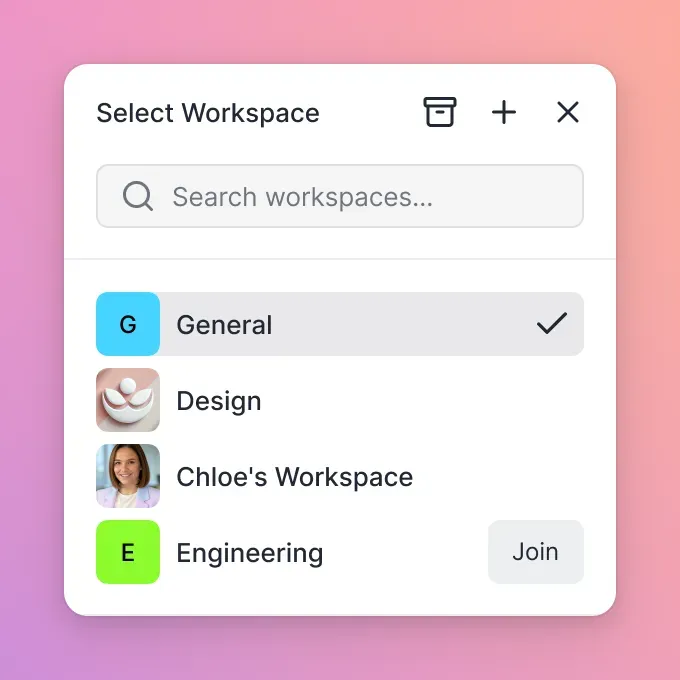
To deliver files securely without exposing internal SharePoint environments, many legal teams implement hybrid collaboration architectures. Internal work product lives within governed SharePoint matter libraries, while client-facing file exchange takes place through dedicated external workspaces.
Fast.io workspaces provide an external collaboration layer designed for legal and professional services teams:
- Branded Client Portals: Law firms deliver transaction bibles, discovery sets, and pleadings through branded client portals. Clients open shared links directly in their browser without creating Microsoft guest accounts or switching tenants.
- Controlled Sharing: Branded shares (Send, Receive, Exchange) support password protection, specific expiration dates, and the ability to disable file downloads for confidential document review.
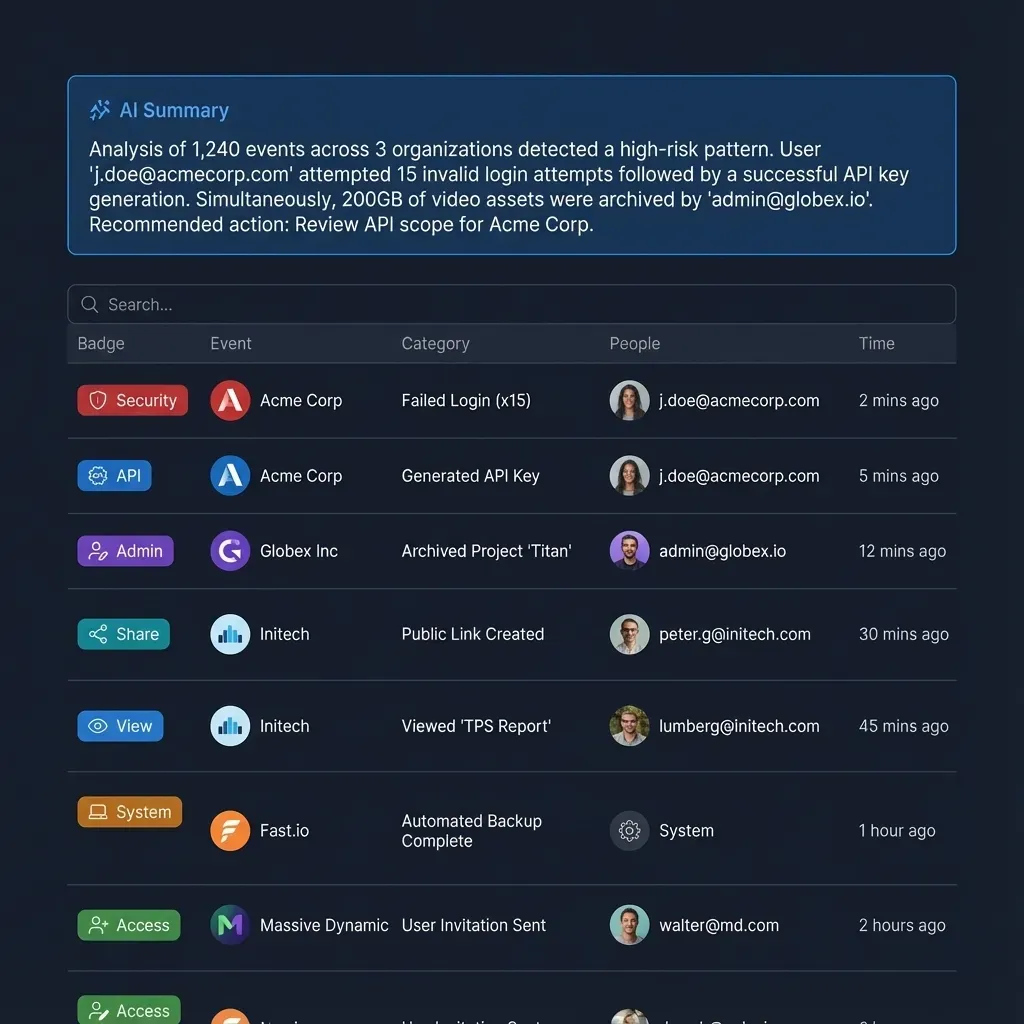
- Append-Only Audit Log: Every file upload, view, download, and share access is recorded in an immutable, append-only audit trail. This gives practice managers verified records of document receipt for court deadlines and discovery compliance.
- Cloud Sync for SharePoint and OneDrive: Workspaces connect directly to SharePoint libraries through the OneDrive connector. Files sync on a schedule or on demand in either direction, transferring client uploads into internal matter archives without manual downloading and re-uploading.
- Metadata Views: Using Metadata Views, legal teams convert incoming document batches, lease agreements, and invoices into structured tables. Natural language schemas extract contract counterparties, effective dates, and liability caps across scanned PDFs and Word documents without OCR templates.
- Built-In E-Signature: Firm administrators can send retainer agreements, engagement letters, and settlement releases for electronic signature directly from the workspace. Documents support sequential or parallel signers, optional one-time passcodes, and tamper-evident audit certificates that file back into the matter folder upon execution.
Matter Lifecycle Governance: Retention, Archiving, and De-Provisioning
A legal matter template must support the entire lifecycle of client representation, from initial intake through final disposition. Abandoning completed matter sites creates clutter, inflates storage costs, and increases liability during electronic discovery.
Formalizing Matter Closure in SharePoint
When a case concludes or a transaction closes, legal IT teams initiate a formal de-provisioning sequence:
- Freeze Permissions: Convert the site collection to Read-Only mode using PowerShell:
Set-SPOSite -Identity "https://firmname.sharepoint.com/sites/matter-1042" -LockState ReadOnly
This blocks file modifications, uploads, and deletions while preserving the site for legal precedent research.
2. Detach from Active Hubs: Disassociate the closed matter site from the active practice group hub and reassign it to an Archived Matters Hub. This removes the matter from active navigation menus while retaining central searchability.
3. Apply Retention Labels: Assign Microsoft Purview retention labels that prevent site deletion until the firm's required retention period elapses. Check with your firm's own counsel or records policy to determine appropriate retention schedules for specific practice areas and jurisdictions.
Managing Large Legal Files and Storage Overages
Litigation generates heavy multimedia and data files: multi-gigabyte video depositions, forensic phone extractions, and electronic discovery load files.
SharePoint Online storage overage costs can mount rapidly on standard Microsoft 365 plans. Inactive matters with heavy discovery archives inflate monthly IT overhead.
To control storage budgets, legal IT teams offload closed discovery archives and deposition video to secondary workspace storage. Fast.io workspaces accommodate large discovery files and media archives with predictable capacity, preserving access to closed case records without recurring SharePoint storage overage fees.
Long-Term Information Governance
Standardizing your SharePoint matter template establishes operational discipline across your practice. Explore our legal workspaces for additional practice management solutions. By pairing dedicated site collections and structured taxonomy with automated provisioning and secure external workspaces, legal IT teams protect confidential client files, maintain clear audit trails, and eliminate administrative friction across every active matter.
Sources
References used to verify factual claims in this guide.
-
A SharePoint document library can store up to 30 million files and folders. The entire decoded file path in SharePoint cannot contain more than 400 characters.
Frequently Asked Questions
How do I set up SharePoint for a law firm?
Setting up SharePoint for a law firm requires a matter-centric architecture rather than a generic department site. Create dedicated site collections for each active legal matter and link them to practice group hub sites. Define central site columns and content types for legal metadata, such as Client ID, Matter Number, and Legal Document Type, in the Content Type Gallery. Enable Document Sets within your document libraries to group case filings and automatically inherit matter properties. Finally, break permission inheritance to isolate each matter to assigned attorneys and staff.
Does Microsoft have a law firm template for SharePoint?
Microsoft does not offer a dedicated, out-of-the-box law firm or legal matter site template in SharePoint Online. Microsoft provides generic Department site templates and a Contracts Management team site template. Law firms and legal IT consultants build custom matter templates using PnP PowerShell or SharePoint Site Scripts to deploy pre-configured legal document libraries, Document Sets, custom metadata schemas, and role-based permissions.
How should legal matter folders be structured in SharePoint?
Legal matter folder structures should remain shallow to avoid exceeding SharePoint's 400-character URL path limit. Instead of deep subfolder nesting, legal IT teams use a standard set of top-level folders or Document Sets based on document lifecycle: Pleadings, Motions, Discovery, Correspondence, Work Product, and Closing Documents. Within those categories, flat metadata views filtering by Document Type, Filing Date, or Author replace deep subfolders. This keeps URLs short, prevents list view threshold errors, and improves search accuracy.
How do law firms handle ethical walls in SharePoint Online?
Law firms manage ethical walls by isolating matters into independent site collections rather than relying on folder-level permissions. In an isolated site architecture, IT administrators break inheritance at the site level and restrict access exclusively to screened matter teams. For enterprise deployments, firms configure Microsoft Purview Information Barriers, which programmatically prevent conflicting user groups from searching, discovering, or accessing each other's sites, documents, and collaboration channels.
What are the key technical limits to watch for when managing legal files in SharePoint?
The critical limits in SharePoint Online for legal practices include the 400-character total URL path limit, the 5,000-item List View Threshold, and the 5,000 unique permission scope ceiling per library. While a single library can store millions of files, queries that filter unindexed columns on libraries with more than 5,000 items will fail. Exceeding recommended unique permission scope thresholds degrades performance and creates security audit vulnerabilities.
Related Resources

Protect client privilege and organize legal matters without IT overhead
Set up matter workspaces with granular permissions, branded client portals, and an append-only audit trail. Monthly plans include a 14-day free trial with a credit card.