How to Use OpenClaw for Real Estate Automation
The average real estate agent takes over 15 hours to respond to a new lead inquiry, yet 78% of buyers work with the first agent who responds. OpenClaw, an open-source AI agent framework, closes that gap by automating lead follow-up, listing content, CRM updates, and transaction coordination on your own infrastructure. This guide walks through five core workflows, CRM integration, security considerations, and how to deliver client documents through shared workspaces.


Why Response Speed Decides Real Estate Deals
Agents who respond to leads within five minutes are 21 times more likely to qualify that lead compared to those who wait 30 minutes, according to InsideSales.com's lead response research. Meanwhile, the average agent takes 917 minutes to respond to a new inquiry. The math is brutal. Multiply that across a year of inquiries, and the cost of manual processes becomes concrete. OpenClaw is an open-source AI agent framework that runs continuously on your own infrastructure. It monitors inboxes, drafts personalized responses, updates CRM records, and generates listing content without waiting for you to open your laptop. A Canadian broker profiled by Inman in March 2026, Daniel Foch, reported that his OpenClaw-based assistant handles 70% to 80% of the administrative work that previously consumed 20 to 25 hours of his week. The opportunity here is not replacing the agent. It is reclaiming the hours spent on data entry, follow-up scheduling, and content formatting so you can spend that time on showings, negotiations, and client relationships. This guide covers how to set up OpenClaw for five real estate workflows, connect it to your CRM, handle security correctly, and deliver polished client documents through shared workspaces.
Related guides
- How to Choose Between Devin AI and Claude for Code AutomationDevin AI and Claude represent two distinct methodologies for automated coding, separating remote cloud-hosted...
- Manus AI Script Execution: Automation Setup GuideManus AI script execution and automation allows the agent to run Python, Node.js, and shell scripts in isolated cloud...
- How to Automate Email Workflows with OpenClaw AgentsOpenClaw agents can monitor inboxes, classify messages, extract data from attachments, and route actions through...
- How to Use OpenClaw with Playwright for Browser AutomationOpenClaw's Playwright integration turns AI agents into browser operators that can navigate pages, fill forms, extract...
- OpenClaw Examples: Practical Configurations, Skills, and Automation PatternsOpenClaw's ClawHub registry hosts over 44,000 skills, but finding complete, production-ready configurations still means...
- OpenClaw vs Zapier: How to Choose the Right Automation ToolOpenClaw is an autonomous AI agent that reasons through complex tasks dynamically. Zapier is a no-code workflow...
More on this subject: OpenClaw Setup and Guides (199 guides)
Five Real Estate Workflows OpenClaw Automates
OpenClaw's automation layer uses three mechanisms that map well to real estate work: cron scheduling for recurring tasks, heartbeat monitoring for continuous inbox and notification checks, and standing orders for persistent behavioral rules like "always respond to new leads within two minutes." 1. Lead Response and Follow-Up Sequences New leads arrive from Zillow, Realtor.com, your website, and direct email. When a new lead comes in, the agent drafts a personalized response based on the inquiry type, the property details, and your communication style. It is about having a system that never sleeps.
2. Listing Description Generation Writing MLS-compliant listing descriptions takes most agents one to two hours per property. OpenClaw transforms bullet-point property briefs into formatted descriptions, social media captions, and neighborhood overviews. Hand it the square footage, bedroom count, key features, and neighborhood, and it produces platform-specific versions tuned for MLS, Instagram, and email campaigns. The output still needs your review. No agent should publish listing copy without reading it.
3. CRM Sync and Contact Management OpenClaw connects to Follow Up Boss, kvCORE, LionDesk, and Salesforce through email-based input, API access, or automation hooks triggers. For CRMs with lead capture email addresses, the agent forwards structured contact data directly. For API-connected systems, it updates contact records, logs interactions, and advances pipeline stages automatically.
4. Showing Feedback Compilation After showings, buyers and their agents provide feedback through various channels: email, text, phone calls. OpenClaw aggregates this feedback into structured reports organized by property, date, and sentiment.
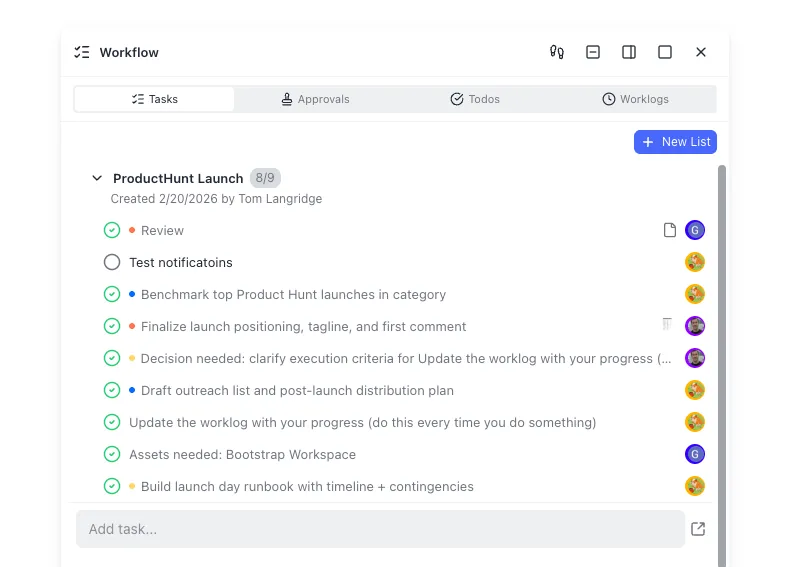
5. Transaction Milestone Tracking OpenClaw tracks deadlines for inspection periods, appraisal contingencies, title searches, and closing dates. It sends reminders before deadlines, flags overdue items, and generates status summaries for all parties. Task flow orchestration handles multi-step sequences where one milestone depends on another completing first.
How to Connect OpenClaw to Your Real Estate CRM
CRM integration is where most real estate agents start with OpenClaw, because the payoff is immediate. The connection method depends on your CRM.
Follow Up Boss exposes a well-documented API. OpenClaw reads and writes contacts, logs activities, and updates deal stages through authenticated API calls. The setup requires generating an API key in Follow Up Boss and providing it to your OpenClaw instance. Read-only access first. Enable write access after you have tested a dozen updates manually.
kvCORE works best through its lead capture email address. OpenClaw formats contact data and forwards it to kvCORE's intake address, which creates or updates the contact record. This avoids API complexity but limits what the agent can update. For full CRM control in kvCORE, automation hooks triggers handle status changes and pipeline movements.
LionDesk and Salesforce support OAuth-based connections. OpenClaw authenticates through the platform's standard OAuth flow, then operates within your permission scopes. Salesforce deployments benefit from creating a dedicated integration user with restricted permissions rather than connecting through your personal account.
Regardless of CRM, three practices prevent headaches:
- Run every integration in read-only mode for the first two weeks. Review what the agent would have changed before enabling writes.
- Create a test contact named "OpenClaw Test" and run your workflows against it before touching real leads.
- Set up a standing order that prevents the agent from deleting any CRM record. Updates and creates only.
Most CRM sync issues come from duplicate detection. OpenClaw matches contacts by email and phone number. If your CRM has contacts with no email or inconsistent phone formats, clean those records before connecting the agent.


Store and Share Real Estate Documents With Built-In Intelligence
A workspace where OpenClaw uploads listing presentations and buyer packets, you review them, and clients receive branded shares with access tracking and audit trails. Starts with a 14-day free trial.
Security and Data Isolation for Real Estate
Real estate transactions involve sensitive information: social security numbers for mortgage applications, bank wiring instructions, purchase agreements with financial terms. Granting an AI agent broad access to your business systems creates real risk if the deployment is not properly isolated. TrackXI's analysis of OpenClaw in real estate raised a valid concern: connecting the agent to systems that store contracts and financial records without isolation is a security gap. Their recommendation, which holds up, is that OpenClaw should never connect directly to transaction management platforms storing contracts or wiring instructions.
Practical isolation rules: - Run OpenClaw on a separate machine or cloud instance from your primary workstation. The point is network separation between the agent and systems holding sensitive financial data.
- Use dedicated email addresses for agent communication. Your main inbox, which receives wire instructions and confidential client documents, should be off-limits to the agent.
- Connect the agent to your CRM and marketing tools, not to your transaction management system. It drafts the showing feedback report, but does not access the purchase agreement.
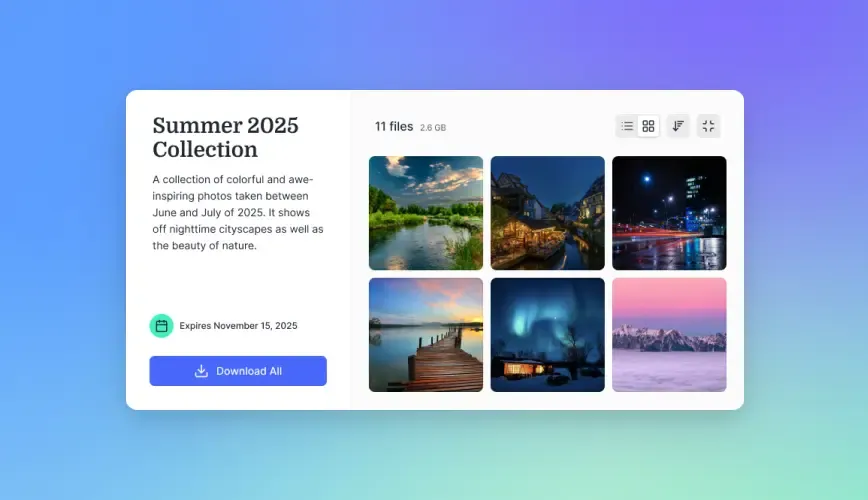
- Review the agent's output before it reaches clients. Automated lead responses are fine after you have validated the tone and accuracy. Transaction-related communications need human review every time. For document delivery, the separation between content creation and client-facing sharing matters. OpenClaw generates the listing presentation or buyer consultation packet. You review it. Then you share it through a controlled channel where you manage access, expiration, and audit trails rather than having the agent email files directly. Platforms like Fast.io fit this handoff pattern well. The agent uploads finished documents to a workspace. You review them. Then you create a branded share with per-recipient access, download tracking, and an audit log that records who accessed what and when. The agent never touches the share link distribution, so sensitive documents stay under your control.
Delivering Client Documents Through Shared Workspaces
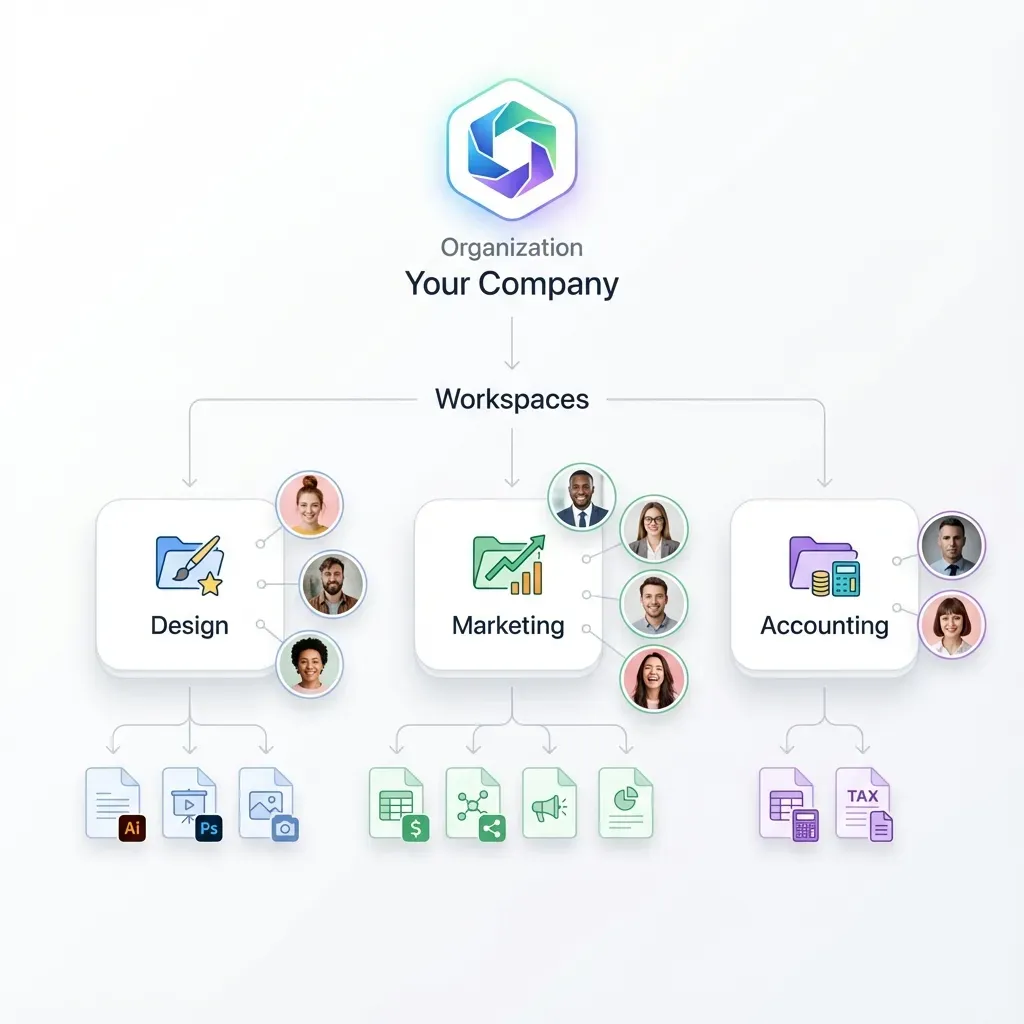
The last mile of real estate automation is getting polished documents to the right people. Listing presentations, comparative market analyses, buyer packets, and transaction summaries all need to reach clients in a format that looks professional and tracks engagement. Email attachments work for one-off sends, but they break down at scale. You lose track of which version a client received, whether they opened it, and who forwarded it to someone else. Google Drive and Dropbox links are better, but they were built for internal collaboration, not client-facing delivery with branding and access controls. Shared workspaces designed for external delivery solve this. On Fast.io, you create purpose-built shares for Send, Receive, and Exchange workflows. A Send share delivers your listing presentation with your branding, tracks who viewed it, and lets you revoke access when the listing sells. A Receive share lets clients upload their pre-approval letters, inspection reports, and other documents without email attachments. For real estate agents using OpenClaw, the workflow looks like this: 1. OpenClaw generates the document (listing description, CMA, buyer packet) and uploads it to your workspace. 2. You review the document in the workspace, making any edits needed. 3. You create a share with per-recipient access. Each client gets their own access link that you can revoke independently. 4. The workspace's audit log records every access event, giving you a clear chain of custody. Metadata Views add another layer for agents managing high volume. Upload a folder of signed disclosures, and the system extracts signer names, dates, property addresses, and document types into a sortable, filterable grid. No manual data entry. No spreadsheet maintenance. The extraction works across PDFs, images, scanned pages, and even handwritten notes. Fast.io's Intelligence Mode indexes uploaded documents automatically. Once your workspace has intelligence enabled, you can search across all your listing materials, client communications, and transaction documents by meaning, not just filenames. Ask "which properties had inspection issues in Q1?" and get answers with citations pointing to the source documents. For agents on OpenClaw who want MCP-native access, Fast.io exposes a consolidated MCP toolset through Streamable HTTP. The agent can upload files, create shares, and search documents through the same interface it uses for everything else. No separate SDK or custom integration code. Getting started requires a paid subscription.
Cost and Time Comparison
The financial case for OpenClaw in real estate comes down to three comparisons: doing everything yourself, hiring a virtual assistant, or running an AI agent.
Manual work: An agent handling five active listings and 20 leads per week spends roughly 15 to 20 hours on administrative tasks. Lead follow-up, CRM updates, listing content, showing feedback, and transaction tracking consume time that could go toward client-facing activities. They handle administrative tasks during business hours, require training on your systems, and need supervision. The good ones are excellent, but they are a fixed cost whether you have two listings or twenty.
OpenClaw agent: Managed OpenClaw deployments through providers like Blink start around $45 per month. The per-listing economics are stark. If creating a listing description takes two hours manually and 10 minutes with OpenClaw review, an agent with 10 listings per month saves roughly 19 hours on content alone. Add CRM automation, lead follow-up, and showing feedback, and the time savings compound. This does not mean OpenClaw replaces everything a VA does. Complex client negotiations, relationship management, and judgment calls still need a human. The agent handles the repetitive, schedulable work. A VA handles the exceptions and escalations. For document storage and delivery, factor in the cost of your sharing platform. Fast. That covers workspace storage, branded shares, document intelligence, and the audit trail that real estate compliance increasingly requires.
Sources
References used to verify factual claims in this guide.
-
Agents responding within 5 minutes are 21 times more likely to qualify a lead compared to those who wait 30 minutes The average real estate agent takes 917 minutes (over 15 hours) to respond to a new lead inquiry
-
Daniel Foch's OpenClaw assistant handles 70-80% of administrative work that previously consumed 20-25 hours per week
-
Managed OpenClaw deployments start around $45/month vs $1,500-$4,000/month for virtual assistants OpenClaw connects to Follow Up Boss, kvCORE, LionDesk, and Salesforce for CRM integration
-
OpenClaw should never connect directly to transaction management platforms storing contracts or financial records
Frequently Asked Questions
How do real estate agents use OpenClaw?
Real estate agents use OpenClaw to automate lead response, listing description generation, CRM updates, showing feedback compilation, and transaction milestone tracking. The agent monitors inboxes through heartbeat checks, drafts personalized responses, and schedules follow-up sequences using cron. Most agents start with CRM integration and lead follow-up, then expand to content generation and document workflows.
Can OpenClaw replace a real estate virtual assistant?
OpenClaw handles the repetitive, pattern-based work that consumes most VA hours, including data entry, follow-up scheduling, content drafting, and report compilation. However, it does not replace the judgment, relationship skills, and exception handling that a good VA provides. Many brokerages run both, with the agent handling routine tasks and a part-time VA managing escalations.
How do I connect OpenClaw to a real estate CRM?
The connection method depends on your CRM. Follow Up Boss supports direct API integration with read/write access to contacts and activities. kvCORE works through its lead capture email address for basic sync, or webhooks for pipeline management. LionDesk and Salesforce use OAuth-based connections. Start with read-only access for two weeks, test against a dummy contact, and enable writes only after validating the agent's behavior.
What does OpenClaw cost for real estate agents?
Managed OpenClaw deployments through providers like Blink start around $45 per month, which includes hosting, model access, and pre-built workflow templates.
Is OpenClaw safe to use with client financial data?
OpenClaw requires careful data isolation for real estate use. Run the agent on a separate machine or cloud instance from your primary workstation. Connect it to your CRM and marketing tools, but never to transaction management systems that store contracts, social security numbers, or wiring instructions. Use dedicated email addresses for agent communication. Review all client-facing output before distribution, and deliver sensitive documents through platforms with access controls and audit logs rather than through the agent directly.
Related Resources

Store and Share Real Estate Documents With Built-In Intelligence
A workspace where OpenClaw uploads listing presentations and buyer packets, you review them, and clients receive branded shares with access tracking and audit trails. Starts with a 14-day free trial.