How to Build a Manus AI Resume Builder Workflow
Building a Manus AI resume builder workflow allows job seekers to automate company research, analyze qualification gaps for specific roles, and compile tailored PDF resumes. When integrated with an intelligent workspace like Fast.io, the resulting resumes, cover letters, and research briefs are automatically indexed and persist across the job search lifecycle. This guide provides a step-by-step blueprint for configuring an autonomous browser agent to manage your application pipeline.

The Operational Shift to Agentic Resume Customization
Applicant tracking systems automatically filter out up to 75% of resumes before a human recruiter ever sees them [Jobscan 2026 Report]. This statistic represents a substantial barrier for qualified candidates whose application materials fail to match the precise algorithmic keywords expected by corporate parsers. For job seekers, this creates a major time sink, forcing them to spend hours tailoring bullet points for every application. However, manual customization is no longer the only path forward.
Building a manus resume automation workflow represents a fundamental shift in how candidates approach the job market. Instead of relying on static templates or simple chatbot prompts, job seekers can now deploy an autonomous browser agent that analyzes target job descriptions, cross-references them with their career history, and generates optimized application packages. By using manus resume automation, candidate profiles can be systematically aligned with employer requirements in minutes.
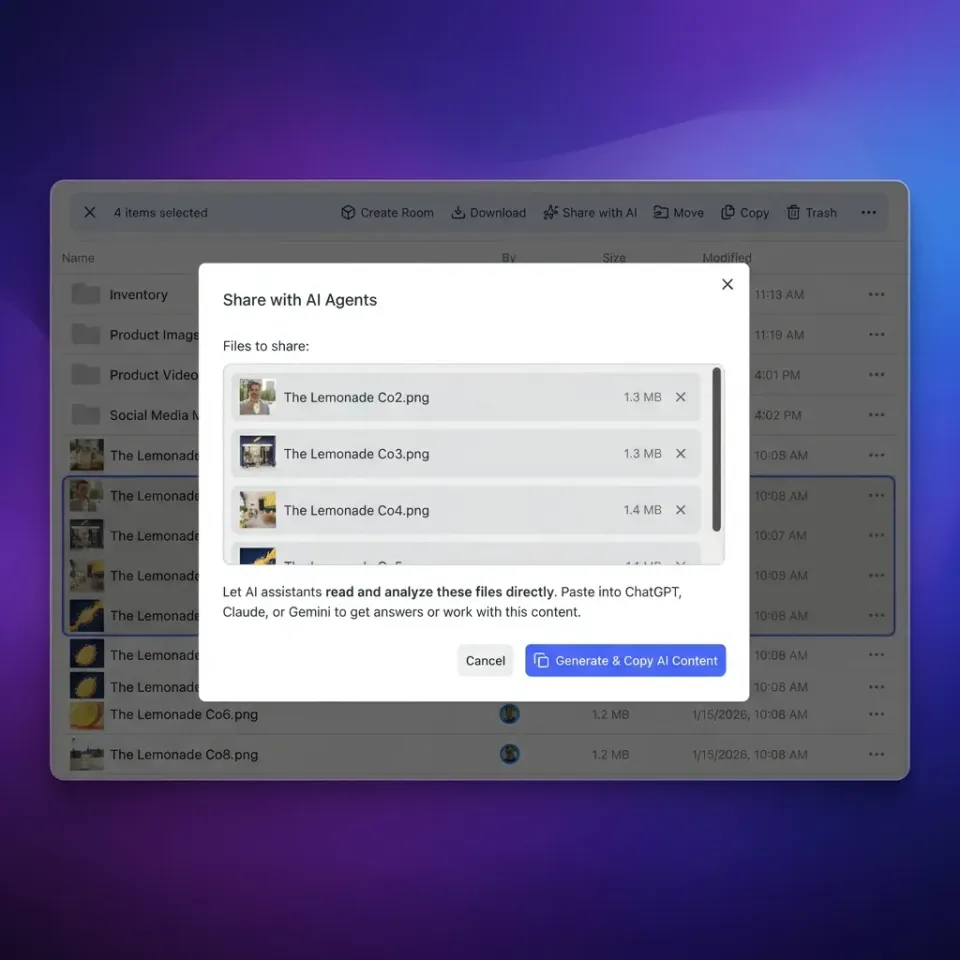
To run this workflow effectively, agents require more than just a prompt window. They need a persistent workspace where they can fetch raw resumes, compile background research, and save the final outputs. While traditional cloud storage options like Google Drive or local folders can store these files, they fail to provide the semantic index and agent tooling required for automated pipelines. An intelligent workspace like Fast.io solves this problem by exposing a consolidated Model Context Protocol toolset, allowing the agent to read and write files directly within a versioned, secure environment.
Related guides
- How to Build Custom Agents in OpenClawOpenClaw hit 3.2 million monthly active users in April 2026, yet most deployments still run a single default agent...
- How to Build a Hermes Agent Code AI Checker WorkflowA code AI checker workflow uses Hermes Agent subagents to analyze codebase pull requests for AI generation markers and...
- How to Set Up a Manus AI File Handoff WorkflowA Manus file handoff workflow is the automated pipeline that retrieves files from a completed agent task sandbox and...
- Is Manus AI Free? Free Plan, Credits, and LimitsManus AI is free to start on a limited-credit Free plan, but heavier autonomous agent work usually needs paid Pro or...
- How to Use the Manus AI API for Agent TasksFiles uploaded through the Manus API are automatically deleted 48 hours after upload, so production integrations need...
- How to Integrate the Best MCP Servers for Manus AI AgentsModel Context Protocol serves as an open standard for connecting artificial intelligence agents to external...
More on this subject: Manus (52 guides)
The Core Components of a Manus Resume Builder Pipeline
To build a reliable manus ai resume builder workflow, developers must combine multiple modular components. Traditional generative AI workflows are limited to simple text generation within a single chat window, requiring users to manually copy and paste text. In contrast, an autonomous workflow uses browser automation, real-time web search, and local file systems to run tasks end-to-end.
A production-grade pipeline consists of three core components:
The Ingestion Layer This layer stores the job seeker's raw background data, including career history, academic transcripts, certification credentials, and generic cover letters. Instead of using local storage which isolates the agent, developers use a cloud-based storage system. While generic cloud storage like Dropbox or Microsoft OneDrive provides basic file hosting, they do not offer native AI capability. An intelligent workspace like Fast.io automatically indexes files for semantic search, making them instantly accessible to the agent.
The Autonomous Agent (Manus AI) Manus operates as a browser agent that can interact with job portals, company career pages, and document editors. It uses its web browsing capability to research the target organization, analyzes the job description, and determines the optimal positioning for the applicant. It then drafts a tailored version of the resume and cover letter.
The Persistent Workspace and Handoff Layer Once the agent creates the new document, it needs to save it in a secure location where the candidate can access it. Because Manus processes work asynchronously, it writes the completed PDF resume and research summary back to the shared workspace. This allows the human candidate to review the drafts, request revisions, and finalize the application.
By separating the workflow into ingestion, execution, and storage, developers ensure that the pipeline remains stable even during complex multi-step runs. This structure also prevents data loss if the agent encounters an error during execution.
Step-by-Step Blueprint to Run the Manus AI Resume Builder Workflow
Executing a manus resume automation pipeline requires careful orchestration. Because Manus AI operates as an action engine, providing a structured sequence of instructions prevents the agent from getting stuck in loops or wasting execution credits.
Here is the five-step process to run a complete manus ai resume builder workflow:
Initialize the Shared Workspace and Upload Baselines Start by setting up a dedicated folder within your workspace. Upload your baseline resume, career biography, and sample portfolio files. If you are using Fast.io, make sure that Intelligence Mode is active on the workspace. This automatically indexes your baseline files, allowing the agent to retrieve relevant career facts through semantic query tools.
Define the Target Role and Instruct the Browser Agent Input the URL of the job posting or paste the complete job description into Manus. Instruct the agent to browse the target company's website to gather context about their mission, engineering stack, and corporate values. This research ensures the agent aligns the application with the company's culture.
Execute the Skill Gap Analysis Have Manus compare your baseline resume with the target job requirements. The agent identifies missing keywords, recommended certifications, and transferable skills. It compiles a gap report, highlighting areas where your background matches the role and sections that need modification.
Generate the Optimized PDF Resume and Cover Letter Instruct Manus to draft the revised resume text, incorporating the identified keywords naturally to ensure high ATS compatibility. The agent then uses its document generation capabilities to export the output as a clean, single-column PDF resume and a tailored cover letter.
Save the Deliverables and Trigger Human Review Once generated, the agent uploads the optimized PDF and cover letter back to the shared workspace. The new files appear in the workspace activity feed, letting the candidate know the draft is ready for final review.
According to the TealHQ 2026 Job Search Productivity Study, agentic customization can reduce application preparation time by 90% [TealHQ 2026 Study]. By automating the repetitive steps of research and drafting, candidates can focus their energy on interview preparation and networking.



Secure and organize your agentic job search assets
Get a dedicated workspace with automatic semantic indexing, custom file sharing controls, and structured document data extraction for your resume customization pipeline. Starts with a 14-day free trial.
Managing Document Structured Data with Metadata Views
When managing a large job search campaign, tracking dozens of customized resumes and target companies quickly becomes overwhelming. If you save files across local storage or generic folders, you have to manually open each PDF to verify the company name, target role, match score, and application status.
Intelligent workspaces solve this database problem natively. Fast.io provides Metadata Views, which turn static documents into a live, queryable database. When the manus ai cv generator outputs a tailored resume, it can also write structured metadata to a shared spreadsheet. Alternatively, you can describe the fields you want extracted in natural language, and Fast.io will design a typed schema to populate the grid.
For a job application workflow, you can define columns such as:
- Company Name (Text type)
- Target Role Title (Text type)
- ATS Match Score (Decimal type)
- Application Deadline (Date & Time type)
- Cover Letter Included (Boolean type)
- Portal Submission URL (URL type)
The platform's extraction engine parses the uploaded PDF files, identifies the relevant values, and populates the spreadsheet automatically. There are no templates or manual OCR rules to set up. If you decide to track a new metric, such as the salary range or the recruiter's name, you can add a column to your Metadata Views without reprocessing the existing files. This structured layer provides complete visibility over your career pipeline, allowing you to filter by upcoming deadlines or sort by match scores.
Persisting and Sharing Job Search Assets Safely
Job application workflows involve sharing sensitive personal information, including phone numbers, physical addresses, and detailed work history. Using email attachments or public file shares to send resumes exposes your data to security risks.
To secure your pipeline, you should store your assets in an isolated workspace with granular permissions. While basic cloud storage solutions allow you to share folders, they often lack detailed access controls and version tracking. When multiple agents or human reviewers collaborate, they need a system that prevents conflicted copies and maintains a clear audit trail.
Fast.io offers several advantages for persisting and sharing job search assets:
Granular Permissions You can restrict your workspace so that only specific recruiters or collaborators can access certain folders. Scoped access keys ensure that autonomous agents can only write files to their assigned directories.
Per-File Version History Every time Manus uploads a revised draft, the workspace preserves the full history. If you need to revert to a prior draft or compare changes, you can restore previous versions with a single click.
Branded Shares When sending your resume to external recruiters, you can use branded shares. These shares allow you to set passwords, disable downloads, or set expiration dates, ensuring that your documents are only accessible during the active hiring window.
Handoff and Ownership Transfer If you are a career coach building application pipelines for clients, you can manage the initial setup in a shared folder. Once the resumes and cover letters are ready, you can use the ownership transfer feature to hand over the organization to the client. The client can start their 14-day free trial, while you retain administrative access to support their progress.
Consolidating your application assets within an intelligent workspace keeps your data secure, organized, and ready for recruiter review.
Sources
References used to verify factual claims in this guide.
-
Applicant tracking systems automatically filter out up to 75% of resumes before a human recruiter ever sees them
-
Agentic customization can reduce application preparation time by 90%
Frequently Asked Questions
How do I write a resume using Manus AI?
To write a resume using Manus AI, you begin by uploading your existing resume or career biography as a reference document. You then provide the target job description or target company URL. Manus AI uses its browser agent capabilities to research the organization's requirements, identify key skills, draft a customized version of your resume, and generate a formatted PDF document.
Can Manus AI optimize my resume for ATS?
Yes, Manus AI can optimize your resume for Applicant Tracking Systems (ATS). The agent analyzes the target job description to extract core competencies and required keywords. It then cross-references these terms with your work history, naturally integrating the missing keywords into your bullet points and skills section to ensure the final PDF parses correctly in scanning software.
How does Fast.io support Manus AI resume builder workflows?
Fast.io acts as the persistent storage, version history, and data extraction layer for Manus AI workflows. Raw resumes and job descriptions are stored in a workspace, where Intelligence Mode indexes them for semantic search. Manus AI can fetch these files, write revised versions back to the workspace, and log details in Metadata Views. This allows you to track multiple customized resumes in a single, structured spreadsheet.
Related Resources

Secure and organize your agentic job search assets
Get a dedicated workspace with automatic semantic indexing, custom file sharing controls, and structured document data extraction for your resume customization pipeline. Starts with a 14-day free trial.