7 Best IT Team Collaboration Tools for 2026
IT teams need better ways to share files and logs without getting lost in email chains. This guide reviews seven top collaboration tools for IT teams, focusing on file sharing, cost, and how well they work with AI agents. Whether you're handling an outage or a routine deployment, these platforms help keep your team on the same page.


Why IT Teams Need Better Ways to Work Together
IT teams deal with high-pressure tasks like fixing outages, pushing deployments, and managing infrastructure. Every day, engineers and managers swap config templates, runbooks, and logs.
Using the wrong tools leads to version mix-ups and delayed access, which slows down fixes. A solid platform gives you one place for files, live editing, and instant alerts so everyone stays updated.
For DevOps teams, it is important that these tools talk to CI/CD pipelines and monitoring systems. Many teams are also starting to use AI agents to help with automated triage or generating configurations.
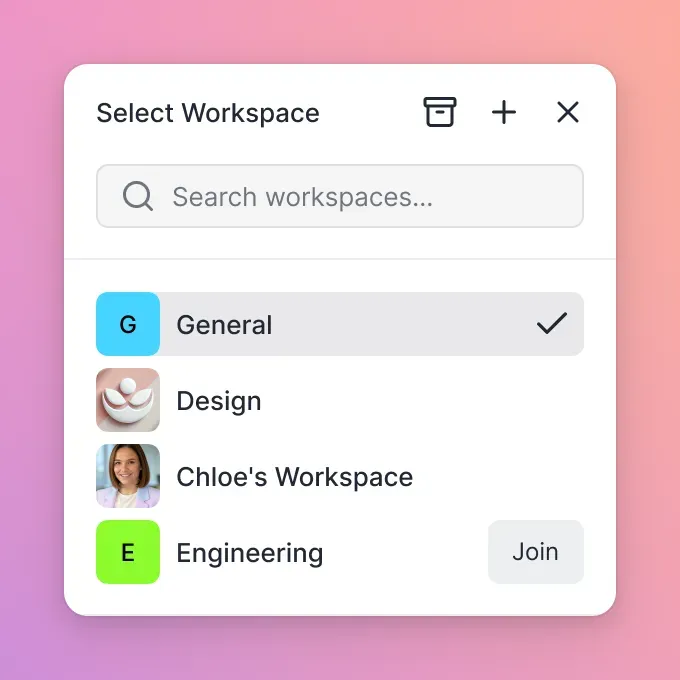
Helpful references: Fastio Workspaces, Fastio Collaboration, and Fastio AI.
Related guides
- How to Set Up DaVinci Resolve Collaboration for Your TeamDaVinci Resolve collaboration enables multiple editors, colorists, and audio engineers to work on the same project...
- 9 Best Async Collaboration Tools for Remote Teams in 2026Async collaboration tools let teams work together without requiring everyone to be online at the same time. This guide...
- 5 Best Freelance Client Collaboration Tools for 2026Freelancers who centralize file delivery, feedback, and project tracking in one place spend less time on admin and more...
- Best Video Collaboration Tools for Teams in 2026Video collaboration tools are software platforms that help video teams work together on production, from file sharing...
- How to Use Content Calendar for Team CollaborationContent calendar team collaboration brings planning, files, and feedback into one shared space. Teams coordinate...
- How to Collaborate on Music Remotely with Your Production TeamMusicians, producers, and audio engineers can now create and refine tracks together from anywhere.
More on this subject: Team Collaboration (125 guides)
How We Picked These Tools
We looked for a few specific things when choosing these platforms:
- File sharing (how well they handle large files and previews)
- IT-specific features (incident tracking and integrations)
- Cost (per-user vs usage-based pricing)
- Security (audit logs and permissions)
- AI support (MCP or API access for automation)
- Ease of use for teams that mix humans and AI agents.
Document access rules, audit trails, and retention policies before rollout so staging results are repeatable in production. This avoids late surprises and helps teams debug issues with confidence.
Quick Comparison of Top IT Team Collaboration Tools
1. Microsoft Teams
Microsoft Teams brings together chat, calls, and file sharing through OneDrive. Many IT teams use it for quick file drops during standups or when an incident occurs.
Pros:
- Works perfectly with other Microsoft apps like Azure and Intune
- Channels make it easy to organize files by project
- Useful meeting tools like live captions and recordings
Cons:
- Large teams often run into file syncing problems
- Per-user pricing gets expensive as you grow
- Limited tools for native AI agents
Teams Essentials costs $4.00/user/month, paid yearly. It is the best choice for teams already using Microsoft 365.
2. Slack
Slack is great for fast messaging and sharing files. Operations teams often use threads to discuss incidents and keep runbooks pinned for easy access.
Pros:
- Fast search makes it easy to find old messages and files
- Connects with apps like PagerDuty and Splunk
- Simple workflow builder for basic automations
Cons:
- The free plan has strict file storage caps
- No built-in video previews
- Limits on how much message history you can see
A free plan is available; Pro is $7.25/user/month, billed annually. A solid pick for teams that prefer chat-first collaboration.
3. Jira
Atlassian Jira is built for managing tickets and projects. DevOps teams use it to link code commits to specific tickets and attach evidence files.
Pros:
- You can build custom workflows for your IT processes
- Includes roadmaps and detailed reporting
- Syncs with Confluence for documentation
Cons:
- It can be hard for new users to learn
- Sharing files feels secondary to managing tickets
- Can be pricey for smaller teams
The Standard plan is $7.91/user/month. Best for teams that need structured project management.


Ready for Agentic IT Collaboration?
Fastio workspaces let IT agents and humans share files with a consolidated MCP toolset. Start with a 14-day Business Trial. Built for IT team collaboration workflows.
4. GitHub
GitHub is the standard for code collaboration. IT teams use it to share infrastructure-as-code templates and automation scripts.
Pros:
- Best-in-class version control
- GitHub Copilot provides helpful AI assistance
- Actions makes it easy to set up CI/CD
Cons:
- Not the best place for non-code files
- Pull requests can feel like too much overhead for simple shares
The Free plan includes unlimited public and private repositories, and Team costs $4/user/month. A must-have for developer-focused IT teams.
5. PagerDuty
PagerDuty is all about incident management. It lets you attach runbooks to alerts so engineers have what they need during an outage.
Pros:
- Excellent on-call scheduling and rotations
- Handles escalations and status pages well
- Connects with almost any monitoring tool
Cons:
- Not useful for collaboration outside of incidents
- High cost per user
- No general file storage for the team
A free plan covers one team of up to 5 users; Professional is $21/user/month, billed annually. Still the top choice for operations incident response.
6. ServiceNow
ServiceNow is an enterprise-grade platform for IT service management. It includes knowledge bases and the ability to attach files to service requests.
Pros:
- A complete suite for large-scale IT operations
- Includes AI features through the Vancouver platform
- Allows for highly customized internal apps
Cons:
- Setting it up is complex and time-consuming
- high cost compared to other tools
- It is hard to switch to another tool later
Custom pricing. Built for large IT departments with complex needs.
7. Fastio: Smart Workspaces for Agentic Teams
Fastio provides workspaces built for IT file sharing and AI agent integration. You can share infrastructure YAML files, logs, and dashboards without any syncing headaches.
Pros:
- Shared workspaces where the organization owns the files
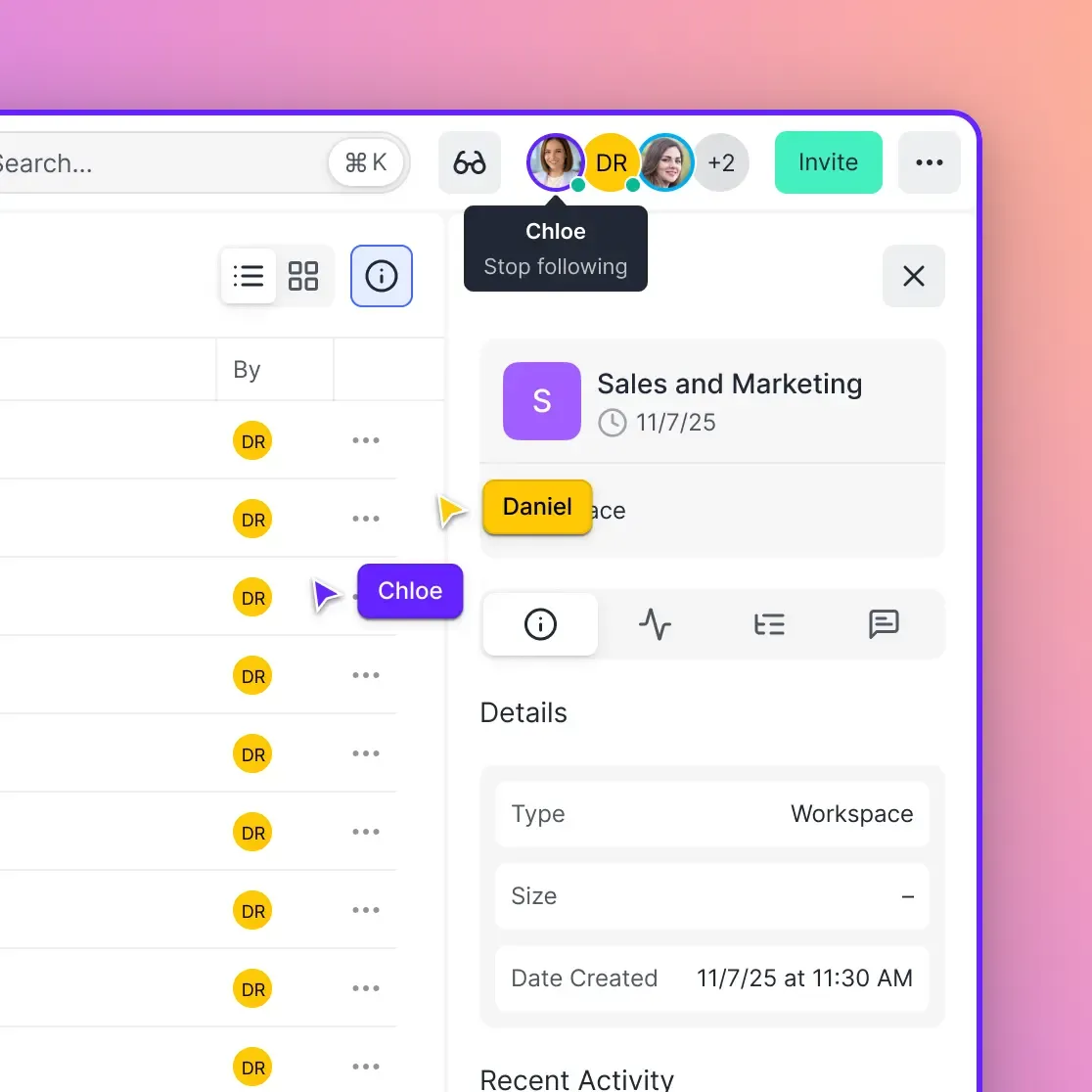
- Real-time presence and a follow mode for quick collaboration
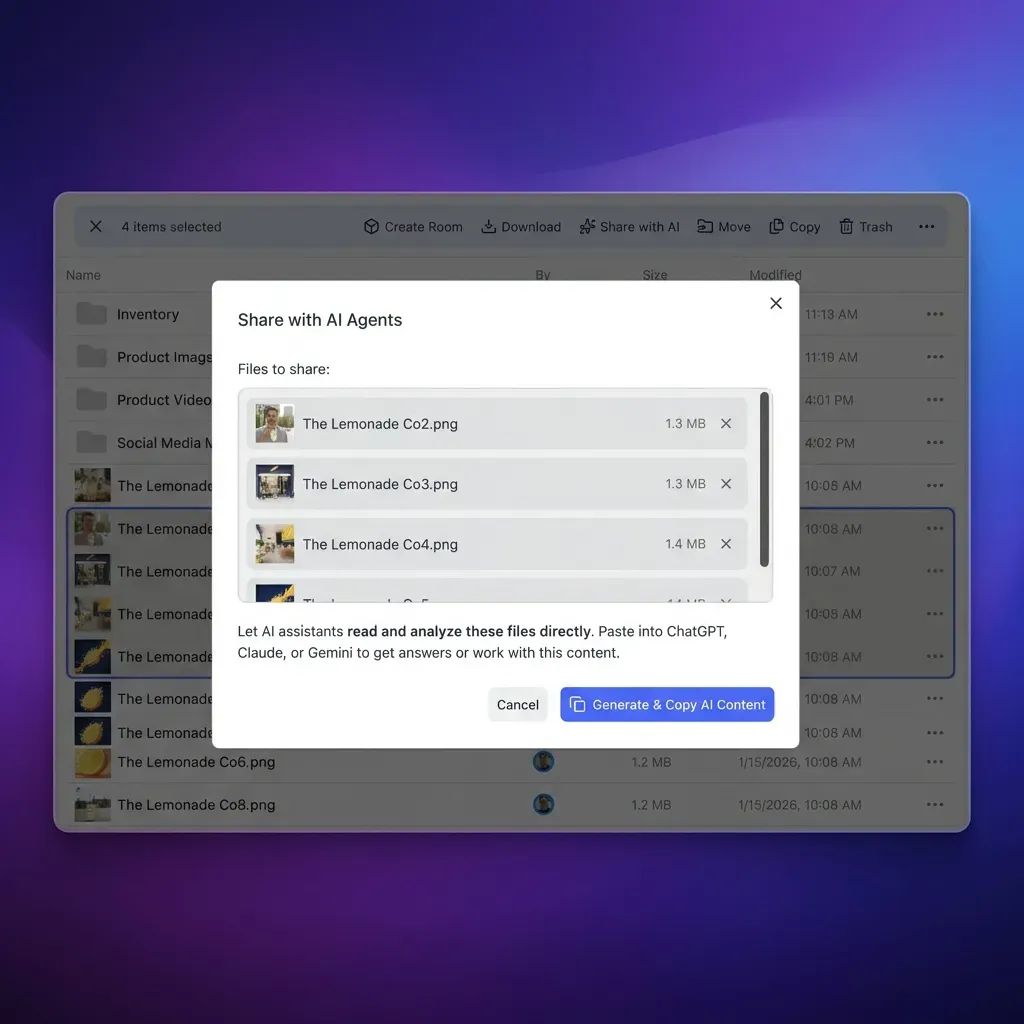
- A consolidated MCP toolset that lets AI agents upload configs and query logs
- Flat plans with seats included, and a 14-day Business Trial on monthly plans
Cons:
- A newer company in the space
- You get the most value if you are using AI agents
14-day Business Trial available. The best option for DevOps teams using AI for automation.
How to Choose the Right Tool for Your IT Team
Start by looking at your primary needs: do you need chat, project tracking, or incident response? You should also think about how you might use AI agents in the future. Test the free tiers and check if the tools connect with what you already use.
If you want to use AI agents in your workflows, prioritize tools with MCP or API support like Fastio.
Sources
References used to verify factual claims in this guide.
-
A free plan is available; Pro is $7.25/user/month, billed annually.
-
The Standard plan is $7.91/user/month.
-
Teams Essentials costs $4.00/user/month, paid yearly.
-
The Free plan includes unlimited public and private repositories, and Team costs $4/user/month.
-
A free plan covers one team of up to 5 users; Professional is $21/user/month, billed annually.
Frequently Asked Questions
Which tools are best for IT collaboration?
Top picks include Microsoft Teams for Microsoft users, Jira for project tracking, PagerDuty for managing incidents, and Fastio for sharing files with AI agents.
What IT team file sharing solutions exist?
You can use everything from OneDrive in Teams to Fastio workspaces, which handle big infrastructure files and give AI agents access.
How do DevOps teams collaborate on platforms?
DevOps teams use different tools for different tasks. GitHub is the standard for code and templates. Jira manages tickets and project tasks. PagerDuty handles on-call rotations and incidents. Newer tools like Fastio provide shared workspaces that let AI agents and humans work on the same files.
Can AI agents works alongside IT collaboration tools?
Yes, Fastio offers multiple MCP tools that let AI agents manage files and collaborate with humans in real time.
What is the pricing for IT collaboration platforms?
Most tools charge per user each month. Fastio uses flat plans with seats included, starting at $9.99/mo for the Starter plan, with a 14-day Business Trial.
How to reduce IT incident response time?
Giving everyone quick access to the same files and logs helps speed things up. Tools with presence indicators, like Fastio, help teams stay aligned during an outage.
Related Resources

Ready for Agentic IT Collaboration?
Fastio workspaces let IT agents and humans share files with a consolidated MCP toolset. Start with a 14-day Business Trial. Built for IT team collaboration workflows.