How to Collaborate on Construction Punchlists with Photos
Teams track construction defects with annotated photos in punchlists. Workers capture images of cracks or misalignments, add notes, and share for quick fixes. Photos show issues that words alone miss and help keep projects on time. The workflow covers capture, annotation, assignment, verification, and archiving.

What Is Punchlist Photo Collaboration?
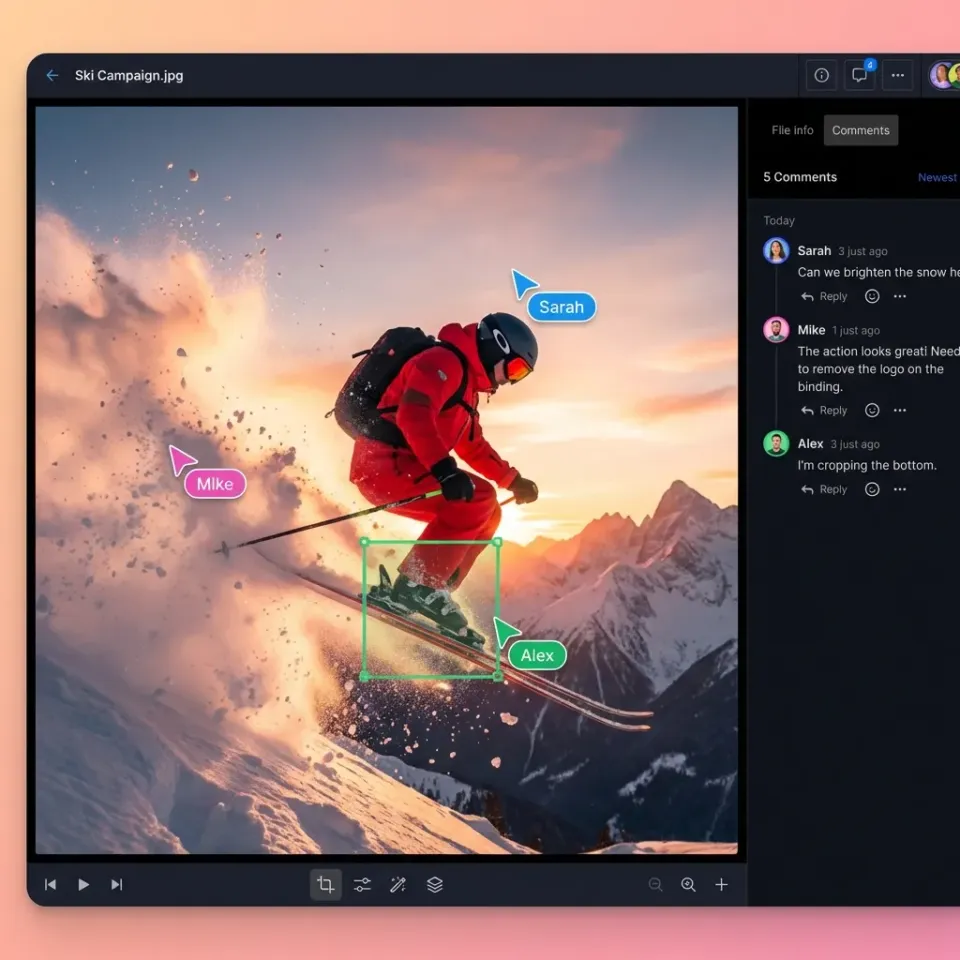
Punchlist photo collaboration means marking defects on shared images for clear feedback. Field workers snap photos of problems like uneven drywall, faulty wiring, or drainage issues. They pin or draw on exact spots, add notes, and send to supers or subs.
General contractors manage many trades, so pictures cut confusion. Subs see what to fix without coming back. Superintendents check before/after photos.
It suits end-stage construction when walkthroughs spot last fixes. Visuals replace paper lists and vague emails.
Helpful links: Fastio Workspaces, Fastio Collaboration, Fastio AI.
Related guides
- How to Use Construction Photo Sharing Sites for Site ProgressConstruction photo sharing sites let field teams document site progress with timestamps and geotags. Field teams upload...
- How to Share Construction Progress Photos with Your TeamProgress photos keep everyone aligned on what happened on site. This guide walks through a practical workflow for...
- How to Improve Construction RFI File Sharing and CollaborationConstruction RFI file sharing centralizes attachments for inquiries and responses. Large commercial projects generate...
- How to Share Revit Files with Construction TeamsRevit files for construction projects regularly exceed 500 MB, making email and basic cloud drives impractical for...
- How to Use AI Agent Storage for Construction SchedulingScheduling agents for construction need file storage that lasts between sessions. Teams rely on them for Gantt charts,...
- How to Share As-Built Drawings for Construction Closeout**As-built drawings file sharing** helps with construction closeout. These drawings show final built conditions,...
More on this subject: Construction (16 guides)
Why Use Photos for Punch Lists?
Photos give context words lack. "Crack in foundation" needs a picture to show scale. Teams fix faster when all see the image.
Pictures mean less back-and-forth. Subs hit the right spot first try. Owners approve with proof.
Matching photos speed verification. Punchlists include items from all trades. Procore notes punch lists range from a few minor items to hundreds of entries across trades. According to Autodesk's PlanGrid State of the Punch List report, the average punch list contains over 900 items and takes more than 90 days to complete. Photos sort issues by location or type, and teams close out faster with visuals versus text alone. Industry sources say photos can speed closeout by 50%.
Mobile lets foremen update on site. No office needed.
Key Benefits in Practice
Site teams snap issues, mark spots, share with subs fast.
Supers update status on photos. Fix photos confirm done.
Step-by-Step Punchlist Photo Workflow
Here's the step-by-step workflow for construction punchlist photo collaboration.
Capture on Site: Use smartphone cameras to take high-resolution photos of defects under good lighting. Include multiple angles: wide shot for context, close-up for detail. Note date, location, and responsible trade in the filename or metadata. Apps with GPS tagging help later.
Annotate Issues: Mark exact locations with circles, arrows, or drawings directly on the image. Add descriptive text such as 'Replace cracked tile in 2x3 area, match existing grout color.' Use color coding: red for safety issues, yellow for cosmetic. Tools with layers allow multiple annotations without clutter.
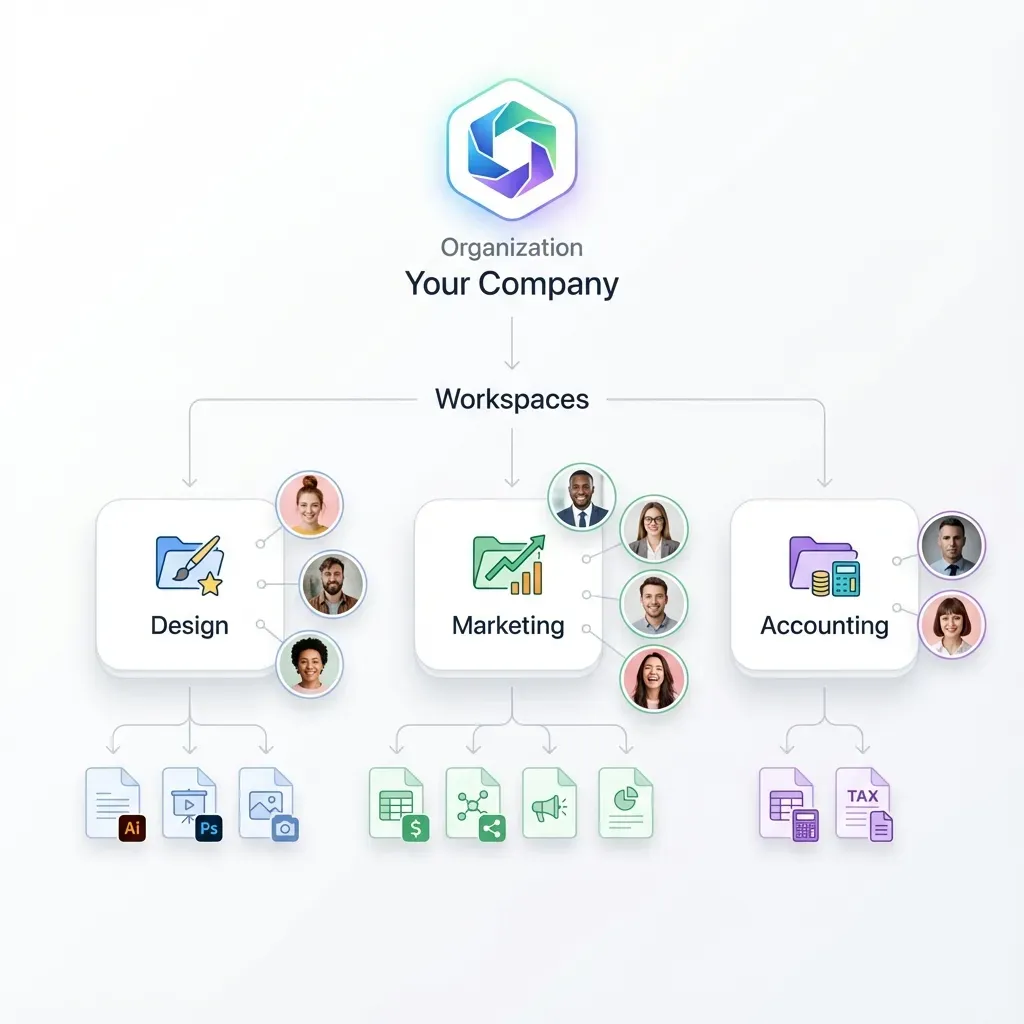
Organize and Assign: Sort photos into folders by building area, room, or trade. Assign tasks to subcontractors with clear deadlines and priorities. Use status trackers (open, in progress, complete) visible to all stakeholders.
Share Securely: Generate share links for the punchlist folder or specific photos. Set permissions: edit for subs, view-only for owners and architects. Track opens and downloads to confirm receipt.
Verify Fixes: Require subcontractors to upload 'after' photos next to the original. Compare side-by-side for matches in color, alignment, and quality. Superintendents approve remotely, adding sign-off comments.
Archive for Records: Compile the final punchlist with all photos, annotations, and sign-offs into a read-only archive. Export for project closeout reports and retain for warranty claims or audits.
In Fastio, this workflow uses shared workspaces for organization, region-anchored comments for annotations, permissions for secure sharing, and activity logs for verification and archiving. Create a dedicated project workspace, upload photos, and invite subs as guests without accounts.


Set Up Punchlist Collaboration Today
Set up a workspace for your construction team. Share and annotate photos, close punchlists faster, and control secure access. Designed for punchlist workflows.
Best Practices for Site Defect Photo Sharing
Name files consistently like BldgA-Kitchen-Wall-Crack-20260303.jpg, including building, room, issue, and date. This makes searching and referencing easy during reviews.
Limit to 3-5 photos per issue: one wide shot for context, close-ups for detail, and any measurements. Avoid overwhelming reviewers with too many images.
Adopt standard color codes across the team: red for safety hazards, orange for schedule impacts, yellow for cosmetic defects. Everyone recognizes priorities at a glance.
Always require before/after side-by-side photos. This provides clear proof of work and speeds approvals.
Integrate with task management or calendars by linking photos to deadlines and assignees. Notifications remind subs of due dates.
Provide brief onboarding training, 15-30 minutes, focusing on annotation tools and sharing protocols. Using one platform cuts learning errors in the first month.
Annotate directly on mobile in the field to reduce desk time. Upload immediately for faster team feedback loops.
In Fastio, apply these practices with browser-based image editors for annotations, folder structures for organization by trade or area, and permission controls to ensure subs see only their own folders.
Handling Large Teams
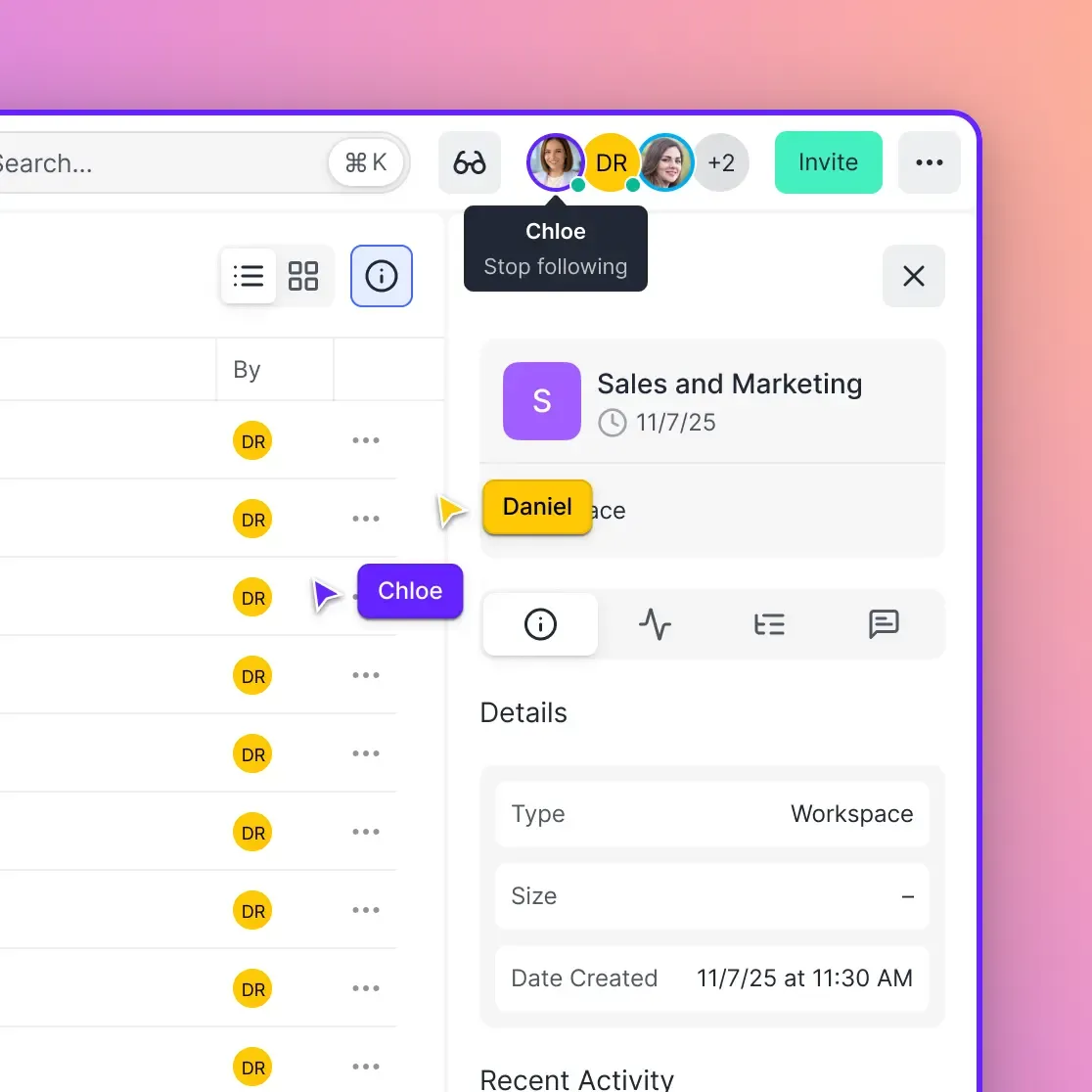
Use folders per trade with permission controls and real-time comments.
Show live viewers. Screens sync for followers.
Overcoming Common Punchlist Challenges
Vague notes cause wrong fixes. Require photo annotations.
Emails get lost. Use central shared space.
Subs skip lists. Notifications + view tracking.
Version mix-ups. Lock files or keep history.
Mobile problems. Offline apps, fast uploads.
Key Statistics and Benchmarks
Punchlists often span multiple trades and locations, with Procore noting lists from minor fixes to extensive backlogs that challenge organization.
According to the PlanGrid State of the Punch List report by Autodesk, the average punch list contains over 900 items and takes more than 90 days to resolve.
Photos clarify issues and reduce rework. Industry reports, including Procore best practices, show that using photos can speed closeouts by 50%. Subs fix the right spot the first time, and superintendents check remotely with before/after comparisons.
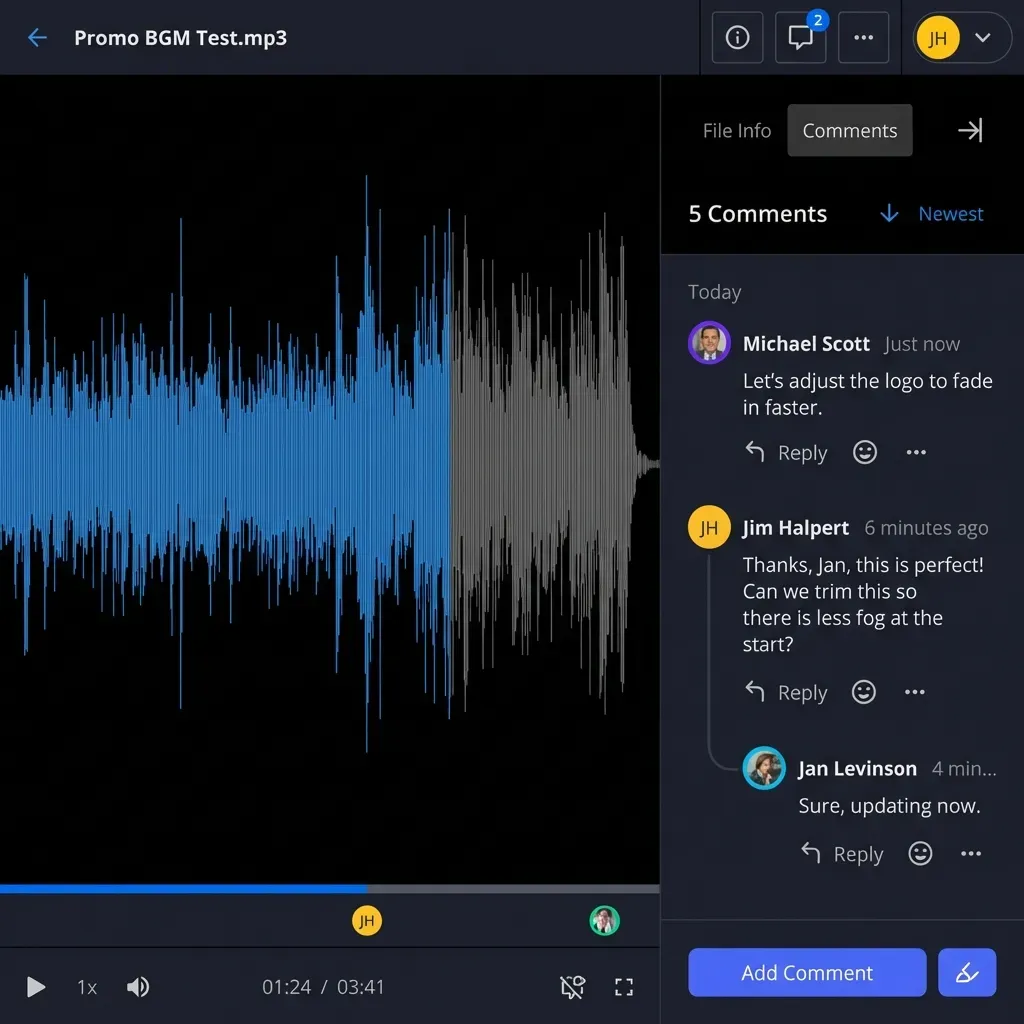
Fastio supports punchlist photo collaboration with region-anchored comments on images, threaded discussions, real-time presence indicators, and activity tracking. Field teams can upload photos to project workspaces, pin feedback to defect locations, give subcontractors scoped access with permissions, and monitor verification through audit logs. This setup reduces miscommunication and speeds up project handover.

Sources
References used to verify factual claims in this guide.
-
The average punch list contains over 900 items and takes 90+ days to complete.
-
Projects using photos for punch lists close out 50% faster.
Frequently Asked Questions
What are the best punchlist photo tools?
Fastio handles annotations and sharing well. Procore offers full project management, Fieldwire focuses on field tasks. Pick based on your mobile and integration needs.
How do teams collaborate on punchlist images?
Shared workspaces, spot comments, per-file version history, real-time changes.
Can subs access punchlist photos without accounts?
Guest links, passwords/expirations.
How to verify punchlist fixes visually?
Subs upload after photos, compare, timestamps.
What file types work for construction photos?
JPEG for standard photos, PNG for annotated images with transparency, RAW for high-detail editing before upload. Fastio previews all common formats in browser without downloads.
What is the average number of items on a construction punchlist?
According to Autodesk's PlanGrid State of the Punch List report, the average has over 900 items across trades, taking 90+ days. Visual tools like annotated photos help manage the volume.
How does Fastio improve punchlist photo collaboration?
Fastio provides region-anchored annotations on images, threaded comments, guest links for subs, real-time presence during collaboration, and audit logs. Use workspace folders to organize, share securely, and verify fixes with before/after views.
Related Resources

Set Up Punchlist Collaboration Today
Set up a workspace for your construction team. Share and annotate photos, close punchlists faster, and control secure access. Designed for punchlist workflows.