How to Share As-Built Drawings for Construction Closeout
**As-built drawings file sharing** helps with construction closeout. These drawings show final built conditions, including changes like rerouted plumbing, adjusted HVAC locations, or material substitutions from original plans. Secure, role-based sharing gives general contractors, subcontractors, architects, owners, and inspectors access to files. Version history and anchored comments address gaps in standard file sharing tools.

What Are As-Built Drawings?
As-built drawings document the actual construction as completed, incorporating all significant field changes from the original bid documents. Common modifications include relocated utilities due to site conditions, dimension adjustments for constructability, or material changes approved via change orders. Contractors typically markup these using revision clouds around affected areas, delta symbols (Δ) next to dimensions or notes, detailed revision descriptions, and updated revision tables in the title block. Formats include DWG for editable CAD files, PDF for shared views with annotations, and Revit models for 3D BIM coordination. According to Procore, as-builts integrate changes from change orders, RFIs, CCDs, ASIs, and punch list inspections. They prove contractual compliance and form the basis for record drawings. Owners rely on accurate as-builts for full warranty activation, future renovations, maintenance scheduling, or demolition permitting. Missing details can delay CO issuance from AHJs or lead to costly field verification. Projects often show significant changes in as-builts due to site conditions. Fastio previews CAD and PDF in the browser, tracks versions per file, and sets permissions for team reviews. For example, on a mid-rise office build, MEP subs upload weekly markups; the GC reviews diffs; architects sign off. All tracked in one workspace.
Related guides
- How to Choose the Best Construction CAD File Sharing SolutionsGuide to construction cad file sharing: Construction teams share .dwg and .dxf files with general contractors, subs,...
- How to Share Construction Daily Logs EfficientlyConstruction daily logs sharing keeps subs, owners, and inspectors up to date on site progress. Traditional PDF emails...
- How to Share Construction Progress Photos with Your TeamProgress photos keep everyone aligned on what happened on site. This guide walks through a practical workflow for...
- How to Improve Construction RFI File Sharing and CollaborationConstruction RFI file sharing centralizes attachments for inquiries and responses. Large commercial projects generate...
- How to Use Construction Photo Sharing Sites for Site ProgressConstruction photo sharing sites let field teams document site progress with timestamps and geotags. Field teams upload...
- How to Set Up a Construction Subcontractor File PortalConstruction subcontractor file portals simplify document sharing between general contractors (GCs) and subs. They...
More on this subject: Construction (16 guides)
As-Built Drawings vs Record Drawings
As-built drawings are contractor-prepared markups showing field-verified conditions and changes. Record drawings, created by architects or engineers, refine as-builts into polished, scaled sets suitable for owner archives. Key differences: Origin: As-builts from field observations; records from design office synthesis. Detail: As-builts focus on changes (clouds, deltas); records integrate all. Format: As-builts often digital markups on PDFs/DWGs; records full CAD revisions. Use: As-builts for immediate closeout; records for long-term O&M manuals. Both are closeout essentials, but as-builts provide raw data, records the final product. Sharing as-builts early allows architects to compile records efficiently. Example: A hospital project GC shares as-builts via Fastio guest links. Architects download, revise in AutoCAD, upload versions back for GC verification. This significantly reduced record prep time. Constraint: Ensure consistent layering in CAD uploads for easy diffs. Outcome: Faster record turnaround and fewer RFIs post-closeout.
Challenges in As-Built Plans Sharing
As-built drawings file sharing runs into construction challenges. Files like full-site DWGs or sheet sets often reach hundreds of megabytes, exceeding standard email and consumer cloud limits. Multi-sheet Revit exports reach several gigabytes.
Field teams generate many versions weekly from punch lists and inspections. No history means confusion over 'which file is current?', rework, and delays.
Approvals via email threads or printed sets waste weeks. No centralized comments slow consensus.
Permission issues arise: subs need view-only, owners full access, AHJs need audit logs. Generic tools lack role controls.
Mobile field access needs instant CAD previews without downloads. Legacy apps force VPNs or extra apps.
Example: A highway project team emailed ZIPs, but files were corrupted and versions lost, delaying closeout for weeks.
Fastio offers resumable uploads, per-file versions, anchored comments, and browser CAD views. Closeout is completed in weeks with zero lost changes.

Key Requirements for As-Built Drawings File Sharing Platforms
Platforms for construction as-builts collaboration need to handle specific needs. Here's what to look for:
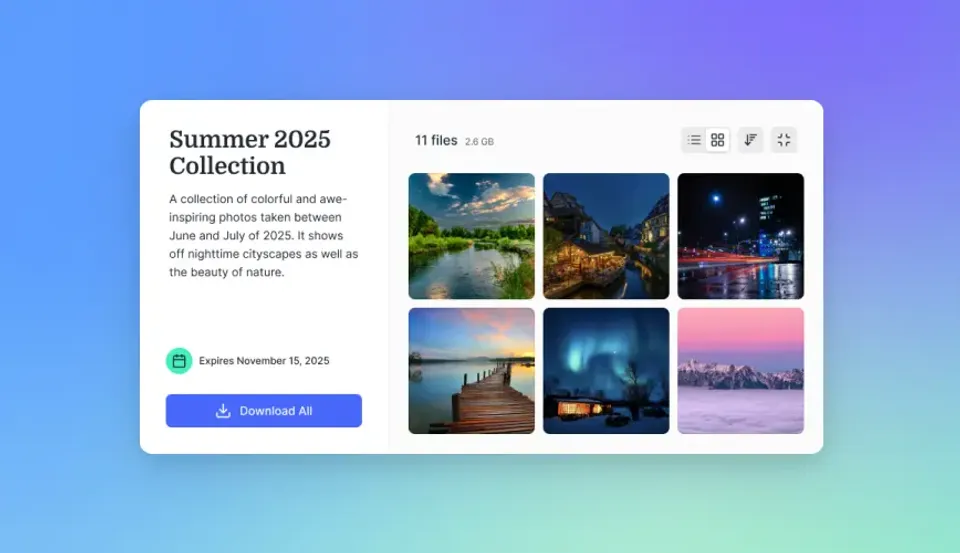
Large File Support: Construction files like multi-sheet DWGs, Revit models, or scanned PDFs demand resumable uploads and browser previews without plugins. Fastio's universal media engine streams CAD/PDF natively, no downloads needed for review.
Version History: Auto-capture every upload with timestamps, diffs, and rollback. With daily field markups, this prevents 'overwriting the good version' losses. Fastio versions per-file indefinitely.
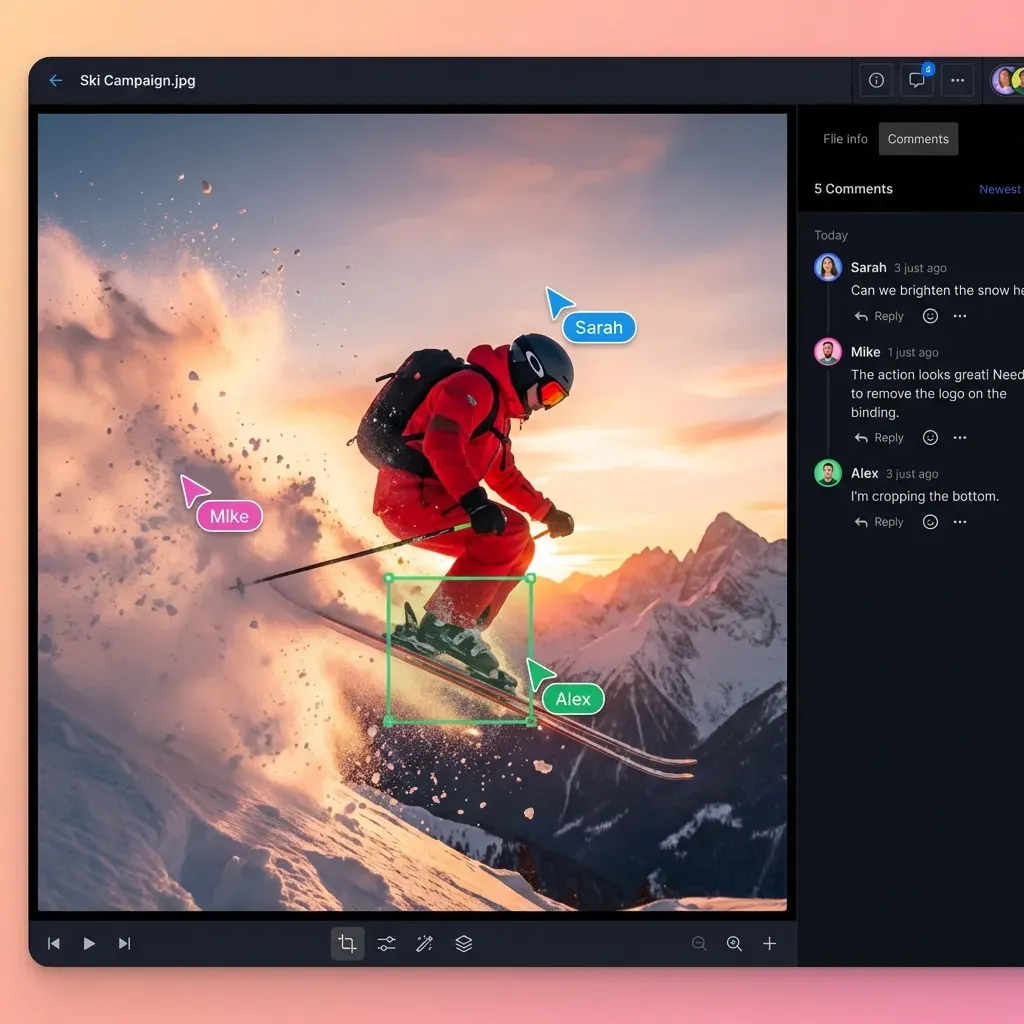
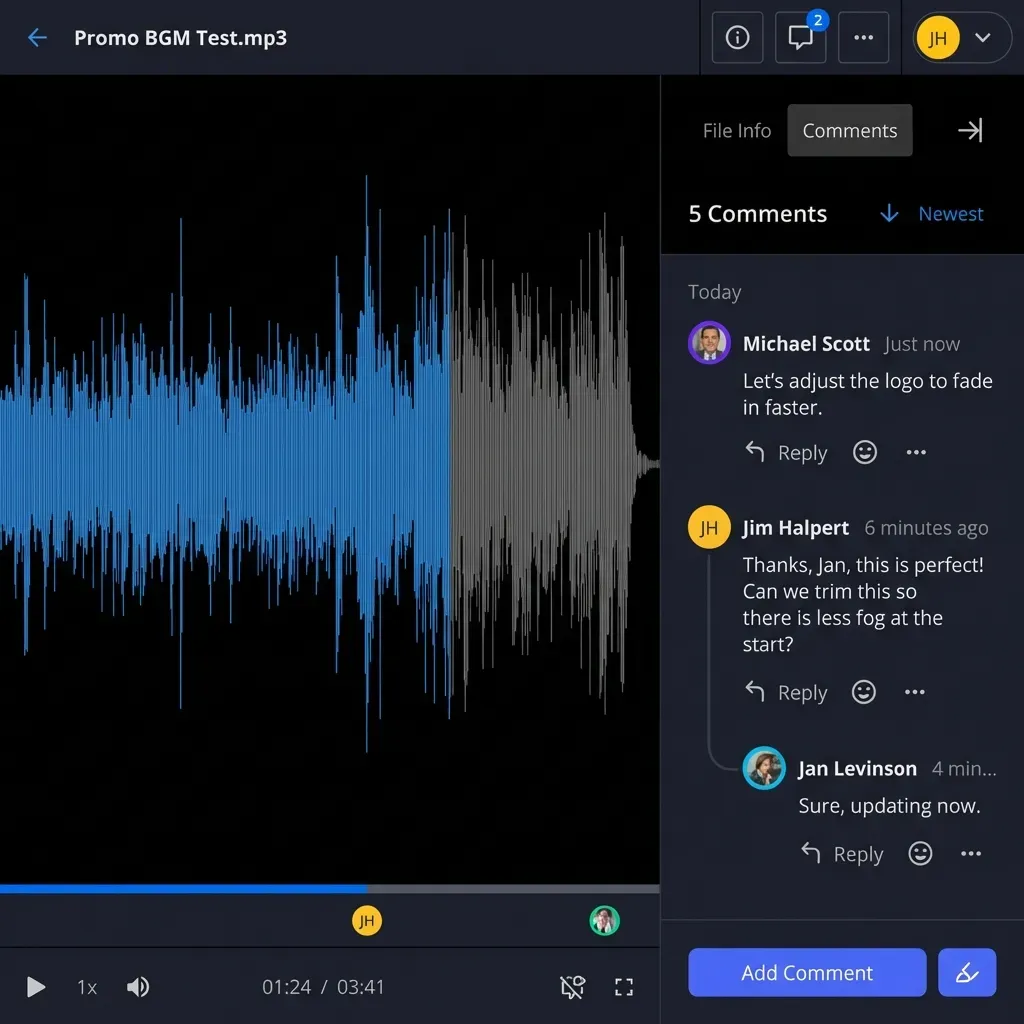
Review Comments: Built-in comments, region annotations, and @mentions speed up reviews. Replace email chains with threaded discussions tied to sheets.
Granular Permissions: Role-based access: subs view-only, GC edit, owners download, AHJs read-only logs. Guest links with passwords/expirations for secure external shares.
Audit Logs: Full trail of views, edits, downloads, IP logs for warranty proof and compliance.
Branded Portals: White-label closeout packages with your logo for professional owner handoff.
Fastio includes guest access that does not take a seat, activity tracking, and branded data rooms.
Example: MEP sub uploads revised HVAC layout; GC comments; architect approves. All in one thread. Tip: Train teams on annotation tools. Result: Approvals happen much faster and closeout speeds up significantly.



Share As-Built Drawings on Fastio
Set up secure workspaces with version history and unlimited subs. Works well for construction workflows.
Platform Comparison for Construction As-Builts Sharing
Unlimited guests suit subcontractor coordination without extra costs.
Per-file versioning prevents data loss from field uploads. Full audit logs document access for warranty claims. Anchored comments replace clunky email approval chains, cutting cycle times.
For construction, Fastio's media previews and organization-owned files work better than general tools lacking construction workflows.
How to Share As-Built Drawings Step-by-Step
Follow these steps for as-built plans sharing on Fastio:
Create Dedicated Workspace: Start a new workspace named for the project (e.g., 'Elm St Office Closeout'). Organize folders: 'Architecturals', 'Structurals', 'MEP', 'Civil', 'RFIs/Changes'. Upload original bid set as baseline. Invite the team via email.
Upload Field Markups with Versioning: Subs scan or export markups from Bluebeam/AutoCAD, upload via drag-drop or mobile app. Fastio auto-versions each file, showing diffs side-by-side. Tag uploads with 'Rev1-MEP-HVAC' for clarity.
Set Granular Permissions: Assign roles: Owner/Architect full edit, GC comment/edit, Subs view/download, Inspectors read-only. Create guest links for AHJs with view expiration (e.g., several weeks post-CO).
Review in Comments: Use in-app annotations to highlight revisions, @mention reviewers (e.g., '@JohnArch Rev cloud on sheet A101?'). Threaded comments track sign-offs.
Build Branded Closeout Portal: Generate shareable data room with your logo, project summary, version index, full audit log. One-click for owners to access all docs securely.
Archive and Monitor: Set auto-retention (e.g., for several years), monitor logs for post-closeout access. The activity feed surfaces downloads and link activity as they happen.
This process reduces closeout time from months to weeks, minimizing disputes.
Best Practices for Construction As-Builts Collaboration
Tips for as-builts collaboration in construction:
Progressive Updates: Commit changes weekly during OAC meetings, not a year-end scramble. Use digital tools for revision clouds and deltas to avoid faded hand-markups.
OAC Review Cycles: Dedicate agenda time to as-builts. Cross-check against RFIs, COs, submittals. Approve in-meeting to build consensus.
Mobile Field Access: Choose platforms with native iOS/Android previews for DWG/PDF. Field supers verify markups on-site without large downloads.
Structured Handover: Create change log linking CO#s to files/versions. Verify 100% against contract specs before portal share.
Team Training & Templates: Onboard subs with a brief video on upload and annotation standards. Provide Bluebeam layer templates for consistency.
Post-Closeout Management: Retain owner access for several years. Set notifications for queries; use audit logs for warranty support.
Example: A retail chain project used Fastio templates. Reduced markup variances significantly, and closeout errors dropped to zero. Tip: Enforce template use via permissions. Result: Warranties were activated immediately, with no punchback RFIs.
Sources
References used to verify factual claims in this guide.
-
As-built drawings depict a building’s final construction, including all notable changes.
-
Fastio Business plan supports 50 GB max file size
Frequently Asked Questions
What are as-builts?
As-built drawings record construction as completed, with all field changes from original plans. They support closeout and warranties.
What is the difference between as-built and record drawings?
As-builts mark contractor changes. Records are architect-polished versions for owners.
What are the best platforms for as-built drawings file sharing?
Fastio, ShareFile, and Box handle large files, versions, and secure shares. Pick based on team size and construction fit.
How do you handle large CAD files in sharing?
Pick services with large file limits and browser previews. Fastio streams CAD files without full downloads.
Why is version history important for as-builts?
It tracks field updates, avoids mistakes, and offers proof of changes.
Can subcontractors access as-builts securely?
Yes. Use guest links with permissions and expiration dates.
Related Resources

Share As-Built Drawings on Fastio
Set up secure workspaces with version history and unlimited subs. Works well for construction workflows.