Best OpenClaw Tools for GitHub Issue Triage and Bug Report Automation
Engineering teams running five or more active repositories spend roughly 14.5 hours each week on manual issue triage and routine repository maintenance, according to metrics published in the Skywork OpenClaw automation guide. OpenClaw's skill ecosystem offers several tools that automate classification, labeling, assignment, and escalation of GitHub issues. This guide ranks seven ClawHub skills by coverage and setup complexity so you can pick the right combination for your repositories.

Why Manual Issue Triage Breaks at Scale
A team of five engineers triaging 20 issues per week spends roughly 110 minutes on classification, labeling, and assignment alone, according to benchmarks published in the OpenClaw issue triage documentation. That number grows linearly with repositories and non-linearly with context switching. By the time a maintainer reads an issue, checks for duplicates, assigns a priority label, and pings the right owner, eight minutes have passed on a straightforward bug report. Ambiguous reports take longer.
OpenClaw addresses this with an agent-first triage pattern. Instead of writing fragile if-then rules in GitHub Actions, you install ClawHub skills that read issue content through natural language understanding, classify it semantically, and take action through the GitHub CLI or MCP server. The agent handles the routine 80% of incoming issues. Edge cases and security reports escalate to humans.
The difference between OpenClaw's approach and traditional automation is the reasoning layer. A GitHub Actions workflow can match keywords. An OpenClaw skill analyzes the full issue body, identifies severity indicators in stack traces, cross-references CODEOWNERS, and routes the issue to the person who last touched the relevant code path. That context awareness is what cuts manual triage time from 45 minutes per batch down to about 8 minutes of human review.
Related guides
- GitHub Copilot vs Cursor: AI Coding Tools ComparedSelecting between a plugin that extends your current IDE and a dedicated editor built for AI-native features represents...
- Trending GitHub Copilot Tools & Ecosystem IntegrationsA look at trending GitHub Copilot tools, custom instructions, and Model Context Protocol setups. We explain how...
- Top OpenClaw Tools for Coding AgentsOpenClaw tools give coding agents the libraries and access they need to write software. With AI now handling about 45%...
- Best OpenClaw Tools for AI Code Generation and ScaffoldingClawHub's Coding Agents & IDEs category lists over 1,200 skills, but most handle CI pipelines or project management...
- Best OpenClaw Tools for AI Code Debugging and Error ResolutionThe openclaw doctor --deep --yes command auto-resolves roughly 80% of reported OpenClaw errors, yet most developers...
- 7 Best OpenClaw Tools for AI Travel Itinerary Planning and Booking AutomationOpenClaw's skill registry includes over 110 transportation skills and 29 dedicated travel tools, but most agents cobble...
More on this subject: OpenClaw Tools (101 guides)
How We Evaluated These Skills
Every skill on this list was evaluated against five criteria drawn from real repository maintenance workflows:
- Classification accuracy scores how reliably the skill separates bugs from feature requests, documentation gaps, and questions without human correction.
- Label and routing automation measures whether the skill applies labels, assigns owners, and follows CODEOWNERS rules without manual intervention.
- Setup complexity tracks how many configuration steps, tokens, and dependencies are needed before the skill processes its first issue.
- Platform coverage checks whether the skill works beyond GitHub, covering GitLab and Jira for teams with mixed toolchains.
- Escalation handling evaluates how the skill surfaces edge cases, security reports, and ambiguous issues to human reviewers instead of silently mislabeling them.
Skills are ranked by breadth of triage automation first, then by ease of setup. All skills listed are available on ClawHub and verified against OpenClaw 2026.1.0 or later.
1. github-issue-triage: The Core Classification Skill
The github-issue-triage skill is the default starting point for teams that want automated classification, labeling, and assignment on incoming issues. The Blink blog's OpenClaw GitHub automation walkthrough highlights it as the go-to skill for end-to-end triage without writing custom rules.
The core value over keyword-matching bots is the reasoning layer. Instead of brittle regex patterns, the skill uses the agent's language understanding to read the full issue body and determine what kind of report it is, how urgent it looks, and who should own it. That context-aware classification is what separates agent-first triage from traditional GitHub Actions workflows.
Best for: Teams handling a steady stream of issues across one or more repositories who want classification and routing handled automatically from the moment an issue is opened.
Limitations: Like all OpenClaw skills, it requires a running agent environment. Check the ClawHub listing for current runtime requirements and configuration options.
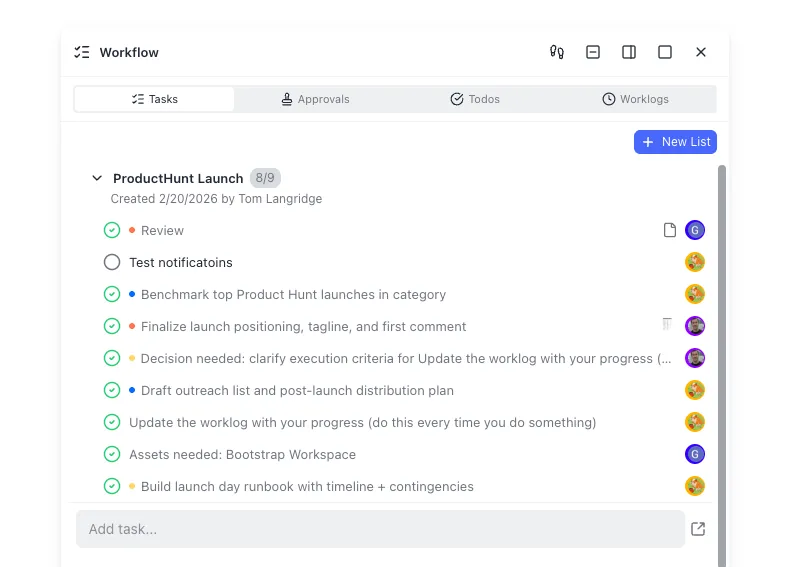


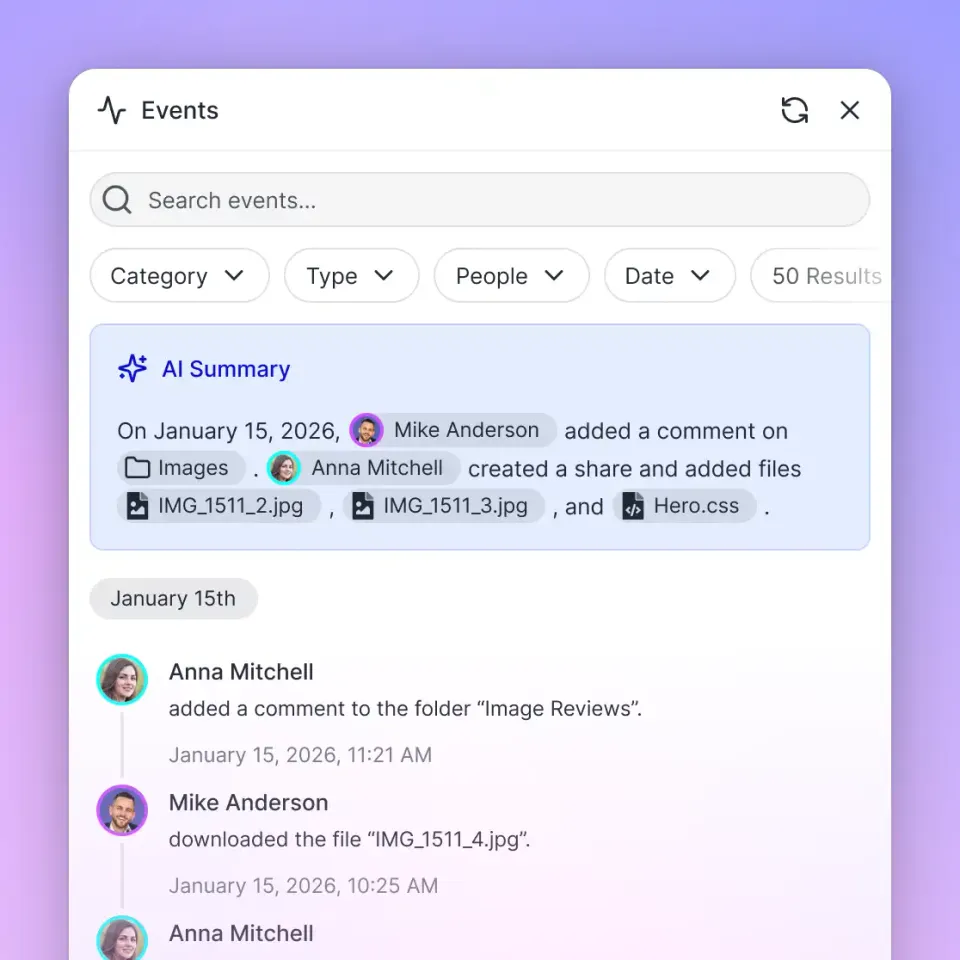
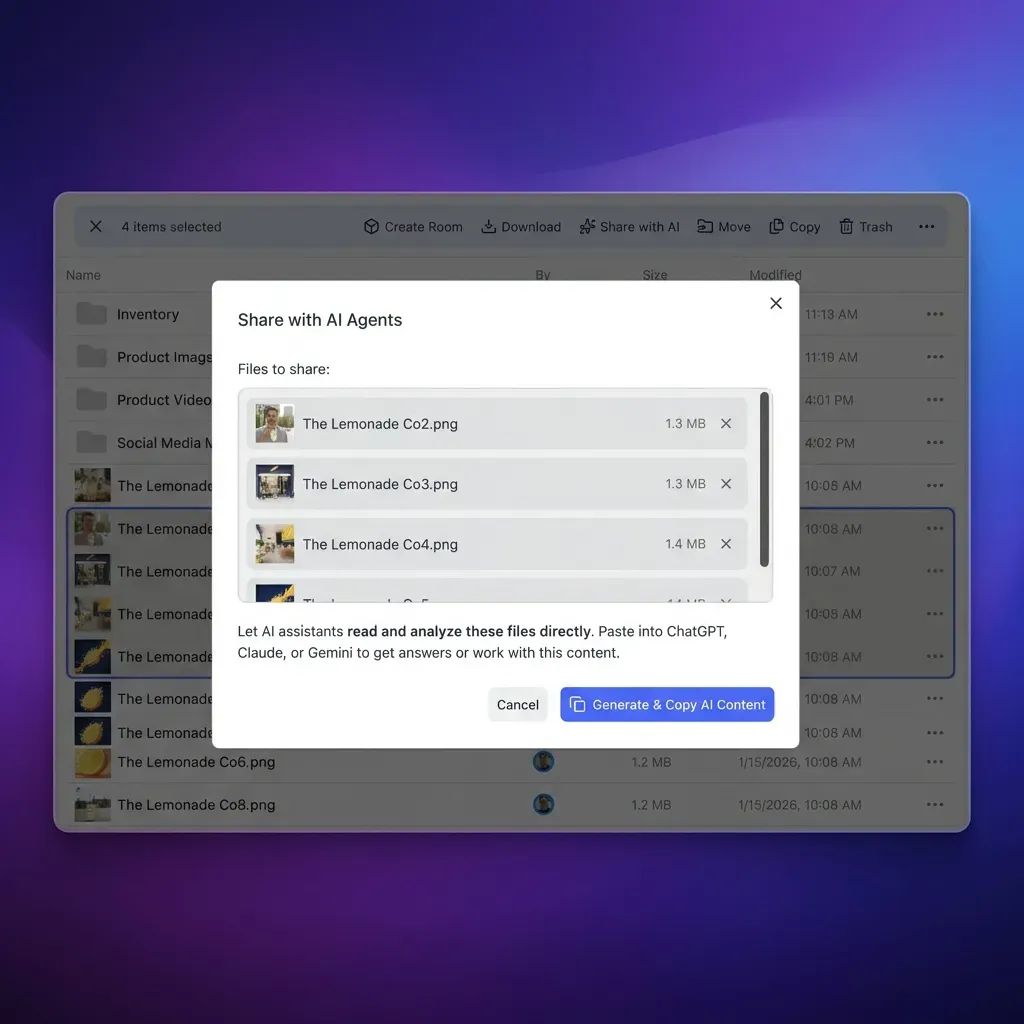
Give your triage agents a persistent workspace
Store classification logs, sprint summaries, and audit trails where any agent or team member can search them. MCP-ready for OpenClaw. Starts with a 14-day free trial.
2. repo-pr-triage: Vision-Based Scoring for PRs and Issues
The repo-pr-triage skill takes a different approach from pure text classification. It uses vision-based scoring to evaluate both pull requests and issues, analyzing screenshots, error images, and UI mockups attached to reports alongside the text content.
For bug reports that include a screenshot of broken UI or a console error, this skill extracts visual context that text-only classifiers miss. It scores each issue on severity, complexity, and component impact, then applies labels and suggests assignees based on the combined analysis.
On the PR side, repo-pr-triage summarizes diffs, flags security-sensitive changes (auth, payments, migrations), and posts review comments with severity levels. It avoids noisy inline feedback in favor of a single summary comment per PR.
Install command: openclaw skill install repo-pr-triage
Best for: Teams that receive image-heavy bug reports (frontend, mobile, design system repositories) where visual context changes the triage decision.
Limitations: Vision-based analysis uses more LLM tokens per issue than text-only classification. Budget accordingly if you process hundreds of issues weekly.
3. super-github: The All-in-One Framework
The super-github skill bills itself as the ultimate GitHub automation framework, and it earns the label by combining issue triage, PR review, release note generation, and CI monitoring into a single installation. Rather than configuring four separate skills with their own tokens and triggers, super-github provides a unified interface.
Issue triage in super-github includes auto-categorization by semantic analysis, priority assignment based on severity keywords, smart routing to team members based on component mentions, and duplicate detection through title and description similarity. PRs get intelligent labeling by modified file path (frontend, backend, docs, infrastructure, dependencies), size warnings for PRs exceeding 500 lines, and 48-hour review reminders for unreviewed changes.
The release management component groups merged PRs by label into categorized changelogs. CI monitoring detects workflow failures, extracts the failing step name, and provides direct links to the GitHub Actions run.
Install command: openclaw skill install super-github
Best for: Solo maintainers or small teams who want comprehensive GitHub automation without managing multiple skills. One install covers triage, reviews, releases, and monitoring.
Limitations: The bundled approach means you cannot easily customize one component without affecting others. Teams with specific triage rules may prefer the modular github-issue-triage skill paired with standalone PR and CI skills.
4. pr-risk-analyzer: Security-Focused PR Screening
The pr-risk-analyzer skill focuses specifically on pull request security. It scans diffs for patterns that indicate risk: changes to authentication logic, database migration files, payment processing code, API permission boundaries, and dependency updates with known vulnerabilities.
Unlike general PR reviewers, this skill produces a structured risk assessment with severity classifications. High-risk findings block the review summary with explicit warnings. Low-risk findings appear as informational notes.
Best for: Teams working on applications with regulatory requirements or sensitive data handling who need an automated security screen before human review.
5. pr-radar: Continuous PR Monitoring
The pr-radar skill monitors pull request activity across repositories and surfaces PRs that need attention. It tracks review status, identifies bottlenecks (PRs waiting more than 48 hours for review), and sends alerts through Slack, Telegram, or Discord.
Where github-issue-triage focuses on incoming issues, pr-radar keeps the PR pipeline moving. It pairs well with triage skills by ensuring that issues triaged as high-priority get their corresponding PRs reviewed promptly.
Best for: Teams where PR review latency is a bigger bottleneck than issue classification.
6. github-manager: General Repository Administration
The github-manager skill handles broader repository management tasks beyond triage. It automates branch cleanup, enforces naming conventions, manages repository settings, and coordinates across multiple repos in an organization.
For triage specifically, github-manager complements issue-focused skills by maintaining the label taxonomy, ensuring consistent label colors and descriptions across repositories, and syncing team membership with CODEOWNERS files.
Best for: Platform engineering teams responsible for repository standards across an organization.
7. auto-pr-merger: Automated Merge Workflows
The auto-pr-merger skill automates the final step of the PR lifecycle. Once reviews are approved and CI passes, it merges PRs according to configurable rules: squash vs. merge commit, branch deletion, and post-merge notifications.
This skill closes the loop on the triage-to-merge pipeline. Issues get triaged by github-issue-triage, fixes get reviewed by pr-risk-analyzer or repo-pr-triage, and auto-pr-merger handles the merge once humans approve.
Best for: Teams with high PR volume who want to eliminate the "approved but not merged" backlog.
Storing Triage Data Beyond GitHub
GitHub retains issue and PR data indefinitely, but structured triage metadata, classification logs, audit trails, and sprint summaries often need a home outside the repository. Local storage works for a single agent, but teams running multiple OpenClaw instances across repositories benefit from a shared workspace where triage artifacts are indexed and searchable.
S3 or Google Cloud Storage handle raw dumps, but they lack the semantic search layer that makes triage data useful over time. If you want an agent to answer "show me all P0 bugs in the payments service this quarter," you need indexed storage with RAG capabilities.
Fast.io workspaces provide that layer. Upload triage reports, classification logs, and sprint summaries to a shared workspace. Intelligence Mode auto-indexes the files for semantic search, so any team member or agent can query historical triage patterns with cited results. Plans include storage and monthly credits, and monthly plans start with a trial of up to 14 days.
For teams building a complete triage-to-resolution pipeline, Fast.io's MCP server lets OpenClaw agents write triage results directly to workspaces, create shares for stakeholder review, and transfer ownership of organized issue reports to project managers. The workspace becomes the coordination layer between the agent that triages and the humans who fix.
Google Drive and Dropbox can store files, but neither provides built-in RAG or agent-native MCP access. If your OpenClaw agents need to both write and query triage data programmatically, a workspace built for agent workflows saves integration effort.

Choosing the Right Skill Combination
Most teams do not need all seven skills. Start with the combination that matches your primary bottleneck.
High issue volume, small team: Install github-issue-triage for classification and pr-radar for review monitoring. These two cover the most common time sinks without the complexity of a full framework.
Security-sensitive repositories: Pair github-issue-triage with pr-risk-analyzer. Every incoming issue gets classified and routed, and every PR gets a security screen before human review.
Solo maintainer, multiple repos: Use super-github for a single install that handles triage, reviews, releases, and monitoring. The all-in-one approach minimizes configuration overhead.
Enterprise platform team: Layer github-issue-triage, pr-risk-analyzer, github-manager, and auto-pr-merger for a pipeline that covers triage through merge. Add persistent workspace storage for audit trails and cross-repo analytics.
Regardless of combination, start with read-only permissions. Let the agent classify and suggest for a few weeks before enabling write access for automated labeling and assignment. This progressive trust strategy, recommended in LumaDock's OpenClaw tutorials, prevents mislabeled issues from disrupting established workflows.
Sources
References used to verify factual claims in this guide.
-
Teams saving an average of 14.5 hours per week on routine repository maintenance
-
A team of five engineers triaging 20 issues per week spends 110 minutes total; with automation, this reduces to 5 minutes 80+ hours recovered per quarter per team with github-issue-triage automation
-
Over 5,400 OpenClaw skills filtered and categorized from the official OpenClaw Skills Registry
Frequently Asked Questions
Can OpenClaw automatically label GitHub issues?
Yes. The github-issue-triage skill reads issue titles and descriptions, classifies them as bugs, feature requests, questions, or documentation gaps, and applies matching labels automatically. It also assigns priority labels (P0 through P3) based on severity indicators in the issue content. Security keywords always trigger P0 classification and team escalation.
How does OpenClaw triage bug reports?
OpenClaw uses natural language understanding to analyze the full issue body rather than matching keywords. It identifies severity indicators in stack traces, extracts file path references to determine component ownership, checks CODEOWNERS for routing, and flags potential duplicates through semantic similarity analysis. The result is a classified, labeled, and assigned issue within seconds of submission.
What OpenClaw skills work with GitHub?
The ClawHub marketplace includes several GitHub-focused skills. The most relevant for triage are github-issue-triage (classification and labeling), repo-pr-triage (vision-based scoring), super-github (all-in-one framework), pr-risk-analyzer (security screening), pr-radar (PR monitoring), github-manager (repository administration), and auto-pr-merger (automated merge workflows). The VoltAgent awesome-openclaw-skills repository catalogs over 5,400 skills, with a dedicated git-and-github category.
How much time does OpenClaw save on issue management?
Published benchmarks from the Skywork OpenClaw automation guide report teams saving an average of 14.5 hours per week on routine repository maintenance. The github-issue-triage documentation shows that a five-person team triaging 20 issues weekly drops from 110 minutes of manual work to about 5 minutes with automation, recovering 80+ hours per quarter.
Does OpenClaw issue triage work with GitLab and Jira?
Yes. While the GitHub skills are the most mature, OpenClawRoadmap documents dedicated GitLab skills and Jira-specific skills with API token configuration. The triage pattern is the same across platforms. The agent reads incoming issues, classifies them, applies labels, and routes them to the appropriate team members.
How do I set up OpenClaw for GitHub issue triage?
Install OpenClaw (Node.js 24+ required), authenticate with GitHub using gh auth login, then install the triage skill with openclaw skills install github-issue-triage. Configure your label taxonomy and triage rules, set up a GitHub automation hooks to send issue events to your OpenClaw instance, and test on a non-critical repository before rolling out to production repos. The Blink blog and Skywork guide both provide step-by-step walkthroughs.
Related Resources

Give your triage agents a persistent workspace
Store classification logs, sprint summaries, and audit trails where any agent or team member can search them. MCP-ready for OpenClaw. Starts with a 14-day free trial.