Best OpenClaw Skills for Multi-Channel Marketing Orchestration in 2026
Seventy-three percent of marketers use six or more tools to run campaigns, and each tool switch bleeds context. OpenClaw lets one agent call channel-specific skills from a single session, keeping context intact as content moves from blog draft to social post to email sequence. This guide ranks eight skills that cover content creation, social publishing, email orchestration, and competitive intelligence, then shows how to chain them into one campaign pipeline.


Why Marketing Teams Need a Single Orchestration Layer
HubSpot's 2026 State of Marketing report, surveying 1,500 marketers globally, found that 73% now use six or more tools to manage campaigns across channels. Each tool owns one channel. The marketer becomes the integration layer, copying blog content into email drafts, reformatting social posts for each platform, and manually checking whether messaging stays consistent across touchpoints.
This fragmentation creates two problems. First, context dies between tools. The insight that shaped your blog topic gets lost by the time someone writes the email variant. Second, execution slows down because every channel handoff requires manual reformatting and re-approval.
OpenClaw's skill ecosystem offers a structural fix. One agent calls multiple channel-specific skills from a single session, maintaining context as it moves from content creation through social publishing to email delivery. A blog post researched for SEO becomes five social variants and an email newsletter without starting from scratch at each step.
Multi-channel marketing campaign orchestration with OpenClaw means using a single AI agent to coordinate content creation, scheduling, publishing, and performance analysis across email, social media, and content platforms simultaneously. The agent is the orchestration layer. Each skill handles one channel or function, and the agent chains them together based on your campaign plan.
According to Blink's 2026 automation playbook, marketing teams using OpenClaw save 15 to 20 hours per week across content research, drafting, social scheduling, and reporting. This guide covers eight OpenClaw skills organized across content, social, email, and competitive intelligence. Each entry explains what the skill does, where it fits in a multi-channel workflow, and what it does not cover.
Related guides
- Claude Code Teams: Multi-Agent Orchestration GuideClaude Code agent teams split complex coding tasks across multiple independent AI sessions. Each teammate gets its own...
- How to Set Up Claude Flow for Multi-Agent Code OrchestrationClaude Flow passed 710,000 lifetime npm downloads by mid-2026, making it the most-installed community orchestrator for...
- Best OpenClaw Skills for AI Email Copywriting in 2026OpenClaw's skill ecosystem now includes thousands of email-focused plugins that handle everything from cold outreach...
- Best OpenClaw Skills for LinkedIn Content and Professional Brand BuildingOnly 1% of LinkedIn users post content weekly, yet that group generates 9 billion impressions. OpenClaw skills close...
- Best OpenClaw Skills for AI Affiliate Marketing Content AutomationNearly 80% of affiliate marketers now use AI for content creation, but most tools handle only one step of the pipeline....
- Best OpenClaw Skills for Web ResearchWeb research skills let OpenClaw agents find and read information on the live web. Without them, your AI is stuck with...
More on this subject: OpenClaw Skills (109 guides)
How We Evaluated These Skills
We tested each skill against five criteria specific to multi-channel orchestration:
- Channel coverage. How many platforms or channels does the skill touch? Skills that publish to one platform scored lower than those covering multiple destinations from a single command.
- Orchestration fit. Can the skill receive input from and pass output to other skills in a single agent session? Multi-channel workflows need skills that chain, not skills that work in isolation.
- Output quality. Does the content need heavy editing before publishing, or can it go live with minor review?
- Platform integration. Does the skill connect to real APIs (Mailchimp, Klaviyo, X, LinkedIn) or just generate text you have to copy manually?
- Maintenance status. Is the skill actively maintained with 2026 updates? Skills without recent commits were excluded.
We prioritized skills with verified publishers and consistent download counts on ClawHub. With 3,286 skills available after ClawHub's February 2026 security cleanup, curation matters. Every skill below has been checked against its ClawHub listing and publisher documentation.
Content Creation and Social Publishing
The first four skills handle the upstream work of creating content and distributing it across social channels.
1. Content Forge
Content Forge generates a full blog post (1,500 to 2,500 words) plus five social media variants from a single topic input. Each variant targets a specific platform: X/Twitter, LinkedIn, Instagram, Bluesky, and Threads. The skill uses examples of your best-performing past content to calibrate tone, vocabulary preferences, and structural patterns for your brand.
Key strengths:
- Produces long-form content and platform-specific social variants in one pass
- Learns brand voice from your sample content without needing a separate voice skill
- Output is formatted for each platform's constraints, including character limits, hashtag conventions, and image prompts
Limitations: Content Forge focuses on generation, not publishing. You need a separate skill like AdaptlyPost or SocialClaw to schedule and post the variants it creates.
Best for: Content teams that repurpose one topic across five or more platforms and want consistent messaging without rewriting each variant by hand.
2. SEO Content Writer
SEO Content Writer generates search-optimized articles with keyword density control and metadata output. Where Content Forge prioritizes multi-channel distribution, SEO Content Writer focuses on making individual articles rank for specific search queries.
Key strengths:
- Keyword-aware content generation with density targeting
- Heading structure and metadata optimized for search engines
- Pairs with Content Forge for the social distribution side of the same topic
Best for: Teams that prioritize organic search as a primary acquisition channel and want blog content calibrated for search intent from the start.
3. AdaptlyPost
AdaptlyPost connects your OpenClaw agent to nine social platforms: Instagram, LinkedIn, X/Twitter, Facebook, TikTok, Pinterest, YouTube, Threads, and Bluesky. Your agent can create, schedule, and publish posts across all nine from a single conversation.
Key strengths:
- Nine-platform coverage from one skill installation
- Scheduling with platform-optimized timing
- Works directly from your agent's chat interface, so scheduling a week of posts takes one conversation
Limitations: AdaptlyPost handles social channels only. For email, blog publishing, or competitor monitoring, pair it with additional skills.
Best for: Marketing teams managing five or more social accounts that want their agent to handle scheduling and publishing in one step.
4. SocialClaw
SocialClaw is an open-source social scheduling CLI and OpenClaw skill that supports eleven platforms: X, LinkedIn, Instagram, Facebook Pages, TikTok, Discord, Telegram, YouTube, Reddit, WordPress, and Pinterest. Because it is open source, teams can audit the code and extend platform support.
Key strengths:
- Eleven-platform coverage, including Discord, Telegram, Reddit, and WordPress
- Open-source codebase on GitHub for transparency and customization
- CLI interface alongside OpenClaw skill integration
Limitations: As a community-maintained project, support response times vary. Platform API changes can temporarily break individual connectors.
Best for: Teams that publish to niche platforms (Discord, Reddit, Telegram) alongside mainstream social channels.
Email Campaign Orchestration
These two skills handle email marketing from campaign management to outbound sequences.
5. Email Marketing (ESP Integration)
OpenClaw's email marketing skills sit above your existing email service provider. The agent calls your ESP's API, whether Mailchimp, Klaviyo, or SendGrid, to trigger sends, pull open rate data, update contact segments, and adjust sequence timing. Rather than replacing your email platform, OpenClaw orchestrates it.
Key strengths:
- Works with major ESPs through their existing APIs
- Pulls live campaign data (open rates, click rates, segment sizes) into the agent session
- Adjusts sequence timing and content based on performance data without manual dashboard checks
Limitations: You need active API credentials for your ESP. The skill orchestrates campaigns but does not replace your sending infrastructure or manage deliverability.
Best for: Marketing teams already using Mailchimp, Klaviyo, or SendGrid that want their agent to manage campaigns programmatically instead of clicking through the ESP dashboard.
6. Cold Email by Bluecraft-AI
Cold Email generates personalized multi-step email sequences where each message adapts to the recipient's context. It batch-processes lead lists and exports sequences as CSV for import into sending platforms like Instantly or Smartlead.
Key strengths:
- Multi-step follow-up sequences with varied angles per recipient
- Batch processing across a full lead list rather than one prospect at a time
- CSV export compatible with dedicated sending platforms
Limitations: Cold Email handles generation and export, not delivery. Pair it with a sending platform or the AgentMail skill for actual sends.
Best for: B2B outreach teams running personalized sequences at scale who need varied messaging across multiple touchpoints.


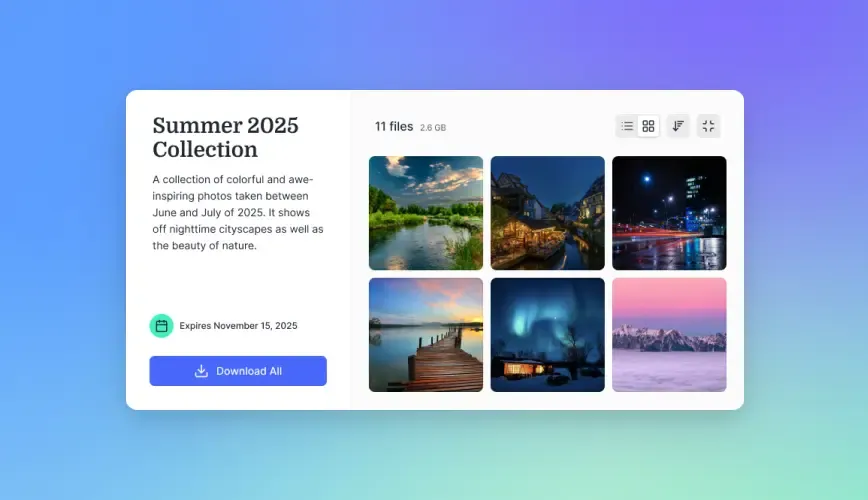
Centralize your multi-channel campaign assets in one workspace
Fast.io gives your OpenClaw agent persistent storage, semantic search across your campaign library once Intelligence is enabled, and remote MCP access from any session.
Competitive Intelligence and Brand Consistency
These two skills handle the monitoring and consistency layers that tie a multi-channel campaign together.
7. Scout
Scout monitors competitor websites on a configurable schedule: daily for high-priority targets, weekly for secondary ones. It filters noise like cookie banners, CDN cache hashes, and dynamic ad slots, surfacing only meaningful content changes. Every Monday, Scout compiles a structured intelligence brief covering new features announced, pricing changes detected, positioning language shifts, and job postings by department.
Key strengths:
- Automated competitor monitoring with noise filtering
- Structured weekly intelligence briefs delivered Monday mornings
- Configurable alert thresholds with delivery to Slack, Telegram, or email
Pricing: $9 one-time purchase on ClawHub.
Limitations: Scout monitors websites, not social media accounts or ad campaigns. For social competitive analysis, pair it with a social listening tool.
Best for: Marketing teams that need weekly competitive updates without manually checking competitor sites.
8. Brand Voice Profile
Brand Voice Profile builds a reusable voice guide from examples of your best-performing content. Feed it emails, blog posts, or marketing copy, and it generates a profile capturing your tone, vocabulary, sentence patterns, and personality. Every downstream skill in the same session, whether Content Forge, Cold Email, or SEO Content Writer, can apply this profile to keep output consistent across channels.
Key strengths:
- Learns voice from your actual content samples, not generic tone settings
- Produces a persistent guide that works across sessions when stored in a workspace
- Applies to any downstream writing skill in the same agent session
Limitations: Brand Voice Profile defines voice but does not generate content on its own. Pair it with Content Forge, Cold Email, or SEO Content Writer for voiced output.
Best for: Teams with multiple writers, agents, or channels that need every piece of content to sound like it came from the same brand.

Chaining Eight OpenClaw Skills into One Campaign Pipeline
Here is a practical workflow that connects these skills into a single multi-channel campaign pipeline run from one OpenClaw agent session.
Monday: intelligence gathering. Scout delivers its weekly competitive brief. Your agent reviews what competitors changed, which pricing experiments they are running, and what features they announced. This informs your campaign messaging for the week.
Content creation. Based on Scout's intelligence and your content calendar, Content Forge generates a blog post plus five social variants. SEO Content Writer optimizes the blog draft for target keywords. Brand Voice Profile ensures every piece matches your established tone.
Social publishing. AdaptlyPost or SocialClaw schedules the social variants across your active platforms, timed for optimal engagement windows. Your agent handles the scheduling in one conversation rather than logging into each platform separately.
Email orchestration. The Email Marketing skill triggers your campaign through Mailchimp, Klaviyo, or SendGrid using live segment data. For outreach campaigns, Cold Email generates personalized sequences for your lead list and exports them to your sending platform.
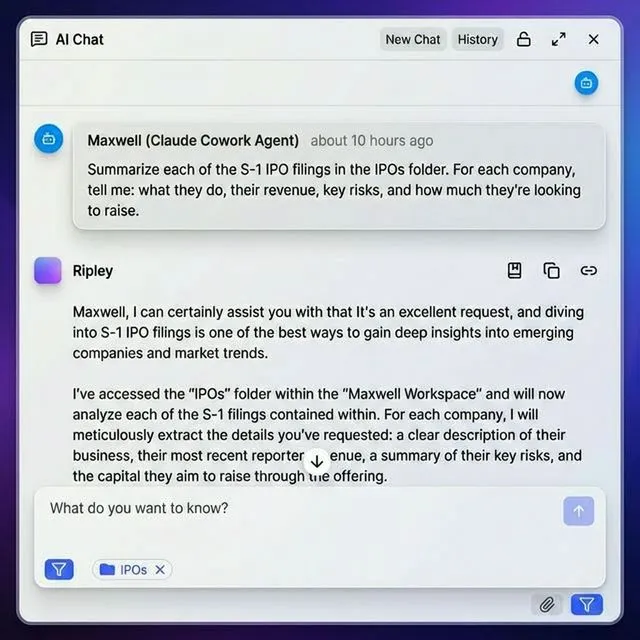
Asset persistence across sessions. Campaign assets like brand voice profiles, email templates, competitive briefs, and performance data need to survive between agent sessions. Fast.io provides persistent workspaces where your OpenClaw agent stores and retrieves these files through the MCP server. Upload your brand voice samples and content calendar to a workspace, and your agent pulls them into any skill across sessions.
Fast.io's Intelligence Mode auto-indexes uploaded files for semantic search. Your agent can query "find the email sequence that performed best for enterprise prospects last quarter" and get a cited answer from your own campaign library. Paid plans start at $9.99/mo for Starter after a 14-day Business Trial. Set up your workspace at fast.io/storage-for-openclaw.
For teams running multiple agents or campaigns in parallel, Fast.io offers advisory file locks so an agent can lease a campaign asset while editing, letting collaborators know to wait, while full version history keeps every write safe. The WebSocket events feed and activity polling notify downstream systems when files update.
Sources
References used to verify factual claims in this guide.
-
73% of marketers use six or more tools to manage campaigns across channels
-
3,286 skills available on ClawHub after February 2026 security cleanup
-
Marketing teams using OpenClaw save 15 to 20 hours per week Content Forge generates 1,500 to 2,500 word blog posts plus five social variants Scout is a $9 one-time competitor monitoring add-on with weekly Monday intelligence briefs
Frequently Asked Questions
Can OpenClaw manage marketing campaigns across multiple channels?
Yes. OpenClaw's skill ecosystem includes channel-specific skills for social media (AdaptlyPost, SocialClaw), email (ESP integration skills, Cold Email), content creation (Content Forge, SEO Content Writer), and competitive intelligence (Scout). One agent calls these skills from a single session, maintaining context as it moves across channels. The agent coordinates scheduling, publishing, and reporting without switching between platform dashboards.
What OpenClaw skills work with Mailchimp and social media?
For Mailchimp, the Email Marketing skill connects through Mailchimp's API to trigger sends, pull open rates, manage segments, and adjust sequence timing. For social media, AdaptlyPost covers nine platforms (Instagram, LinkedIn, X, Facebook, TikTok, Pinterest, YouTube, Threads, Bluesky) and SocialClaw covers eleven including Discord, Telegram, and Reddit. All three skills can run in the same agent session so your email and social campaigns stay coordinated.
How does OpenClaw compare to HubSpot for marketing automation?
They solve different problems. HubSpot is a marketing platform with its own CRM, email sender, landing pages, and analytics dashboard. OpenClaw is an agent framework that orchestrates your existing tools through skills. If you already use Mailchimp for email and Buffer for social, OpenClaw coordinates them from one agent without replacing either. HubSpot replaces your individual tools with its own suite. Teams that want a single platform choose HubSpot. Teams that want to keep their current stack but automate the coordination layer choose OpenClaw.
Can OpenClaw automate email sequences and social posts together?
Yes. In a single session, your agent can use Content Forge to generate a blog post and social variants, schedule those variants through AdaptlyPost, and trigger an email sequence through the Email Marketing skill or Cold Email. Brand Voice Profile keeps the tone consistent across all channels. The agent maintains context between steps, so the email content reflects the same messaging as the social posts without manual alignment.
How many marketing skills are available on ClawHub?
ClawHub hosts 3,286 skills total after its February 2026 security cleanup, with a growing category focused on marketing automation. The marketing and sales category includes skills for content generation, social scheduling, email orchestration, competitor monitoring, SEO, and analytics. The VoltAgent awesome-openclaw-skills repository on GitHub catalogs these by category.
Do I need a separate workspace to store campaign assets between sessions?
OpenClaw agents lose session state when they restart. If your workflow depends on brand voice profiles, email templates, lead lists, or competitive briefs persisting across sessions, you need external storage. Fast.io provides persistent workspaces with remote MCP access so your agent can read and write files between sessions, backed by a 14-day Business Trial.
Related Resources

Centralize your multi-channel campaign assets in one workspace
Fast.io gives your OpenClaw agent persistent storage, semantic search across your campaign library once Intelligence is enabled, and remote MCP access from any session.