Best OpenClaw Skills for Web Research
Web research skills let OpenClaw agents find and read information on the live web. Without them, your AI is stuck with old training data. This guide looks at the tools you need, from headless browsing to semantic search. These skills turn a basic chatbot into an analyst that can find and use information on its own.


Why OpenClaw Agents Need Specialized Research Skills
Most Large Language Models (LLMs) have a knowledge cutoff. To be useful for market analysis, competitor tracking, or news monitoring, your OpenClaw agents need live access to the internet. A simple "browser" tool isn't enough. A good agent needs specific skills to browse complex sites, get clean data, and keep that information for later.
A complete research stack has three layers: Navigation (getting to the URL), Extraction (turning HTML into clean text), and Memory (saving and indexing findings). Specialized MCP (Model Context Protocol) tools let you build an agent that runs deep research on its own. This saves analysts days of work by automating data gathering, so they can focus on strategy.
Related guides
- How to Use Claude Code Skills in ClineAccording to GitHub's Octoverse 2024 report, the number of developers building with generative AI on the platform...
- How to Use Claude Code on the WebClaude Code authored roughly 4% of all public GitHub commits by February 2026, yet most developer guides treat it as a...
- Top OpenClaw Skills for Real Estate AgentsOpenClaw skills help real estate agents automate routine tasks and focus on closing deals. From instant lead...
- Best OpenClaw Skills for AI Presentation CreationOpenClaw presentation skills let you generate, edit, and export slide decks through natural language commands in any...
- 7 Best OpenClaw Skills for AI Bookkeeping and Receipt ProcessingManual invoice processing still costs $15 to $16 per document for businesses running paper-based workflows, according...
- Best OpenClaw Skills for AI Email Copywriting in 2026OpenClaw's skill ecosystem now includes thousands of email-focused plugins that handle everything from cold outreach...
More on this subject: OpenClaw Skills (109 guides)
1. Fastio - Long-Term Research Memory
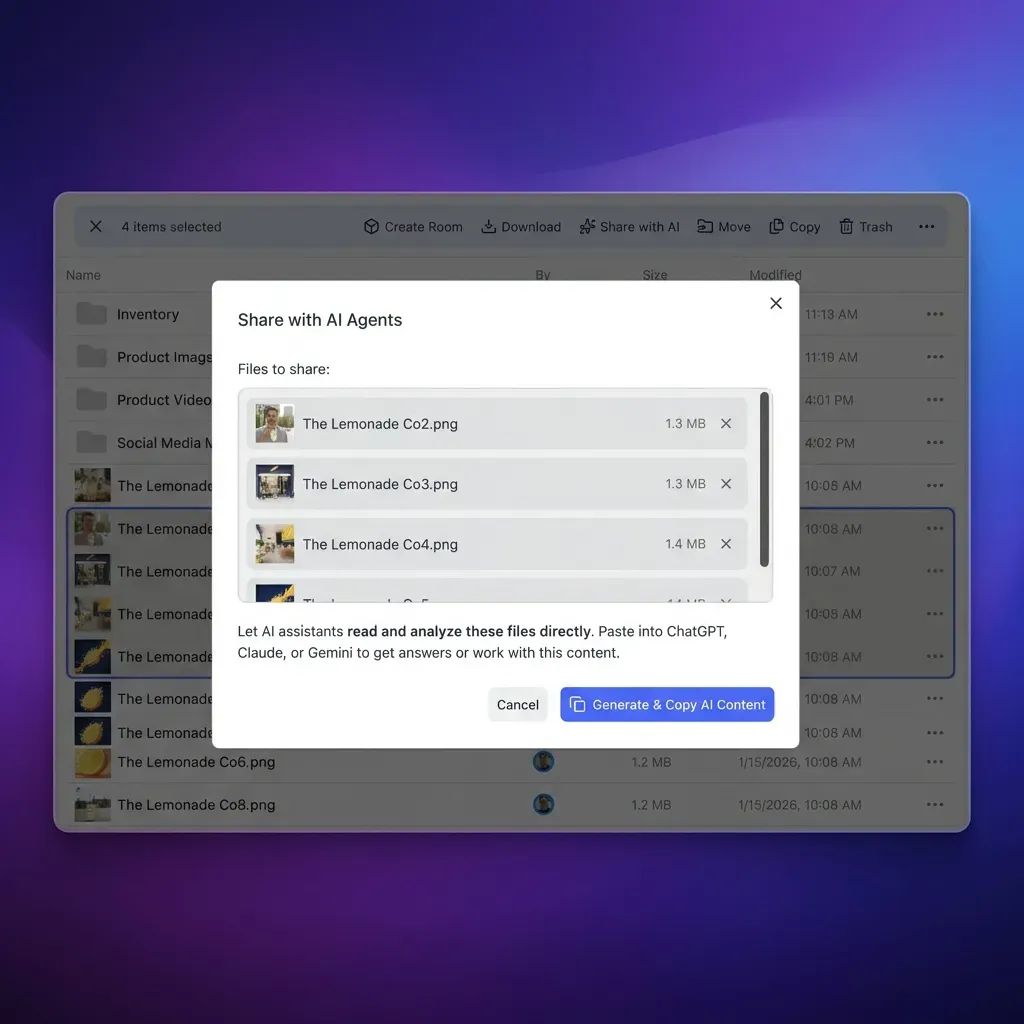
Research is useless if your agent forgets it immediately after the session ends. Fastio acts as the persistent memory layer for OpenClaw agents. Unlike vector databases that need complex setup and maintenance, Fastio workspaces work right away with zero configuration. When your agent saves a PDF, markdown file, or screenshot to a workspace, it gets automatically indexed for semantic search.
Connection: Connect your agent via the remote MCP server:
https://mcp.fast.io/mcp/tools
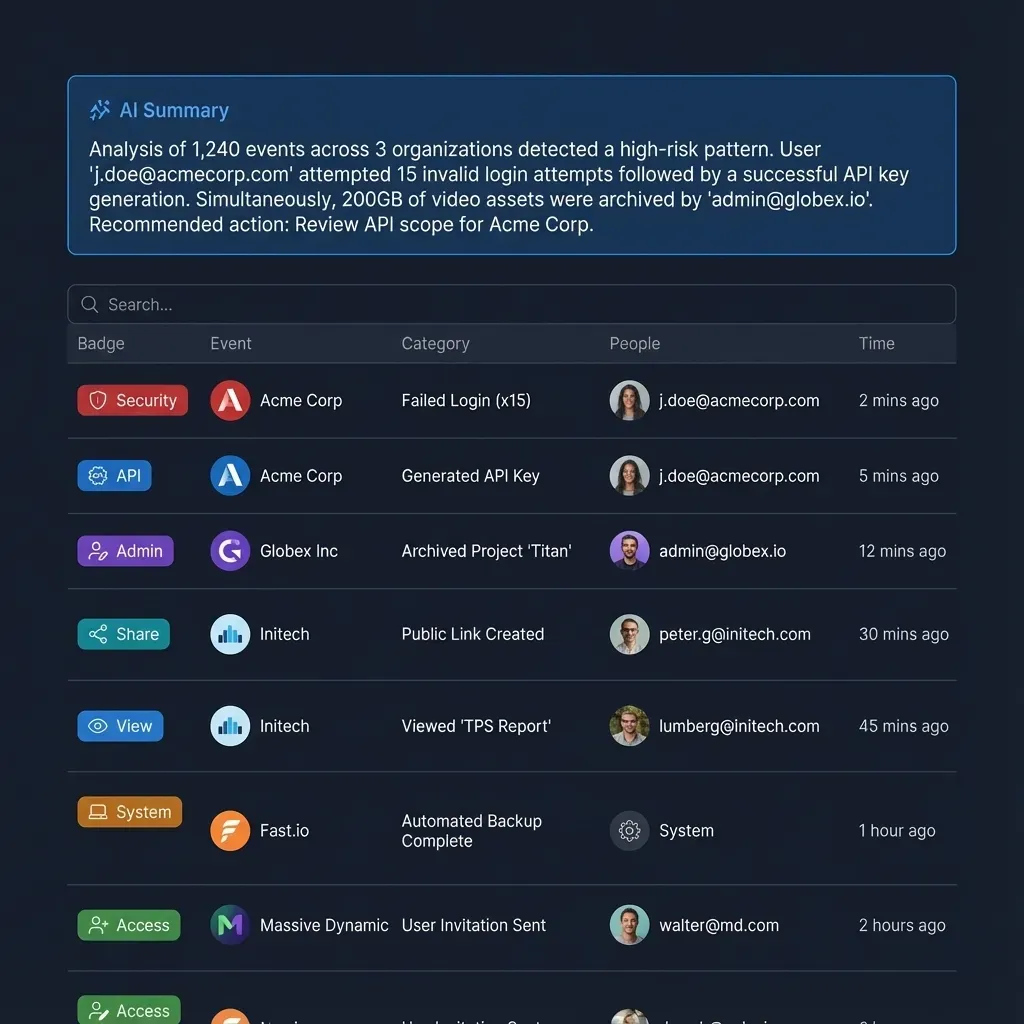
With Intelligence Mode, your agent can query saved documents using natural language. This solves the context window limit by finding only the relevant snippets from past research, rather than reloading entire documents. Fastio provides a consolidated MCP toolset covering contextual comments and audit logs , so your research notes stay organized and traceable.

2. Agent Browser - Headless Browser Navigation
The modern web blocks bots. CAPTCHAs, paywalls, and complex JavaScript rendering can stop simple HTTP requests. Agent Browser is a fast Rust-based headless browser with a Node.js fallback that lets OpenClaw agents navigate, click, type, and snapshot pages via structured commands.
Install:
clawhub install TheSethRose/agent-browser
ClawHub Page: clawhub.ai/TheSethRose/agent-browser
Your agent can open URLs, interact with dynamic content, fill forms, capture screenshots, record video, save and restore session state (cookies and storage), intercept network requests, and run parallel browser instances. It "sees" the page exactly as a user would, making sure no data is missed due to rendering issues.

3. Playwright - Full Browser Automation and Data Extraction
For research tasks that require deeper automation , such as filling multi-step forms, running test suites, or extracting structured data from rendered pages, Playwright provides complete browser control via MCP.
Install:
clawhub install ivangdavila/playwright
ClawHub Page: clawhub.ai/ivangdavila/playwright
Key actions include browser_navigate, browser_click, browser_type, and browser_select_option. Playwright also captures full-page PDFs, handles role-based selector strategies for resilient automation, and integrates with CI/CD via retry logic and artifact management. Requires Node.js and npx.
4. Brave Search - Lightweight Web Search Without a Browser
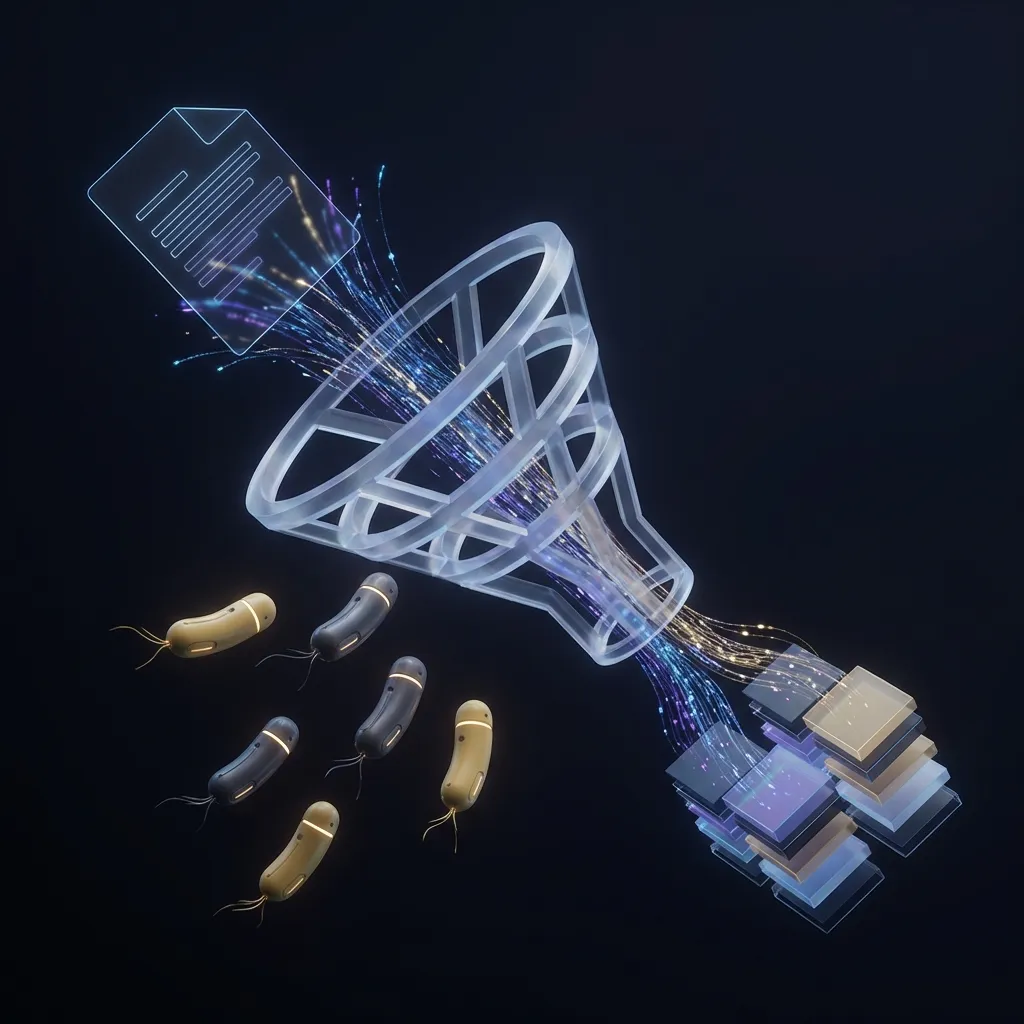
Sometimes a full headless browser is overkill. Brave Search gives agents fast web search and URL-to-markdown content extraction without spinning up any browser infrastructure.
Install:
clawhub install steipete/brave-search
ClawHub Page: clawhub.ai/steipete/brave-search
Results include title, link, snippet, and optional full page content. Configurable result counts (default 5, up to 10+). No API credentials required for basic use. Best for quick lookups, documentation searches, and fact-checking tasks where a rendered browser would waste time.

5. Gog - Google Workspace Search and Drive Integration
For research that lives inside Google's ecosystem , including Drive documents, Gmail threads, Calendar entries, or Sheets data, Gog provides a unified CLI for all Google Workspace services.
Install:
clawhub install steipete/gog
ClawHub Page: clawhub.ai/steipete/gog
Agents can search Drive files, export Docs in any format, retrieve Gmail messages by query, access Calendar events within date ranges, and read or update Sheets data. Uses OAuth for secure access. JSON output support makes it easy to pipe results into downstream analysis steps.
This is the right tool when key research materials , such as meeting notes, shared specs, or customer data, live in Google Workspace rather than the public web.



Give Your Agents a Memory
Research is only valuable if you can recall it. Fastio gives your OpenClaw agents a persistent, searchable memory bank.
How to Build a Web Research Agent with OpenClaw
You can build a research agent quickly. By combining these skills, you can create a workflow that runs on its own. Here is a simple step-by-step guide to getting started.
1. Set Up Your Environment
First, install OpenClaw and connect your agent to the Fastio remote MCP server at https://mcp.fast.io/mcp/tools. Your agent gets a persistent workspace to store its findings.
npm install -g openclaw
2. Connect a Browser Skill
Add a browsing skill like Agent Browser or Playwright to your agent's configuration. This lets it browse the web. Install with clawhub install TheSethRose/agent-browser or clawhub install ivangdavila/playwright.
3. Define the Objective Clear instructions are important. Instead of "research AI," try "Find key competitors in the generative video space, extract their pricing models from their pricing pages, and save the results as a markdown table in the 'Market Analysis' folder."
4. Automate and Schedule Once your agent is working, you can schedule it to run daily or weekly. For example, you could have it check for new regulatory filings or competitor press releases every morning and summarize them for you.
Ethical Considerations for Agent Scraping
When deploying autonomous agents to browse the web, you must follow ethical scraping standards to avoid legal issues and maintain good internet citizenship.
Respect Robots.txt
Always check a site's robots.txt file. This file tells bots which pages they are allowed to access. Ignoring it is a sure way to get your agent's IP address banned.
Rate Limiting Don't hammer a server with a flood of requests. Use rate limiting to space out your agent's requests. This acts like human behavior and prevents you from slowing down the target site for other users.
User-Agent Strings Identify your bot. Use a custom User-Agent string that includes your contact information or a link to your bot's policy. This allows webmasters to contact you if your agent is causing issues, rather than just blocking you outright.
Top Research Skills Compared
Choosing the right mix of skills depends on your specific research goals. Here is how the top ClawHub skills compare for different stages of the research pipeline.
For a strong OpenClaw research agent, use the "triad" approach: Brave Search to find high-quality URLs fast, Playwright or Agent Browser to extract content from rendered pages, and Fastio to store and query the knowledge base over time. This combination covers discovery, extraction, and retention for any research task.
Sources
References used to verify factual claims in this guide.
-
Agent Browser is a fast Rust-based headless browser CLI with Node.js fallback enabling navigation, screenshots, session state, and parallel instances
-
GitHub skill by steipete has 3,000+ current installs and 391 stars on ClawHub
Frequently Asked Questions
Can OpenClaw agents browse the live internet?
Yes, but they need a specific skill to do so. OpenClaw agents themselves are just software orchestrators. They need ClawHub skills like Agent Browser (`clawhub install TheSethRose/agent-browser`) or Playwright (`clawhub install ivangdavila/playwright`) to navigate and render web pages. Without these skills, they are limited to their training data.
What is the best skill for scraping data?
For lightweight search and URL-to-markdown extraction, Brave Search (`steipete/brave-search`) is the simplest option. For full page rendering and structured data extraction from JavaScript-heavy sites, Playwright (`ivangdavila/playwright`) provides complete MCP browser control.
How do I save my agent's research?
You should use a persistent storage layer like Fastio. By saving your agent's findings (markdown files, PDFs, JSON) to a [Fastio workspace](/product/workspaces/), they are automatically secured, backed up, and indexed. Your agent can then search and find that information later without re-running the research.
Is web research expensive for AI agents?
It can be if not optimized. Browsing and scraping consume tokens and API credits. Using a lightweight search tool like Brave Search to find *only* relevant pages before running Playwright is the best way to control costs. Scraping many low-quality results wastes tokens and time.
Do I need a vector database for my agent?
Not necessarily. While vector databases are powerful, they are complex to manage. Fastio's Intelligence Mode provides a built-in RAG (Retrieval-Augmented Generation) system that automatically indexes your files. You get the benefits of vector search without the infrastructure headache.
Related Resources

Give Your Agents a Memory
Research is only valuable if you can recall it. Fastio gives your OpenClaw agents a persistent, searchable memory bank.