Top OpenClaw Integrations for AI Translation Workflows
OpenClaw's skill ecosystem includes dedicated integrations for text translation, speech-to-text transcription, multilingual voice synthesis, and video localization. This guide maps the strongest translation-related skills across those categories and shows how to connect them into a full localization pipeline with persistent file storage on Fastio.

Why OpenClaw Works for Translation Pipelines
Most translation projects involve more than one step. You start with source text or audio, translate it, generate voiceovers or subtitles, and then distribute the localized files. Each step typically requires a different tool, and stitching them together manually gets tedious fast.
OpenClaw handles this by letting you install specialized skills from ClawHub, the public skill registry with over 5,400 community-built options. Each skill teaches OpenClaw how to call a specific API or run a local tool. You can chain skills together in a single conversation: transcribe audio with Whisper, translate the transcript with DeepL, and synthesize the result into speech with ElevenLabs, all without switching contexts.
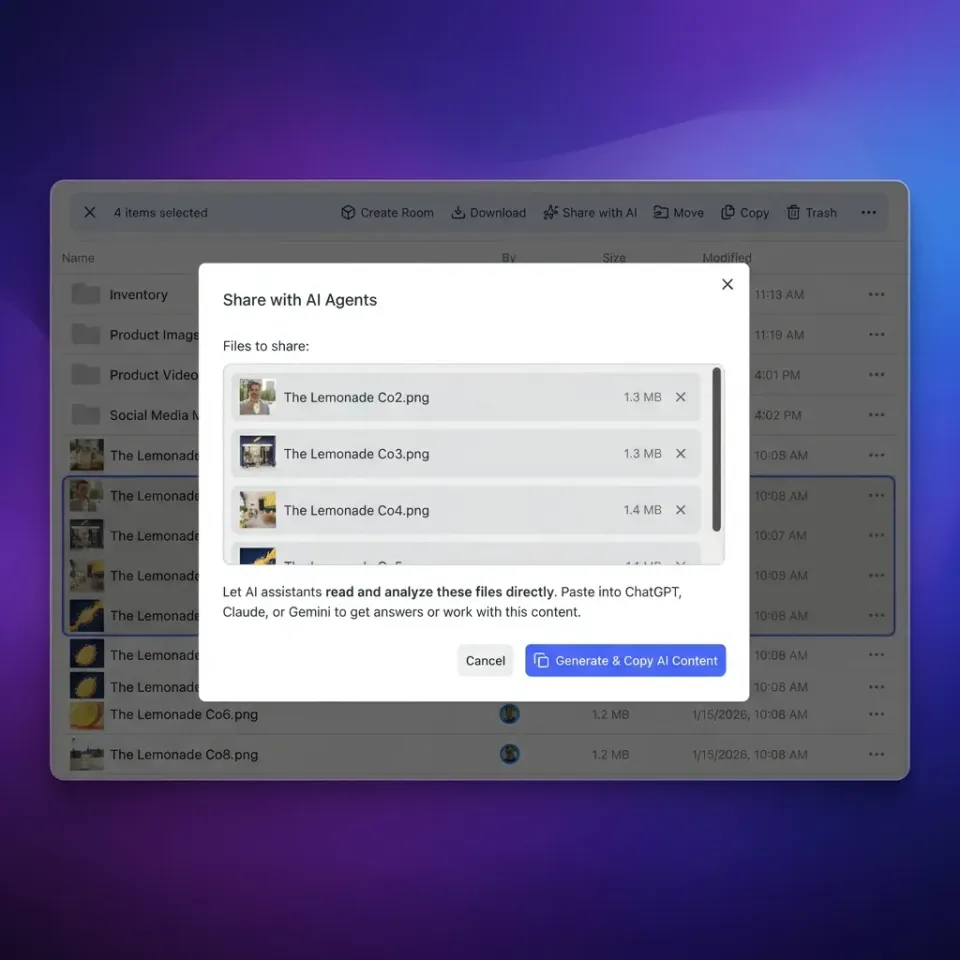
The platform supports 14 text-to-speech providers with multilingual output, which means you can pick the voice engine that fits your budget and quality requirements. For teams that need to store, version, and share localized files across agents and reviewers, Fastio workspaces provide persistent storage with built-in file versioning and granular permissions.
Related guides
- How to Build Claude Cowork WorkflowsAgentic workflows handle repetitive data processing, but setting them up requires structure. Learn how to build Claude...
- Top Integrations for Microsoft Copilot StudioMicrosoft Copilot Studio lets businesses build custom AI agents, but its real power comes from connecting to external...
- Top 8 OpenClaw Integrations for Creative AgenciesCreative agencies choose OpenClaw integrations to speed up client handoffs and file deliveries. These tools handle...
- 5 Best OpenClaw Integrations for Motion DesignersMotion designers often lose hours to file management and render setups instead of actually animating. OpenClaw...
- Best OpenClaw Workflows for AI Image Generation PipelinesOpenClaw 2026.4.5 turned agents into image producers. The native image_generate tool supports 10 providers out of the...
- Best OpenClaw Workflows for Nonprofit OrganizationsOpenClaw workflows help nonprofit organizations scale their impact by automating donor outreach, grant research, and...
More on this subject: OpenClaw Workflows and Integrations (69 guides)
Text Translation Skills
Text translation is the foundation of any localization workflow. OpenClaw has two primary skills for this.
DeepL Translate
The deepl-translate skill covers the core DeepL API: text translation, document translation (handling formats like .docx natively), rephrasing with style options like "business" or "casual," and glossary management for consistent terminology. You set your DEEPL_AUTH_KEY and the skill exposes functions for translating between DeepL's supported language pairs.
Glossaries are particularly useful for product teams. If your brand name, feature names, or technical terms need to stay consistent across languages, you create a glossary once and every subsequent translation call respects it. The skill supports both v2 and v3 glossary formats.
Best for: High-accuracy document translation where terminology consistency matters.
Translate (LLM-Based)
The translate skill takes a different approach: instead of calling a dedicated translation API, it uses your configured LLM to handle translation. This gives you flexibility to guide the output with additional context about tone and audience, though results will vary between runs since LLMs are non-deterministic.
The practical difference comes down to repeatability vs. adaptability. DeepL gives you the same output every time, which is what you want for legal or technical documents. LLM-based translation adapts better to creative and marketing copy where natural-sounding prose matters more than exact reproducibility.
Best for: Marketing copy and creative content where natural tone outweighs deterministic output.

How Speech-to-Text Skills Feed the Translation Pipeline
Before you can translate audio or video content, you need a transcript. OpenClaw offers several speech-to-text skills, each balancing speed, privacy, and cost differently.
OpenAI Whisper (Local)
The openai-whisper skill runs Whisper models on your own hardware, so no audio leaves your machine. It produces .txt transcripts or .srt subtitle files and includes a translate mode that converts foreign-language audio directly into English text, potentially skipping a separate translation step.
Best for: Privacy-sensitive audio and offline workflows.
Faster-Whisper
The faster-whisper skill is a speed-optimized Whisper reimplementation that runs roughly 4-6x faster with comparable accuracy. It also supports speaker diarization for multi-speaker recordings. If you process hours of audio daily, the throughput difference adds up.
Best for: High-volume transcription and multi-speaker content.
Video Transcription
The transcribe-video skill extracts speech from video files and generates SRT subtitle files with language detection. It also supports optional subtitle burn-in for producing standalone localized clips without a separate video editor.


Store and version your translated assets in one workspace
Generous storage with file versioning, granular permissions, and MCP access for OpenClaw agents.
Multilingual Voice Synthesis
Once you have translated text, you often need it spoken aloud in the target language. OpenClaw's built-in TTS system supports 14 providers, and several of them handle multilingual output well.
ElevenLabs
The elevenlabs-voices skill (version 2.1.5) is the most capable option for multilingual voice synthesis. It supports 32 languages through the multilingual v2 model, offers 18 voice personas, and includes voice cloning for matching a specific speaker's voice in a new language. The skill also handles streaming mode for real-time audio output, batch processing for large translation jobs, and cost tracking so you can monitor API spend.
ElevenLabs produces the most natural-sounding multilingual output of any provider in the OpenClaw ecosystem. The tradeoff is cost: it's a paid API, and voice cloning requires a separate subscription tier.
Best for: Professional voiceover replacement, branded audio content, and any project where voice quality is the priority.
Built-In TTS Providers
OpenClaw's native TTS configuration supports providers beyond ElevenLabs. The full list includes OpenAI, Microsoft Edge TTS (free, no API key), Azure Speech, Google Gemini, DeepInfra (defaults to Kokoro-82M), Gradium, Inworld, MiniMax, OpenRouter, Volcengine (BytePlus), Vydra, xAI, and Xiaomi MiMo. If no provider is configured, OpenClaw falls back to OpenAI if a key is set, then ElevenLabs, then Edge TTS.
For translation workflows on a budget, Edge TTS is a practical starting point. It provides neural voices across multiple languages with no API key and no per-request cost. The quality is lower than ElevenLabs, but acceptable for internal use, drafts, or accessibility audio tracks.
Google Gemini TTS is another strong option if you already have a Gemini API key. It supports persona-aware batch synthesis, which means the voice adapts its delivery based on context, useful for translating conversational content where tone matters.
Video Translation and Localization
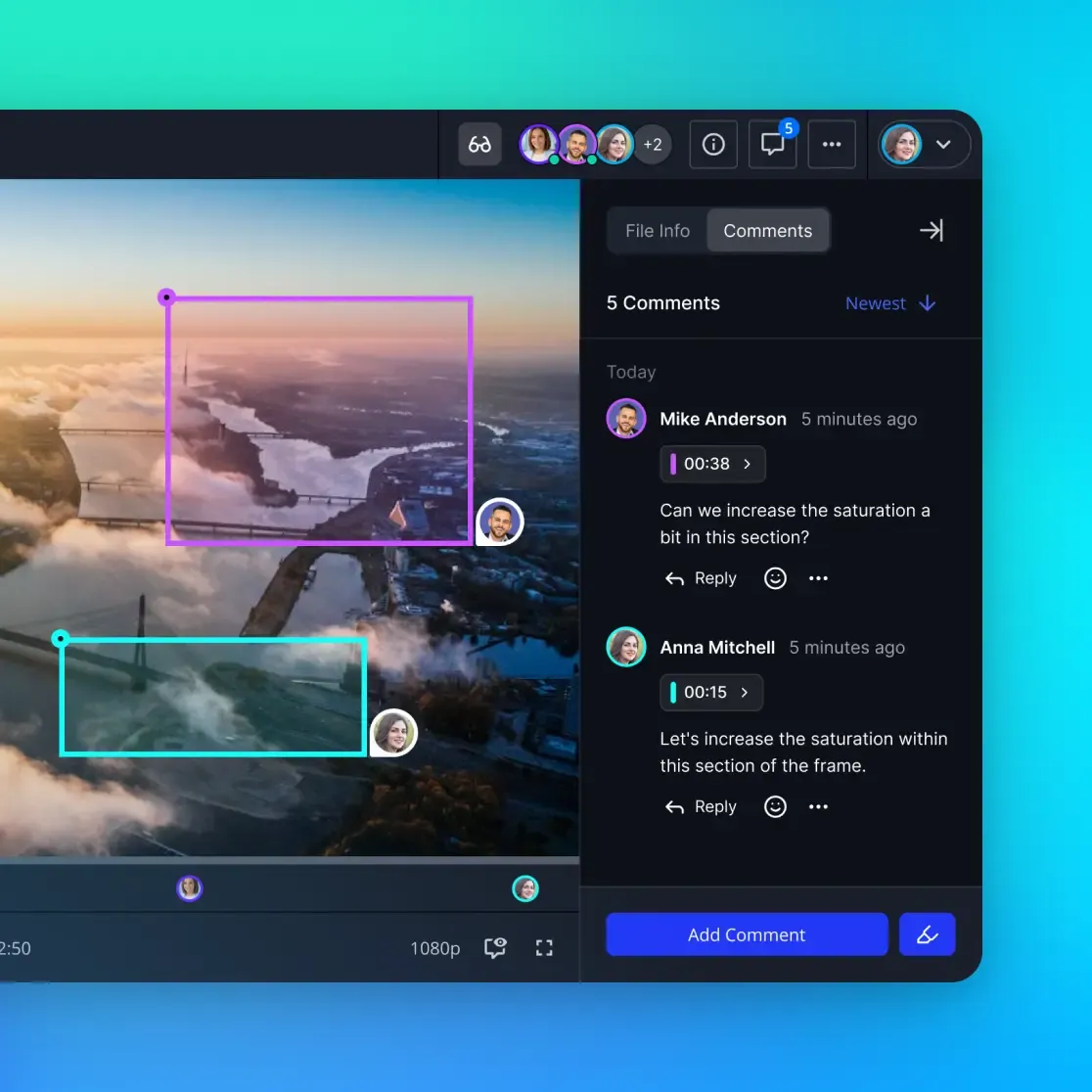
Video localization is the most complex translation workflow because it combines text, audio, and visual elements. OpenClaw has skills that address each layer.
EachLabs Video Edit
The eachlabs-video-edit skill provides access to AI models for lip sync translation, subtitle generation, audio merging, style transfer, and video extension. The lip sync capability is particularly relevant for translation: it adjusts the speaker's mouth movements to match dubbed audio in the target language, which makes translated videos look natural rather than overdubbed.
The skill connects to the EachLabs Predictions API and requires an EACHLABS_API_KEY. It's designed for editing existing videos rather than generating new ones from scratch.
Best for: Dubbing and lip-syncing translated voiceovers onto existing video content.
MediaClaw
MediaClaw is an AI-powered video content factory that handles the full localization pipeline for short-form video. Given a source video, it analyzes scenes, replaces brand elements (logos, packaging, on-screen text), generates culturally adapted captions, swaps voiceovers with TTS-generated audio matched to the original pacing, and outputs platform-optimized clips for TikTok, Instagram Reels, YouTube Shorts, and other formats.
The voiceover replacement process uses demucs to separate background music from speech, generates new voice tracks with matched pacing, and remixes them with the original audio bed. This preserves the feel of the original video while delivering the content in a new language.
Best for: Marketing teams localizing short-form social video at scale across multiple platforms and languages.
Subtitle Translation
For teams that prefer subtitles over dubbing, the video-subtitles skill generates SRT files from video or audio with language detection and translation support. You can combine this with the transcribe-video skill to build a pipeline: extract speech, generate subtitles, translate them, and burn the translated subtitles back into the video.
How to Build a Complete Localization Pipeline
The real value of OpenClaw's skill ecosystem is chaining these integrations together. Here's how a practical end-to-end translation workflow looks.
Step 1: Transcribe. Use faster-whisper to extract text from source audio or video. For a 30-minute video, this takes roughly 90 seconds on a GPU.
Step 2: Translate. Pass the transcript through deepl-translate for high-accuracy translation, or use the translate skill for creative content that needs tone adaptation. For subtitle files, the SRT format is preserved through translation so timestamps stay intact.
Step 3: Synthesize. Generate voiceovers in the target language with elevenlabs-voices. Match the original speaker's voice using voice cloning, or pick from the 18 built-in personas. For budget-conscious projects, Edge TTS handles the job at no cost.
Step 4: Assemble. Use eachlabs-video-edit for lip-synced video dubbing, or burn translated subtitles directly with video-subtitles. MediaClaw handles the full pipeline for short-form social content.
Step 5: Store and share. Push finished files to a Fastio workspace where reviewers, clients, and other agents can access them. Fastio's file versioning tracks each iteration of a translated asset, so you can compare v1 against v3 of a French voiceover without digging through local folders. The MCP server lets OpenClaw upload, organize, and share files programmatically, and Intelligence Mode auto-indexes uploaded content for semantic search across your translated library.
For teams running OpenClaw agents that produce localized content overnight, the ownership transfer feature lets the agent build a complete workspace of translated assets and hand it off to a human reviewer in the morning. The reviewer gets full access to the files; the agent retains admin privileges for future updates.
How to Choose the Right Integration Stack
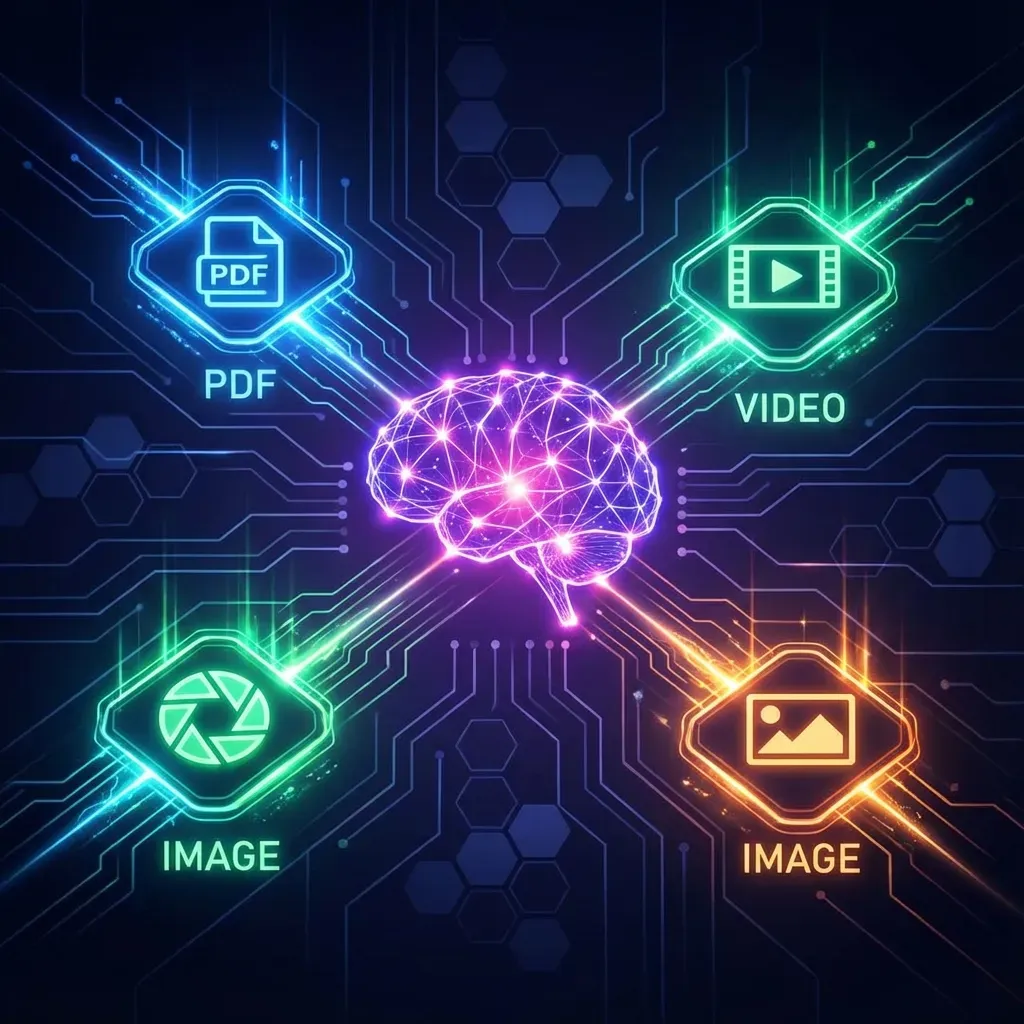
Your choice of integrations depends on what you're translating and how much you need to spend.
Text only (documents, web content, marketing copy): Start with deepl-translate for accuracy or the translate skill for tone-adapted creative work. Store source and translated files in Fastio workspaces with the 14-day Business Trial (card required; see /pricing/).
Audio content (podcasts, interviews, courses): Add faster-whisper for transcription and elevenlabs-voices for multilingual synthesis. If budget is tight, substitute Edge TTS for ElevenLabs. The quality gap is noticeable but acceptable for internal content.
Video content (marketing, social, training): Layer in eachlabs-video-edit for lip sync dubbing or MediaClaw for automated short-form video localization. These are the most expensive integrations because of per-video API costs, so start with your highest-value content.
Budget-conscious setup: Whisper (free, local), the LLM-based translate skill (uses your existing LLM credits), and Edge TTS (free). This combination costs nothing beyond your LLM provider fees and handles text and audio translation end to end.
The OpenClaw skill ecosystem continues to grow. ClawHub lists over 5,400 skills, and the speech and transcription category alone has 45 options. As new providers launch multilingual models, expect more skills to appear. The consistent interface, install a skill, set an API key, start using it, means you can swap providers without rebuilding your workflow.
Sources
References used to verify factual claims in this guide.
-
OpenClaw supports 14 text-to-speech providers
-
ElevenLabs supports 32 languages with multilingual v2 model
-
Faster-whisper achieves 4-6x speed improvement over standard Whisper
-
ClawHub hosts over 5,400 community-built skills
Frequently Asked Questions
Can OpenClaw translate documents?
Yes. The deepl-translate skill handles document translation for formats like .docx natively through the DeepL API. The LLM-based translate skill can also process document text, preserving formatting and adapting tone per locale. For PDF or scanned documents, you would first extract text using a separate skill, then pass the output to either translation skill.
Which OpenClaw skill handles video translation?
The eachlabs-video-edit skill handles video translation with lip sync, subtitle generation, and audio merging. For full pipeline video localization including voiceover replacement and platform-specific output, MediaClaw automates the entire workflow from scene analysis through to final export.
How do I set up multilingual workflows in OpenClaw?
Install the skills you need from ClawHub, set the required API keys as environment variables, and chain the skills in your OpenClaw conversation. A typical multilingual workflow uses faster-whisper for transcription, deepl-translate for text translation, and elevenlabs-voices for voice synthesis. Each skill runs independently, so you can swap any component without affecting the others.
Does OpenClaw support real-time translation?
OpenClaw's TTS providers support streaming mode for real-time audio output, and Whisper can process audio in near-realtime on GPU hardware. For live translation during calls or meetings, you would need to combine speech-to-text, translation, and text-to-speech skills in a pipeline. The latency depends on your hardware and which providers you choose.
How many languages does OpenClaw support for voice synthesis?
ElevenLabs, the most capable multilingual provider in the OpenClaw ecosystem, supports 32 languages through its multilingual v2 model. Other built-in TTS providers like Google Gemini and Azure Speech also offer multilingual output. The total language coverage depends on which provider you configure.
Related Resources

Store and version your translated assets in one workspace
Generous storage with file versioning, granular permissions, and MCP access for OpenClaw agents.