Best File Storage for Solo Lawyers
Solo lawyer file storage must handle sensitive client documents securely while keeping costs low and access simple. Solo attorneys often juggle dozens of cases yearly, needing tools for organized case folders, client portals, and activity tracking. This guide covers key features and top options. It explains why workspace-based storage like Fastio fits independent practices best.


Why Solo Lawyers Need Specialized File Storage
Solo lawyers face unique file management challenges. You handle client contracts, court filings, discovery documents, and correspondence across multiple cases. Poor organization leads to missed deadlines or compliance risks.
General cloud drives create folder chaos with shared links scattered everywhere. Clients struggle to find files, and tracking access becomes manual work. Secure storage starts with clear workspaces per case or client.
For example, a divorce case might include financial statements, emails, custody plans, and settlement drafts. Dedicated folders with permissions prevent accidental shares. Activity logs show who viewed what and when, which matters for sensitive client matters.
Helpful references: Fastio Workspaces, Fastio Collaboration, and Fastio AI.
Related guides
- Why General Storage Like Dropbox for Law Firms Falls ShortUsing Dropbox for law firms is a common practice among solo and small-firm practitioners, but general storage tools...
- Clio Legal Software: Architecture, Core Features, and Storage LimitsClio legal software is a cloud-based practice management system that unifies matter management, billing, calendaring,...
- Secure Workflows for Legal Transcription File Sharing and Audio IngestionSetting up secure workflows for legal transcription file sharing requires matter-centric workspaces, encrypted intake...
- Understanding Clio Document Sharing Limits (and How to Bypass Them)Firms handling large case files often encounter Clio document sharing limits, including a five gigabyte individual file...
- Clio Legal Practice Management Software: A Document Strategy GuideClio is a cloud-based legal practice management software that centralizes client files, billing, and scheduling, but...
- How to Share Files with Opposing Counsel Safely and SecurelyExchanging litigation files with opposing counsel requires secure, authenticated channels. Traditional email and...
More on this subject: Legal Teams (211 guides)
Key Features Solo Lawyers Need in File Storage
Not all cloud storage fits a solo practice. Enterprise tools often include features you will never use, along with price tags that hurt a small practice. Here's what matters most:
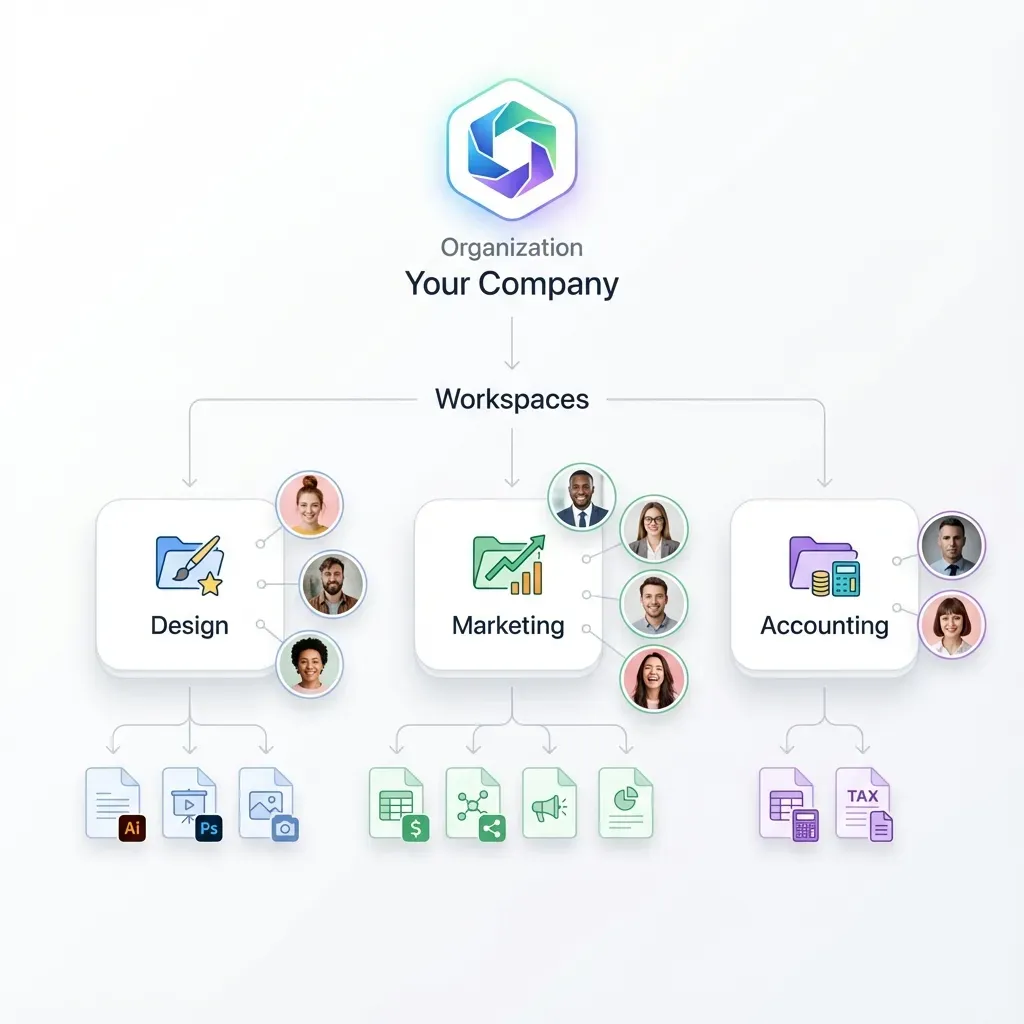
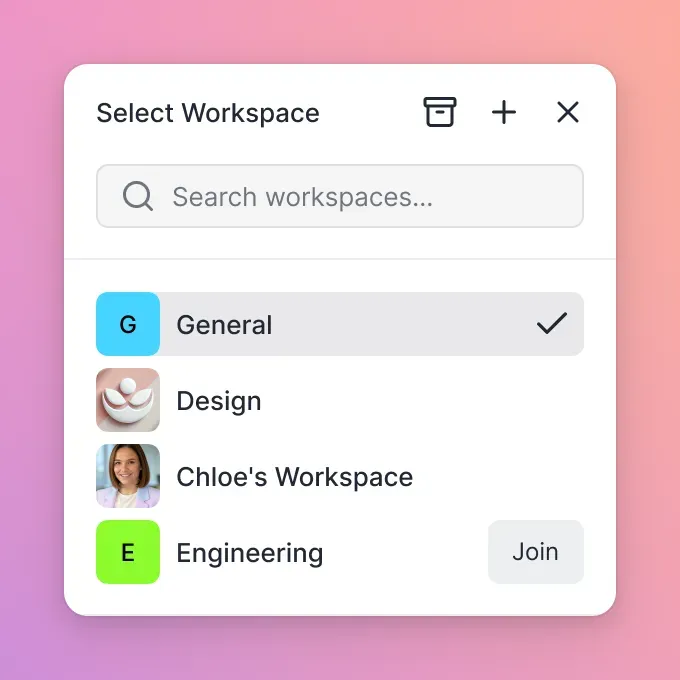
Workspaces per case or client: Create separate spaces for each matter so files do not get mixed up. Clients see only their documents, not other cases. This separation matters especially for attorneys handling sensitive matters like family law or estate planning where confidentiality is essential.
Client portals with your branding: When sharing files with clients, a branded portal looks professional and builds trust. Clients feel they are working with an established firm. Custom logos, colors, and domain names help reinforce your brand without a full website update.
Activity tracking and audit logs: You need to know when clients access documents. Court deadlines often depend on proving delivery. Complete audit trails satisfy your duty to maintain proper records. For example, if a court requires proof that you sent a settlement proposal by a certain date, your audit log provides that evidence.
Granular permissions: Control who can view, download, or edit. Sometimes you want clients to see documents but not download them for security. You might allow view-only access to a final contract while giving edit access to working drafts where you need client input.
No per-user pricing: As a solo, you do not have team seats to manage. Paying per user for every client you invite does not make sense. Look for unlimited guest access so you can share with as many clients as needed without watching the meter.
Top 5 File Storage Options for Solo Lawyers
Here's how top options compare for solo lawyers:
Feature Comparison Table
Fastio for Solo Lawyers
Fastio works well for solo attorneys. It skips the enterprise complexity. You get workspaces on plans with seats included, and clients you invite as guests on shares do not take a seat. Audit logs track every view and download, which matters for compliance documentation. Branded client portals make your practice look established.
The workspace model keeps case files organized. Each client or matter gets its own space. You control permissions at the workspace level, so clients see only what you share. Activity tracking shows exactly when clients access documents, valuable when court deadlines depend on proof of delivery.
Dropbox
Dropbox offers familiar interface and wide adoption. Strengths include strong sync capabilities and good mobile apps. Limitations for solos include per-seat pricing that adds up when you invite clients, and basic sharing without native client portal branding. Best for solos who prioritize familiarity over cost.
Box
Box targets enterprise teams with strong security features. Strengths include strong compliance tools and detailed permissions. The downside is pricing that scales with users, making it expensive for solos who need guest access. Best for solos planning to grow into larger firms.
ShareFile
ShareFile from Citrix focuses on legal and healthcare industries. Strengths include native integration with practice management tools and secure file request features. Limitations include dated user interface and per-seat pricing that adds up. Best for firms already in the Citrix ecosystem.
Google Drive
Google Drive offers free storage for individuals. Strengths include zero cost and smooth Google Docs integration. Limitations include weak audit logging, no branded sharing, and folder-based organization that does not map well to case files. Best for solos on tightest budgets who do not need professional branding.


Get Started with Fastio
Fastio gives solo lawyers workspaces, audit logs, and branded client portals without enterprise pricing. Start trial and scale as your practice grows.
Why Workspace-Based Storage Beats General Cloud Drives
General cloud storage started as consumer products. You get a big folder to organize however you want. That flexibility becomes a liability when you manage sensitive client information across dozens of matters. The more files you accumulate, the harder it becomes to find anything.
Workspace-based storage forces organized structure. Each client or case gets its own space. Files cannot leak between matters because workspaces are separated by design. Clients invited to one workspace cannot see others. This isolation protects attorney-client privilege and prevents embarrassing or legally risky accidental exposures.
Fastio adds intelligence on top of workspaces. Enable Intelligence Mode and your files become searchable by meaning, not just filename. Ask "show me the contract from March" across an entire workspace and get results instantly. This matters when you have years of documents across hundreds of cases. Natural language search finds relevant documents even when you cannot remember exact filenames.
Organization-owned files solve another solo problem: what happens when you cannot work? With personal cloud accounts, files belong to the individual. If you become incapacitated or decide to retire, client files might become inaccessible. With Fastio, files belong to the organization. Transfer ownership to another attorney if needed, without losing access to client documents. This continuity protects your clients and satisfies bar association requirements for proper file management.
Setting Up File Storage for Your Solo Practice
Getting started takes less than an hour. Here's a practical setup:
Create a workspace for each active practice area or major client type. Common divisions include litigation, transactions, family law, and real estate. If you handle diverse matters, create workspaces for each major category.
Set up client folders inside each workspace. Include subfolders for key document categories: correspondence, filings, evidence, contracts, and closing documents. Standardized naming helps you find files quickly and trains staff if you ever hire help.
Configure external sharing for each client workspace. Generate share links that work without requiring client accounts. Many clients prefer not to create yet another login. Set expiration dates for sensitive temporary shares, like settlement proposals that should not linger indefinitely.
Enable audit logging to track client access. Check the activity log monthly to ensure clients are reviewing shared documents. If a client claims they never received your filing, the audit log proves otherwise.
Create a branded client portal if available. Add your firm logo and customize colors to present professionally. This investment pays dividends in perceived competence.
The time investment upfront pays off in reduced chaos later. Organized storage means faster document retrieval, clearer client communication, and better compliance documentation. You will not have to dig through layers of folders when a client calls asking about their case.
Frequently Asked Questions
What is the top file storage for solo lawyers?
The best solo lawyer file storage combines workspace organization, unlimited guest access, audit logs, and reasonable pricing. Fastio matches this well. It skips enterprise pricing complexity and provides the security features solos need. Workspaces keep case files separated, audit logs track client access, and you do not pay per client you invite.
Do solo lawyers need compliance-certified storage?
Solo lawyers handling healthcare-related cases benefit from strong security features, though Fastio does not claim compliance certifications. What matters is encryption at rest and in transit, access logging, and controlled sharing. These features protect client confidentiality regardless of specific regulatory frameworks.
How do I organize files for multiple cases as a solo lawyer?
Use workspace-based storage to separate each case or client. Create distinct workspaces for each matter with organized subfolders inside. Enable client access only to their specific workspace. This prevents accidental exposure between cases and simplifies compliance documentation.
Can I use Dropbox or Google Drive for legal files?
Yes, but with limitations. Both offer basic cloud storage, but lack audit log depth, workspace separation, and branded client portals that professional practices need. Per-user pricing also adds cost when inviting clients. Enterprise-focused alternatives like Fastio or ShareFile better match solo practice requirements.
How much does file storage cost for a solo practice?
Costs range from free (Google Drive) to $multiple+ per user monthly (enterprise tools). The key is understanding per-guest costs. Solo practices benefit from plans where inviting clients does not add seats. Fastio's Starter plan ($9.99/mo) includes 3 seats, and clients invited as guests on shares do not take a seat.
Related Resources

Get Started with Fastio
Fastio gives solo lawyers workspaces, audit logs, and branded client portals without enterprise pricing. Start trial and scale as your practice grows.