OpenClaw Wiki: How to Build a Knowledge Vault for Your AI Agent
OpenClaw hit 247,000 GitHub stars by March 2026, yet most users still rely on flat MEMORY.md files for agent recall. The memory-wiki plugin replaces that pattern with a compiled knowledge vault that tracks provenance, catches contradictions automatically, and exposes four specialized search modes for structured retrieval. This guide walks through vault setup, ingestion workflows, compilation, linting, and Obsidian sync.

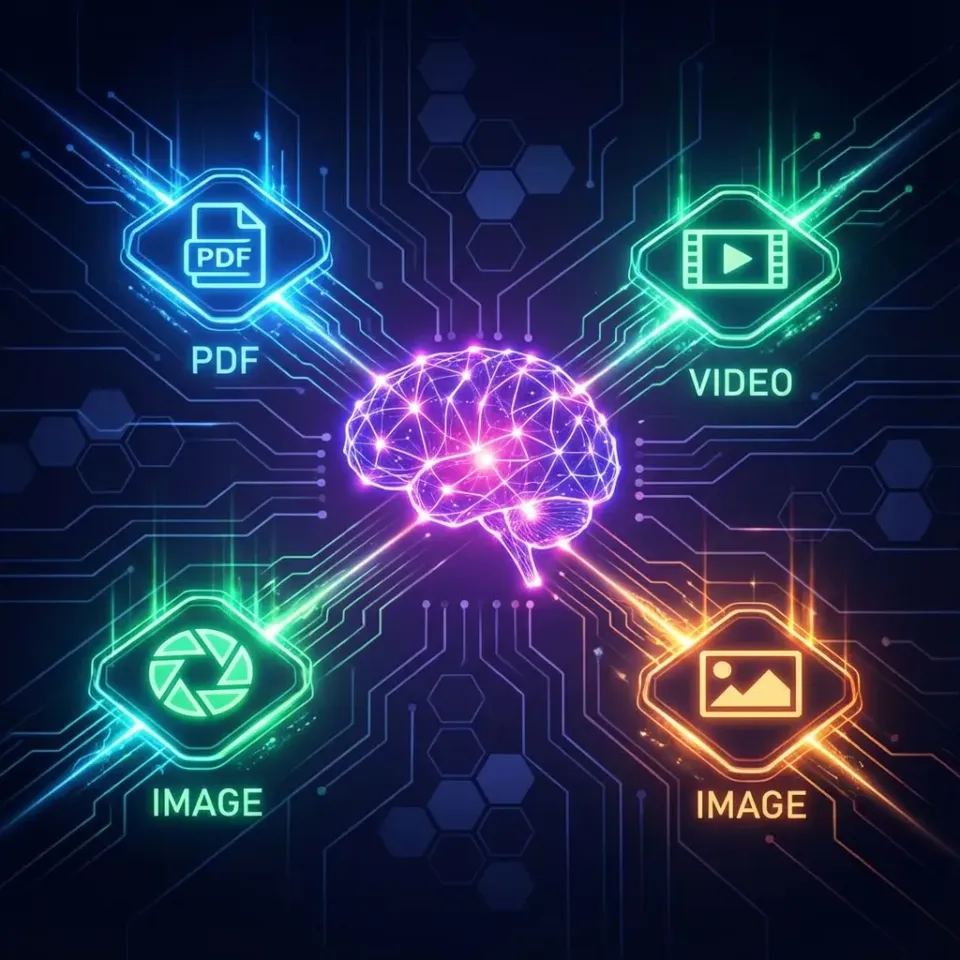
Why Flat Memory Files Break Down
OpenClaw's GitHub repository crossed 247,000 stars by March 2026, according to its Wikipedia entry. That growth brought a wave of users who outgrew the default MEMORY.md approach within weeks. Flat files work fine for a handful of notes, but they have no structure for tracking where a fact came from, whether it conflicts with something written three months ago, or when it was last verified.
The memory-wiki plugin addresses this gap. It runs alongside the active memory plugin rather than replacing it. Active memory handles raw recall and semantic search. The wiki layer handles compiled pages, provenance-rich syntheses, and structured claims with confidence scores. The official docs describe it as "a compiled knowledge vault with wiki-native search and page reads, provenance-rich syntheses, contradiction and freshness reports."
This separation matters because agent memory serves two different needs. Short-term recall ("what did the user say five minutes ago?") requires speed and recency. Long-term knowledge ("what is our deployment checklist?") requires accuracy and auditability. Mixing both in one flat file guarantees neither.
For teams running OpenClaw agents that accumulate operational knowledge, project documentation, or client data over time, the wiki vault is the difference between an agent that forgets and one that learns.
Related guides
- How to Use Devin Knowledge to Onboard the AgentCognition's Knowledge guide lets you pin each note to no repo, one repo, or all repos, so onboarding Devin is a...
- How to Build a Hermes Agent AI Code CheckerThe proportion of copy-pasted code in repositories rose from 8% in 2020 to 12% in 2024, representing a 48% relative...
- How to Sync Confluence Knowledge Bases with an OpenClaw AgentKnowledge workers spend roughly 30% of their workday searching for information, according to IDC research. Much of that...
- How to Set Up an RAG Knowledge Base in OpenClawConnect your agents to your proprietary data with automated indexing and semantic retrieval. Enable Intelligence Mode...
- How to Build RAG Pipelines with OpenClawOpenClaw RAG pipelines index documents into embeddings for semantic retrieval. This helps agents be more accurate with...
- How to Build a Web Scraping Agent with OpenClawOpenClaw's browsing skill turns your AI agent into a web scraper that can navigate pages, handle JavaScript rendering,...
More on this subject: OpenClaw Setup and Guides (199 guides)
How to Set Up Your Wiki Vault
The wiki vault ships as a bundled plugin called memory-wiki in current OpenClaw releases. No separate installation is needed.
Start by initializing the vault:
openclaw wiki init
This creates the vault layout and starter pages. The vault stores content in a structured directory with a source layer for imported content and a .openclaw-wiki/cache/ directory for compiled indexes and digests.
After initialization, check that everything is healthy:
openclaw wiki status
This reports the vault mode, health status, and whether Obsidian integration is available. If something looks wrong, run openclaw wiki doctor for a deeper diagnostic.
The vault supports three operating modes:
- Isolated mode: An independent, curated knowledge store with no dependency on the active memory plugin. Good for teams that want a clean separation between agent recall and reference knowledge.
- Bridge mode: Reads exported memory artifacts and events from the active memory plugin through public SDK seams. The wiki compiles these without accessing private internals. This is the recommended hybrid setup.
- Unsafe-local mode: An experimental filesystem escape hatch for importing from local paths on the same machine. Use with caution.
Bridge mode is the sweet spot for most setups. It lets you keep QMD (the active memory system) running for fast recall while the wiki compiles a structured, auditable knowledge layer on top.

Ingesting Content into the Vault
A wiki vault is only useful if you fill it with knowledge. The ingest command imports content while preserving where it came from.
openclaw wiki ingest <path-or-url>
Every ingested source keeps provenance metadata in its frontmatter: the original location, import timestamp, and content fingerprint. This matters when you need to trace a claim back to its source six months later.
For structured knowledge bundles, the Open Knowledge Format (OKF) importer handles batch imports:
openclaw wiki okf import <path>
The OKF importer preserves concept ID, type, resource tags, timestamps, source paths, and full frontmatter. It flattens concepts into a concepts/ directory and rewrites internal markdown links to point to the generated wiki pages.
After ingesting content, you need to compile the vault to rebuild indexes and digests:
openclaw wiki compile
Compilation writes machine-readable digests to .openclaw-wiki/cache/. These digests power the search system and generate dashboards that track contradictions, low-confidence content, stale pages, and unresolved questions.
You can also pull artifacts from the active memory plugin using bridge mode:
openclaw wiki bridge import
This imports public memory artifacts, dream reports, daily notes, and event logs, compiling them into wiki pages without touching private memory internals.
A practical ingestion workflow looks like this:
- Seed the vault with your existing documentation using
wiki ingest - Import any structured knowledge bundles with
wiki okf import - Enable bridge mode to pull ongoing memory artifacts
- Run
wiki compileto build the initial indexes - Schedule periodic recompilation as new content arrives



Persist your OpenClaw wiki vault across machines
Export compiled digests to a shared workspace. Your agent writes, your team reads.
How to Use the Four Wiki Search Modes
The wiki vault exposes four specialized search modes beyond the default auto routing. Each mode prioritizes different content surfaces, so your agent finds the right kind of answer for the right kind of question.
find-person locates aliases, handles, social profiles, canonical IDs, and person pages. When your agent needs to know who owns a service or how to reach a teammate, this mode searches person entities and contact details first.
openclaw wiki search "bgroux" --mode find-person
route-question boosts agent routing cards and relationship context. It identifies "ask-for" hints and "best-used-for" annotations, helping the agent figure out which person or team to route a question.
openclaw wiki search "who knows Teams rollout?" --mode route-question
source-evidence emphasizes source pages and structured evidence fields. Use this when the agent needs to verify a claim or find the original document backing a piece of knowledge.
openclaw wiki search "maintainer-whois" --mode source-evidence
raw-claim targets structured claim text with full metadata. Results include matchedClaimId, matchedClaimStatus, matchedClaimConfidence, evidenceKinds, and evidenceSourceIds for programmatic analysis.
The auto mode (the default) routes queries intelligently across all four modes. For most interactive use, auto works well. The specialized modes shine when you are building agent workflows that need predictable retrieval behavior, like a triage bot that always checks person routing before escalating a ticket.
Search also supports corpus selection. You can search just the wiki (corpus=wiki), just active memory (corpus=memory), or both (corpus=all). This flexibility lets you tune retrieval precision based on the task.
Linting and Freshness Reports
Knowledge vaults accumulate contradictions. Two sources disagree on a version number. A deployment guide references a deprecated API. A person page lists a role someone left three months ago. The lint command catches these problems automatically.
openclaw wiki lint
Lint reports surface several categories of issues:
- Contradictions: Competing claims across different pages where the evidence conflicts.
- Stale content: Pages that have not been updated or verified within a configurable window.
- Confidence gaps: Claims with low confidence scores or missing evidence sources.
- Structural issues: Broken links, orphaned pages, and missing provenance metadata.
- Privacy concerns: Content flagged for potential PII or sensitive data exposure.
When compilation dashboards are enabled (via render.createDashboards in the plugin config), the compile step generates health reports alongside the digests. These dashboards give you a single view of vault health: how many contradictions exist, which pages are stale, and where confidence is lowest.
The apply command handles safe, narrow mutations to fix lint findings:
openclaw wiki apply
Apply updates syntheses, metadata, and claim statuses without allowing freeform editing. This constraint prevents agents from silently rewriting knowledge. Every change through apply is scoped and auditable.
For teams that maintain operational runbooks or client documentation, running wiki lint on a schedule turns the vault into a self-auditing system. Instead of discovering that your deployment guide references a sunset API during an incident, the lint report flags it during a quiet Tuesday morning.
Obsidian Integration and Persistent Storage
The wiki vault supports bidirectional sync with Obsidian through a set of CLI helpers:
openclaw wiki obsidian status
openclaw wiki obsidian search <query>
openclaw wiki obsidian open <page>
openclaw wiki obsidian command <cmd>
openclaw wiki obsidian daily
These commands let you browse wiki content in Obsidian's graph view, search across the vault using Obsidian's native search, and create daily notes that works alongside the wiki's provenance system. If your team already uses Obsidian for internal documentation, the bridge means agents and humans can work from the same knowledge base.
One limitation worth noting: the wiki vault stores everything locally by default. For agents that run across multiple machines, restart frequently, or need to hand off knowledge to human teammates, you need a persistence layer that survives beyond the local filesystem.
Local storage works for single-machine setups. S3 or similar object stores handle multi-machine scenarios but add operational complexity. Fast.io workspaces offer a middle path: shared file storage where agents read and write through the MCP server while humans access the same files through the web UI. Fast.io offers a 14-day Business Trial, card required; see pricing.
A practical pattern for wiki persistence: export compiled vault digests to a Fast.io workspace after each compile cycle. When an agent restarts on a different machine, it pulls the latest digests from the workspace and rebuilds its local cache. Human team members can review the exported knowledge through the browser without needing OpenClaw installed.
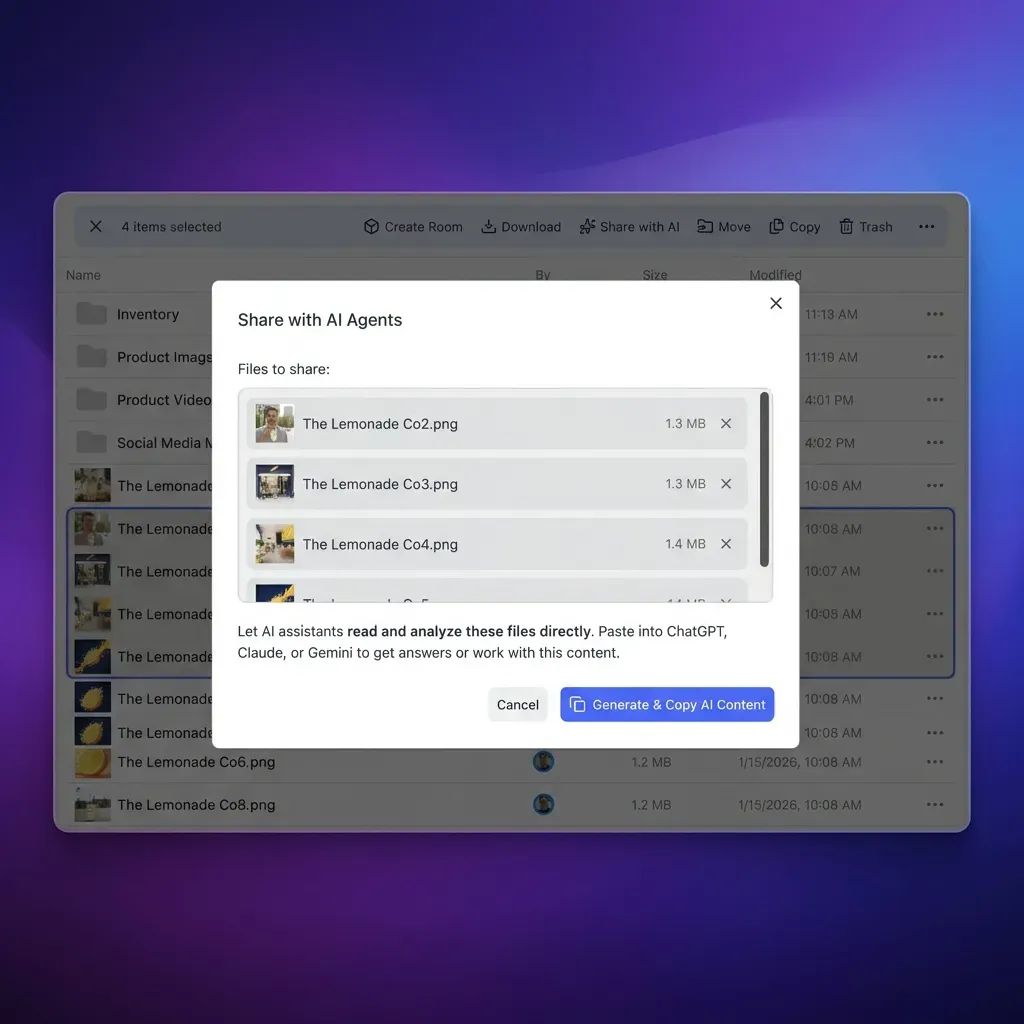
Fast.io's Intelligence Mode adds another layer. Once Intelligence is enabled for the workspace, uploaded files are indexed for semantic search. Your team can ask questions about the agent's compiled knowledge through the Fast.io chat interface, getting answers with citations back to the original sources, without touching the CLI.
Sources
References used to verify factual claims in this guide.
-
OpenClaw GitHub repository had 247,000 stars and 47,700 forks as of March 2, 2026
-
Memory-wiki is a bundled plugin with wiki-native search, provenance-rich syntheses, contradiction and freshness reports
-
Wiki supports find-person, route-question, source-evidence, and raw-claim search modes
Frequently Asked Questions
How do I set up an OpenClaw wiki vault?
Run `openclaw wiki init` to create the vault layout, then `openclaw wiki status` to verify health. The plugin ships bundled with current OpenClaw releases, so no separate installation is needed. Choose a vault mode (isolated, bridge, or unsafe-local) based on whether you want the wiki to pull from active memory.
What is the difference between OpenClaw memory and wiki?
Active memory handles real-time recall and semantic search. The wiki plugin handles compiled, structured knowledge with provenance tracking, confidence scores, and contradiction detection. They run side by side. Memory is fast and ephemeral. The wiki is slower to update but auditable and verifiable.
How does OpenClaw wiki search work?
The wiki exposes four specialized search modes plus an auto router. "find-person" prioritizes identity lookups. "route-question" finds routing hints and relationship context. "source-evidence" surfaces original source pages. "raw-claim" returns structured claims with confidence metadata. The auto mode routes queries across all four intelligently.
Can OpenClaw wiki sync with Obsidian?
Yes. The `openclaw wiki obsidian` subcommands let you check sync status, search the vault, open pages, run Obsidian commands, and create daily notes. This enables bidirectional workflows where agents compile knowledge and humans review it in Obsidian's graph view.
How often should I run wiki compile?
After every significant ingestion batch or bridge import. For teams with steady knowledge inflow, a daily compile cycle keeps indexes and dashboards current. The compile step writes to `.openclaw-wiki/cache/` and is safe to run repeatedly.
What does wiki lint check for?
Lint reports contradictions between claims, stale content past its freshness window, low-confidence claims with missing evidence, structural issues like broken links, and potential privacy concerns. Running lint on a schedule catches knowledge decay before it causes problems during active work.
Related Resources

Persist your OpenClaw wiki vault across machines
Export compiled digests to a shared workspace. Your agent writes, your team reads.