How to Use GitHub Copilot
GitHub Copilot Free limits individuals to 2,000 code completions and 50 chat requests per month, so the real skill is spending those turns on Chat, CLI, and multi-file context instead of Tab-only autocomplete. This guide walks through plan access, first suggestions, first chat, and the surfaces that matter after day one.


What using GitHub Copilot actually means
GitHub Copilot Free limits individual developers to 2,000 code completions and 50 chat requests per month [GitHub Copilot plans]. Pro starts at $10 USD per month with unlimited completions and a monthly AI credit allowance [Plans for GitHub Copilot]. That free quota is enough to learn the product, but only if you treat Chat, CLI, and multi-file context as first-class skills instead of stopping after Tab-to-accept.
Using GitHub Copilot means enabling plan access, accepting inline code suggestions, and chatting with Copilot in your IDE or on GitHub to write, explain, and fix code faster. Inline ghost text is the entry point. The durable skill is choosing the right surface for the task: autocomplete for the next function body, Chat for refactors and explanations, and the CLI when you want agent-style work without leaving the terminal.
GitHub positions Copilot as an AI coding assistant that helps you write code with less effort so you can put more energy into problem solving. Official docs cover Free signup, first questions on github.com and in IDEs, inline suggestions, and links into Chat and CLI workflows across editors. This article follows that path, then fills the gap most beginner tutorials leave open: how suggestions degrade without open-file context, how Chat and CLI differ, and where shared project files should live when agent output needs a human review.
Copilot works especially well for Python, JavaScript, TypeScript, Ruby, Go, C#, and C++. Quality varies by language volume in public training data. Treat every suggestion as third-party code you still review, test, and secure.
Helpful references: Fast.io Workspaces, Fast.io Collaboration, and Fast.io AI.

Pick a plan that matches how hard you will push Chat
Individual options start with Copilot Free for limited completions and chat under auto model selection. Copilot Student is free for verified students with unlimited completions and an AI credit allowance. Paid individual tiers are Pro at $10 USD per month, Pro+ at $39 USD per month, and Max at $100 USD per month, each with higher AI credit pools and broader model access [Plans for GitHub Copilot]. Business is $19 USD per granted seat per month; Enterprise is $39 USD per granted seat per month for larger pooled credits and enterprise controls.
Completions and next edit suggestions do not burn AI credits on paid plans. Chat, agents, CLI sessions, Spaces, and similar interactions do. Free users hit hard monthly caps. Paid users track AI credits and can add budget when the allowance runs out.
Know where Copilot runs before you install anything
You can use Copilot in your IDE (VS Code, Visual Studio, JetBrains, Xcode, Eclipse, Neovim, and related editors), on the GitHub website, in GitHub Mobile, in Windows Terminal Canary, and on the command line through GitHub Copilot CLI. Organization policies can disable Chat or CLI even when your personal account has a plan. Confirm access at github.com/settings/copilot if something fails after install.
Related guides
- How to Connect Devin AI to GitHubDevin AI's GitHub integration is a full GitHub App install with nine read scopes and eight read-write scopes, not a...
- How to Run Cline in GitHub CodespacesRunning Cline in GitHub Codespaces lets developers spin up cloud-hosted container environments containing the AI coding...
- GitHub Copilot Pricing: Plans, Cost Breakdown, and Usage-Based AlternativesGitHub transitioned its Copilot coding assistant to usage-based billing powered by GitHub AI Credits on June 1, 2026....
- How to Run OpenCode Beside GitHub Copilot in VS CodeLearn how to run OpenCode beside GitHub Copilot in VS Code to build a productive hybrid AI development environment....
- GitHub Copilot Status: How to Check and Troubleshoot UptimeDuring the service degradations on April 9, 2026, approximately 84% of new GitHub Copilot coding agent sessions were...
- GitLab Duo vs GitHub Copilot Agent Mode: Platform vs IDE AI CodingSelecting the right AI coding tool requires understanding the divide between local editor autonomy and platform-wide...
More on this subject: GitHub Copilot (137 guides)
How to get started with GitHub Copilot in five steps
Treat the first hour as a fixed sequence. Skip a step and you will get blank suggestions, auth loops, or a chat panel that never appears.
1. Enable plan access. Sign in to a personal GitHub account and open Copilot Free, or accept Pro, Pro+, Max, Student, teacher, open source, or organization access. You need an active Copilot plan before the editor will serve suggestions.
2. Install and sign in where you write code. In VS Code, hover the Copilot icon in the Status Bar, choose Use AI Features, and complete GitHub sign-in. If you already have a subscription, VS Code uses it. If not, Free signup can complete during the flow. Keep VS Code current. For Visual Studio, JetBrains, Xcode, or Eclipse, install the official Copilot extension or plugin and add your GitHub account in the IDE.
3. Get your first inline suggestion. Create a JavaScript file and type a function header such as:
function calculateDaysBetweenDates(begin, end) {
Gray ghost text should appear with a full function body. Press Tab to accept. The exact suggestion varies. If nothing appears, check that Copilot is enabled for the language, that you are signed in, and that Free monthly completion limits have not been exhausted.
4. Run your first Chat session. In VS Code, open Chat with Control+Command+I on Mac or Ctrl+Alt+I on Windows and Linux, or use the chat icon in the title bar. Ask something concrete: explain the open file, propose tests, or scaffold a small multi-file feature. Review the diff and Keep only what you understand. On github.com, open a file, click the Copilot icon, and ask "Explain this file" or "How can I test this code?"
5. Upgrade your next surface after Tab works. Spend day two on either Copilot Chat multi-file edits, GitHub Copilot CLI in the project directory (copilot for interactive mode), or both. That is where multi-file projects stop being a Tab demo and become a real workflow.
VS Code setup details that usually fix blank suggestions
Use the latest VS Code build. Sign in with the GitHub account that owns the Copilot plan. If work and personal plans differ, use Accounts in the Activity Bar to sign out and sign back in, or set extension account preferences per workspace. For GitHub Enterprise (GHE.com) subscriptions, choose Continue with GHE.com and provide the instance URL. Telemetry defaults and public-code matching can be adjusted in Copilot Settings on GitHub and in VS Code telemetry settings.
First prompts that teach more than a hello-world demo
Prefer prompts that force file awareness. In Chat: "List the entry points in this folder and the riskiest error handling." On a selected function: "Explain this line and name two edge cases it misses." In the editor after accepting a body: keep typing a second function that calls the first so Copilot sees your style. In VS Code Chat, /init can analyze a codebase and draft custom instructions so later answers match local conventions.
How to keep inline suggestions useful on multi-file work
Inline suggestions are the product feature people mean when they say "autocomplete." Copilot reads code around the cursor, other open files, and path or repository signals, then predicts what is likely next. Your job is not to accept everything. Your job is to shape context so the prediction is worth reading.
Open the files that define types, callers, and tests before you start the function you want completed. Close huge unrelated files that pollute context. Write a short, specific comment or function signature before you wait for ghost text. Prefer partial acceptance when only the first few lines match your intent. When the suggestion drifts, delete it and tighten the signature instead of arguing with the model.
Next edit suggestions continue the same idea after you accept a change: Copilot proposes the next related edit elsewhere in the file or project. Navigate and accept those only when the chain still matches the design you approved. If organization policy disables matching public code, suggestions that look like long public snippets may be filtered. That is intentional, not a bug.
Accept, cycle, and reject without breaking flow
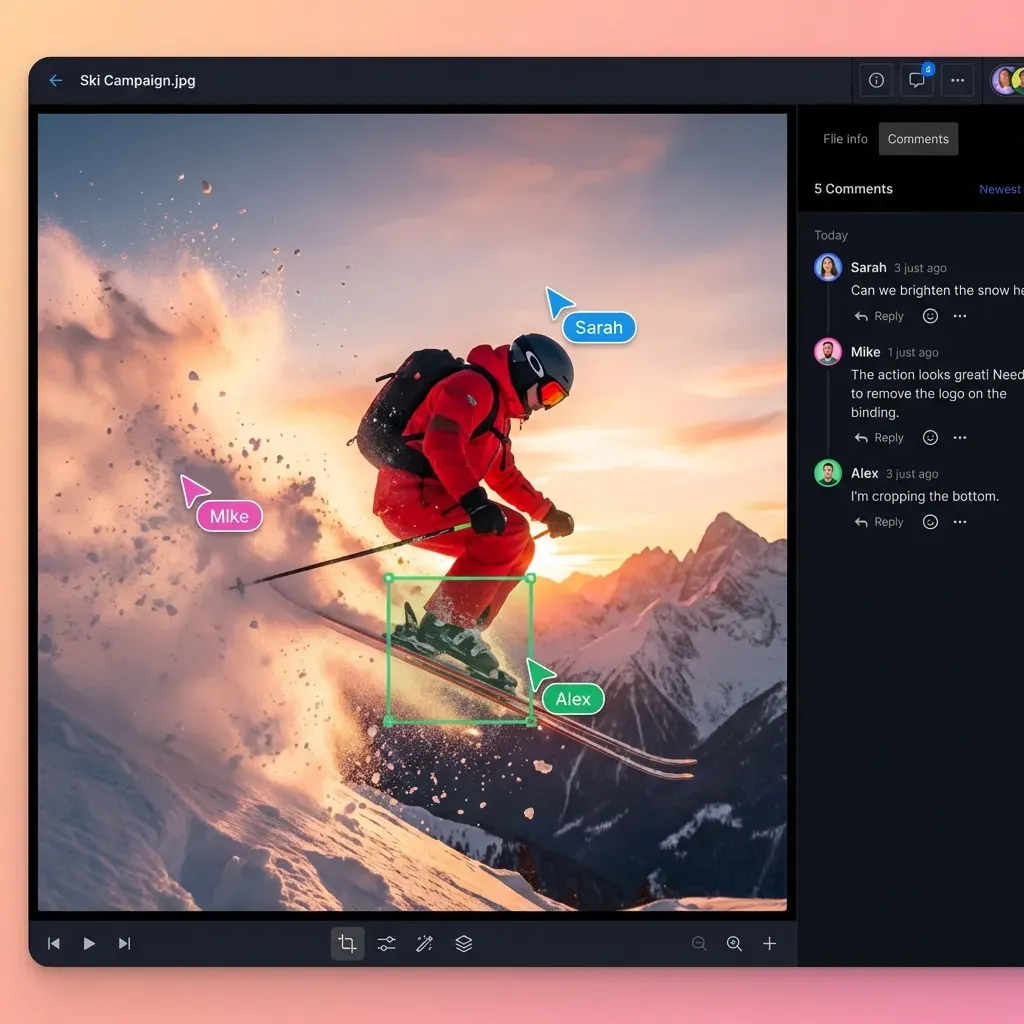
Tab accepts the current suggestion in the official IDE quickstarts. If a suggestion is wrong, keep typing or dismiss it and continue. Learn your editor's shortcuts for showing the next or previous alternative when available. Never auto-run generated code. Compile, lint, and test after non-trivial accepts the same way you would for a patch from a teammate.
Context hygiene beats longer prompts
For multi-file features, open the interface file, the implementation file, and one test file before you ask for a method body. Put shared constants in a named module Copilot can see. Keep secrets out of open buffers. If Chat or CLI sessions grow long, summarize decisions into a short AGENTS.md or project instructions file so the next session starts with durable facts instead of chat history alone.
Chat, agent mode, and the CLI after Tab feels automatic
Chat is for questions that need a plan, an explanation, or a multi-file edit. Agent mode is for multi-step work where the assistant proposes file changes you review. The CLI is for the same class of work when the terminal is your primary surface.
In VS Code Chat, start with scoped asks: "What does this file do?", "Explain the selected lines", "Add tests for the public API in this module." For larger work, describe the end state and constraints: language, files to touch, and what not to change. Review every generated file before Keep. Organization owners can disable Chat; if the panel refuses to load under a company account, check policy before reinstalling extensions.
GitHub Copilot CLI runs on Linux, macOS, and Windows (PowerShell or WSL). Start an interactive session with copilot from a trusted project directory. Pass a one-shot prompt with -p or --prompt when you want a single task and an exit. Plan mode (cycle with Shift+Tab in interactive mode) makes the CLI draft an implementation plan before writing code, which is safer for multi-step changes. CLI sessions can talk to GitHub.com (list issues, open PRs, summarize commits) when authenticated.
Security is not optional on the CLI. Launch only from directories you trust. Approve tools carefully. Avoid --allow-all-tools on machines with production credentials. Prefer local or cloud sandbox options when you want isolation. Treat MCP servers and custom agents as extra privilege surfaces: configure only what the project needs.

When to stay in the editor versus move to the CLI
Stay in the IDE when you are mid-edit and need line-level suggestions or inline chat on a selection. Move to Chat when the question spans files or needs an explanation you will paste into a design note. Move to the CLI when you want iterative agent work, GitHub.com operations, or scripted prompts in a pipeline. Monthly chat caps on Copilot Free make "which surface?" a budget decision as well as a UX decision.
MCP and external tools as optional depth, not day-one noise
Model Context Protocol support is available across Copilot plans so Chat and agent flows can call external tools and data sources. Day one does not require custom MCP. Day five often does, once you want the assistant to query issue trackers, docs stores, or shared workspaces. Configure MCP only after Tab, Chat, and CLI each work without it. Then add one server at a time and verify tool approval prompts.


Keep Copilot handoffs in one shared workspace
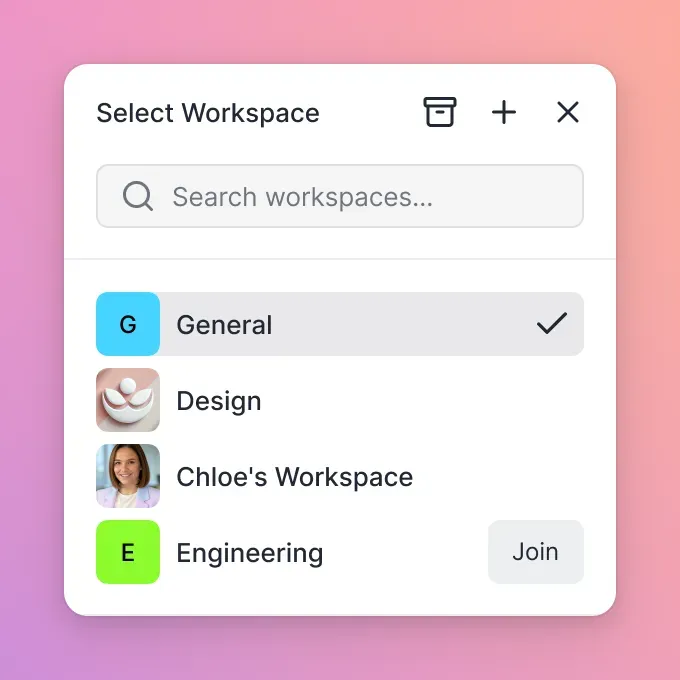
Store the notes, schemas, and review packs that sit next to your repo so humans and agents pull the same context. Fast.io workspaces include Intelligence Mode, per-file version history, and MCP access, with a 14-day free trial on paid plans.
Checklist for where Copilot output should live
Copilot generates code in the repo and conversation text in the IDE or CLI. The harder problem on multi-file projects is the supporting material: design notes, exported patches, prompt libraries, screenshots, sample payloads, and handoff checklists. Local disks work until a laptop dies. Object storage such as Amazon S3 holds blobs but does not give teammates semantic search over the writeup next to the patch. Consumer drives such as Google Drive or Dropbox share files well for people, yet they are passive buckets for agents.
Fast.io is an option when you want a shared, org-owned workspace that both humans and agents can use. Enable Intelligence Mode so uploaded notes and specs are indexed for semantic search and citation-backed chat. Agents can use the Fast.io MCP server over Streamable HTTP at /mcp (legacy SSE at /sse) with a consolidated MCP toolset. Per-file version history keeps concurrent agent and human edits restorable. Ownership transfer lets an agent scaffold structure and hand the org to a human while keeping admin. Every organization runs on a paid subscription, with a trial of up to 14 days on monthly plans that requires a credit card: Starter at $9.99/mo, Business at $49.99/mo, Enterprise at $199.99/mo. Creating a user account is free, but real workspace work needs an organization on a paid subscription.
Practical pattern: keep source of truth in Git. Put durable project memory (API contracts, runbooks, acceptance criteria) in a shared workspace humans open in the browser and agents reach through MCP. Use branded Send or Exchange shares when an external reviewer needs a package without full workspace access. Downstream systems can subscribe to the workspace events feed over WebSocket to learn when files change, so you are not polling.
A simple handoff checklist after a Copilot session
Before you close the editor, commit the code you accepted. Paste the Chat summary of decisions into a short note next to the PR description. Store non-code artifacts (sample responses, screenshots, schema dumps) in the shared workspace with clear names. If an agent produced the draft, transfer ownership or assign a human reviewer before anyone treats the output as production-ready. Re-run tests without the AI in the loop.
What still stays on you
Copilot does not replace code review, security scanning, or license judgment. Public training data can surface insecure patterns or rare matching snippets. Keep secret scanning, dependency updates, and PR review as non-negotiable. Disable AI features for a workspace when a repo is pure secrets or when policy requires a quiet editor. In VS Code, workspace settings can turn off built-in AI features when needed.
Sources
References used to verify factual claims in this guide.
-
GitHub Copilot Free limits individual developers to 2,000 code completions and 50 chat requests per month
-
GitHub Copilot Pro is $10 USD per month; Pro+ is $39 USD per month; Max is $100 USD per month; Business is $19 USD per granted seat per month; Enterprise is $39 USD per granted seat per month Copilot Free includes limited access under auto model selection; Pro adds unlimited completions, cloud agent access, and a monthly AI credit allowance
-
In VS Code, accept the first inline suggestion with Tab after typing a function header such as calculateDaysBetweenDates VS Code Chat opens with Control+Command+I (Mac) or Ctrl+Alt+I (Windows/Linux)
-
GitHub Copilot CLI supports interactive sessions via copilot and programmatic prompts via -p/--prompt on Linux, macOS, and Windows (PowerShell/WSL)
Frequently Asked Questions
How do I get started with GitHub Copilot?
Create or use a personal GitHub account, enable Copilot Free or a paid plan, install the Copilot support for your editor (or open Chat on github.com), sign in with the same account, then accept a first inline suggestion with Tab and run a first Chat question on an open file.
How do I accept a Copilot suggestion?
When gray ghost text appears in the editor, press Tab to accept the suggestion. Keep typing if you want to ignore it. Review accepted code before you run or commit it, the same way you would review a patch from a teammate.
Is GitHub Copilot free to try?
Yes. Copilot Free is available for individual developers without an organization seat, with limited monthly completions and chat under auto model selection. Verified students, teachers, and some open source maintainers may qualify for broader free access. Paid Pro starts at $10 USD per month for unlimited completions and higher allowances.
Where can I use GitHub Copilot?
You can use Copilot in supported IDEs (including VS Code, Visual Studio, JetBrains, Xcode, and Eclipse), on the GitHub website, in GitHub Mobile, in Windows Terminal Canary, and through GitHub Copilot CLI on Linux, macOS, and Windows (PowerShell or WSL).
How do I open Copilot Chat in VS Code?
Press Control+Command+I on Mac or Ctrl+Alt+I on Windows and Linux, or select the chat icon in the VS Code title bar. Type a specific question about the open project, then review and Keep only the file changes you accept.
What is GitHub Copilot CLI?
GitHub Copilot CLI is a terminal interface for Copilot. Run `copilot` for an interactive session, or pass `-p` with a prompt for a one-shot task. It can edit project files, help with Git operations, and work with GitHub.com issues and pull requests when authenticated. Approve tools carefully and start only in trusted directories.
Why are my Copilot suggestions empty or low quality?
Check plan access and Free monthly limits, confirm the correct GitHub account is signed in, enable Copilot for the language, open related files so context is available, and verify your organization has not disabled Chat or suggestions. Tighten function signatures and comments when ghost text drifts.
Related Resources

Keep Copilot handoffs in one shared workspace
Store the notes, schemas, and review packs that sit next to your repo so humans and agents pull the same context. Fast.io workspaces include Intelligence Mode, per-file version history, and MCP access, with a 14-day free trial on paid plans.