ESG Data Room: Share Sustainability Disclosures with Investors
An ESG data room is where your sustainability disclosures stop being a spreadsheet thread and start being audit-ready evidence. This guide covers what belongs inside, how to structure it for investors and rating agencies, and how to keep access clean as the document set grows.


What Is an ESG Data Room?
An ESG data room is a secure workspace where companies share sustainability disclosures, audit evidence, and rating-agency documents with investors and regulators. It is the same idea as an M&A data room, but the documents are different: greenhouse gas inventories, workforce data, supplier codes of conduct, board diversity policies, and the methodology notes that explain how each number was calculated.
The format matters because ESG data is reviewed by people who are trained to find gaps. An investor running a responsible investment screen will ask for the emissions methodology, not just the number. A CSRD assurance provider will ask for the source file behind every KPI. A rating agency like MSCI or Sustainalytics will send a structured questionnaire that maps to specific documents. If those documents live in email threads or a shared drive with inconsistent permissions, every request becomes a scramble.
The European Union's Corporate Sustainability Reporting Directive is one driver behind the shift toward structured disclosure rooms. CSRD is expected to affect roughly 50,000 companies once all phases are in scope, which is a step-change from the old Non-Financial Reporting Directive scope of around 11,700. That expansion is pulling more private companies, subsidiaries of non-EU parents, and smaller listed firms into the disclosure workflow for the first time.
Helpful references: Fastio Workspaces, Fastio Collaboration, and Fastio AI.
Related guides
- Audit Data Room: How to Share PBC Files with External AuditorsAn audit data room is a secure workspace where a finance team shares prepared-by-client documents with external...
- How to Set Up a Data Room for InvestorsAn investor data room is a secure online workspace where founders organize financial statements, cap tables, legal...
- Best Virtual Data Room Providers for Every Deal TypeChoosing a virtual data room provider depends on what kind of deal you are running. This guide breaks down the top VDR...
- How to Choose a White Label Data Room for Client-Facing DealsA white label data room lets advisory firms, investment banks, and service providers rebrand a virtual data room with...
- Intralinks Data Room: Features, Pricing, and Alternatives for 2026Intralinks is one of the oldest virtual data room platforms, now owned by SS&C Technologies. It has facilitated over...
- How to Set Up a Private Placement Data RoomA private placement data room is a secure virtual workspace where issuers share private placement memorandums,...
More on this subject: Data Rooms and Due Diligence (53 guides)
What Belongs in an ESG Data Room
The exact contents depend on the frameworks you report against, but most ESG data rooms end up with a similar top-level structure. Treat this as a starting point, not a template to copy verbatim.
Environmental
- Scope 1, 2, and 3 greenhouse gas inventory, including activity data and emission factors
- Energy consumption by source and site
- Water withdrawal, consumption, and discharge data
- Waste generation and recovery rates
- Biodiversity and land-use impact assessments where relevant
- Climate risk scenarios and TCFD-aligned narrative
Social
- Workforce composition by gender, age band, region, and employment type
- Pay equity analyses and median pay ratios
- Health and safety incident data with lost-time injury rates
- Training hours and skills development metrics
- Human rights due diligence reports and supplier audit findings
- Community investment and local employment data
Governance
- Board composition, independence, and diversity statistics
- Executive compensation linkage to ESG metrics
- Anti-corruption and whistleblower program evidence
- Cybersecurity and data protection incident logs
- Political contributions and lobbying disclosures
- Tax transparency reports, including country-by-country data
Methodology and assurance
- Reporting boundary definitions and organizational scope
- Calculation methodology for each KPI
- Third-party assurance reports and management responses
- Restatement log with reasons and impact analysis
- Mapping tables from your internal KPIs to GRI, SASB, ISSB, and CSRD data points
The methodology section is often the difference between a data room that survives investor scrutiny and one that does not. A number without a defensible method is a liability.
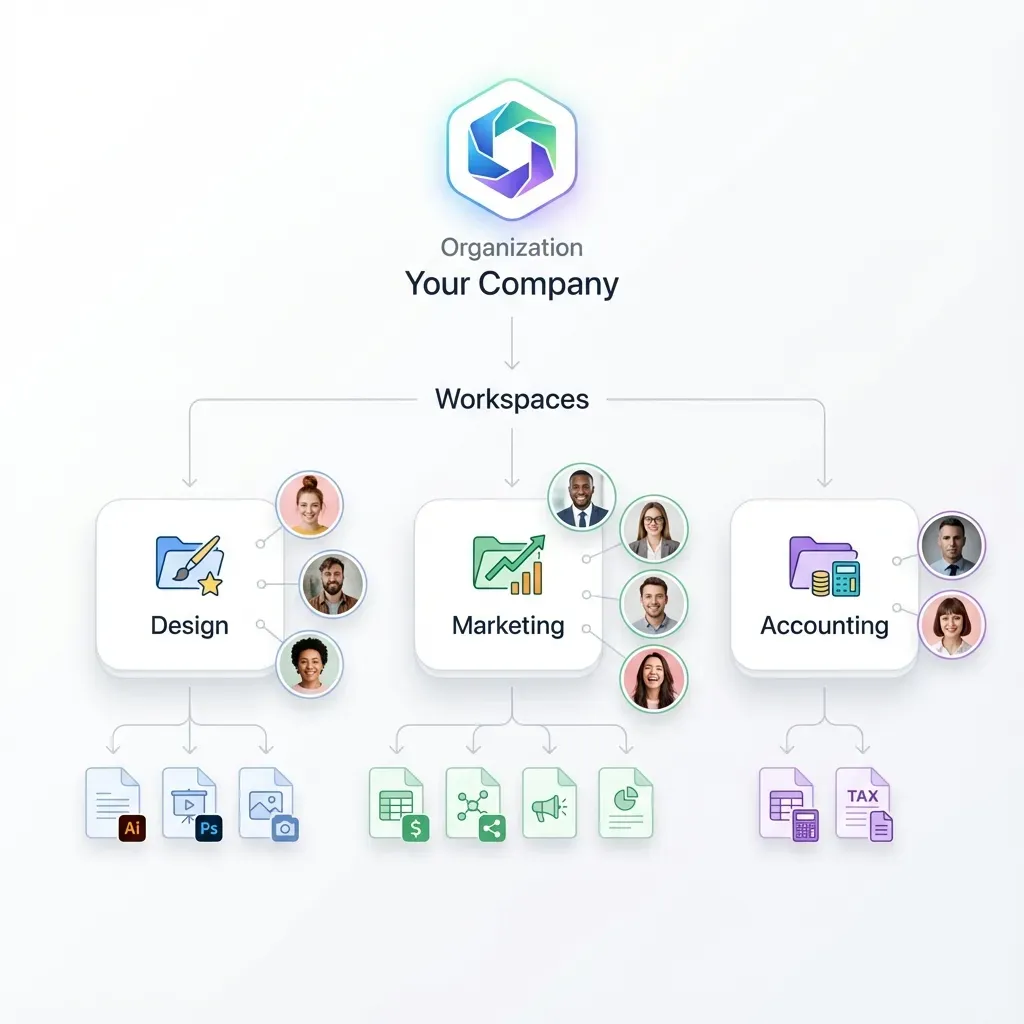
How Companies Share ESG Data with Investors
There are three common patterns, and most large companies use all of them in parallel. The first is the public sustainability report, which is a PDF or microsite that anyone can read. It answers the broad question of what the company is doing on climate, workforce, and governance. It is not enough for serious investor diligence. The second is the rating-agency submission. Rating agencies typically request supporting evidence for material responses, and the quality of that evidence is what moves the score. Companies that respond with PDFs of the annual report tend to underperform companies that respond with the specific policy, the specific KPI breakdown, and the specific audit letter. The third pattern is the data room. This is where large asset managers, private credit lenders, and CSRD assurance providers go when they need more than the public report. They want the underlying data, the methodology, the assurance letter, and the ability to ask follow-up questions without starting a new email thread every time. A data room lets you grant time-limited, read-only access to a defined set of documents, log every view and download, and revoke access when the review closes. Before investing in dedicated tooling, make sure the other foundations are in place: a named owner for each KPI, a reporting calendar tied to your audit cycle, and a clear policy on what is shared publicly versus under NDA. A data room amplifies good governance, it does not replace it.


Set up an ESG data room your reviewers can actually use
Fastio gives sustainability teams a shared workspace with granular permissions, audit trails, versioning, and AI-assisted search across every disclosure document. Start a 14-day Business Trial (card required; see /pricing/).
Structuring the Data Room for Reviewers
Reviewers are faster when the structure is predictable. A common approach is to mirror the frameworks you report against, with a cross-reference index at the top.
Top-level folders
A workable layout for most companies looks like this:
00_Index_and_Mapswith the GRI, SASB, ISSB, and CSRD cross-reference tables01_Reporting_Boundary_and_Methodology02_Environmentalsplit by KPI family03_Socialsplit by KPI family04_Governancesplit by KPI family05_Policies_and_Codes06_Assurance_and_Audit07_Rating_Agency_Submissionswith one subfolder per agency and cycle08_Investor_Requestsfor ad hoc questionnaires with response logs
File naming
Consistent naming is underrated. A pattern like 2026-Q1_Scope1_Methodology_v3.pdf tells a reviewer the period, the KPI, the document type, and the version without opening the file. Avoid filenames that include a person's name or a draft status, since both rot quickly as the team changes.
Versioning
Keep every version of a methodology document. If you restate a prior-year emissions number, you need the old methodology and the new one side by side to explain the restatement. File versioning that preserves history without cluttering the folder is easier to work with than a manual _v2, _v3, _final, _final_final convention.
Permissions
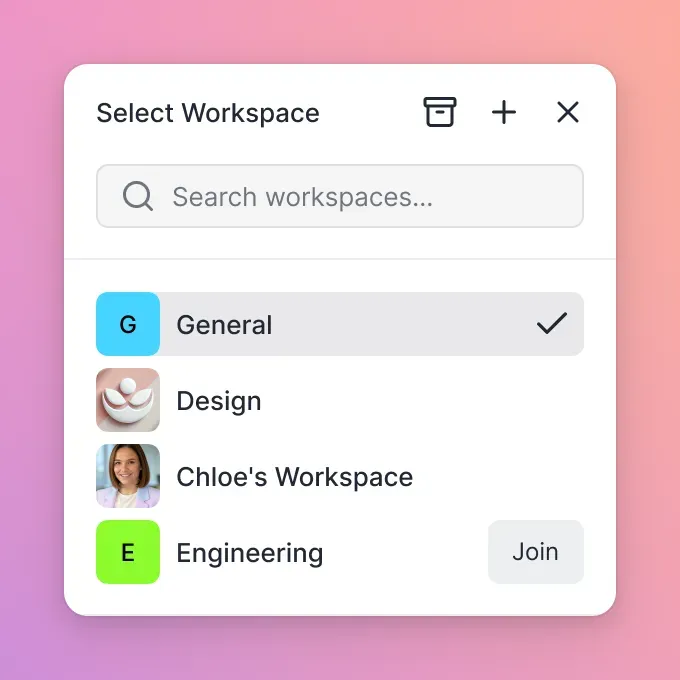
Not every reviewer needs every document. A CSRD assurance provider will want the full methodology section. A potential investor at the screening stage may only need the public report and the most recent CDP response. Permission should follow the principle of least privilege, scoped to the folder or file a reviewer actually needs.
Workflow: From KPI Owner to Reviewer
The data room is the last mile. The work that fills it happens across the year.
Collection
Each KPI has an owner, usually in operations, HR, or finance. The owner submits the raw data into a controlled area with a clear cut-off date. Raw data should be immutable once submitted. If a correction is needed, it goes through a restatement workflow rather than an overwrite.
Calculation and review
The sustainability or controllership team applies the methodology and produces the reported KPI. A peer reviewer checks the calculation. For companies with internal audit coverage of non-financial reporting, this is where the internal control evidence is logged.
Assurance
External assurance providers work off the data room. They pull samples, ask follow-up questions, and document findings. The response to each finding lives in the same room, cross-referenced to the KPI and the source file.
Disclosure
The assured numbers feed the annual sustainability report, the CSRD management report section, the TCFD-aligned disclosure, and the rating-agency questionnaires. Keeping a single source of truth is the only way to avoid the common failure mode of different numbers appearing in different documents.
Review window
When an investor or rating agency opens a review, they get scoped access to the relevant folders. Every view and download is logged. Questions come through a Q&A thread attached to the document, not through email. When the review closes, access is revoked and the log is archived.
Handoff and succession
Sustainability teams turn over. A data room that only the incumbent knows how to navigate is a risk. Document the structure, the naming convention, and the owner map in the 00_Index_and_Maps folder so the next person can pick it up without reconstructing the history.
Tools for ESG Data Rooms
There is no single right tool. The best fit depends on how many reviewers you host, how often documents change, and whether the same workspace needs to serve other teams.
Dedicated virtual data rooms. Intralinks, Datasite, and Firmex are built for M&A and IPO diligence. They are strong on audit logs, watermarking, and time-limited access. They are often priced per page or per project, which can get expensive for a room that stays open year-round.
General document platforms. Microsoft SharePoint, Google Drive, and Box can work for smaller ESG programs, especially when disclosure is informal. The trade-off is less granular external access control and weaker audit trails when you need to show exactly who saw what.
Specialist ESG platforms. Workiva, Sphera, Watershed, and Novata combine data collection with reporting. They are strong on framework mapping and less strong on the external sharing layer.
Fastio. Fastio is a shared workspace with folder, file, and role-level permissions, audit trails, branded shares, and file versioning. For ESG teams, that matters when a reviewer asks a question and the KPI owner has already moved to a new role. Many companies use a certified data room for formal diligence and a more flexible workspace for year-round collection and internal review.
Common Pitfalls
Three failure modes show up repeatedly. The first is mixing the private data room with the working collaboration space. KPI owners need to iterate, rename, and rework files. Reviewers need a frozen snapshot. Use different folders or different workspaces for each, and promote documents into the reviewer-facing area only when they are final. The second is inconsistent boundaries. Document the boundary once, reference it from every KPI folder, and update it in one place when it changes. The third is stale access. Reviewers change jobs. Rating agency analysts rotate. Investor relationship owners leave. An access log that still lists people who left the counterparty two years ago is a signal that the room is not being managed. A quarterly access review takes an hour and removes most of the risk.
Sources
References used to verify factual claims in this guide.
-
CSRD is expected to affect roughly 50,000 companies once fully phased in, up from around 11,700 under the previous Non-Financial Reporting Directive.
Frequently Asked Questions
What is an ESG data room?
An ESG data room is a secure workspace where companies share sustainability disclosures, audit evidence, and rating-agency documents with investors and regulators. It typically organizes environmental, social, governance, and methodology files behind role-based access, with an audit log of every view and download.
How do companies share ESG data with investors?
Most companies use three channels in parallel: a public sustainability report for broad distribution, rating-agency questionnaires for standardized scoring, and a private data room for asset managers, lenders, and assurance providers who need source documents and methodology detail.
What documents belong in an ESG data room?
Greenhouse gas inventories with methodology notes, workforce and pay equity data, health and safety records, board and governance policies, anti-corruption evidence, third-party assurance letters, framework mapping tables, and the complete rating-agency submission history.
Is an ESG data room the same as an M&A data room?
The mechanics are similar, but the audience and document set differ. An M&A data room supports a transaction with a defined close date. An ESG data room stays open year-round, serves multiple audiences, and is organized around reporting frameworks rather than a deal structure.
Do smaller companies need an ESG data room?
If you are in scope for CSRD, supply a CSRD-reporting customer, or face rating-agency reviews, some form of structured disclosure room is worth the effort. Smaller programs can often start with a shared workspace and tight folder conventions before moving to dedicated tooling.
How long should documents stay in the data room?
Retention should match the longest of your statutory retention period, your assurance provider's working-paper requirements, and your own restatement policy. Five to seven years is a common floor, with methodology documents kept longer because they support restatements.
Related Resources

Set up an ESG data room your reviewers can actually use
Fastio gives sustainability teams a shared workspace with granular permissions, audit trails, versioning, and AI-assisted search across every disclosure document. Start a 14-day Business Trial (card required; see /pricing/).