How to Coordinate DaVinci Resolve Video Editor Pipelines with Clay Outbound
Outbound GTM teams can scale personalized video outreach by connecting Clay enrichment tables with DaVinci Resolve post-production. Using Fast.io as a secure coordination workspace allows remote creative teams to manage heavy media assets and deliver finished videos through branded shares. This guide explains how to establish proxy workflows, map data payloads, and coordinate handoffs between sales data and local editors.

Why GTM Teams Choose the DaVinci Resolve Video Editor
Although DaVinci Resolve is used by over 80% of Hollywood post-production houses for professional color grading and finishing [Blackmagic Design 2024 Release], GTM teams face massive storage barriers. A typical video project contains uncompressed ProRes files that average 100+ GB [Apple ProRes PDF]. This massive footprint makes cloud sync slow and remote video collaboration difficult. Outbound sales and marketing groups have realized that personalized video outreach drives higher response rates than plain text. Teams use data enrichment platforms like Clay to identify leads, extract details, and separate target accounts. However, local non-linear video editors lack native connections to cloud-based databases, leaving editors to copy and paste customer details by hand.
When creative teams try to personalize media at scale, they encounter several mechanical hurdles. A video editor must open a project locally, import prospect assets, customize text templates, render the final video, and upload it for delivery. When a GTM campaign targets hundreds of accounts per week, this local rendering loop becomes a massive bottleneck. The editor spends hours performing repetitive task execution instead of focusing on creative storytelling. Furthermore, manual copying introduces typographical errors, and managing folders locally leads to file structure conflicts.
To solve this, growth operations build automated pipelines that link cloud data tables with local editing software. By setting up a persistent workspace that acts as a bridge, teams can coordinate input files, custom graphics, and finished exports in a central location. This shared environment allows local editors and cloud automation scripts to access identical assets without running into local storage limits or file path issues. Fast.io serves as this collaborative storage layer, helping teams coordinate their creative workflows.
Related guides
- Best OpenClaw Workflows for AI Image Generation PipelinesOpenClaw 2026.4.5 turned agents into image producers. The native image_generate tool supports 10 providers out of the...
- Cline Multi-Agent Workflows: How to Coordinate Agent TeamsWorkplace usage of AI agents among developers nearly doubled year-over-year from 31% in 2025 to 59% in 2026 [Stack...
- Automating DaVinci Resolve Plugins with Clay Data PipelinesOutbound GTM teams can scale personalized video outreach by connecting Clay enrichment tables with DaVinci Resolve...
- How to Automate PNG to GIF Asset Generation in Clay WorkflowsAutomating the conversion of png to gif files in Clay outreach tables allows go-to-market teams to generate...
- How to Scale Canva Video Editor Asset Pipelines with Clay AutomationOutbound GTM teams can scale their Canva video editor workflows by connecting Clay data enrichment tables with the...
- How to Integrate an AI Video Editor in Clay GTM SequencesIntegrating an AI video editor API into Clay Go-To-Market (GTM) sequences automates personalized video creation for...
More on this subject: Clay and GTM Agents (82 guides)
How to Configure a DaVinci Resolve Video Editor Media Workspace
Before starting production, a GTM team must collect and structure their outbound media assets. These assets include lead logos, company screenshots, customized slides, and lead briefs. Managing these files across distributed creative teams requires a centralized storage solution.
Organizations often consider standard storage alternatives, but each introduces friction for automated pipelines. Local network drives are fast but cannot be accessed easily by remote editors. Amazon S3 offers fast programmatic access, but it lacks a visual interface, making file review difficult for non-technical managers. Google Drive provides a familiar dashboard, but its API notifications are slow, and it lacks detailed per-file version history for automated writes, meaning simultaneous edits can overwrite each other without an audit trail.
Fast.io provides an organization-owned workspace platform that resolves these issues. When files are added or modified, Fast.io maintains a detailed version history and records all operations in a detailed activity log. This logs file updates automatically, ensuring all developer and editor actions remain transparent.
To make raw assets useful, teams deploy Metadata Views in their workspace. Fast.io's Metadata Views turn raw documents into a live, queryable database. Users describe the fields they want extracted in natural language, and the AI designs a typed schema (supporting Text, Integer, Decimal, Boolean, URL, JSON, and Date & Time). It scans files like customer briefs or PDFs, populates a sortable spreadsheet, and allows editors to access structured lead context directly. This is different from the general search of Intelligence Mode. Coordinators can add new columns to the schema without reprocessing files, preserving organizational credits and keeping the database clean. Compare these extraction details on the Metadata Views product page.
To configure Metadata Views, a user writes extraction instructions using natural language queries. For example, a coordinator can specify: 'Identify the prospect company name, target contact first name, domain, customized hook text, and campaign ID from this PDF brief.' Fast.io's extraction engine maps these keys to schema columns without requiring manual OCR zone templates or regex rules. Once created, the database updates in real time as new customer files are written. GTM engineers can then fetch these columns programmatically to populate outbound lists.
How to Manage DaVinci Resolve File Management and Proxy Syncing
Distributed video editing requires managing local bandwidth limits and heavy file formats. When editors work in DaVinci Resolve editing software, downloading full-resolution ProRes files over residential internet connections causes severe delays. To solve this, teams build a proxy-based workflow.
The editor imports raw camera footage into DaVinci Resolve editing software and uses the built-in proxy generator to create lightweight proxy files in compressed formats. These proxies are a fraction of the size of original media files, making them easy to share.
The Blackmagic Proxy Generator runs as a standalone utility alongside the editing software, automatically scanning the target folder for new video assets. Editors can configure the utility to generate proxies in various formats at high-definition resolutions. Since these proxies are highly compressed and lightweight, they upload and download quickly over standard internet connections. Once Resolve finishes rendering the low-resolution files, it marks them with a proxy suffix and links them dynamically to the master clips.
The team organizes the Fast.io workspace using a standard folder structure:
/Project Workspace(the main directory for the campaign)/Original Media(stores the high-resolution master files)/Proxies(stores the lightweight video files for remote editors)/Deliverables(stores the finished personal videos)
Using Fast.io's cloud import, GTM coordinators import assets from Google Drive, OneDrive, Box, or Dropbox via OAuth without local network storage costs. The remote editor downloads only the lightweight /Proxies folder to their local machine. They perform all cuts, timing adjustments, and color grades using these lightweight files.
When editing is complete, the editor switches the project library to point to the /Original Media folder using DaVinci Resolve's Relink Media feature. This relinking process swaps the proxies for the original master files, ensuring the final export retains high visual quality. The editor then renders the final personalized video and saves it to the /Deliverables directory in the Fast.io workspace.


Coordinate your DaVinci Resolve video editor workflows
Manage high-resolution video files, coordinate local proxy editing, and deliver finished videos from a secure, shared workspace. Start your 14-day free trial today.
How to Map Lead Data and Automate Project Handoffs
The core of the automation relies on mapping lead data from Clay tables to the creative workspace. When a new row is enriched in Clay, a growth script queries the Fast.io workspace via the API or MCP.
The script extracts the lead's company logo and brief, creating an asset bundle. The following JavaScript code shows how to upload prospect details as a workspace file:
async function mapLeadToWorkspaceAssets(clayLead, workspaceId) {
  const fastioApiKey = process.env.FASTIO_API_KEY;
  const fileName = `${clayLead.companyName}_brief.json`;
  const fileBytes = new Blob([JSON.stringify({
    leadName: clayLead.fullName,
    domain: clayLead.domain,
    metric: clayLead.enrichedMetric,
    logoUrl: clayLead.logoUrl
  })], { type: 'application/json' });
  const form = new FormData();
  form.append('name', fileName);
  form.append('size', String(fileBytes.size));
  form.append('chunk', fileBytes, fileName);
  form.append('action', 'create');
  form.append('instance_id', workspaceId);
  form.append('folder_id', 'root');
  const response = await fetch('https://api.fast.io/current/upload/', {
    method: 'POST',
    headers: {
      'Authorization': `Bearer ${fastioApiKey}`
    },
    body: form
  });
  return response.json();
}
This script runs in an external serverless environment, writing the brief into workspace storage as a single multipart upload. Smaller assets, such as this JSON brief, upload in one request to https://api.fast.io/current/upload/. When the remote editor completes the personalized render, they upload the finished video back to the /Deliverables directory.
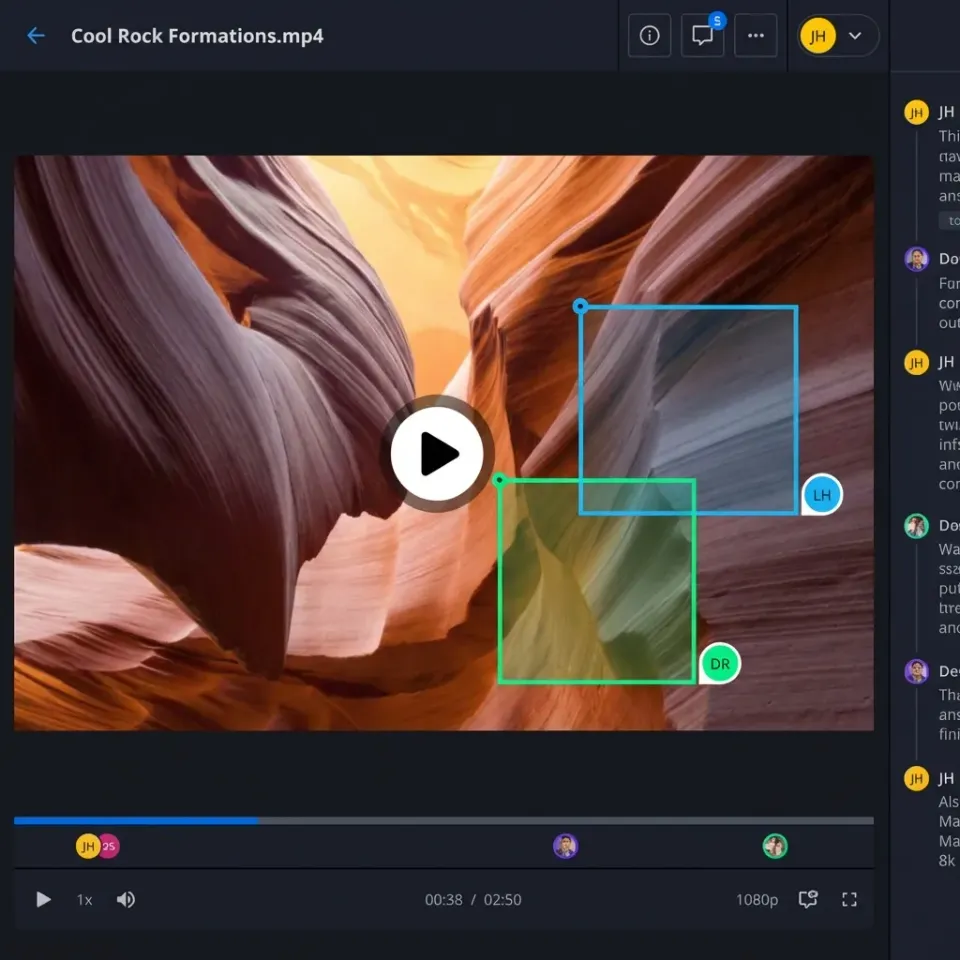
Fast.io supports chunked uploads for large video files, preventing network timeouts. Once the export is saved, Fast.io records the write in the workspace activity log. GTM managers review the draft and leave feedback using comments on the video.
This pipeline can be built by external contractors and handed over smoothly. Fast.io supports ownership transfer, allowing builders to set up workspaces and hand off administrative control via a secure claim link while retaining scoped developer access. Developers can configure these setups via the Fast.io MCP server tools.
How to Deliver Finished Videos with Expiring Links
Once the finished video lands in /Deliverables, the growth script polls workspace activity, creates a branded share, and writes the share link back to the Clay table. From there, the GTM team triggers their outbound sequences.
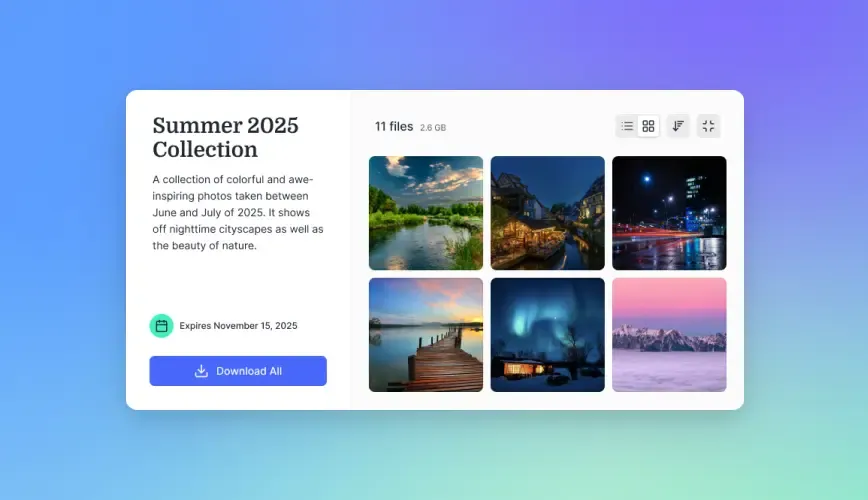
To distribute videos securely, GTM teams use Fast.io's branded shares. Instead of sending heavy email attachments that get blocked by spam filters, teams generate secure, expiring share links (using Send, Receive, or Exchange views). These links can be set to expire after a specific time, such as one week, or password-protected to ensure only the intended prospect reviews the video.
To accelerate reviews, Fast.io supports HLS video streaming. Human coordinators and prospects watch the personalized clips inside the browser without downloading the full files, saving data and speeding up the sales cycle.
Monthly plans start with a trial of up to 14 days that requires a credit card [Fastio Trial Terms]. Fast.io plans fit any team size, starting with the Starter plan at $9.99/mo, the Business plan at $49.99/mo, and the Enterprise plan at $199.99/mo [Fastio Pricing Plans]. Learn more about the options on the Fast.io pricing page.
Sources
References used to verify factual claims in this guide.
-
DaVinci Resolve is used by over 80% of Hollywood post-production houses for professional color grading and finishing
-
uncompressed ProRes files that average 100+ GB
-
Fastio workspace plans start at $9.99/mo for Starter, $49.99/mo for Business, and $199.99/mo for Enterprise. Monthly plans start with a trial of up to 14 days (credit card required); annual plans have no trial.
-
Smaller assets, such as this JSON brief, upload in one request to https://api.fast.io/current/upload/.
Frequently Asked Questions
Is DaVinci Resolve good for video editing?
Yes, DaVinci Resolve editing software is a professional post-production software combining editing, color correction, visual effects, and audio post-production. It is highly rated for GTM video pipelines because of its proxy workflows and color grading tools.
How do creative teams manage DaVinci Resolve projects?
Creative teams collaborate using Blackmagic Cloud or a hosted PostgreSQL database to sync project libraries. Raw video files are managed separately, using intelligent workspaces like Fast.io to distribute lightweight proxies to remote editors and store high-resolution masters.
How can I automate DaVinci Resolve file transfers?
GTM teams automate file delivery by integrating database enrichment tables in Clay with the Fast.io API. A script detects when a lead is qualified, pulls design requirements from the workspace, and triggers a localized proxy package for the video editor. Once edited, the finished video is uploaded to the workspace and the shareable link is written back to Clay.
Related Resources

Coordinate your DaVinci Resolve video editor workflows
Manage high-resolution video files, coordinate local proxy editing, and deliver finished videos from a secure, shared workspace. Start your 14-day free trial today.