Best OpenClaw Tools for AI Icon and Symbol Generation
ClawHub lists over 5,400 curated skills, yet finding the right one for icon and symbol work means sorting through dozens of overlapping image tools. This guide narrows the field to seven OpenClaw skills that handle specific icon workflows: app icon resizing, favicon sets, SF Symbol catalogs, SVG sprite sheets, brand systems, and OG images. Each entry covers what the skill actually generates, what it requires, and where it fits in an agent-driven design pipeline.

Why Icon Generation Belongs in an Agent Workflow
An estimated 40% of small businesses already use some form of AI to create visual branding, according to a 2026 ALM Corp survey of AI logo generators. The bottleneck is rarely the generation step itself. It is the sizing, format conversion, and delivery that eat time: a single app icon needs 20+ size variants for iOS and Android, a favicon set covers five resolutions, and SF Symbols require a specific .symbolset folder structure that Xcode can ingest.
OpenClaw skills automate those downstream steps. Instead of generating one image and then manually running sips or ImageMagick in a terminal, an agent installs a ClawHub skill and produces the entire asset set from a single prompt. The output lands in the project directory, ready for commit or handoff to a shared workspace.
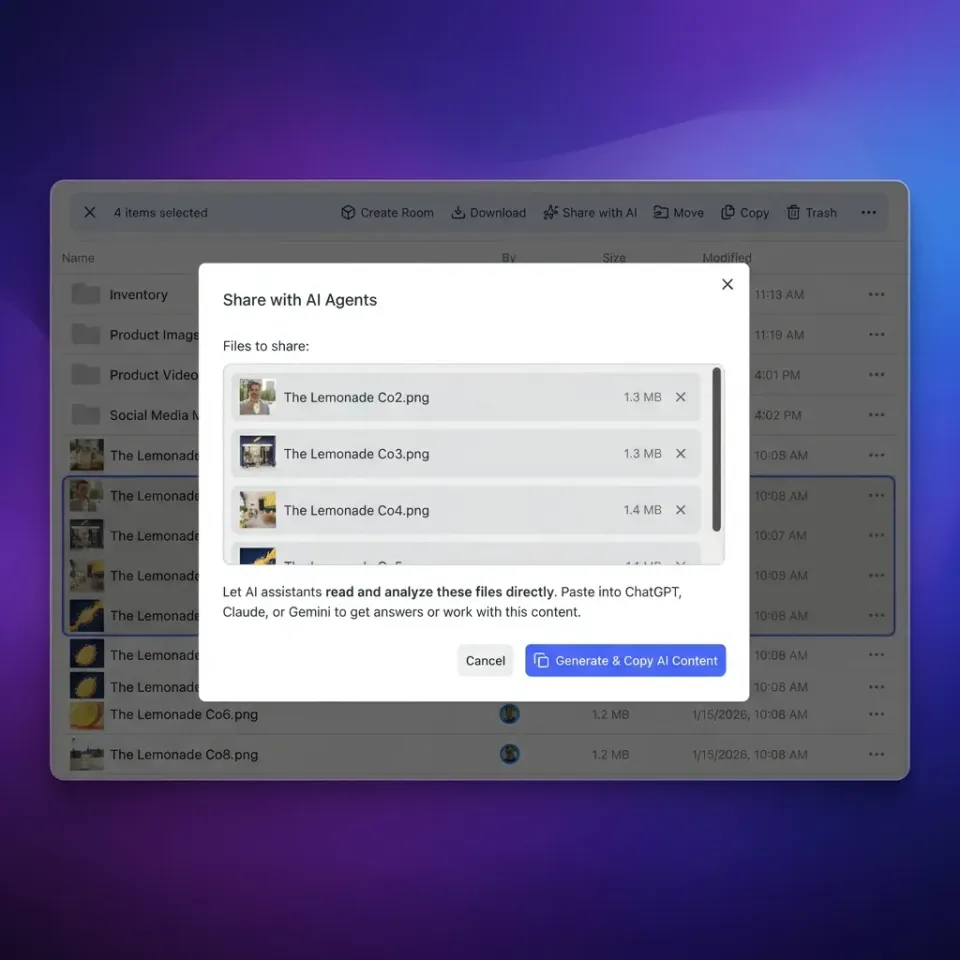
That handoff step matters. Once an agent generates a full icon set, it needs somewhere to store and share those files with the rest of the team. Fastio workspaces handle that layer: the agent writes assets to a workspace, the designer reviews them in the browser, and version history tracks every iteration. The generation skill handles pixels; the workspace handles collaboration.
Related guides
- Best n8n Tools for AI Agents: Top 10 Nodes for 2026n8n changed AI automation with its visual workflow builder. We rank the best nodes and integrations for building...
- Best Tools for CrewAI Agents: Top Picks for 2026CrewAI agents need good tools to be useful. The framework handles coordination, but external integrations let agents...
- Best OpenClaw Tools for AI Vector and SVG Illustration GenerationMost AI image generators output raster formats, leaving designers to manually trace paths or accept bloated SVG files...
- Top OpenClaw Tools for AI Flyer and Brochure GenerationClawHub hosts over 13,700 OpenClaw skills, but fewer than a dozen focus on generating marketing collateral like flyers...
- 7 Best OpenClaw Tools for AI 3D Model GenerationOpenClaw's skill registry includes several tools that search, download, and generate 3D models in printable formats....
- 9 Best OpenClaw Tools for AI Art Generation and Creative IllustrationOver 80 million AI images are generated daily, but most creators still toggle between standalone apps and their AI...
More on this subject: OpenClaw Tools (101 guides)
How We Evaluated These Skills
Every skill in this list meets three criteria.
First, it must be installable from ClawHub or a public Git repository. We excluded skills that exist only as blog posts or conceptual demos.
Second, it must produce icon or symbol output specifically, not just general-purpose images. A skill that generates marketing banners but has no icon sizing logic did not make the cut.
Third, we verified each skill against its ClawHub listing or GitHub repository. Download counts, author attribution, and feature descriptions come from those primary sources. Skills with no public listing were excluded.
We did not rank by subjective quality. Instead, the list is organized by use case: app icons, favicons, SF Symbols, SVG management, brand systems, and social/OG images. Pick the skill that matches your output format.
The 7 Best OpenClaw Icon and Symbol Generation Skills
1. design-assets by cmanfre7
The most downloaded dedicated icon skill on ClawHub with 2,300+ downloads. design-assets combines macOS-native sips for fast resizing with ImageMagick for complex operations like text overlays, borders, and format conversion.
What it generates:
- iOS and Android app icon sizes (batch processing from a single 1024x1024 source)
- Complete favicon sets (16x16, 32x32, 180x180, 192x192, 512x512)
- Color palettes extracted from a single brand color
- Resized images for different screen densities
Requirements: ImageMagick installed locally, nano-banana-pro access for AI-generated source images.
Best for: Mobile developers who need production-ready icon sets across iOS and Android from one source file.
2. sfsymbol-generator by svkozak
A specialized skill that converts SVG files into Xcode-compatible .symbolset asset catalogs. It creates the folder structure, Contents.json manifest, and properly formatted SVG that Xcode expects for custom SF Symbols.
What it generates:
- .symbolset folders ready for drag-and-drop into Assets.xcassets
- Contents.json with correct symbol metadata
- Template-aligned SVGs with consistent sizing across symbol weights
Two modes:
- Raw symbolset:
./scripts/generate.sh <symbol-name> <svg-path>for quick one-offs - Template-based (recommended):
./scripts/generate-from-template.jsaligns your SVG to an existing symbol template for weight consistency
Requirements: SVGs should use a viewBox and convert shapes to paths. Filled shapes work better than strokes at small sizes.
Best for: iOS and macOS developers adding custom SF Symbols to SwiftUI or UIKit projects.
3. icon (community skill)

icon, web-asset-generator, and more
The icon skill (355 downloads on ClawHub, 14 versions) handles SVG generation, sprite sheet creation, and format conversion between ICO, PNG, and SVG. It generates SVG icons from a name and optional style parameters, then combines multiple icons into a single SVG sprite sheet for web projects.
Best for: Web developers managing SVG icon libraries who need sprite sheets and format conversion.
4. web-asset-generator by alonw0
Built originally as a Claude Code skill, web-asset-generator takes a logo, text input, or emoji and produces a complete web asset package: favicons from 16x16 to 512x512, PWA/mobile app icons, Open Graph images (1200x630 and 1200x675), and a manifest.json. It includes WCAG contrast validation and framework detection so it can offer HTML integration snippets for your specific stack.
What it generates:
- Favicon suite including .ico format
- PWA manifest with icon configurations
- Open Graph and Twitter Card images
- Framework-specific integration code
Requirements: Python with Pillow library.
Best for: Full-stack developers who need a complete favicon and OG image package from one prompt.
5. opengfx by aklo360
A brand design system skill that goes beyond single icons into full visual identity work. opengfx generates logo systems, brand mascots, social media assets, and on-brand marketing graphics. It uses ACP (Agent Communication Protocol) for coordinating multi-step design workflows.
Best for: Agencies and brand designers who need a cohesive visual system, not just individual icons.
6. skywork-design by gxcun17
Powered by the Skywork Image API, this skill generates and edits images for posters, logos, and marketing materials. While not exclusively an icon tool, its logo generation capabilities and image editing features make it useful for creating source artwork that feeds into icon pipelines.
Best for: Teams that need AI-generated source logos or artwork before resizing into icon formats.
7. snapog by beameasy
Focused specifically on social images and Open Graph cards, snapog generates assets from professional templates via the SnapOG API. It fills a narrow but common gap: producing correctly sized OG images and social preview cards without opening a design tool.
Best for: Marketing teams and content publishers who need templated social preview images at scale.


Store and share your generated icon sets in one workspace
Fastio gives your OpenClaw agent generous storage, MCP access for direct uploads, and branded sharing links so your team can review every icon iteration.
Comparison Table
OpenClaw's built-in image_generate tool supports 10 providers (including OpenAI, Google Gemini, fal, and ComfyUI) and outputs PNG, JPEG, or WebP up to 4K resolution. Use it for generating source artwork, then pipe those images through a skill like design-assets or sfsymbol-generator for format-specific output.
Installing and Chaining Skills for a Complete Icon Pipeline
Most icon projects need more than one skill. A typical pipeline: generate a source image with OpenClaw's built-in image generation, resize it into platform-specific icon sets with design-assets, and produce social preview cards with snapog or web-asset-generator.
Each skill installs from ClawHub in one step, and skills load automatically once added to a project. You can restrict which skills an agent can access through the project configuration file.
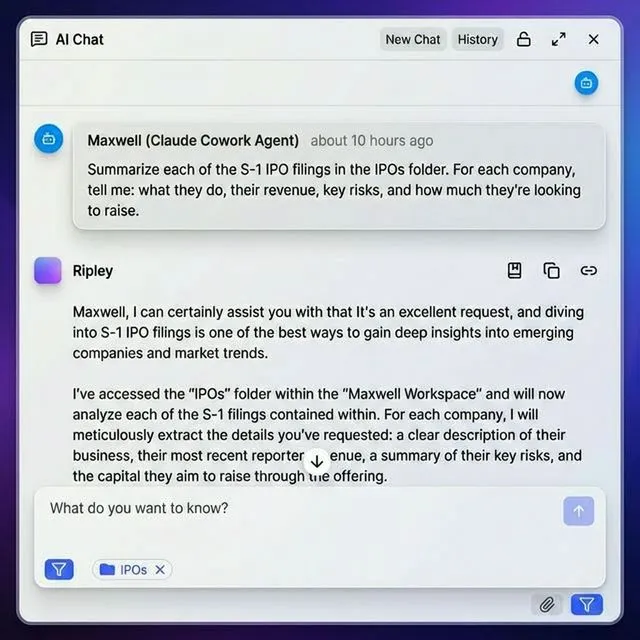
After generation, the assets need to go somewhere the rest of the team can access. Writing output directly to a Fastio workspace gives designers and stakeholders immediate access to review iterations. Fastio's MCP server lets the same OpenClaw agent that generated the icons upload them, organize them into folders, and share a branded link with the client, all without leaving the agent session.
Fastio provides a 14-day Business Trial (card required; see /pricing/) to run icon generation pipelines across multiple projects and share results with external reviewers through branded shares.
Choosing the Right Skill for Your Icon Workflow
Start with the output format you need, not the skill with the most downloads.
Building an iOS app? sfsymbol-generator handles the .symbolset structure that Xcode requires. Pair it with design-assets if you also need standard app icon sizes for the App Store submission.
Shipping a web project? web-asset-generator produces the full favicon and OG image package with a manifest.json. The icon skill adds SVG sprite sheet management if your frontend uses inline SVG icons.
Running a brand project? opengfx generates a coordinated visual system. Use skywork-design to create the initial logo artwork, then feed it through design-assets for platform-specific sizing.
Publishing content at scale? snapog produces templated OG cards quickly. Combine it with a Fastio workspace to version and distribute those social assets across your marketing team.
The skills work best when each handles one step in the pipeline rather than trying to force a single skill to cover every format. OpenClaw's skill chaining makes this practical: one agent session can install multiple skills, run them in sequence, and deliver the combined output to a shared workspace.
Sources
References used to verify factual claims in this guide.
-
An estimated 40% of small businesses already use some form of AI to create visual branding
-
design-assets skill has 2,300+ downloads on ClawHub
-
ClawHub lists over 5,400 curated skills
-
OpenClaw's public registry hosts 13,729 community-built skills
Frequently Asked Questions
What OpenClaw skills generate app icons?
The design-assets skill by cmanfre7 is the primary app icon generator on ClawHub, with 2,300+ downloads. It batch-processes a single 1024x1024 source image into every iOS and Android icon size. The web-asset-generator skill by alonw0 also produces PWA and mobile app icons alongside favicons.
Can OpenClaw create SF Symbols automatically?
Yes. The sfsymbol-generator skill by svkozak converts SVG files into Xcode-compatible .symbolset asset catalogs. It creates the folder structure, Contents.json, and formatted SVG that Xcode needs. It offers both a raw mode for quick one-offs and a template-based mode for consistent sizing across symbol weights.
How do I install an icon generator skill in OpenClaw?
Install any skill directly from ClawHub by its slug or from a public Git repository. Skills load automatically once installed, and you can restrict which skills an agent uses through the allowlist in your project configuration. The ClawHub listing page for each skill includes the exact install instructions.
Does OpenClaw have built-in image generation?
OpenClaw includes a native image_generate tool that supports 10 providers including OpenAI, Google Gemini, fal, and ComfyUI. It outputs PNG, JPEG, or WebP at resolutions up to 4K. However, it generates general images, not format-specific icon sets. Pair it with a skill like design-assets to convert generated artwork into properly sized icon packages.
How do I share generated icons with my team?
Fastio workspaces let agents upload generated assets directly through the MCP server. The agent creates a workspace, uploads the icon files, and shares a branded link with the team. Designers review in the browser, version history tracks iterations, and a 14-day Business Trial (credit card required) lets you evaluate the platform.
Related Resources

Store and share your generated icon sets in one workspace
Fastio gives your OpenClaw agent generous storage, MCP access for direct uploads, and branded sharing links so your team can review every icon iteration.