OpenClaw vs Cursor: When to Use an AI Agent Platform vs an AI Code Editor
A 10-person team running Cursor Pro pays $200 per month for AI-assisted coding. That same team can run a single OpenClaw instance for under $70 total, covering not just code but ops, data pipelines, and workflow automation. The price gap reflects a deeper architectural split: Cursor is an editor, OpenClaw is an agent. This guide breaks down where each tool excels, where they overlap, and why the strongest developer workflows in 2026 combine both.


What Makes OpenClaw and Cursor Fundamentally Different
OpenClaw has accumulated over 374,000 GitHub stars since its release as an open-source, MIT-licensed AI agent platform. Cursor, a closed-source fork of VS Code, has become the default AI code editor for individual developers and small teams. Both use large language models. Both help developers ship faster. But they occupy fundamentally different layers of the development stack.
Cursor replaces your code editor. It wraps VS Code with inline completions, multi-file edits, codebase-aware chat, and an Agent mode that can plan, write, test, and fix code autonomously within the editor. You stay in the IDE, and Cursor handles the coding assistance.
OpenClaw replaces your task runner. It sits on your machine (or a VPS) and executes multi-step workflows across your entire system: deploying code, monitoring servers, processing data, sending alerts, managing calendars, and orchestrating API calls. It connects to 20+ messaging channels including WhatsApp, Telegram, Slack, and Discord.
The confusion between them comes from overlap in one area: both can write code. Cursor writes code inside an editor with diff previews and inline suggestions. OpenClaw writes code by generating complete files based on natural language descriptions. Same output, completely different interaction models.

Related guides
- Hermes Agent vs Cursor: Always-On Agent vs AI Code EditorNous Research Hermes Agent is an always-on autonomous agent that runs outside the IDE with self-improving skills and...
- Best Claude Code Alternatives in 2026, ComparedEight tools compete with Claude Code for AI-assisted coding in 2026. Cursor dominates IDE-based editing, Aider leads...
- OpenClaw vs Aider: Choosing Between an AI Agent Platform and a Terminal Pair ProgrammerOpenClaw and Aider both run in your terminal, but they solve different problems. Aider is a pair programmer with deep...
- OpenClaw vs GitHub Copilot: Agent Platform vs Coding AssistantGitHub transitioned Copilot to usage-based AI Credits on June 1, 2026, turning every subscription into a metered model...
- OpenClaw vs Windsurf (Now Devin Desktop): AI Agent vs AI IDE in 2026Seventy percent of developers now run two to four AI coding tools at once, but most comparisons still frame each option...
- OpenClaw vs Manus: Which AI Agent Platform Fits Your WorkflowOpenClaw crossed 370,000 GitHub stars in under six months while Manus AI hit $100M ARR before its $2B Meta acquisition...
More on this subject: OpenClaw Setup and Guides (199 guides)
Head-to-Head Feature Comparison
Before diving into specifics, here is how the two tools stack up across the categories that matter most for developer teams evaluating them:
Use Case
- Cursor: Code writing, refactoring, and review inside an editor
- OpenClaw: Autonomous task execution across code, ops, data, and workflows
Pricing
- Cursor: $20/month Individual, $40/month Teams (per seat)
- OpenClaw: Free and open source. Infrastructure costs $5-20/month for a VPS, plus LLM API spend that rarely exceeds $70/month for a full team
Autonomy Level
- Cursor: Human-in-the-loop. You review suggestions, approve diffs, and direct the agent
- OpenClaw: Fully autonomous. Define a task, and it plans and executes steps without supervision
IDE Integration
- Cursor: Is the IDE. Full VS Code environment with AI woven into every interaction
- OpenClaw: No IDE. Runs via CLI and configuration files, or through messaging apps
Multi-Step Tasks
- Cursor: Handles multi-file edits and test-fix loops within the codebase
- OpenClaw: Handles system-wide workflows spanning code, APIs, browsers, and external services
Data Residency
- Cursor: Code is sent to cloud providers (Anthropic, OpenAI) for processing
- OpenClaw: Runs locally by default. All data stays on your machine unless you configure external API calls
Open Source
- Cursor: Closed source, proprietary
- OpenClaw: MIT license, 374k+ GitHub stars, active community
The table makes the distinction clear: these are not competitors in the traditional sense. Cursor optimizes for one thing (writing code in an editor) and does it exceptionally well. OpenClaw optimizes for a broader surface area (automating anything on your system) with coding as one capability among many.
A Note on Pricing Models
Cursor's per-seat model means costs scale linearly with team size. Ten developers on the Teams plan costs $400/month. Twenty developers costs $800/month.
OpenClaw's cost structure is different. One instance serves the entire team. Infrastructure runs $5-20/month on a basic VPS. The variable cost is LLM API usage, which depends on the models you choose and how heavily you use them. According to multiple deployment guides, moderate teams spend around $45/month on API costs, with heavy usage pushing toward $168/month.
For teams that primarily need coding assistance, Cursor's $20/month Individual plan is straightforward and predictable. For teams that need broader automation, OpenClaw's total cost of ownership is often lower, especially at scale.
Where Cursor Wins
Cursor's strength is depth of integration with the coding workflow. It does not try to be a general-purpose agent. Instead, it makes every part of writing code faster.
Inline completions that understand context. Cursor indexes your entire codebase and uses that context for Tab completions. It knows your project's conventions, import patterns, and naming styles. The suggestions feel native because they are trained on your actual code, not generic examples.
Multi-file editing with diff previews. Cursor's Composer mode lets you describe a change that spans multiple files, and it generates coordinated diffs you can review and accept. Refactoring a function signature across 15 files takes seconds instead of an afternoon.
Agent mode for test-driven development. Cursor's Agent can plan a development approach, write the code, run tests, detect failures, and fix the bugs it introduced. The loop runs until tests pass or the agent recognizes it needs human input. This works inside the editor, so you can watch each step and intervene if the approach drifts.
Native MCP support. Cursor supports the Model Context Protocol, which means it can connect to external tools and data sources without custom plugins. This extends its capabilities beyond pure code editing into API queries, database inspection, and documentation lookup.
Immediate productivity. Setup takes about five minutes for anyone familiar with VS Code. The learning curve is almost nonexistent because the interface is identical to the editor most developers already use.
For developers who spend most of their day writing and reviewing code, Cursor is the better tool. It meets you where you already work and makes that work faster without asking you to change your process.
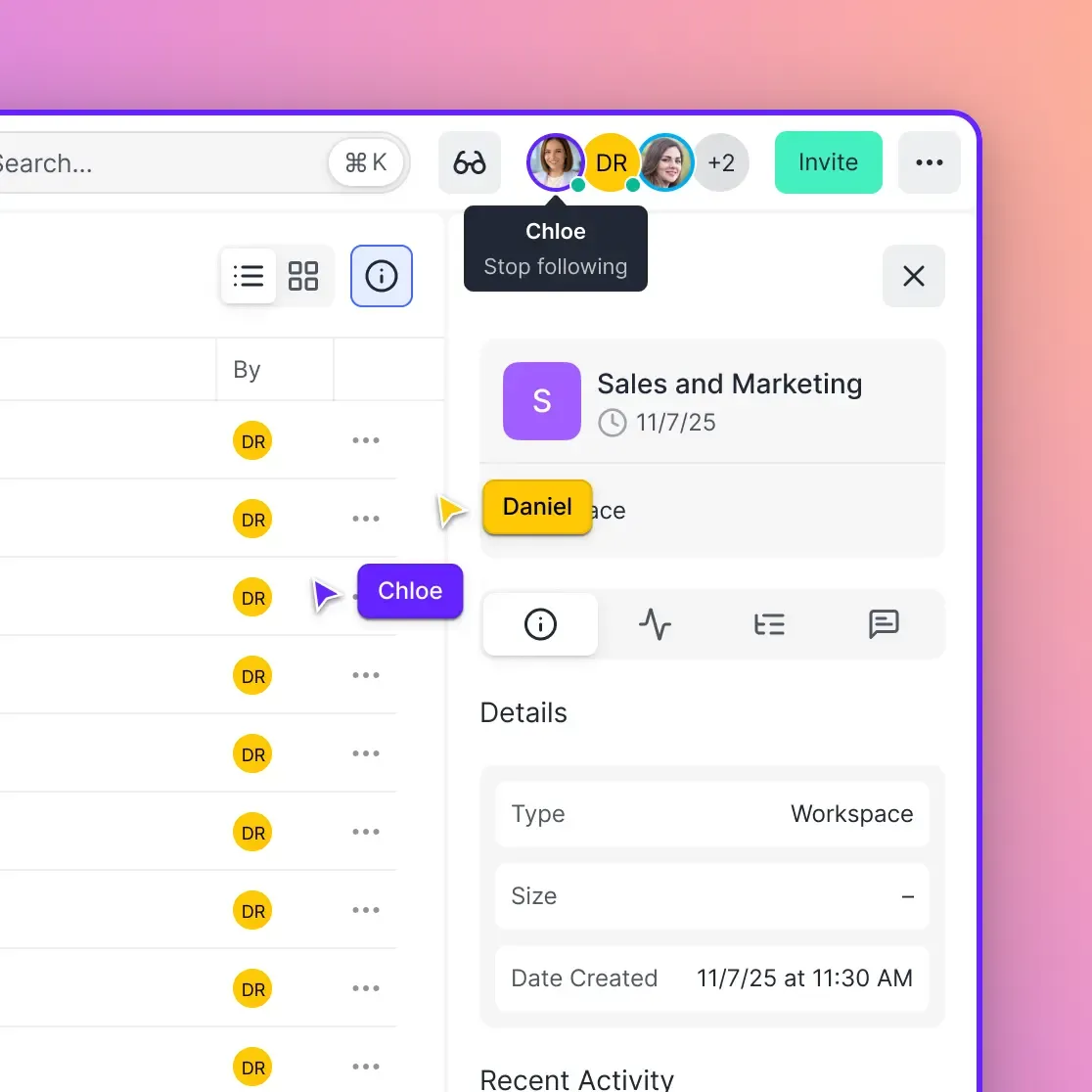


Give your agents a workspace that outlasts the session
Fastio's 14-day Business Trial runs with Business-plan capabilities and requires a card. Agents upload, search, and share files from one workspace.
Where OpenClaw Wins
OpenClaw's strength is breadth. It treats coding as one of many tasks an AI agent can perform, and it excels when the work extends beyond the editor.
System-wide autonomy. OpenClaw can browse the web, execute terminal commands, manipulate files, interact with APIs, and manage applications. A single prompt can trigger a workflow that clones a repo, installs dependencies, runs tests, opens a browser to verify the output, and sends a Slack message with the results.
Background task execution. Cursor requires you to be at your desk, actively working in the editor. OpenClaw runs unattended. Teams use it for overnight batch operations: dependency updates, automated testing across branches, data pipeline processing, and report generation. You describe the task, and it runs while you sleep.
Multi-channel messaging. OpenClaw connects to WhatsApp, Telegram, Slack, Discord, Signal, iMessage, and more. You can text your agent from your phone and get results delivered to the same thread. This is useful for on-call engineers who need to trigger actions without opening a laptop.
ClawHub skill ecosystem. The community-driven ClawHub registry offers skills for calendar management, API orchestration, research compilation, file organization, and dozens of other categories. Skills extend the agent's capabilities without writing integration code from scratch.
Privacy by default. OpenClaw processes everything locally. Your code, files, and data never leave your machine unless you explicitly configure an external API call. For teams working with proprietary codebases or under strict compliance requirements, this is a significant advantage over cloud-dependent editors.
Cost at scale. A single OpenClaw instance serves an entire team. There is no per-seat charge. The MIT license means no vendor lock-in, no subscription renewals, and no feature gates behind premium tiers.
OpenClaw is the right choice when the work you need automated extends beyond writing code. If you find yourself building scripts to glue together deployment steps, monitoring checks, and notification workflows, OpenClaw can replace that glue with a single agent.
How to Build a Combined OpenClaw and Cursor Workflow
Most comparisons frame this as a choice: pick OpenClaw or pick Cursor. The developers getting the most value from AI tooling in 2026 are using both, for different things at different times.
The pattern looks like this: Cursor handles the active coding session. You sit down, open the editor, write features, refactor code, and review diffs with Cursor's assistance. When you push a commit and walk away, OpenClaw takes over. It runs the deployment pipeline, verifies the staging environment, processes data that the new code generates, and sends you a summary on Slack or WhatsApp.
This division maps to how development work actually breaks down. Writing code is a focused, synchronous activity where inline suggestions and diff previews add real value. Everything around the code, deployment, monitoring, data processing, notifications, is asynchronous work that benefits from autonomous execution.
A practical example: a team building a data analytics product uses Cursor to write transformation logic and API endpoints during working hours. Overnight, OpenClaw runs test suites against fresh production data, generates performance reports, identifies regressions, and files issues in the project tracker. The next morning, developers open Cursor to a prioritized list of tasks that OpenClaw has already diagnosed.
The key insight is that these tools do not compete for the same time or attention. Cursor needs you present. OpenClaw works best when you are not.
Where Fastio fits in this workflow
Both Cursor and OpenClaw generate artifacts: code files, reports, datasets, test results, deployment logs. These outputs need to live somewhere accessible to both humans and agents.
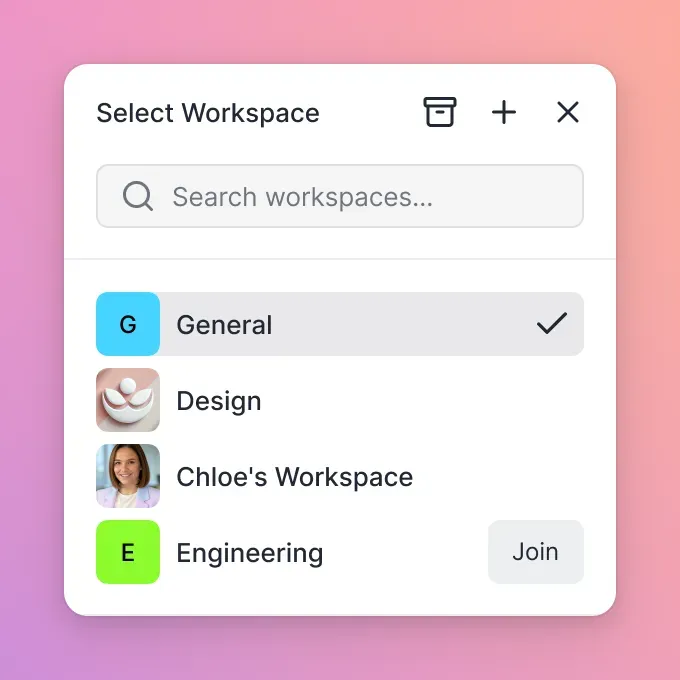
Fastio provides shared workspaces where agent-generated files persist across sessions. Instead of losing OpenClaw's overnight reports to a local directory that nobody checks, the agent uploads results to a Fastio workspace where the whole team can access them through a browser. Files are automatically indexed for semantic search through Intelligence Mode, so finding "last night's regression report" is a natural language query, not a filesystem hunt.
The ownership transfer feature is particularly useful here. An OpenClaw agent can build an entire workspace of deliverables, organized by project and tagged for search, then transfer ownership to a human team lead. The agent retains admin access for ongoing updates, while the human gets full control over sharing and permissions.
Fastio's MCP server connects directly to agent workflows. OpenClaw can upload files, create branded shares for client delivery, query documents using built-in RAG, and monitor changes through activity polling or the WebSocket events feed. The Business Trial runs with Business-plan capabilities for 14 days and requires a credit card. See the pricing page for current details.
Local storage works for solo developers. But when agents generate outputs that multiple people need to review, approve, or share externally, a persistent workspace layer prevents files from getting lost between sessions, machines, and team members.
Making the Right Choice for Your Team
Start with where your team spends time. If 80% of the work is writing and reviewing code, start with Cursor. The $20/month Individual plan delivers immediate productivity gains with minimal setup. Add OpenClaw later when you identify repetitive tasks outside the editor that eat into productive coding time.
If your team already maintains a collection of automation scripts, cron jobs, and deployment pipelines held together with bash and duct tape, start with OpenClaw. Replace the fragile glue code with an agent that can adapt when things change, and add Cursor when you want better AI assistance during active coding sessions.
For solo developers: Cursor Individual at $20/month is the simplest path to AI-assisted coding. OpenClaw adds value once you have repeatable workflows that consume time better spent writing code.
For small teams (3-10 people): Run both. Cursor for each developer's editor, OpenClaw as a shared automation agent. Total cost: $60-200/month for Cursor seats plus $20-70/month for a shared OpenClaw instance. Compare that to hiring someone to handle the deployment, monitoring, and data processing work that OpenClaw automates.
For larger organizations: Cursor Teams at $40/seat provides centralized billing, SSO, and shared context. OpenClaw at this scale needs dedicated infrastructure and clear guardrails around what the agent can access. Security teams should run OpenClaw on isolated machines or VMs, not on workstations with production credentials.
For privacy-sensitive environments: OpenClaw's local-first architecture keeps code and data on your infrastructure. Cursor sends code to cloud providers for processing. If regulatory or compliance requirements restrict where code can be sent, OpenClaw is the safer default for automation, though you may still want Cursor with appropriate data handling agreements for in-editor work.
The question is not which tool is better. It is which combination of tools matches how your team actually works. Most teams that try both find they become essential at different points in the development cycle.
If you're still shopping and neither an editor nor an agent platform is quite right, our OpenClaw alternatives breakdown covers seven other frameworks worth a look.
Sources
References used to verify factual claims in this guide.
-
OpenClaw has accumulated over 374,000 GitHub stars
-
Cursor Individual plan costs $20/month, Teams plan costs $40/user/month
-
A single OpenClaw instance serves an entire team at $5-20/month infrastructure, with API costs rarely exceeding $70/month total
-
Self-hosted OpenClaw deployments cost approximately $45 for moderate API usage and $168+ for heavy usage Cursor setup takes about five minutes for VS Code users; OpenClaw requires 30-60 minutes for initial configuration
Frequently Asked Questions
Is OpenClaw better than Cursor?
They solve different problems. OpenClaw is an autonomous AI agent platform that handles multi-step tasks across your system, from deployments to data processing. Cursor is an AI code editor that makes writing and refactoring code faster. OpenClaw is better for system-wide automation. Cursor is better for focused coding sessions. Most teams benefit from using both.
Can I use OpenClaw and Cursor together?
Yes, and many development teams do exactly that. A common workflow uses Cursor during active coding hours for writing and reviewing code, then hands off to OpenClaw for background tasks like running test suites, processing data, managing deployments, and sending status updates. The two tools do not conflict because they operate at different layers. Cursor works inside the editor, OpenClaw works across your whole system.
What is the difference between OpenClaw and Cursor?
Cursor is a VS Code fork with built-in AI for code completion, multi-file editing, and agent-driven development inside the editor. OpenClaw is an open-source AI agent platform (MIT license) that runs on your machine and executes tasks autonomously across your entire operating system, files, APIs, browsers, and messaging apps. Cursor requires you to be present and reviewing. OpenClaw runs unattended.
Which is cheaper, OpenClaw or Cursor?
OpenClaw is typically cheaper for teams. It is free and open source, with infrastructure costs of $5-20/month for a VPS plus LLM API spending that averages $45-70/month for moderate use. One instance serves the whole team. Cursor charges per seat, $20/month Individual or $40/month Teams, so a 10-person team pays $200-400/month. For solo developers, Cursor's $20/month is predictable and simple. For teams of five or more, OpenClaw's shared-instance model is usually more cost-effective.
Does OpenClaw work offline?
OpenClaw can work offline if you configure it with a local LLM instead of cloud-based API providers. The agent itself runs entirely on your machine. However, tasks that require internet access, like web browsing, API calls, or sending messages, need connectivity. Cursor requires an internet connection for its AI features since code is processed by cloud providers.
Is Cursor worth $20 a month?
For developers who write code daily, Cursor Pro at $20/month pays for itself quickly. Inline completions save time on every function, multi-file editing handles refactors that would take hours manually, and Agent mode automates test-fix loops. The free Hobby tier lets you evaluate before committing. If you only code occasionally or primarily need automation rather than coding assistance, the value proposition is weaker.
Related Resources

Give your agents a workspace that outlasts the session
Fastio's 14-day Business Trial runs with Business-plan capabilities and requires a card. Agents upload, search, and share files from one workspace.