Best OpenClaw Workflows for AI Content Repurposing in 2026
Most content teams know repurposing works but can't automate it past manual copy-paste between platforms. OpenClaw's skill ecosystem includes purpose-built workflows that transform a single blog post, video, or podcast into platform-specific outputs for LinkedIn, X, Instagram, email, and more. The eight workflows below cover single-skill transformations, full editorial pipelines, and the persistent storage layer that ties them together.


Why Agent-Driven Repurposing Beats Manual Reformatting
46% of marketers identify content repurposing as their best-performing strategy (ReferralRock), but 48% of B2B content teams cite insufficient repurposing as their primary scaling barrier (CMI/MarketingProfs). The gap is a workflow problem, not a strategy problem. Teams know one blog post should become a LinkedIn article, a Twitter thread, an Instagram caption, and a newsletter intro. They just don't have the automation to do it without dedicating hours to mechanical reformatting.
Writing a strong blog post takes about an hour. Reformatting it for five platforms takes another four, according to content operations benchmarks. Most of that time goes to adjusting word counts, adding hashtags, restructuring paragraphs, and matching platform tone. None of it requires original thinking.
OpenClaw skills automate exactly that mechanical layer. You feed in a single source document and get platform-specific adaptations out, each formatted for the constraints and conventions of its target channel. The workflows covered below handle different parts of this pipeline, from single-skill transformations to full editorial systems that cover research, drafting, repurposing, and distribution in one pass. ClawHub, OpenClaw's community skill registry, hosts thousands of content-focused skills across these categories. These eight workflows represent the most effective approaches for teams that want to ship content across platforms without multiplying production time.
Related guides
- Devin AI Windows Setup: Blueprints, Sessions, and Cross-Platform WorkflowsRunning Devin AI on Windows requires understanding the blueprint execution model, where Git Bash translates POSIX...
- How to Set Up Cross-Platform Sync for Claude CoworkSyncing Claude Cowork across platforms keeps your files updated everywhere. Instead of dealing with isolated desktop...
- 6 Best OpenClaw Workflows for Newsletter Content CurationNewsletter creators using AI tools save one to three hours per week, but most of that comes from ad hoc prompting...
- Best OpenClaw Workflows for Content Calendar Planning and Editorial AutomationContent teams using manual editorial workflows lose 3.7 of every 4.7 approval-cycle days to status-chasing and...
- Best OpenClaw Workflows for AI Image Generation PipelinesOpenClaw 2026.4.5 turned agents into image producers. The native image_generate tool supports 10 providers out of the...
- Best OpenClaw Workflows for Nonprofit OrganizationsOpenClaw workflows help nonprofit organizations scale their impact by automating donor outreach, grant research, and...
More on this subject: OpenClaw Workflows and Integrations (69 guides)
How We Evaluated These Workflows
We tested each workflow against five criteria specific to content repurposing:
- Platform coverage. How many output formats does the workflow support out of the box?
- Voice consistency. Does the output maintain a recognizable brand voice across platforms, or does each adaptation read like a different author wrote it?
- Automation depth. Can the workflow run on a trigger (new RSS entry, file upload, scheduled job), or does it require manual prompting each time?
- Integration reach. Does it connect to publishing platforms, scheduling tools, or storage services?
- Output quality. Do the adapted versions read like native content for each platform, or like a blog post that was compressed to fit?
We also considered download counts on ClawHub, update frequency, and documentation quality. Workflows that haven't received updates since 2025 were excluded.
1. Content Recycler
The content-recycler skill is the most direct repurposing tool in the OpenClaw ecosystem. Its core function is straightforward: transform and repurpose content across multiple platforms. You provide a source document and specify your target platforms. The skill generates adapted versions for each one.
Key strengths:
- Takes a single source and produces LinkedIn posts, Twitter threads, Instagram captions, email intros, and more in one pass
- Handles platform-specific formatting constraints like character limits, hashtag conventions, and tone adjustments automatically
- Works as a standalone skill or chains with other tools like Brand Voice Profile for consistent output across all adaptations
Best for: Teams that have a steady stream of long-form content and need platform-adapted versions without rewriting from scratch.
Limitations: Content Recycler focuses on text transformation. It does not handle scheduling, posting, or analytics. You need a separate publishing skill like AdaptlyPost or Postiz to get the adapted content onto each platform. For teams that want end-to-end automation, Content Ops (below) wraps repurposing into a full pipeline.
2. Content Ops Pipeline
Content Ops takes the opposite approach from single-skill tools. Instead of handling one step, it runs the full editorial pipeline: audit existing content, generate briefs, draft new pieces, repurpose across formats, and coordinate distribution. It functions like an editorial team compressed into one skill, with eight sub-skills covering production, audit, repurposing, and distribution stages.
Key strengths:
- Covers the entire content lifecycle from audit to distribution, so nothing falls through the cracks between stages
- Includes repurposing as a built-in stage rather than a bolt-on step you wire up yourself
- Orchestrates multiple downstream skills to handle each phase without manual handoffs between tools
Best for: Content teams running 10+ pieces per month who need pipeline-level automation, not just individual task shortcuts.
Limitations: Content Ops introduces more complexity than a single-purpose skill. If you only need to repurpose one blog post into social media formats, Content Recycler is faster to set up. Content Ops pays off when you're managing a full editorial calendar with multiple content types feeding multiple channels.
The ALM Corp marketing guide documents the single-source-to-multi-platform workflow as a core OpenClaw use case, with the full editorial pipeline handling coordination across stages.
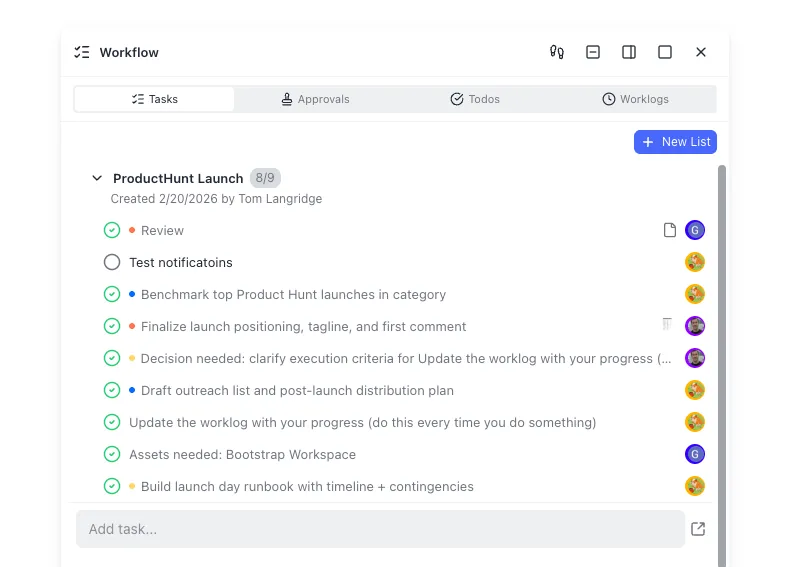


Store every content variant in one searchable workspace
Connect your OpenClaw agent via MCP and keep repurposed content indexed, searchable, and ready to hand off to your team.
3. AdaptlyPost for Social Cross-Posting
AdaptlyPost handles the distribution side of content repurposing. While Content Recycler generates the adapted text, AdaptlyPost pushes it to Instagram, X (Twitter), Bluesky, TikTok, Threads, LinkedIn, and Facebook. It coordinates cross-platform posting so you publish once and reach every channel without logging into each one.
Key strengths:
- Supports seven major social platforms from a single skill
- Handles posts, threads, and media uploads through one interface
- Pairs naturally with Content Recycler: generate the variants first, then use AdaptlyPost to publish them
Alternative: Postiz offers similar functionality with support for 28+ platforms and thread scheduling. If you need broader platform coverage or work with niche networks beyond the major seven, compare both before committing.
Best for: Solo creators or small teams that want to post repurposed content across social channels without platform-hopping.
Limitations: AdaptlyPost focuses on posting, not content adaptation. It won't rewrite your blog post for LinkedIn's format. Use it downstream from Content Recycler or AI Content Repurposer for the complete workflow: one skill adapts the content, the other distributes it.
4. AI Content Repurposer
The AI Content Repurposer skill targets a specific use case: transforming long-form content into multiple formats instantly. Feed it a YouTube video transcript, blog post, or podcast episode, and it generates platform-optimized outputs for each channel. Where Content Recycler works primarily with text inputs, this skill handles three distinct input types.
Key strengths:
- Accepts video transcripts, blog posts, and podcast episodes as source material
- Generates complete platform-specific outputs with appropriate formatting, length, and tone for each target
- Designed for content creators who publish across both written and video channels simultaneously
Best for: YouTubers, podcasters, and bloggers who want to maximize the reach of every piece of long-form content they produce. Particularly useful when your source content is a video or audio recording rather than written text.
Limitations: This skill generates adapted text but does not create visual assets like thumbnail images or video clips. For video-specific outputs (short-form clips, reels, stories), pair it with the Video Repurpose skill covered next.
5. Video Repurpose
Video Repurpose specializes in turning one finished long-form video into multiple short-form assets. It remixes scenes, rewrites captions, resizes for platform-specific aspect ratios, and generates fresh variants with new hooks. This is the video-native counterpart to Content Recycler's text-focused approach.
Key strengths:
- Creates multiple short-form clips from a single long-form video
- Handles caption rewriting and platform-specific formatting (vertical for TikTok and Reels, landscape for YouTube)
- Generates new hooks and angles so each clip feels like original content rather than a simple excerpt
Best for: Video-first creators who want to repurpose long YouTube videos or webinars into short-form content for TikTok, Instagram Reels, and YouTube Shorts.
Limitations: Video Repurpose works with video assets specifically. For text-to-text repurposing (blog to social post), use Content Recycler instead. For text-to-audio conversion, see Podcastifier below. The best video repurposing workflow often chains all three: Video Repurpose for clips, AI Content Repurposer for written summaries, and AdaptlyPost for distribution.
6. Summarize and Humanize AI Text Chain
Chaining the Summarize skill (10,900+ downloads on ClawHub) with Humanize AI Text (8,700+ downloads) creates a two-step quality pipeline for repurposed content. Summarize compresses long documents into concise versions at adjustable detail levels. Humanize AI Text then rewrites the output to sound natural and varied while preserving meaning and keywords.
Key strengths:
- Summarize handles variable compression: executive summary, detailed brief, or platform-length condensation depending on the target format
- Humanize AI Text polishes AI-generated adaptations so they pass as human-written content on platforms where authenticity matters
- Both skills integrate cleanly as preprocessing and postprocessing stages in larger workflows built around Content Recycler or Content Ops
Best for: Teams producing multiple content formats from research reports, whitepapers, or internal documents where quality and natural tone matter more than raw speed.
Limitations: This chain handles text quality but not distribution. Pair it with AdaptlyPost or Postiz for publishing, and with a storage solution like Fastio to keep versioned copies of each adaptation organized and searchable.

7. Podcastifier
The agents-skill-podcastifier converts written content into audio format using text-to-speech and concatenation tools. Give it an email newsletter, blog post, or article thread, and it produces a podcast-ready audio file. This is content repurposing in a different direction: text to audio rather than text to text.
Key strengths:
- Transforms newsletters, blog posts, and essays into audio episodes without manual recording
- Handles text-to-speech conversion and file concatenation in one pass
- Opens a new distribution channel (podcast feeds, Spotify, Apple Podcasts) from existing written content that would otherwise stay trapped in text format
Best for: Newsletter writers and bloggers who want to offer an audio version of their content without investing in recording equipment or editing software.
Limitations: Audio quality depends on the text-to-speech engine. The output works well for informational content but may sound mechanical for conversational or story-driven pieces. Consider Podcastifier a complement to written repurposing rather than a replacement for recorded podcasts.
8. Fastio Workspaces for Repurposed Content
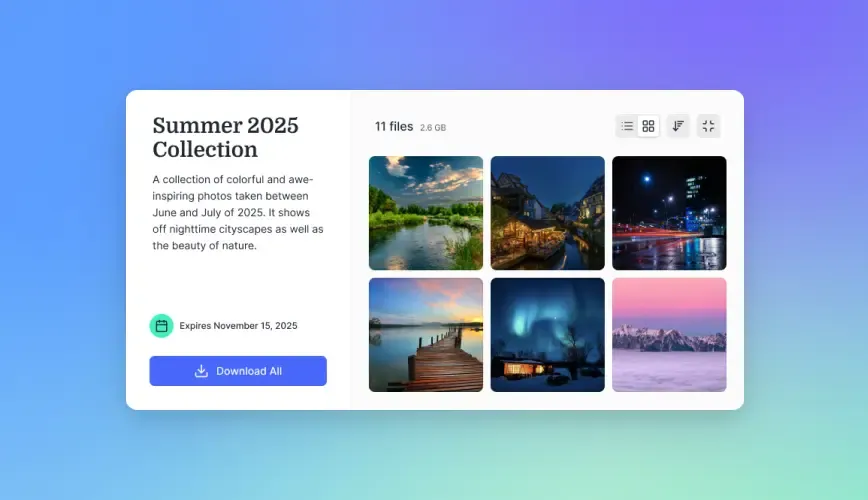
Once your OpenClaw agent generates eight versions of a single blog post, you need somewhere to store, organize, and share them. Local file systems get cluttered fast when every source document spawns five to ten variants. Fastio workspaces provide the persistent storage layer for repurposed content pipelines.
Key strengths:
- Agents connect via MCP server for file operations, AI queries, and workspace management
- Intelligence Mode auto-indexes stored files for semantic search and citation-backed retrieval, so your team can find the LinkedIn version of a specific blog post by describing what they need
- Ownership transfer lets an agent build a complete content workspace and hand it off to a human editor or client for review
- Fastio offers a 14-day Business Trial, card required; see /pricing/
Best for: Teams using OpenClaw for content production who need a shared, searchable repository for all generated variants and source material.
Limitations: Fastio is a storage and collaboration workspace, not a content generation tool. It does not write or adapt content itself. Use it alongside the repurposing skills above to build a complete pipeline where generation and storage are handled by the right tools. For teams already using S3 or Google Drive, the advantage here is the built-in semantic search and agent-native MCP access rather than raw storage capacity.
Get started at fast.io/pricing to connect your OpenClaw agent.
Choosing the Right OpenClaw Workflow
The right workflow depends on where your bottleneck sits.
If you produce long-form content regularly and need social adaptations, start with Content Recycler and AdaptlyPost. That two-skill chain covers most repurposing needs with minimal setup. The Solvea content creators guide reports that social media cross-posting alone saves 10+ hours per week for active publishers.
If you manage a full editorial calendar with 10+ monthly pieces, Content Ops gives you pipeline-level orchestration that handles everything from content audit to distribution in one workflow.
If you work primarily with video, start with Video Repurpose for clip generation and AI Content Repurposer for text-based summaries of your video content. Chain both with AdaptlyPost to distribute everything from a single agent session.
For quality-sensitive teams working with technical or research content, the Summarize and Humanize chain ensures every adaptation reads like it was written for that specific platform rather than compressed from a longer source.
Whichever combination you choose, pair your generation skills with a persistent storage layer so adapted content doesn't live scattered across chat transcripts. Fastio workspaces give your agent a shared file system where every variant is indexed, searchable, and ready to hand off to your team.
Sources
References used to verify factual claims in this guide.
-
46% of marketers identify content repurposing as their best-performing strategy 48% of B2B content teams cite insufficient repurposing as their primary scaling barrier
-
Summarize skill has 10,900+ downloads on ClawHub Humanize AI Text skill has 8,700+ downloads on ClawHub
-
Social media cross-posting saves 10+ hours per week for active publishers
Frequently Asked Questions
Can OpenClaw repurpose content automatically?
Skills like Content Recycler and Content Ops accept a source document and generate platform-specific adaptations in one pass. For fully automated workflows, connect your blog RSS feed or content management system as a trigger so repurposing runs each time you publish new content. The adapted outputs can then route to social scheduling skills like AdaptlyPost for hands-free distribution across all your channels.
What is the best AI content repurposing tool?
It depends on your content type and workflow needs. For text-to-text repurposing across social platforms, Content Recycler is the fastest single-skill option in the OpenClaw ecosystem. For mixed media inputs (video transcripts, podcast episodes, blog posts), AI Content Repurposer handles multiple source formats. For teams that need end-to-end pipeline management covering audit, drafting, repurposing, and distribution, Content Ops automates the full lifecycle from one skill.
How do I adapt blog posts for social media with OpenClaw?
Provide your blog post to the Content Recycler skill and specify your target platforms. A typical prompt would request a LinkedIn post (200 words, professional tone), a Twitter/X thread (8 tweets), an Instagram caption (120 words with hashtags), and an email newsletter intro (80 words). All four variants come back in one response, each formatted for its platform's conventions and constraints. For voice consistency, chain it with the Brand Voice Profile skill so every adaptation matches your brand's tone.
How does Fastio fit into an OpenClaw content repurposing workflow?
Fastio serves as the persistent storage and collaboration layer. Your OpenClaw agent generates adapted content using skills like Content Recycler, then stores each variant in a Fastio workspace via the MCP server. Intelligence Mode indexes the files automatically, so your team can search by meaning rather than filename. The ownership transfer feature lets agents build content workspaces and hand them off to human collaborators through a claim link.
Related Resources

Store every content variant in one searchable workspace
Connect your OpenClaw agent via MCP and keep repurposed content indexed, searchable, and ready to hand off to your team.