Best OpenClaw Skills for AI Video Script Writing
Video scripts drive every stage of production, and OpenClaw skills can automate the writing process across formats. ClawHub lists thousands of community skills, but only a handful target script generation specifically. This guide ranks the most useful options for YouTube, TikTok, and corporate video workflows and explains how to connect them to a production pipeline.


How We Chose These Skills
Video script writing spans several distinct tasks: researching topics, structuring talking points, drafting dialogue and visual directions, formatting for specific platforms, and preparing narration-ready text. No single OpenClaw skill covers all of that, so we evaluated each option against five criteria:
- Direct support for script output (dialogue, visual directions, timing cues, or structured prompts)
- ClawHub availability and active maintenance
- Format coverage across YouTube long-form, TikTok/Reels/Shorts, and corporate video
- Composability with rendering and post-production skills
- Cost transparency for API-dependent features
Most creators will need two or three of these together: one for research, one for drafting, and optionally one that carries scripts into rendering. The entries below are ordered by how directly each skill produces usable script output, starting with the most hands-off option.

Related guides
- How to Use Claude Code Skills in ClineAccording to GitHub's Octoverse 2024 report, the number of developers building with generative AI on the platform...
- How to Install and Manage Cline Agent SkillsAI coding agents boost code volume by 180%, but shipped code rises by only 30%, showing a critical gap in development...
- Top OpenClaw Skills for Video ProductionOpenClaw skills automate video production tasks like editing, asset management, and reviews with MCP tools. Video teams...
- Top OpenClaw Skills for AI Video Creation WorkflowsOpenClaw 2026.4.5 shipped a native video_generate tool with 16 provider backends, but the built-in tool is just the...
- Top 10 OpenClaw Skills for Content CreatorsContent creators use OpenClaw skills to handle repetitive tasks and scale production. For content creators, OpenClaw...
- Best OpenClaw Skills for Building Custom AI AssistantsOpenClaw ships with 50+ bundled skills, but the ClawHub registry offers thousands more. This guide covers nine skills...
More on this subject: OpenClaw Skills (109 guides)
1. AI Content Repurposer
The AI Content Repurposer skill by lvjunjie-byte transforms long-form content into platform-specific short-form scripts. Feed it a blog post, podcast transcript, or YouTube video URL, and it generates scripts formatted for TikTok, YouTube Shorts, and Instagram Reels.
Each generated script follows a hook-content-CTA structure with visual cues included. The hook grabs attention in the first three seconds, the body delivers the core message with suggested camera angles or text overlays, and the call-to-action closes with a specific next step. The skill also produces Twitter threads, LinkedIn posts, and podcast summaries from the same source material, which makes it useful for teams that repurpose one piece of content across five or six channels.
The main limitation is that it works best with existing content as a starting point. If you need an original script written from scratch rather than a repurposed one, you will want to pair this with a separate drafting tool or write the source material yourself first.
Key Strengths:
- Generates scripts with hooks, visual cues, and CTAs for TikTok, Shorts, and Reels
- Handles multiple output formats from a single source (video scripts, threads, posts)
- Works with YouTube URLs, blog posts, and podcast transcripts as input
Limitations:
- Repurposing tool, not an original script generator
- Output quality depends heavily on how detailed the source material is
Best For: Content teams converting existing articles, podcasts, or long-form videos into short-form video scripts.
Pricing: Free (open-source skill on ClawHub)


Keep your video scripts searchable and shareable
Generous storage workspace with semantic search across scripts, transcripts, and production notes. MCP-native access for your OpenClaw agents, ownership transfer when the project is ready for human review.
2. Genviral
Genviral covers the entire short-form video pipeline through 42 API commands, and the scripting stage is where it starts. The skill uses Gemini 3.1 to draft scripts in a structured format: a hook designed for the first three seconds, a body section with key talking points, and a closing CTA. Scripts target 30-second delivery, which maps to the sweet spot for TikTok and Instagram Reels.
What separates Genviral from the AI Content Repurposer is that it generates original scripts rather than repurposing existing content. It pulls from trend data, including TikTok hashtag scraping and optimal posting time analysis, to inform what the script should cover. After the script is drafted, the same skill handles voice-over synthesis in multiple languages, clip assembly, thumbnail generation, and scheduling. You can move from concept to published video without switching tools.
The tradeoff is flexibility. Genviral is tied to Gemini 3.1 and GLM-5 for script generation, so you cannot swap in a different model for the writing step. If your preferred LLM produces better scripts for your particular niche, that model lock-in could be a real constraint. The skill also supports TikTok, Instagram Reels, and YouTube Shorts but does not generate scripts for longer YouTube content or corporate video formats.
Key Strengths:
- Original script generation with trend-informed topic selection
- Full pipeline from script drafting to published video in one skill
- Multi-language TTS and automatic subtitle generation after scripting
Limitations:
- Locked to Gemini 3.1 for script drafting with no model swapping
- Requires API keys for each integrated platform
Best For: Creators producing daily short-form content who want script-to-publish automation in a single tool.
Pricing: API costs for Gemini 3.1, TTS providers, and social platform integrations.
3. ClawVid
ClawVid by neur0map takes a different approach to scriptwriting: the OpenClaw agent itself writes the script. You describe your video concept in natural language, and the agent plans individual scenes, writes detailed visual prompts for each, and produces a workflow JSON file that drives the rest of the pipeline.
The scripting phase happens before any generation starts. The agent breaks down the concept into scenes, writes narration text for each segment, and specifies visual directions including camera style, transitions, and effects. ClawVid then executes a six-stage pipeline: TTS narration using Qwen-3-TTS, scene timing calculated from audio lengths, image generation via fal.ai, video clip creation, background music from Beatoven, and post-processing with Whisper for word-level subtitles.
The TTS-first design is worth noting. Because narration audio is generated before visuals, each scene's duration matches the voiceover naturally. This avoids the common problem where AI video clips and audio drift out of sync.
Scripts in ClawVid are intermediate artifacts (JSON workflow files) rather than standalone documents you would share with a client. If you need a polished script for review before production, you will want to extract the narration text into a separate file. For fully automated pipelines where the script feeds directly into rendering, that intermediate format works in your favor because every scene description maps directly to a generation step.
Key Strengths:
- Agent-driven scene planning produces structured scripts before any rendering begins
- TTS-first pipeline keeps narration and visuals in sync automatically
- Multi-format output (16:9 for YouTube, 9:16 for TikTok and Shorts)
Limitations:
- Scripts are JSON workflow files, not standalone shareable documents
- Depends on fal.ai API for all generation stages
Best For: Automated faceless video channels and batch production where scripts flow directly into rendering.
Pricing: fal.ai API costs for image and video generation, Beatoven for background music. ClawVid itself is free and open source.
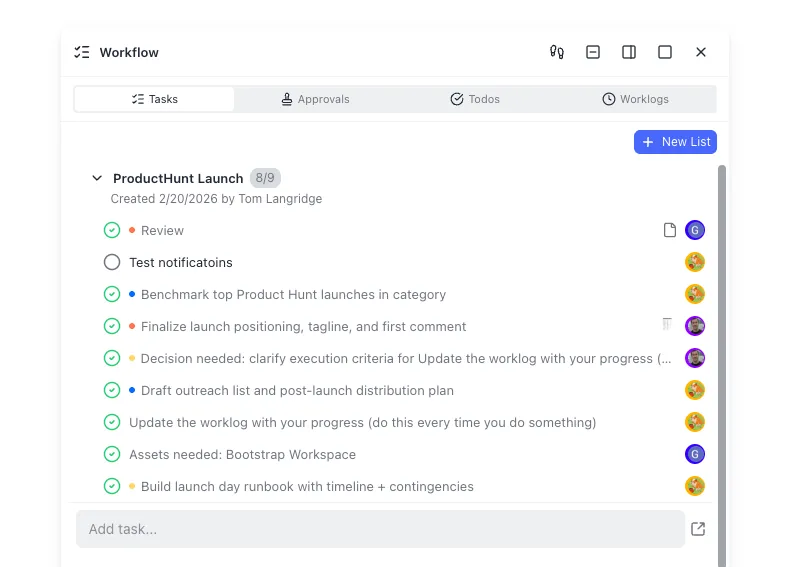
How Research and Data Skills Feed Into Script Writing
The three skills above generate scripts directly. The next three support the research and planning phase that feeds into script writing. For most production workflows, research is the most time-consuming step, and automating it changes how many scripts you can produce per week.
4. Summarize
The Summarize skill on ClawHub has over 26,000 downloads, making it one of the most popular skills in the registry. It condenses URLs, PDFs, audio files, and YouTube videos into structured summaries. For script writing, this means you can feed it a stack of competitor videos, industry reports, or lengthy articles and get back condensed talking points that become your script's foundation.
The output is text summaries, not formatted scripts, so you still need to structure the material into a script format afterward. As a research accelerator, though, it eliminates the hours spent watching competitor content and taking manual notes.
Pricing: Free (runs locally)
5. YouTube Transcript Skills
Several ClawHub skills extract transcripts from YouTube videos. The openclaw-youtube-transcript skill by YoavRez and the openclaw-skill-youtube by happynocode both use yt-dlp to pull subtitles and captions directly from video URLs. The happynocode variant adds batch processing for multiple channels and AI-powered structured summaries on top of raw transcripts.
Transcript extraction serves two script-writing workflows. First, analyzing how competitors structure their videos: pacing, hook placement, topic transitions, and CTA timing. Second, direct repurposing, where you take an existing video's transcript and rework it into a script for a different format or audience. Pair either of these with the AI Content Repurposer, and you have a two-step pipeline from competitor video to formatted short-form script.
Pricing: Free (uses yt-dlp locally)
6. Skills Weekly
Skills Weekly is a narrower tool that generates YouTube video scripts from ClawHub trending data. It fetches skill metrics from the ClawHub API, ranks them using two tracks (established skills by install velocity and new skills with a recency bonus), then generates video segments using Claude Haiku. The output is dual-format: a markdown report and a voice-ready script in plain text.
The scripting approach is specific: hook-first structure, technical specs, no popularity metrics, dry newscast tone. That style works well for tech content but would need adaptation for other niches. The real value here is the pattern, not the narrow use case. Feeding structured data into an LLM with specific tone and format guidelines and getting back broadcast-ready scripts is a workflow you can replicate for product reviews, market updates, or any data-driven video series.
Pricing: Claude Haiku API costs for script generation
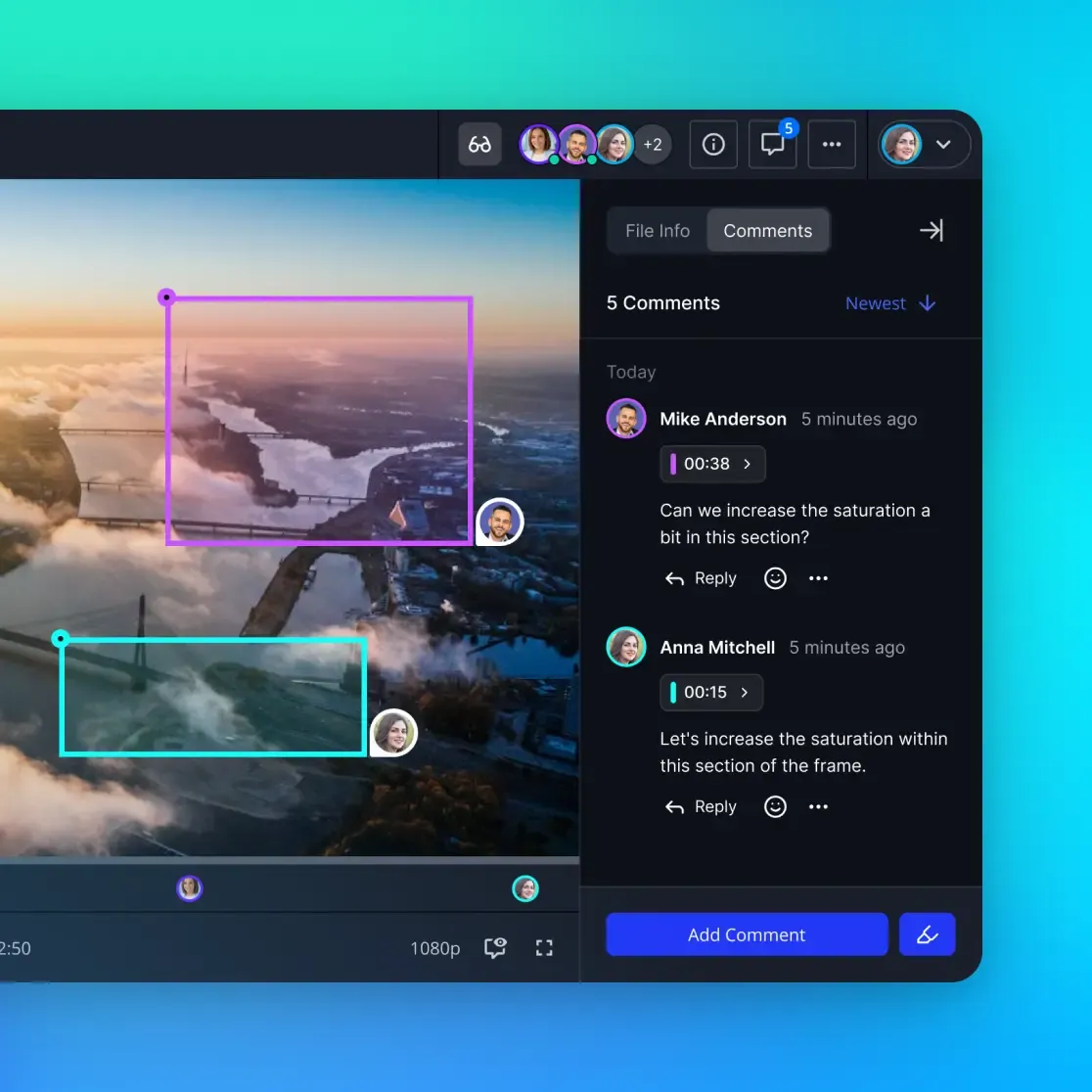
Where Fastio Fits in Script Workflows
Script files, research notes, and draft versions pile up fast in a video production workflow. You need somewhere to store them where both agents and humans can access the same materials.
Local folders work for solo projects. Google Drive and Dropbox handle basic team sharing. Fastio adds an intelligence layer on top of storage: upload your scripts and source material to a workspace, and once Intelligence is enabled for the workspace, the files are automatically indexed for semantic search. Ask "which scripts mention the product launch?" and get answers with citations pointing to specific documents. That search capability gets more valuable as your script library grows past a few dozen files.
For team workflows, ownership transfer lets an agent build a complete project workspace with scripts, research materials, and production assets, then hand it to a human editor or client. The agent keeps admin access for future updates while the human takes ownership of the workspace and its contents.
OpenClaw agents connect to Fastio through the MCP server, which exposes workspace, storage, and AI operations as agent-callable tools. Upload scripts after generation, query them with natural language during research, and share finished projects through branded links without zipping files or managing download permissions.
Business Trial: 14-day trial, card required; paid plans start at $9.99/month. Connect via Streamable HTTP at https://mcp.fast.io/mcp/tools.
Sources
References used to verify factual claims in this guide.
-
ClawHub hosts over 13,700 community-built skills
-
Summarize skill has over 26,000 downloads on ClawHub
-
Genviral uses Gemini 3.1 for script drafting with 42 API commands covering the full video pipeline
-
ClawVid uses a six-stage TTS-first pipeline with Qwen-3-TTS, fal.ai, and Remotion
-
Fastio offers a 14-day Business Trial with paid plans starting at $9.99/month
Frequently Asked Questions
Can OpenClaw write video scripts?
Yes. Several ClawHub skills generate video scripts directly. The AI Content Repurposer converts existing content into short-form scripts with hooks and visual cues for TikTok, Shorts, and Reels. Genviral uses Gemini 3.1 to draft original scripts with trend-informed topic selection. ClawVid has the OpenClaw agent write scene-by-scene narration and visual prompts as part of a full rendering pipeline.
What AI tools generate YouTube scripts?
Within the OpenClaw ecosystem, ClawVid generates scripts as part of its end-to-end video pipeline, producing narration text and scene descriptions for YouTube content in both 16:9 and 9:16 formats. Skills Weekly generates data-driven YouTube scripts from ClawHub trending data using Claude Haiku. Outside of OpenClaw, standalone tools like Jasper and Copy.ai offer YouTube script templates, though they lack the agent-driven workflow integration that skills provide.
How do I automate video script writing with agents?
Install a script-generation skill from ClawHub and pair it with a research skill. For example, use the Summarize skill to extract talking points from competitor videos, then pass those summaries to the AI Content Repurposer to generate platform-formatted scripts. For full automation from concept to finished video, ClawVid combines agent-driven script planning with a six-stage rendering pipeline that takes a text prompt and outputs a complete MP4.
What script formats can OpenClaw skills generate?
The AI Content Repurposer and Genviral both produce hook-body-CTA scripts for TikTok, YouTube Shorts, and Instagram Reels. ClawVid generates scene-by-scene workflow files with narration text and visual directions for 16:9 (YouTube) and 9:16 (TikTok/Shorts) formats. Skills Weekly outputs voice-ready plain text scripts for YouTube long-form content. None of these currently generate teleprompter-formatted scripts, so corporate video teams may need to reformat the output.
How much does AI video script writing cost with OpenClaw?
OpenClaw itself is free. Script-generation costs depend on which skills you use. The AI Content Repurposer, Summarize, and YouTube Transcript skills are free and open source. Genviral requires API costs for Gemini 3.1 and platform integrations. ClawVid charges through fal.ai for generation stages. Skills Weekly uses Claude Haiku API credits for script drafting. Fastio storage for scripts and project files offers a 14-day Business Trial, with paid plans starting at $9.99/month.
Related Resources

Keep your video scripts searchable and shareable
Generous storage workspace with semantic search across scripts, transcripts, and production notes. MCP-native access for your OpenClaw agents, ownership transfer when the project is ready for human review.