7 Best OpenClaw Skills for AI Image Editing
OpenClaw skills can turn your AI assistant into a full image editing pipeline. This guide ranks seven image editing skills by capability type, from inpainting and style transfer to background removal and face swap, with install commands and practical use cases for each.

How Image Editing Works in OpenClaw
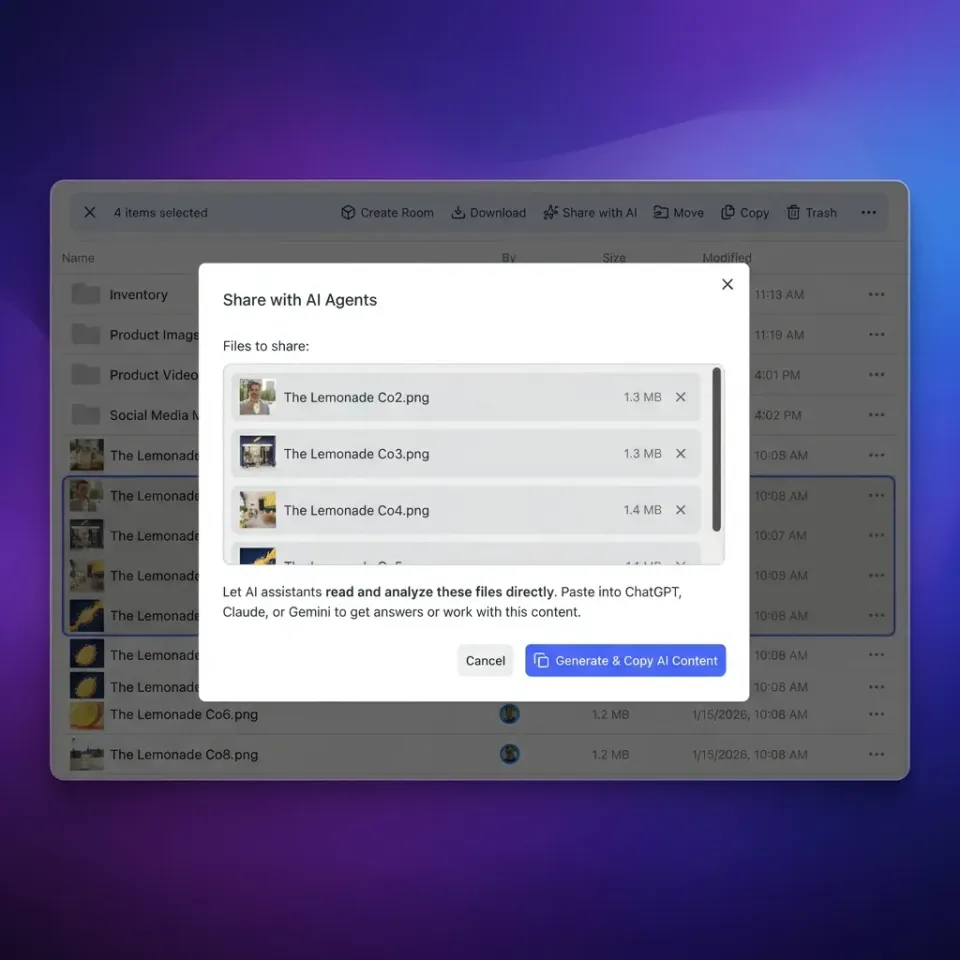
OpenClaw includes native image editing support out of the box. Send a reference image alongside a text prompt, and your agent edits the image using whichever AI provider you have configured. That handles straightforward edits like object removal, color correction, and style changes.
Specialized work requires more targeted tools. Batch background removal, raster-to-vector conversion, commercially licensed outputs, and face swaps each depend on dedicated image processing APIs with their own strengths. That is where third-party skills from ClawHub come in. Each skill connects your agent to a focused image editing service, and they work alongside any LLM backend your agent uses.
The skills below extend OpenClaw's image editing well beyond what the built-in capability handles alone. We ranked them by editing depth, output quality, commercial safety, and how cleanly they fit into automated workflows.
Related guides
- How to Use Claude Code Skills in ClineAccording to GitHub's Octoverse 2024 report, the number of developers building with generative AI on the platform...
- How to Install and Manage Cline Agent SkillsAI coding agents boost code volume by 180%, but shipped code rises by only 30%, showing a critical gap in development...
- Best OpenClaw Skills for AI Music CompositionOpenClaw ships a built-in music_generate tool with five audio providers, but ClawHub hosts specialized skills that push...
- 7 Best OpenClaw Skills for AI Texture and Seamless Pattern GenerationThe AI texture generation market was valued at $1.84 billion in 2024 and is growing at 23.1% annually, yet the parent...
- Top OpenClaw Skills for AI Image UpscalingOpenClaw skills can upscale images from 2x to 4x resolution directly inside a chat conversation. This guide compares...
- Best OpenClaw Skills for Web ResearchWeb research skills let OpenClaw agents find and read information on the live web. Without them, your AI is stuck with...
More on this subject: OpenClaw Skills (109 guides)
How We Evaluated These Skills
We tested image editing skills across four criteria:
- Editing depth: Does it handle a single operation (like background removal) or multiple editing types (inpainting, style transfer, upscaling)?
- Output quality: Are the results production-ready, or do they need manual cleanup?
- Commercial safety: Can you use outputs in client work without licensing concerns?
- Workflow fit: Does it integrate smoothly into an automated pipeline, or does it require manual steps?
We also grouped skills by primary capability. Most image editing tasks fall into a few categories: inpainting (filling masked regions), style transfer (changing visual style), background removal, upscaling, face swap, and vectorization. Each skill below leads with what it does best.
Quick Comparison
Top 7 OpenClaw Skills for AI Image Editing
- EachLabs Image Edit - 130+ AI models covering inpainting, style transfer, face swap, upscaling, and background removal
- Recraft - Raster editing, vector editing, and vectorization with per-operation API pricing
- Bria AI - Commercially safe editing with FIBO, RMBG-2.0, and GenFill models
- OpenAI Image CLI - GPT Image editing with multi-reference composition and mask-based inpainting
- TopView AI - Product mockups, background removal, and text-to-image with built-in asset board
- Nano Banana Pro - Google Gemini-powered editing with text rendering and multi-image composition
- Built-in image_generate - Zero-install editing via OpenClaw's native tool with provider fallbacks
Each skill targets different editing workflows. EachLabs covers the widest range. Recraft is the only option for vector output. Bria is the safest choice for commercial use. The sections below break down each skill's strengths and limitations.


Store and share your edited images across agents and humans
Fastio gives your OpenClaw agent cloud storage with file version history, audit logs, and branded sharing. Connect via the remote MCP server and start a 14-day trial.
1. EachLabs Image Edit
EachLabs provides access to 130+ AI models through a single skill, making it the broadest editing toolkit on ClawHub. Rather than specializing in one operation, it routes your request to the best model for the job.
Available on ClawHub as the eachlabs-image-edit skill. Search for it in the ClawHub directory and install it from your OpenClaw settings.
Editing capabilities:
- Inpainting and outpainting
- Style transfer across artistic and photographic styles
- Face swap and virtual try-on
- Background removal
- Upscaling and enhancement
- 3D generation from 2D images
- Image analysis and tagging
The skill wraps the EachLabs Predictions API. You describe what you want changed in natural language, and the skill selects an appropriate model. For e-commerce teams that need product retouching, background swaps, and model try-ons in the same session, this is the most versatile option.
Limitations: Model selection happens automatically, which means you have less control over exactly which model processes your image. Results can vary between runs on the same prompt.
Best for: Teams that need a wide range of editing operations without installing multiple skills.
2. Recraft
Recraft is the only OpenClaw image editing skill that handles both raster and vector output. If you need to edit a photo and export a clean SVG, this is the one to install.
Install:
clawhub install /recraft
Editing capabilities:
- Prompt-based raster editing (describe changes in text)
- Background removal with alpha channel output
- Vectorization of raster images to SVG
- Upscaling with detail preservation
- Vector image generation and editing
Recraft exposes its full API through the skill. Authentication requires a Recraft API key, which you paste once during setup. The skill stays active across conversation threads, so you can iterate on edits without re-authenticating.
Pricing: Free to install. API usage is billed per operation, with separate rates for generation, editing, vectorization, and batch jobs. Check Recraft's pricing page for current rates.
Limitations: Recraft focuses on image quality over speed. Complex vectorization jobs take longer than raster-only alternatives.
Best for: Designers and developers who need vector output, logo editing, or high-fidelity raster edits with clean exports.
Recraft also works via the Model Context Protocol (MCP), so you can connect it to other agent frameworks beyond OpenClaw.
3. Bria AI
Bria differentiates itself with commercially safe AI models. Every model in the Bria stack is trained on licensed data, which matters if your edited images end up in client deliverables, ads, or product listings.
Editing capabilities:
- FIBO: A JSON-native text-to-image model that converts short prompts or reference images into structured schemas, then renders reproducible results. Useful when you need consistent outputs across a batch.
- RMBG-2.0: Background removal that outputs continuous alpha mattes instead of binary masks, preserving fine edge detail like hair and transparent objects.
- GenFill: Mask-based inpainting. Paint the area you want to modify, and GenFill either fills it with generated content or erases what's there.
Beyond these core models, Bria supports product lifestyle shot generation, batch asset creation, and independent adjustments to lighting, season, or style on specific regions of an image.
Pricing: RMBG-2.0 runs at $0.018 per generation. Other model pricing varies by operation.
Limitations: The commercially safe training data can sometimes produce less stylistically diverse results compared to models trained on broader datasets. If you need highly artistic or avant-garde outputs, EachLabs or Recraft may be a better fit.
Best for: E-commerce product photography, marketing asset production, and any workflow where commercial licensing of AI outputs is a concern.

4. OpenAI Image CLI
The OpenAI Image CLI skill connects OpenClaw to GPT Image (gpt-image-2) for text-guided editing with two standout features: multi-reference composition and mask-based inpainting.
Editing capabilities:
- Multi-reference editing: Supply multiple input images and combine a subject from one with the background, lighting, or composition from another. Useful for controlled art direction where you want specific elements from different sources.
- Mask-based inpainting: Provide a PNG alpha mask where opaque areas stay untouched and transparent areas get regenerated. Good for targeted fixes like sky replacement, object removal, and localized cleanup.
- Text-guided editing from a single reference image
- Batch generation (1-4 images per request)
- Output in PNG, JPEG, or WebP with transparency support
OpenClaw's built-in image_generate tool already supports gpt-image-2 as the default provider. The OpenAI Image CLI skill adds a command-line interface with more granular control over parameters, plus the multi-reference composition workflow that the built-in tool does not expose directly.
Pricing: Billed through your OpenAI API account. If you have an OpenAI Codex OAuth profile configured, the skill reuses those credentials automatically.
Limitations: Requires an OpenAI API key or Codex subscription. No vector output. Editing is limited to what gpt-image-2 supports natively.
Best for: Developers already in the OpenAI ecosystem who want precise control over GPT Image editing parameters.
5. TopView AI
TopView AI targets e-commerce and marketing teams who need product mockups, background removal, and brand asset generation through natural language.
Editing capabilities:
- Background removal with transparent PNG output
- Product model image generation (place products into lifestyle scenes)
- Text-to-image creation for brand posters and marketing visuals
- Multiple model support including Nano Banana 2, GPT Image, and Imagen 4
What sets TopView apart is Topview Board, a built-in asset management layer where generated and edited images are organized for preview, comparison, and sharing. Instead of downloading each result individually, your agent's outputs land in a visual workspace that humans can review.
Limitations: More focused on creation and product photography than fine-grained editing. If you need inpainting or style transfer, EachLabs or Bria are stronger choices.
Best for: E-commerce teams that need product lifestyle shots, background removal, and a visual review board in one workflow.
6. Nano Banana Pro
Nano Banana Pro wraps Google's Gemini image model (gemini-3-pro-image-preview) and adds editing capabilities that go beyond simple generation. Its standout feature is text rendering, where it achieves a single-line text error rate below 10%, a meaningful improvement over most image generation models.
Editing capabilities:
- Background replacement and scene swaps
- Style transfer across artistic and photographic looks
- Adding and removing elements from existing images
- Multi-image composition with up to 14 reference images
- Text rendering directly into generated images
The multi-image composition is worth noting. Most editing skills accept one or two reference images. Nano Banana Pro can take up to 14, letting you combine elements from multiple sources into a single output. That opens up workflows like creating composite marketing assets from a library of product photos.
Pricing: Free skill. API costs depend on your Google AI / Gemini API tier.
Limitations: Text rendering quality drops with longer or multi-line text. Style transfer results vary depending on the source and target styles. Fewer specialized editing models compared to EachLabs.
Best for: Teams that need text-on-image generation, multi-source compositing, or prefer to stay within Google's AI ecosystem.
7. Built-in image_generate Tool
OpenClaw includes a native image_generate tool that requires no skill installation. If you have an API key configured for any supported provider, you can edit images immediately.
How it works:
Supply a reference image (or up to five) through the image or images parameter alongside a text prompt. OpenClaw routes the request to your configured provider and returns the edited result as a media attachment in the conversation.
Default provider chain: OpenAI gpt-image-2 as primary, with fallbacks to OpenRouter (Google Gemini), Google Gemini direct, and fal (Flux). You can override this in your agent configuration.
Supported operations:
- Reference-based editing via text prompt
- Multiple reference image composition (up to 5 images on supporting providers)
- Custom output size, aspect ratio, quality, and format (PNG, JPEG, WebP)
- Transparency support on compatible providers
- Batch generation (1-4 outputs per request)
The built-in tool covers basic editing tasks well. Where it falls short is specialized operations: there is no dedicated inpainting mask support, no vectorization, no face swap, and no batch processing pipeline. For those, you need the third-party skills listed above.
Best for: Quick edits and prototyping when you do not want to install additional skills. Also useful as a fallback when a third-party skill's API is down.
After your agent generates or edits images, you need somewhere to store and organize the results. Local filesystems work for personal projects, but teams sharing edited assets across agents and humans need persistent storage. Fastio workspaces give your agent cloud storage with file version history, an audit log, and ownership transfer to hand off completed assets to a human reviewer. The Fastio remote MCP server connects your agent to workspaces where edited images can be organized, searched once Intelligence Mode is enabled, and shared through branded links.
Sources
References used to verify factual claims in this guide.
-
EachLabs skill provides access to 130+ AI models for editing, style transfer, inpainting, face swap, upscaling, and background removal
-
Recraft skill supports raster editing, vector editing, vectorization, background removal, and upscaling through the full Recraft API
-
Bria AI uses commercially safe models including FIBO, RMBG-2.0, and GenFill for generation, editing, and background removal
-
RMBG-2.0 pricing is $0.018 per generation
-
OpenClaw's built-in image_generate tool defaults to openai/gpt-image-2 with fallbacks to OpenRouter Gemini, Google Gemini direct, and fal Flux
-
Nano Banana Pro (Gemini 3 Pro Image) supports multi-image composition with up to 14 reference images and achieves single-line text error rate below 10%
-
GPT Image (gpt-image-2) supports multi-reference editing and mask-based inpainting with PNG alpha masks
Frequently Asked Questions
What OpenClaw skills can edit images?
Several OpenClaw skills handle image editing. EachLabs Image Edit provides access to 130+ AI models covering inpainting, style transfer, face swap, and upscaling. Recraft handles raster editing, vector editing, and vectorization. Bria AI focuses on commercially safe editing with background removal and GenFill inpainting. OpenAI Image CLI connects to GPT Image for mask-based editing and multi-reference composition. TopView AI specializes in product mockups and background removal.
How do I use AI to edit photos in OpenClaw?
The simplest way is to use OpenClaw's built-in image_generate tool. Configure an API key for a supported provider (OpenAI, Google Gemini, fal, or others), then send a text prompt alongside your reference image. OpenClaw edits the image and returns the result in the conversation. For more advanced editing like inpainting, vectorization, or face swap, install a specialized skill from ClawHub with "clawhub install <skill-slug>".
Which OpenClaw image editing skill is best for e-commerce?
Bria AI is the strongest choice for e-commerce because its models are trained on licensed data, making outputs commercially safe for product listings and ads. RMBG-2.0 handles background removal with fine edge detail, and GenFill can place products into new scenes. TopView AI is another good option for product mockup generation. For teams that need both product photography and lifestyle shots, combining Bria (for safe edits) with TopView (for mockups) covers most e-commerce workflows.
Can OpenClaw do AI inpainting?
Yes. OpenClaw supports inpainting through several paths. The OpenAI Image CLI skill offers mask-based inpainting where you provide a PNG alpha mask to define editable regions. Bria AI's GenFill model handles mask-based fill and erase operations. EachLabs Image Edit routes inpainting requests to specialized models from its 130+ model library. For basic prompt-guided editing (without explicit masks), the built-in image_generate tool works with gpt-image-2 and other providers.
Do I need an API key for OpenClaw image editing skills?
Yes. Each skill connects to an external image processing API that requires authentication. Recraft needs a Recraft API key. Bria AI needs a Bria API key. EachLabs needs an EachLabs API key. OpenAI Image CLI uses your OpenAI API key or Codex OAuth credentials. The built-in image_generate tool also requires at least one configured provider key. TopView AI and Nano Banana Pro have their own API requirements. Skill installation itself is free on ClawHub.
What is the difference between OpenClaw image generation and image editing skills?
Image generation skills create new images from text prompts alone. Image editing skills modify existing images based on text instructions, masks, or reference images. Some skills like EachLabs and Recraft handle both. OpenClaw's built-in image_generate tool switches between generation and editing mode depending on whether you supply a reference image alongside your prompt.
Related Resources

Store and share your edited images across agents and humans
Fastio gives your OpenClaw agent cloud storage with file version history, audit logs, and branded sharing. Connect via the remote MCP server and start a 14-day trial.