How to Use a Video CDN for Faster Streaming
A Video CDN (Content Delivery Network) is the backbone of modern streaming, ensuring smooth playback by caching content on servers closer to the viewer. For creative teams and businesses, using a CDN is essential to eliminate buffering, reduce latency, and deliver professional video assets globally without delay.

What Is a Video CDN and How Does It Work?
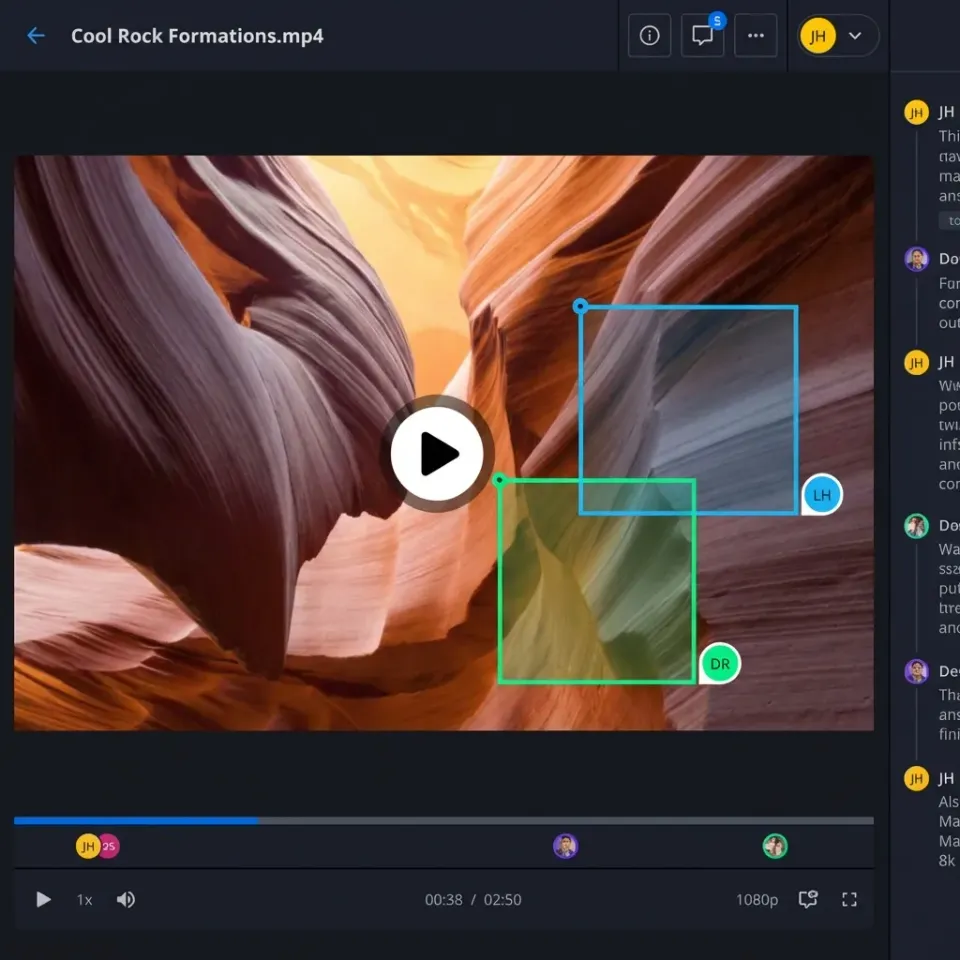
A Video CDN (Content Delivery Network) is a distributed network of servers strategically located across the globe to deliver video content to users as efficiently as possible. Instead of serving a video file from a single central server (which can get overwhelmed or be far from the viewer), a CDN caches copies of the video on "edge servers" located near the user. When a user clicks play, the request is automatically routed to the nearest edge server. This cuts down the physical distance the data must travel, reducing latency and packet loss.
The Core Components of a Video CDN
- Origin Server: The primary source where the original high-quality video file is stored.
- Points of Presence (PoPs): Data centers located in various geographic regions containing edge servers.
- Caching: The process of storing temporary copies of the video on edge servers.
- Load Balancing: Distributing incoming traffic across multiple servers to prevent crashes during high demand. Mobile users have little patience for slow page loads. For video, the tolerance is even lower. A video CDN bridges this gap by ensuring the "first byte" reaches the viewer almost instantly.
Helpful references: Fastio Workspaces, Fastio Collaboration, and Fastio AI.
Related guides
- Best Cloud Storage for Video: 7 Options for Production TeamsVideo files demand more from cloud storage than documents or photos. You need large file support, fast transfers, and...
- How to Send Video Without Losing QualitySending video without losing quality means transferring video files in their original format without compression that...
- How to Send 4K Video Files Without Losing Quality4K video files range from 3GB for a short clip to over 100GB per hour of professional footage. Most transfer methods...
- How to Share Videos Privately Without Losing QualityPrivate video sharing is the secure distribution of video content to specific recipients with access controls like...
- How to Transfer Files Faster: The Complete Speed GuideFast file transfer means using methods optimized to move large files quickly, often through parallel connections,...
- How to Compress Video for Email Without Destroying QualityCompressing video for email reduces file size to fit within email attachment limits, though it often sacrifices video...
More on this subject: File Sharing (155 guides)
Why Do You Need a CDN for Video Streaming?
If you are hosting video content, whether it's marketing materials, client reviews, or internal training, relying on a standard web server is a recipe for frustration. Standard servers are not optimized for the high bandwidth and low latency requirements of video playback.
1. Eliminate Buffering and Latency
Buffering occurs when the viewer's playback speed exceeds the speed at which data is being received. By serving video from a local edge node, a CDN delivers a steady stream of data that eliminates the "spinning wheel of death."
2. Handle Traffic Spikes
A viral video or a simultaneous team review can crash a standard server. CDNs absorb this traffic load across thousands of servers. If one server becomes overloaded, the network automatically reroutes traffic to a healthy one, ensuring 1high availability.
3. Global Reach for Remote Teams
Modern creative teams are distributed. A director in London shouldn't have to wait a long time to download dailies uploaded in Los Angeles. A Video CDN caches the file in London after the first access (or via pre-fetching), making subsequent views instantaneous for the local team.


Stream Your Video Assets Instantly for video cdn
Stop waiting for buffering. Use Fastio to share, review, and deliver professional video content with instant HLS playback.
HLS Streaming vs. Progressive Download
Not all video delivery is created equal. Understanding the difference between Progressive Download and HLS (HTTP Live Streaming) is important for optimizing viewer experience.
Progressive Download (The Old Way)
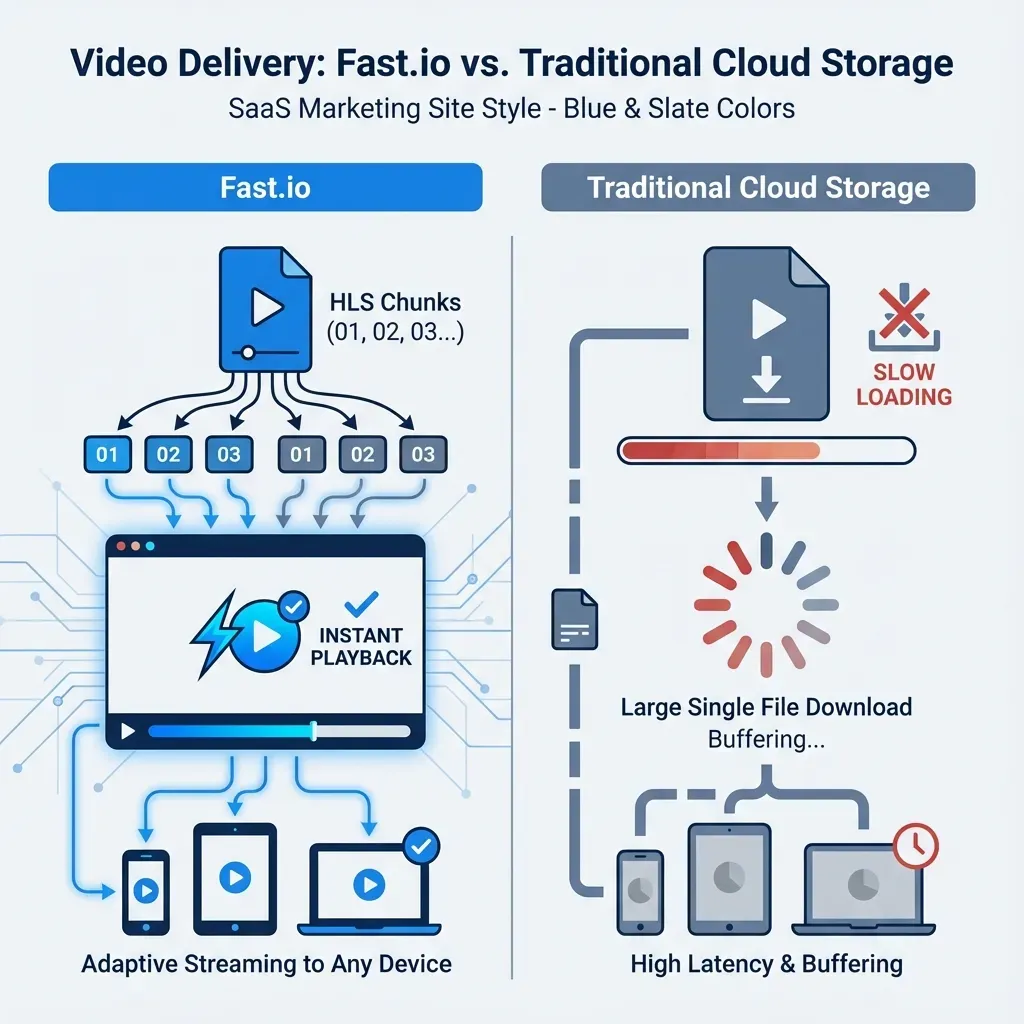
This is like downloading a file in the background while playing it. It's simple but inefficient. If a viewer skips to the end of a 2-hour movie, the browser has to "download" everything in between first, or guess the byte offset, often leading to stalling. It also wastes bandwidth if the user stops watching after 2 minutes.
HLS Streaming (The Modern Standard)
Fastio and major streaming platforms use HLS. This technology breaks the video into small, 10-second chunks and creates a playlist (manifest file).
- Adaptive Bitrate: The player detects the user's connection speed and automatically adjusts the quality (e.g., from high to standard resolution) to keep the video playing without stalls.
- Instant Seeking: Because the video is chunked, skipping to the end is instant; the player just requests the chunks from that timestamp.
- Bandwidth Efficiency: You only download what you watch. > "HLS streaming can reduce initial load times by 50-60% compared to standard progressive download."
Fastio: Video Streaming for Creative Workflows
Traditional Video CDNs like Cloudflare Stream or Akamai are powerful but complex. They require engineering teams to configure APIs, manage encoding buckets, and build custom players. For creative agencies, video production houses, and marketing teams, this is overkill.
Fastio streams your video files automatically.
When you upload a video to Fastio, it is ready to stream in the browser. We automatically transcode your professional assets (ProRes, DNxHD, RAW) into web-optimized HLS streams.
Key Advantages for Creatives
- No Setup Required: Just drag and drop your file. We handle the encoding and distribution.
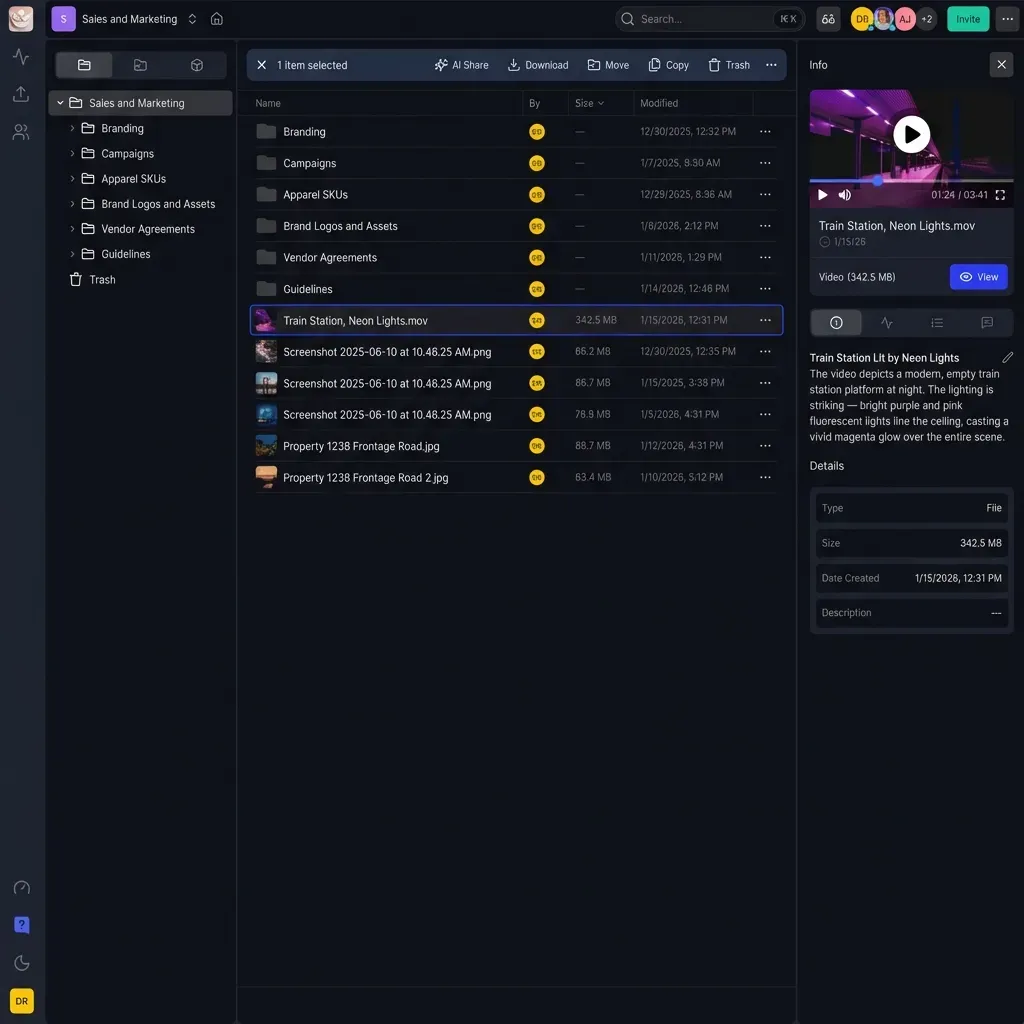
- Universal Preview: Preview massive master files in your browser without downloading.
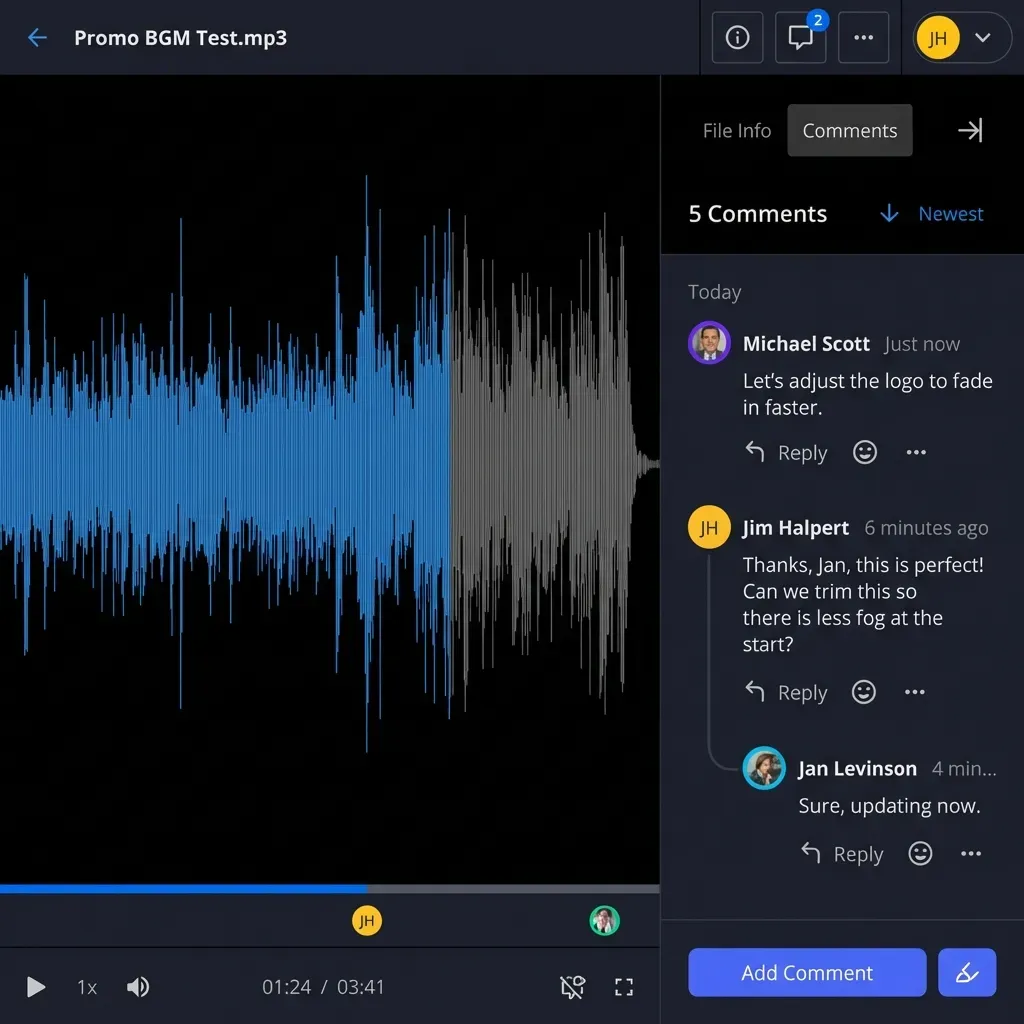
- Frame-Accurate Comments: Clients can leave feedback on specific frames, which is synced to your timeline.
- Branded Portals: Deliver assets to clients via a custom-branded interface. For AI-driven workflows, Fastio's MCP Server allows AI agents to ingest, tag, and organize these video assets programmatically, moving files to the right project folders based on content analysis.
How to Choose the Right Video CDN Provider
Selecting the right provider depends on your specific use case. Here is a breakdown of what to look for based on your needs.
For Mass Audience Streaming (Netflix-style)
If you are building a subscription VOD platform for millions of users, look for:
- DRM Support: Digital Rights Management to prevent piracy.
- Live Broadcasting: Low-latency protocols for live sports or events.
- Providers: AWS CloudFront, Akamai, Limelight.
For Creative Teams & File Delivery (Agency-style)
If you are sharing dailies, reviewing cuts, or delivering final masters to clients, look for:
- Ease of Use: No coding or API configuration.
- File Support: Ability to handle professional codecs (not just MP4).
- Collaboration Features: Commenting, versioning, and download controls.
- Providers: Fastio, Frame.io. Fastio bridges the gap by offering adaptive streaming with the user experience of a simple file manager.
Sources
References used to verify factual claims in this guide.
-
skips end 2-hour movie browser download everything between first or guess byte offset leading stalling
-
wastes bandwidth user stops watching after 2 minutes
-
technology breaks video small 10-second chunks creates playlist manifest file
-
HLS streaming reduce initial load times 50-60% compared standard progressive download Fastio support 4K video streaming up 4K resolution Fastio's Media Engine creates adaptive bitrate streams, so viewers on fast connections see full 4K quality and slower networks get a lower-resolution stream Fastio offers adaptive streaming with the user experience of a simple file manager Fastio supports streaming up to 4K resolution
Frequently Asked Questions
What is the difference between a video CDN and a regular CDN?
While both distribute content globally, a Video CDN is optimized for large file delivery and streaming protocols like HLS. It handles caching of large media segments and often includes features like on-the-fly transcoding and adaptive bitrate streaming, which standard web CDNs (optimized for small images and HTML) may not support efficiently.
Do I need a video CDN for internal team sharing?
Yes, if your team is remote. Without a CDN, a remote editor in another country has to download footage directly from your central server, which is slow and prone to failure. A CDN caches that footage locally to them, making playback and downloads much faster.
Does Fastio support 4K video streaming?
Yes, Fastio supports streaming up to 4K resolution. Fastio's Media Engine automatically creates adaptive bitrate streams, ensuring that viewers with high-speed connections see full 4K quality while those on slower mobile networks get a smooth, lower-resolution stream without buffering.
Related Resources

Stream Your Video Assets Instantly for video cdn
Stop waiting for buffering. Use Fastio to share, review, and deliver professional video content with instant HLS playback.